There’s a moment, right when you walk into a room, where your eyes adjust. Not just to the light, but to the feeling of the space. Does it feel open? Cluttered? Cold? Or does it invite you in, layer by layer? Lately, I’ve noticed a shift in how we’re designing our sanctuaries. We’re moving away from the stark, blindingly white minimalism of the early 2020s. We want warmth. We want mystery. And surprisingly, one of the best ways to get that is through something that seems, at first glance, quite dark: smoked glass.
It’s not just about hiding things behind a tinted pane. It’s about the dance between what’s seen and what’s hinted at. Smoked glass doesn’t shout; it whispers. It adds a veil of sophistication that solid wood or clear glass simply can’t match. Whether it’s a cabinet door in your kitchen or a floor-to-ceiling divider splitting your living area from your home office, this material changes the emotional landscape of a room. It softens the edges. It creates depth where there was none. And in 2026, as we continue to crave spaces that feel both curated and comfortable, smoked glass has become the quiet hero of interior design.
The Psychology of Translucency
Why do we feel calmer in a room with smoked glass? It’s partly because our brains love a little puzzle. Clear glass shows everything—every cluttered shelf, every mismatched mug. Solid walls hide everything, which can feel封闭 (closed off) and heavy. But smoked glass? It sits in that sweet spot. It reveals just enough to create interest but obscures enough to maintain order. This balance reduces visual noise. When you look at a smoked glass cabinet, you don’t see the chaotic details of the items inside. You see shapes. Colors. Silhouettes. It’s like viewing your belongings through a soft-focus lens.
This effect is crucial for modern living. Our homes are multi-purpose now more than ever. A dining table is a desk. A living room is a gym. The visual clutter of these shifting roles can be overwhelming. Smoked glass acts as a visual buffer. It allows light to pass through, keeping spaces feeling airy, but it dampens the intensity of what’s behind it. Think of it as a dimmer switch for your eyes. Instead of the harsh "on" of clear visibility or the total "off" of a solid wall, you get a gentle glow. This subtle manipulation of light and shadow creates a sense of depth that makes small rooms feel larger and large rooms feel more intimate.
Research into environmental psychology supports this. Spaces that offer "prospect and refuge"—the ability to see out while feeling protected—are inherently more comforting. Smoked glass provides that refuge without sacrificing the prospect. You can see the light coming from a window on the other side of a divider, but you aren’t exposed to the full glare or the activity. It’s a sophisticated way to manage privacy without building barriers. In a world that’s always "on," having a space that feels slightly secluded, even when it’s technically open, is a luxury. It’s not just about aesthetics; it’s about how the space makes you feel when you’re in it.
Kitchen Cabinetry: Beyond the White Box
Let’s talk about the kitchen. For years, the trend was all-white everything. White cabinets, white counters, white backsplashes. It was clean, sure. But it was also sterile. Enter smoked glass cabinet doors. They instantly add gravity to the space. Imagine upper cabinets with smoked glass fronts. Inside, you place your nice dishware, maybe some glassware with interesting shapes. The smoke tint unifies these items. A red plate and a blue bowl don’t clash; they become deep, rich shadows against the dark background. It turns storage into display, but a restrained, elegant display.
One of the biggest advantages here is light manipulation. Kitchens often have multiple light sources—overhead cans, under-cabinet strips, pendant lights. Clear glass can reflect these lights, creating glare. Smoked glass absorbs some of that brightness, reducing reflections and creating a softer ambient glow. If you have LED strips inside your cabinets, the effect is magical. The light filters through the tinted glass, creating a warm, inviting halo around the cabinetry. It’s particularly effective in the evening. You don’t need the main lights on; the cabinets themselves become a source of low-level, atmospheric lighting.
But it’s not just about looks. There’s a practical side too. Smoked glass is forgiving. Fingerprints and smudges are less visible on a dark, tinted surface than on clear glass or high-gloss white lacquer. For busy households, this is a huge win. You get the sleek, modern look without the constant need to wipe things down. In 2026, we’re seeing a rise in mixed-material kitchens. Pairing smoked glass uppers with warm wood lowers, or matte black frames, creates a layered, textured look. It breaks up the monotony of solid surfaces. It adds a touch of the unexpected. And because the glass is translucent, you can still find what you need without opening every door. You see the shape of the coffee mug. You spot the stack of plates. It’s functional elegance.
Room Dividers: Defining Space Without Closing It Off
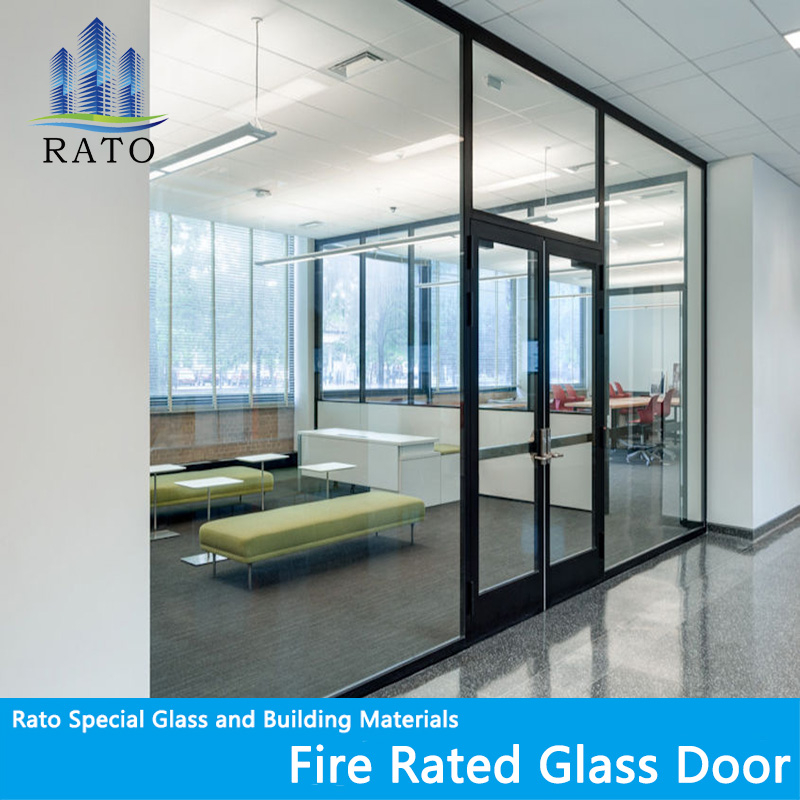
Open-plan living is great for flow, but terrible for focus. How do you separate your work zone from your chill zone without building a wall? Smoked glass room dividers are the answer. They define boundaries without blocking light or sightlines completely. Imagine a large, floor-to-ceiling panel of smoked glass separating your living room from your home office. You can still see the natural light coming from the living room windows into your workspace. The room feels connected. But the tint creates a psychological boundary. When you’re in the office, the living room feels slightly distant, slightly muted. It helps you focus.
These dividers also add a sculptural element to a room. A frameless panel of smoked glass looks like a slice of shadow suspended in air. It’s minimalist but impactful. You can go for a single large panel or a series of narrower panels with metal frames. The latter adds a graphic quality, like a grid drawn in the air. In smaller apartments, this is invaluable. A solid wall would chop up the space, making it feel cramped. A smoked glass divider keeps the volume of the room intact while creating distinct zones. It’s the difference between living in a box and living in a loft.
Another clever use is in entryways. Instead of a solid coat closet blocking the view into your home, consider a smoked glass partition. It offers a hint of privacy for people taking off their shoes, but it doesn’t stop the eye from traveling through the space. It creates a sense of arrival, a transition zone that feels intentional. Plus, it reflects light in interesting ways. As the sun moves across the sky, the shadows cast by the divider change. The room feels alive. It’s not static. This dynamic quality is something many designers are chasing in 2026. We want homes that interact with the environment, not just contain it. Smoked glass does exactly that.
Lighting Integration: Creating Atmosphere
Lighting is everything. And smoked glass is the ultimate partner for creative lighting schemes. Because it’s translucent, it doesn’t just block light; it transforms it. When you place a light source behind smoked glass, the light becomes diffused, softer, and warmer. It loses its harshness. This is perfect for creating mood lighting. Think about a media room. Instead of bright overhead lights, you have smoked glass panels with backlighting. The glow is subtle, cinematic. It doesn’t interfere with the screen, but it provides enough ambient light to navigate the room safely.
You can also use smoked glass to highlight specific features. Imagine a niche in a hallway, lined with smoked glass and lit from within. It becomes a focal point, a jewel box in the wall. You can place a single sculpture or a vase inside. The smoked glass frames it, drawing the eye without competing for attention. It’s a way to curate your home’s highlights. In bathrooms, this technique is popular for vanity areas. Backlit smoked glass mirrors or cabinets create a spa-like atmosphere. The light is flattering, soft, and relaxing. It turns a utilitarian space into a retreat.
The key is layering. Don’t rely on just one light source. Combine direct task lighting with the ambient glow of smoked glass elements. For example, in a living room, you might have reading lamps (task), recessed ceiling lights (general), and smoked glass display cabinets with internal lighting (accent). This layering creates depth. It prevents the room from feeling flat. The smoked glass elements act as pools of light, drawing you into different parts of the room. It encourages movement and exploration. You want to go closer to see what’s glowing behind that dark pane. It’s interactive design.
Material Pairings: Texture and Contrast
Smoked glass doesn’t exist in a vacuum. Its beauty is amplified by what it’s paired with. In 2026, the trend is towards rich, tactile contrasts. Smoked glass pairs beautifully with warm woods like walnut or oak. The cool, smooth surface of the glass contrasts with the grain and warmth of the wood. It’s a classic combination that never goes out of style. You might see smoked glass cabinet doors set in walnut frames. Or a smoked glass divider with a wooden base. This mix of materials adds complexity. It prevents the space from feeling too industrial or cold.
Metal is another great partner. Blackened steel or brass frames add a structural element to smoked glass. Black steel creates a seamless, monochromatic look. The dark metal blends with the dark glass, making the frame almost disappear. This is ideal for a ultra-modern, minimalist aesthetic. Brass, on the other hand, adds a touch of glamour. The warm gold tone contrasts with the cool grey-brown of the smoked glass. It’s sophisticated and slightly retro. You see this a lot in high-end retail spaces and luxury homes. The metal frame acts like jewelry for the glass.
Don’t forget about textiles. Smoked glass can feel hard and sleek. Softening it with nearby fabrics creates balance. A plush rug in front of a smoked glass divider. Velvet curtains next to a smoked glass cabinet. These soft textures absorb sound and add comfort. They make the space feel livable. The contrast between the hard, reflective glass and the soft, matte fabric is visually interesting. It engages multiple senses. You see the shine of the glass, but you feel the softness of the rug. This multisensory approach is key to creating a truly sophisticated interior. It’s not just about how it looks; it’s about how it feels.
Let’s be real. Beautiful things are useless if they’re a nightmare to maintain. Smoked glass is surprisingly low-maintenance. Unlike clear glass, which shows every speck of dust and fingerprint, smoked glass is forgiving. The tint hides minor imperfections. You don’t need to clean it daily. A quick wipe with a microfiber cloth once a week is usually enough. Use a gentle glass cleaner, nothing abrasive. Avoid ammonia-based cleaners if the glass has any special coatings. Just keep it simple.
Durability is another plus. Tempered smoked glass is strong. It’s resistant to scratches and impacts. For families with kids or pets, this is reassuring. It’s not fragile like delicate crystal. It can handle the bumps and knocks of daily life. If you’re using it for cabinet doors, make sure the hinges are high-quality. The weight of the glass requires sturdy hardware. But once installed, it’s set-and-forget. You don’t need to worry about it fading or yellowing over time. Quality smoked glass retains its color and clarity for years.
Installation is the only tricky part. Smoked glass panels, especially large ones for dividers, are heavy. They require professional installation. Don’t try to DIY this. You need proper support structures, whether it’s a floor track for a divider or reinforced hinges for cabinets. Make sure your contractor has experience with glass. They’ll know how to handle it safely and ensure it’s level and secure. Once it’s in, though, you’ll wonder how you lived without it. It’s one of those upgrades that pays for itself in daily enjoyment. It’s not just a design choice; it’s a lifestyle upgrade.
So, where does this leave us? Smoked glass isn’t just a trend. It’s a tool. A tool for creating depth, managing light, and adding a layer of sophisticated mystery to our homes. It solves real problems—clutter, lack of privacy, sterile aesthetics—with elegance and ease. Whether you’re renovating your kitchen or just looking to redefine your living space, consider the power of the shadow. Let the light filter through. Let the depths reveal themselves slowly. In a world that’s often too bright and too loud, there’s something deeply comforting about a space that invites you to look closer, to slow down, and to appreciate the subtle interplay of light and dark. It’s not about hiding your life. It’s about framing it beautifully.