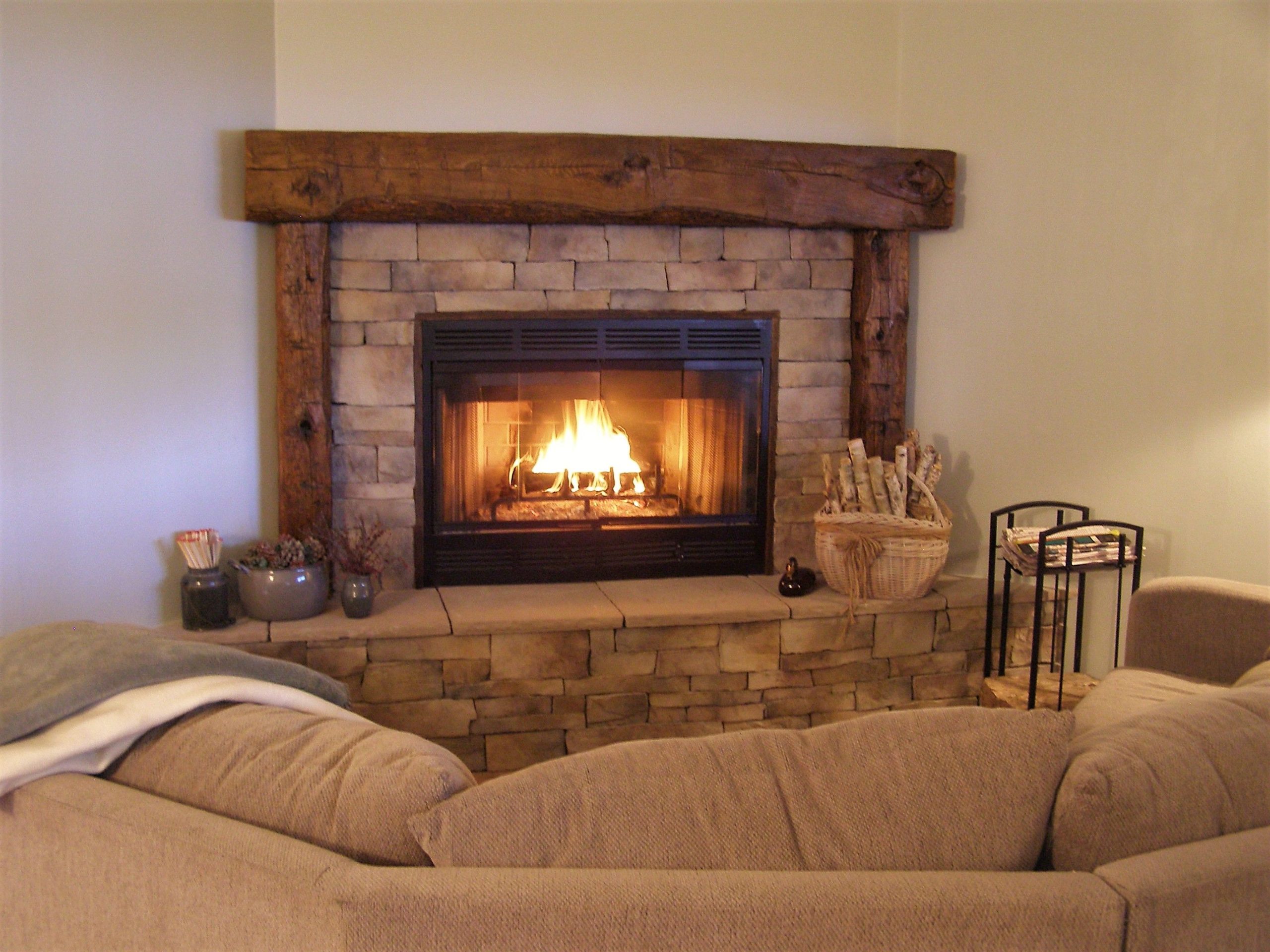
There’s something about walking into a room and feeling instantly grounded. You know that feeling? It’s not just the temperature or the lighting. It’s often the textures. Specifically, the heavy, weathered beam sitting above the fire. In 2026, as we continue to seek comfort in our homes amidst a fast-paced digital world, the demand for these pieces hasn’t just stayed steady—it’s grown. But here’s the thing. Not every piece of "old" wood is created equal. There is a massive difference between a plank that was artificially distressed last Tuesday and one that actually lived a life before it became part of your living room.
We aren’t just talking about decor. We are talking about history. When you install an authentic reclaimed mantel, you are inviting a ghost into your home. A good one. Maybe it was part of a barn in Vermont that stood through three centuries of winters. Maybe it was a factory floor in Chicago where workers built cars for decades. That wood has absorbed sweat, smoke, sunlight, and time. It holds a narrative. And frankly, that story is worth more than the aesthetic alone. It changes how a space feels. It makes it real.
So, why do we care so much about this now? Perhaps because everything else feels temporary. Our phones update every year. Trends shift monthly. But a hundred-year-old oak beam? That’s not going anywhere. It’s an anchor. Understanding what makes these mantels authentic—and why that matters—is key to choosing a piece that truly resonates. It’s not just about buying furniture. It’s about adopting a piece of heritage. Let’s dig into the dirt and sawdust to find out what’s really going on with these beloved architectural elements.
Where the Wood Comes From: Tracing the Origins
You might think reclaimed wood is just old lumber picked up from a demolition site. If only it were that simple. The best pieces have a provenance. In the industry, we call this "chain of custody," but let’s just call it knowing where your stuff comes from. In 2026, transparency is huge. Buyers want to know if that beam came from a sustainable deconstruction project or if it was illegally sourced from a protected structure. The origin defines the character.
Take heart pine, for example. This isn’t just any pine. It comes from the longleaf pine forests of the American South, trees that grew slowly over hundreds of years before being harvested in the 18th and 19th centuries. Because they grew so slowly, the rings are tight, making the wood incredibly dense and resistant to rot. When you see a mantel made from heart pine, you’re looking at wood that likely came from old-growth forests that don’t exist anymore. It’s finite. Once it’s gone, it’s gone. That scarcity adds a layer of value that new wood simply can’t match.
Then there’s the industrial side. Think old factories, warehouses, and mills. These structures often used hardwoods like oak, maple, or even exotic woods imported for specific machinery parts. The wood from these sites tells a different story. It’s marked by oil stains, metal indentations, and a patina earned through hard labor. A mantel made from a factory floorboard carries the weight of industry. It’s rugged. It’s tough. And it looks amazing against a modern, clean-lined sofa. Knowing the source helps you connect emotionally. Are you drawn to the agrarian calm of a barn? Or the gritty energy of a city loft? The wood chooses you, in a way.
The Marks of Time: Reading the Physical History
Authenticity is in the details. You can’t fake age convincingly, not really. Sure, you can beat new wood with chains and stain it dark, but the eye knows. Real reclaimed wood has irregularities that come from natural processes and human use over decades. Look for nail holes. Not perfect, drilled holes, but the jagged, rusted remnants of square-cut nails from the 1800s. These holes often have a unique shape because the metal expanded and contracted with the wood over time.
Check for saw marks. Before the mid-19th century, wood was cut by hand or by water-powered sash saws, which left distinct ripple patterns on the surface. Later, circular saws left straight, uniform marks. If you see these subtle ridges, you’re looking at genuine history. Also, look at the color. Real aged wood doesn’t just get darker; it changes tone. Oak turns golden or honey-colored. Pine deepens to a rich amber. This happens due to oxidation and exposure to light, a process that takes decades to develop naturally. Artificial staining usually sits on top of the grain, whereas natural aging penetrates it.
Another telltale sign is the checkering or cracking. As wood dries out over many years, it shrinks and splits. These checks are random and organic. They follow the grain. Fake distressing often creates cracks that look too uniform or go against the grain logic. Don’t be afraid of imperfections. In fact, embrace them. A knot that fell out, leaving a void? That’s character. A patch where a repair was made fifty years ago? That’s a story. These features prove the wood survived. It endured. And now, it’s ready to endure in your home. It’s kinda beautiful when you think about it.
Sustainability and the Green Choice
Let’s talk about the environment. In 2026, sustainability isn’t just a buzzword; it’s a necessity. Using reclaimed wood is one of the most eco-friendly choices you can make in home design. Why? Because the carbon is already locked in. When you cut down a new tree, you release stored carbon and reduce the forest’s ability to absorb more. When you reuse old wood, you keep that carbon sequestered. Plus, you avoid the energy-intensive processes of logging, milling, and transporting new lumber.
Consider the waste aspect. Demolition typically sends tons of usable material to landfills. By salvaging beams and planks, we divert that waste. It’s a form of urban mining. We are extracting valuable resources from existing structures instead of digging them out of the earth. This reduces the strain on our landfills and lowers the demand for virgin timber. For homeowners who care about their footprint, a reclaimed mantel is a tangible statement. It says, “I value what already exists.”
But it’s not just about carbon. It’s about quality. Old-growth wood is simply better than most new wood available today. Modern forestry focuses on fast-growing species that are harvested young. This wood is softer, less stable, and more prone to warping. Reclaimed wood, having already acclimated to its environment over a century, is stable. It’s less likely to twist or crack further once installed. So, you’re getting a product that is both environmentally superior and structurally superior. It’s a win-win. And honestly, it feels good to buy something that doesn’t hurt the planet.
Design Versatility: Fitting Old Wood in New Spaces
Some people worry that reclaimed wood will make their home look like a cabin or a museum. That’s a myth. The beauty of these mantels is their versatility. They work in almost any design style, from ultra-modern minimalist to cozy farmhouse. The key is contrast. A rough, weathered beam looks stunning against a sleek, white plaster wall. The texture of the wood pops. It becomes a focal point without overwhelming the space. It adds warmth to cold, modern materials like steel and glass.
In contemporary homes, a reclaimed mantel softens the edges. Modern design can sometimes feel sterile or clinical. Wood brings in nature. It brings in humanity. Imagine a living room with concrete floors and metal accents. Add a thick, dark oak mantel above the fireplace. Suddenly, the room feels inviting. It feels lived-in. The wood acts as a bridge between the harshness of industrial materials and the comfort of home. It’s a balancing act, and reclaimed wood is the perfect counterweight.
For traditional spaces, it adds depth. Instead of a pristine, painted mantel that might look flat, a reclaimed piece offers visual interest. The variations in color and grain create a dynamic surface that changes with the light throughout the day. Morning sun might highlight the golden tones; evening firelight might bring out the deep reds and browns. It’s interactive. It’s alive. And because each piece is unique, your mantel will be one-of-a-kind. No one else will have the exact same pattern of knots and grains. That exclusivity is hard to beat.
The Process: From Salvage to Installation
Getting a reclaimed mantel into your home isn’t like buying a bookshelf off the shelf. It’s a process. First, the wood must be carefully deconstructed. This is delicate work. Rushing can damage the beams. Skilled salvagers take apart structures piece by piece, preserving the integrity of the wood. Once removed, the wood goes through a cleaning process. This involves removing old nails, metal straps, and debris. It’s often kiln-dried to kill any pests and stabilize the moisture content. This step is crucial. If the wood isn’t properly dried, it could warp or shrink after installation, causing gaps or cracks.
Next comes the milling. Depending on the desired look, the wood might be planed smooth, wire-brushed to enhance the grain, or left rough-sawn. This is where the aesthetic is refined. Do you want a polished, sophisticated look? Go for planed. Do you want rustic charm? Keep it rough. The craftsman will then shape the mantel. This could be a simple beam or a more complex design with corbels and shelves. Precision is key here. The joinery must be strong to support the weight and withstand the heat of the fireplace.
Installation requires expertise. Reclaimed wood is heavy. Very heavy. A solid oak beam can weigh hundreds of pounds. Proper structural support is essential. This often means installing hidden steel brackets or reinforcing the wall framing. It’s not a DIY job for the faint of heart. Hire professionals who understand the nuances of working with old wood. They’ll know how to handle the irregularities and ensure a secure fit. The result? A seamless integration that looks like it’s always been there. It’s worth the effort. Trust me.
Once installed, your reclaimed mantel needs care. But don’t panic. It’s not high maintenance. In fact, one of the joys of reclaimed wood is that it’s already been through the wringer. It’s tough. However, it’s still wood, and it reacts to its environment. Keep the humidity in your home relatively stable. Extreme fluctuations can cause the wood to expand and contract, leading to cracks. Use a humidifier in winter if your air gets too dry. This protects not just your mantel, but your whole house.
Cleaning is simple. Dust regularly with a soft cloth. Avoid harsh chemicals or abrasive cleaners. They can strip the natural oils and damage the patina. If you need to clean a spill, use a damp cloth and mild soap. Dry it immediately. Over time, you might want to refresh the finish. This depends on the original treatment. Some mantels are oiled, others waxed, and some left bare. Consult with your supplier or a wood care expert to determine the best product. Generally, a fresh coat of beeswax or tung oil can revive the luster and protect the surface.
Embrace the changes. Wood is a living material, even after it’s harvested. It will continue to age. The color might deepen. Small cracks might appear. This is normal. It’s part of the story. Don’t try to freeze it in time. Let it evolve. These changes add to the character. They show that the wood is still interacting with its environment. After all, that’s what makes it special. It’s not a plastic replica. It’s real. And real things change. Accepting this imperfection is part of loving reclaimed wood. It’s a relationship, not just a purchase.
So, there you have it. The story behind authentic reclaimed wood fireplace mantels is rich and layered. It’s about history, sustainability, design, and care. It’s about connecting with the past while building for the future. In 2026, as we look for meaning in our possessions, these pieces offer a rare depth. They remind us of where we’ve been and ground us in the present. Whether you’re drawn to the rustic charm of a barn beam or the industrial edge of a factory floor, there’s a piece out there with your name on it. Just remember to look closely. Ask questions. And listen to the wood. It has a lot to say. And honestly? It’s worth listening to.