There is something deeply calming about standing in a garden where everything has its place. You know the feeling. The air smells sweet, the lines are crisp, and your eyes just rest. It’s not chaotic. It’s not wild. It’s ordered. In a world that often feels like it’s spinning off its axis, a formal rose garden offers a quiet promise of stability. It’s a sanctuary built on balance.
But let’s be honest. Getting that balance right? It’s harder than it looks. Many people think "formal" means stiff or boring. They imagine rigid rows of red roses that look like they were planted by a robot. That’s a myth. True symmetry isn’t about rigidity. It’s about harmony. It’s about creating a space that feels intentional, where every petal and path contributes to a larger, beautiful whole. As we move through 2026, the trend isn’t moving away from formality, but rather softening it. We are seeing a blend of classic structure with lush, romantic planting. It’s the best of both worlds.
So, how do you achieve this? How do you take a patch of dirt and turn it into a masterpiece of mirror images and geometric grace? It starts with understanding that symmetry is more than just drawing a line down the middle. It’s a mindset. It’s a way of seeing space. Whether you have a sprawling estate or a modest backyard plot, the principles remain the same. Let’s dive into the details. Let’s explore how you can master the art of the formal rose garden this year.
The Geometry of Grace: Laying the Foundation
Before you buy a single plant, you need a plan. And I don’t mean a rough sketch on a napkin. I mean a real, measured layout. Formal gardens are born from geometry. Think squares, circles, rectangles, and grids. These shapes provide the skeleton of your design. Without a strong skeleton, the flesh of the garden will sag. It will look messy.
Start by defining your central axis. This is the spine of your garden. It could be a wide gravel path, a strip of manicured lawn, or even a line of low boxwood hedges. Everything else radiates from or aligns with this line. If you stand at one end and look down this axis, what you see on the left should be mirrored on the right. This doesn’t mean identical plants, necessarily. It means identical visual weight. If you have a tall climbing rose on the left, you need something of similar height and bulk on the right. Maybe it’s a different variety, but it must balance the eye.
In 2026, we are seeing a shift towards softer geometries. While strict grids are still popular, many designers are opting for curved parterres or circular beds within a square frame. This adds a bit of movement. It breaks the monotony. According to recent insights from The Garden Crafter, arranging roses in geometric patterns like grids or circles is key for a formal layout. But remember, the geometry is just the stage. The roses are the actors. Make sure the stage is level. Use stakes and string to mark out your beds. Precision here saves you headaches later. A crooked bed is hard to fix once the roses are in the ground.
Choosing Roses That Play Nice Together
Not all roses are created equal when it comes to formal design. You can’t just pick the prettiest ones from the catalog. You need roses that behave. What does "behave" mean? It means they grow in a predictable shape. It means they bloom at the same time. It means they stay roughly the same size. If one rose grows six feet tall and its neighbor stays at three feet, your symmetry is broken. The balance is gone.
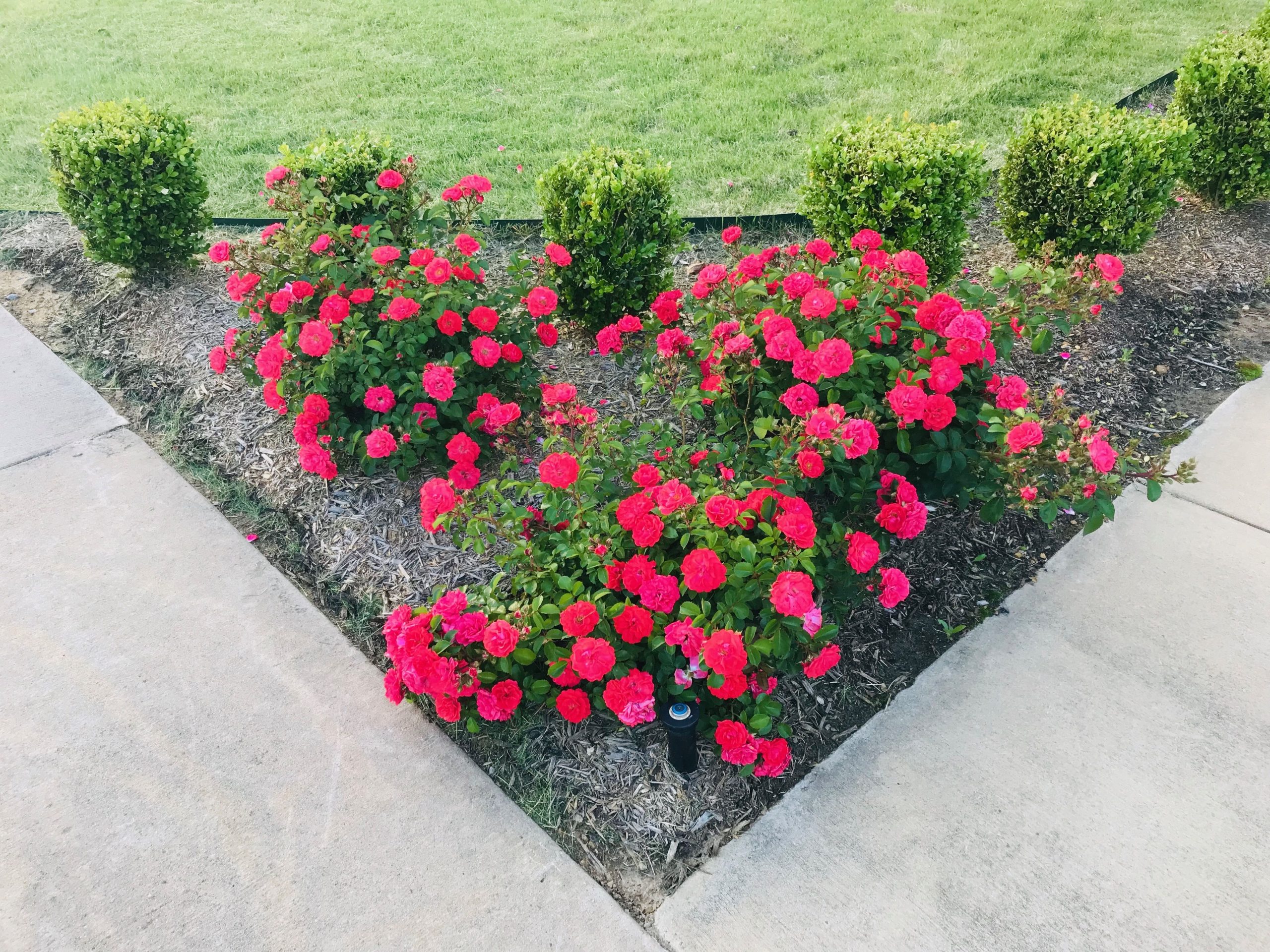
Hybrid Teas are the classic choice for formal beds. They have that upright, elegant habit that looks great in rows. Floribundas are another good option, offering clusters of blooms that create a solid wall of color. But don’t ignore the newer shrub roses. Many modern varieties, like those from David Austin, offer the old-world charm of cupped blooms with the disease resistance and repeat flowering of modern breeds. Yardcast notes that English David Austin gardens are a huge trend in 2026, blending formal structures with romantic blooms.
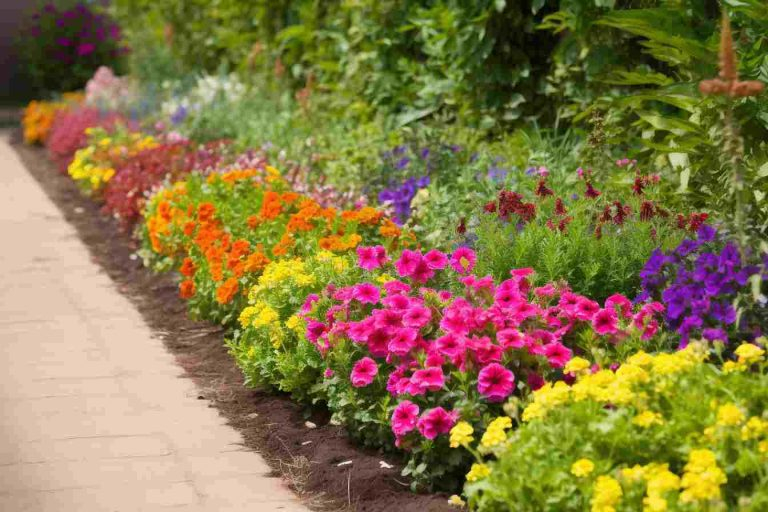
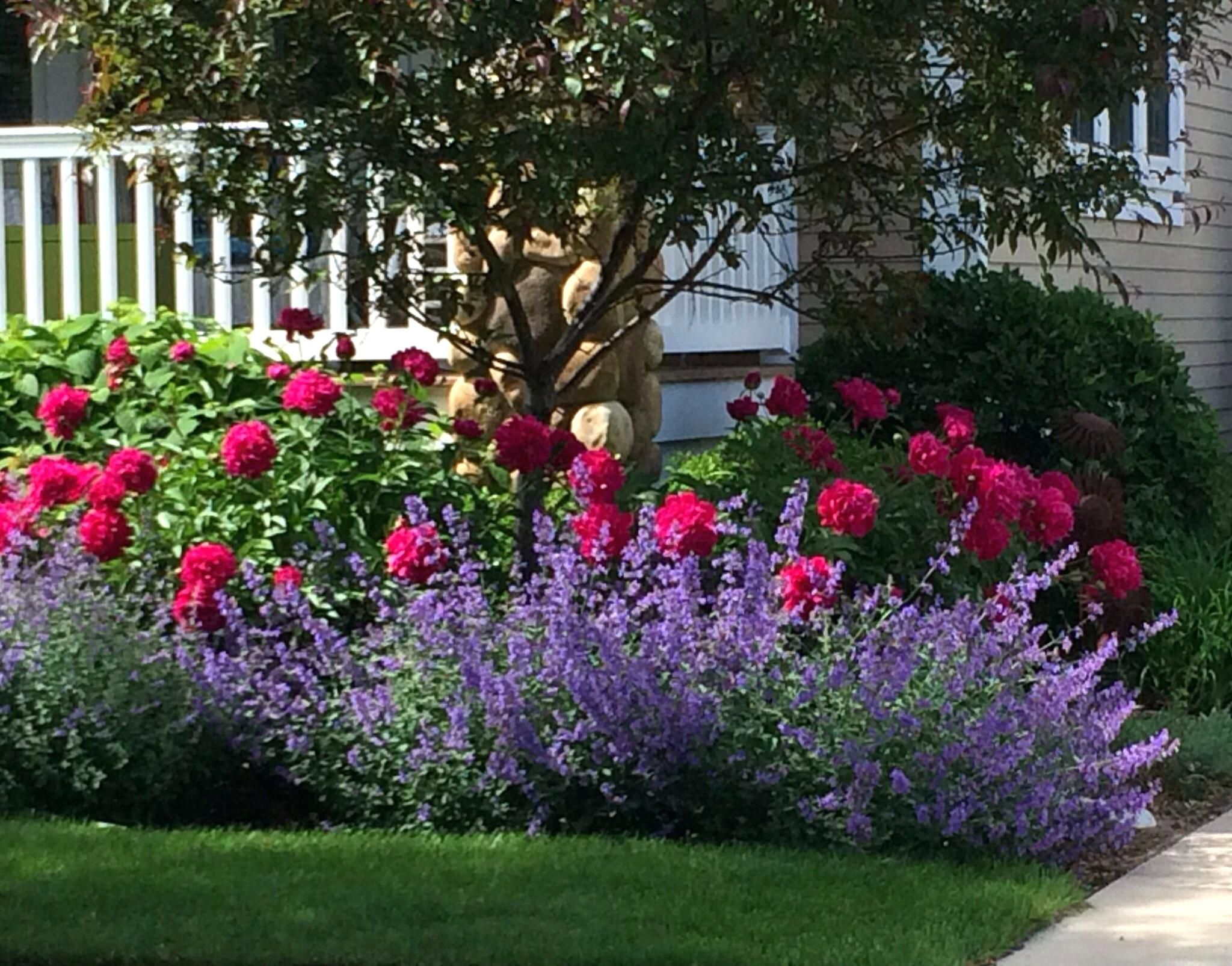
Color coordination is crucial. In a formal garden, less is often more. Stick to a controlled palette. Monochromatic schemes (all white, all pink) are incredibly sophisticated. Or, try a complementary scheme, like purple and yellow, but keep the tones consistent. Avoid the "fruit salad" effect where every color fights for attention. You want harmony. Also, consider fragrance. A formal garden is a sensory experience. Place the most fragrant varieties near paths or seating areas so guests can enjoy the scent as they stroll. Aquarius Landscaping suggests underplanting with a controlled color scheme of shallow-rooted annuals or perennials to add depth without competing with the roses.
The Power of the Path: Guiding the Eye
Paths are not just for walking. In a formal garden, they are design elements. They define the space. They create the rhythm. A well-designed path system reinforces the symmetry. It leads the eye to focal points. It invites exploration. But it also keeps feet off the mulch. This is practical. It protects the roots of your roses.
Material matters. Gravel is a classic choice. It crunches underfoot, adding an auditory layer to the experience. It drains well and looks neat. Stone pavers are another option, offering a more permanent, structured feel. Brick adds warmth and a touch of rustic charm, which can soften the formality. Whichever material you choose, keep it consistent. Don’t mix gravel and stone randomly. That creates visual noise.
Width is important too. Main paths should be wide enough for two people to walk side-by-side. This encourages social interaction. It makes the garden feel welcoming. Secondary paths can be narrower. Sharon Sable emphasizes that a formal rose garden should include paths and borders lined with roses, making it easy to navigate. It’s also important to provide ample space for guests to roam and appreciate the many varieties. Think about the view from the path. What do you see as you walk? Frame the views. Use arches or obelisks at intersections to create "rooms" within the garden. This adds mystery and depth.
Hardscape and Structure: The Bones of Beauty
Roses are soft. They are fluid. They change with the seasons. To anchor them, you need hard elements. Statues, fountains, benches, and arbors. These are the focal points. They give the eye a place to rest. In a symmetrical design, these elements are often placed at the center of the axis or at the ends of major paths.
A central fountain is a timeless choice. The sound of water masks neighborhood noise. It adds a cooling effect in summer. A statue can add a sense of history and gravitas. But don’t overdo it. One strong focal point is better than five weak ones. Let it shine. Surround it with your best roses.
Vertical elements are also key. Climbing roses need support. Trellises, arches, and pergolas provide this. They also add height. A flat garden can feel dull. Adding vertical layers creates interest. Train your climbers carefully. Tie them horizontally to encourage more blooms. This is a pro tip. Horizontal training breaks the dominance of the main stem and encourages side shoots, which produce flowers. Landscaping Duty highlights the importance of strategic plant choices and detailed planning to transform any outdoor space into a timeless masterpiece. Don’t let your climbers run wild. Keep them trimmed and tidy. They should enhance the structure, not overwhelm it.
Maintenance: The Secret to Symmetry
Here is the truth nobody wants to hear: Formal gardens are high maintenance. Symmetry doesn’t happen by accident. It happens because someone is out there with shears, deadheading, pruning, and weeding. Regularly. If you neglect a formal garden, it quickly looks sloppy. The lines blur. The balance tips.
Pruning is the most critical task. Roses need hard pruning in late winter or early spring. This encourages strong new growth. During the season, deadhead spent blooms. This keeps the plants looking neat and encourages more flowers. Don’t let hips form unless you want a specific autumn display. Keep the shapes uniform. If one bush gets leggy, trim it back to match its neighbors.
Mulching is your friend. It suppresses weeds. It retains moisture. It gives the beds a finished look. Use a uniform mulch, like shredded bark or cocoa hulls. Keep it topped up. Weeds are the enemy of symmetry. A single dandelion in a perfect bed screams "neglect." Pull them immediately. Flower Garden News mentions Michael Marriott, a renowned rosarian, who emphasizes the importance of considering the layout when planning. Part of that planning is acknowledging the work required. Be realistic about how much time you have. If you can’t handle the upkeep, scale down the design. A small, well-kept formal garden is better than a large, unkempt one.
You don’t need an acre to create a formal rose garden. Symmetry works in small spaces too. In fact, it can make a small yard feel larger. By creating order, you reduce visual clutter. The eye travels further. It perceives more space.
For small gardens, simplify the geometry. A single circular bed in the center of a lawn is striking. Or, two rectangular beds flanking a narrow path. Keep the plant list short. Too many varieties in a small space look chaotic. Stick to two or three types of roses. Repeat them. Repetition creates rhythm. It reinforces the theme.
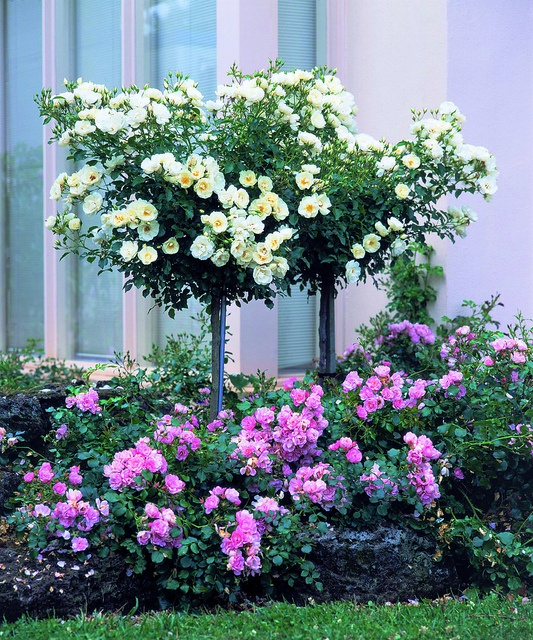
Use mirrors or reflective surfaces to double the visual impact. A mirror on a fence can reflect the roses, making the garden feel twice as big. Just be careful with placement. You don’t want to blind birds or neighbors. Container gardening is another option. Large pots filled with standard roses (roses grafted onto a tall stem) can be arranged symmetrically on a patio. This brings the formal aesthetic to your doorstep. Rosepedia notes that formal rose gardens offer a sense of timeless beauty and sophistication, regardless of size. The key is proportion. Ensure the size of the roses matches the size of the space. Don’t cram giant climbers into a tiny courtyard. Choose compact varieties.
Creating a formal rose garden is a journey. It’s not just about planting flowers. It’s about creating a space that reflects your desire for order and beauty. It’s about finding peace in the pattern. As you plan your garden for 2026, remember that symmetry is a tool, not a rule. Use it to guide your design, but don’t let it stifle your creativity. Let the roses breathe. Let them spill over the edges a little. Let the scent drift on the breeze.
The perfect formal garden isn’t perfect. It’s alive. It changes with the light. It shifts with the seasons. It requires care, yes. But the reward is a space that nourishes the soul. It’s a place where you can escape the chaos of the world and find a moment of stillness. So grab your spade. Draw your lines. Plant your roses. And watch as symmetry brings balance to your life, one bloom at a time. It’s worth the effort. Truly.