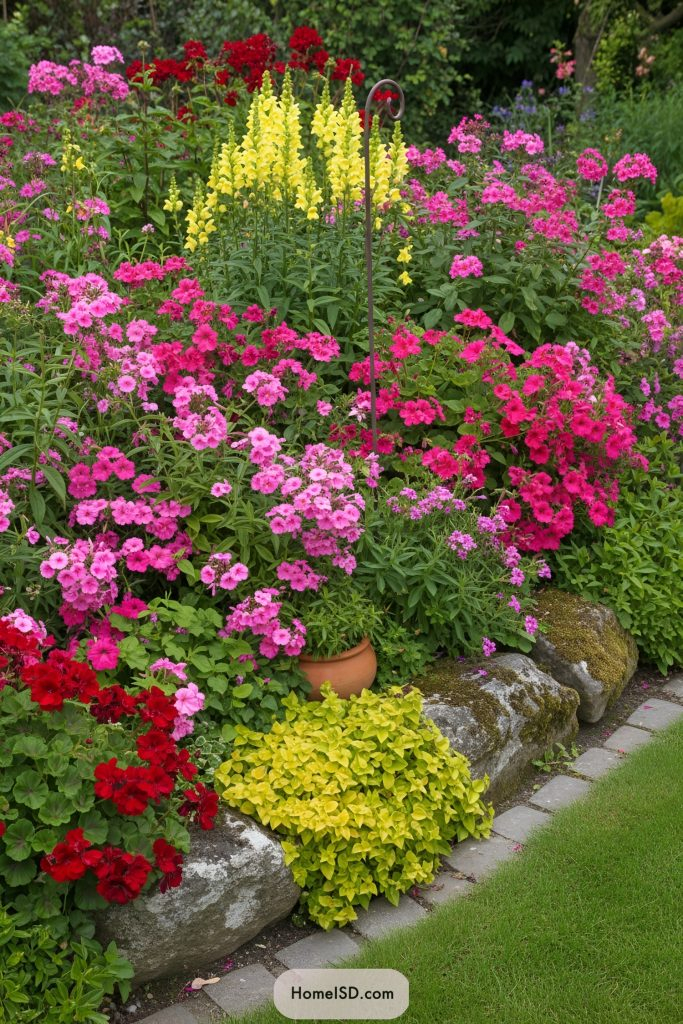
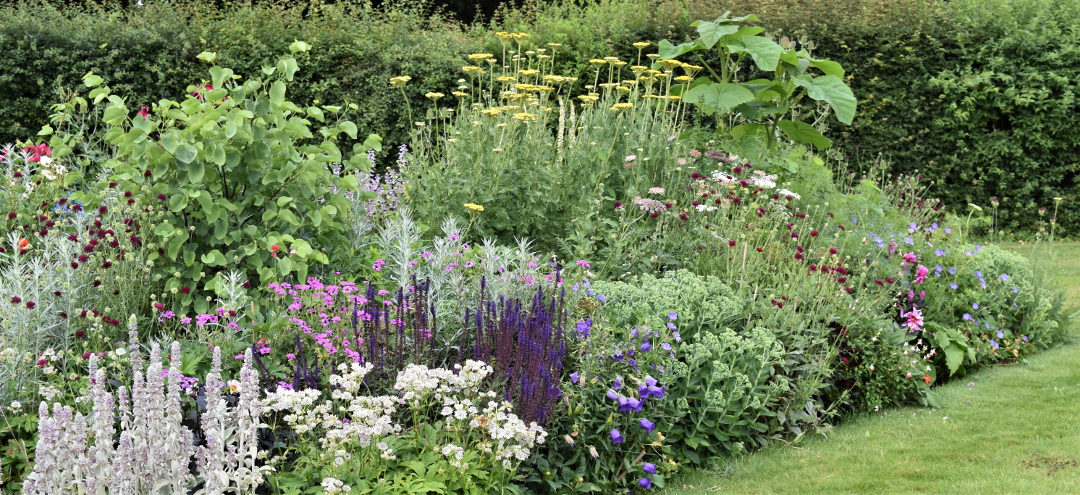
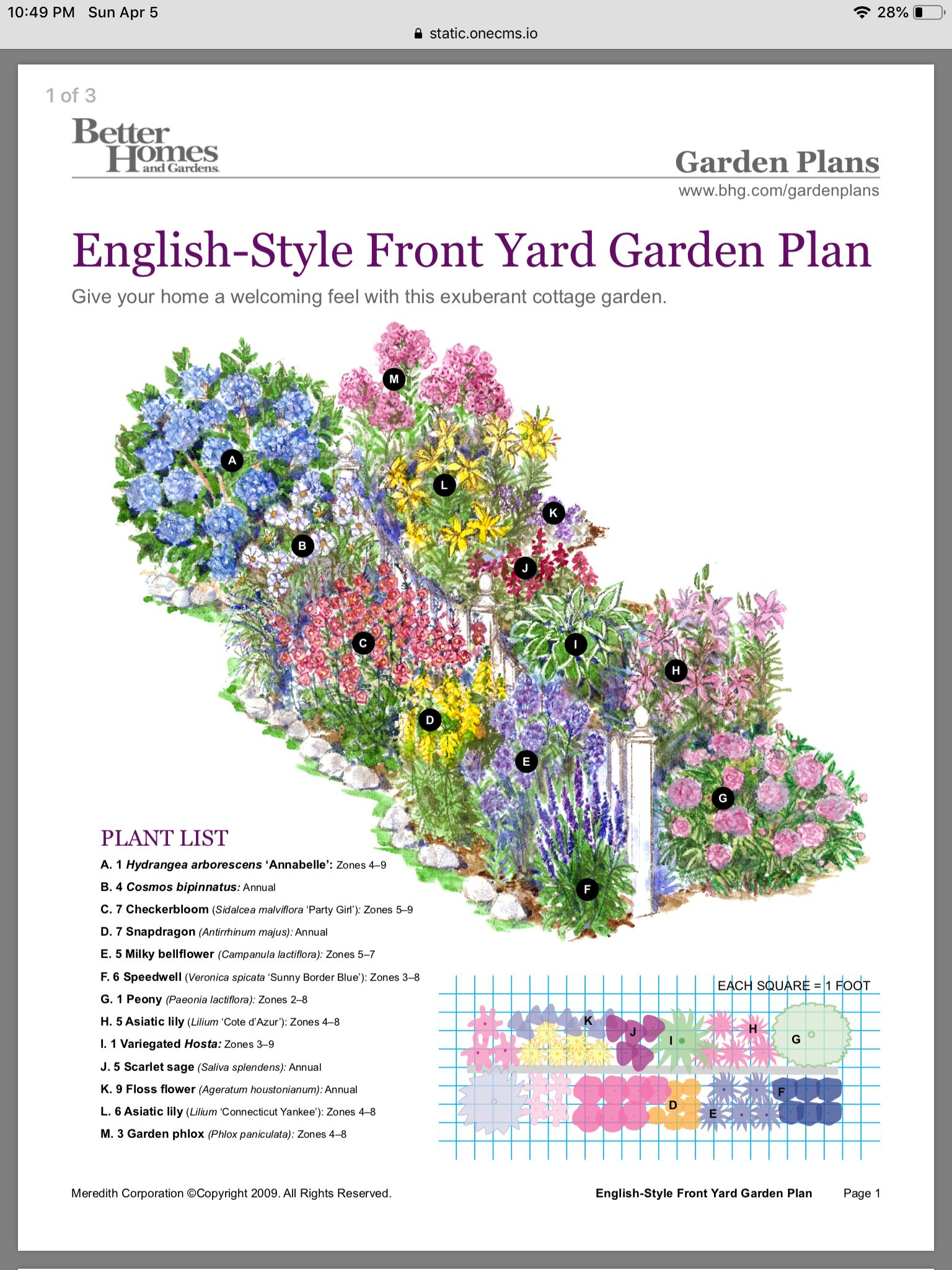
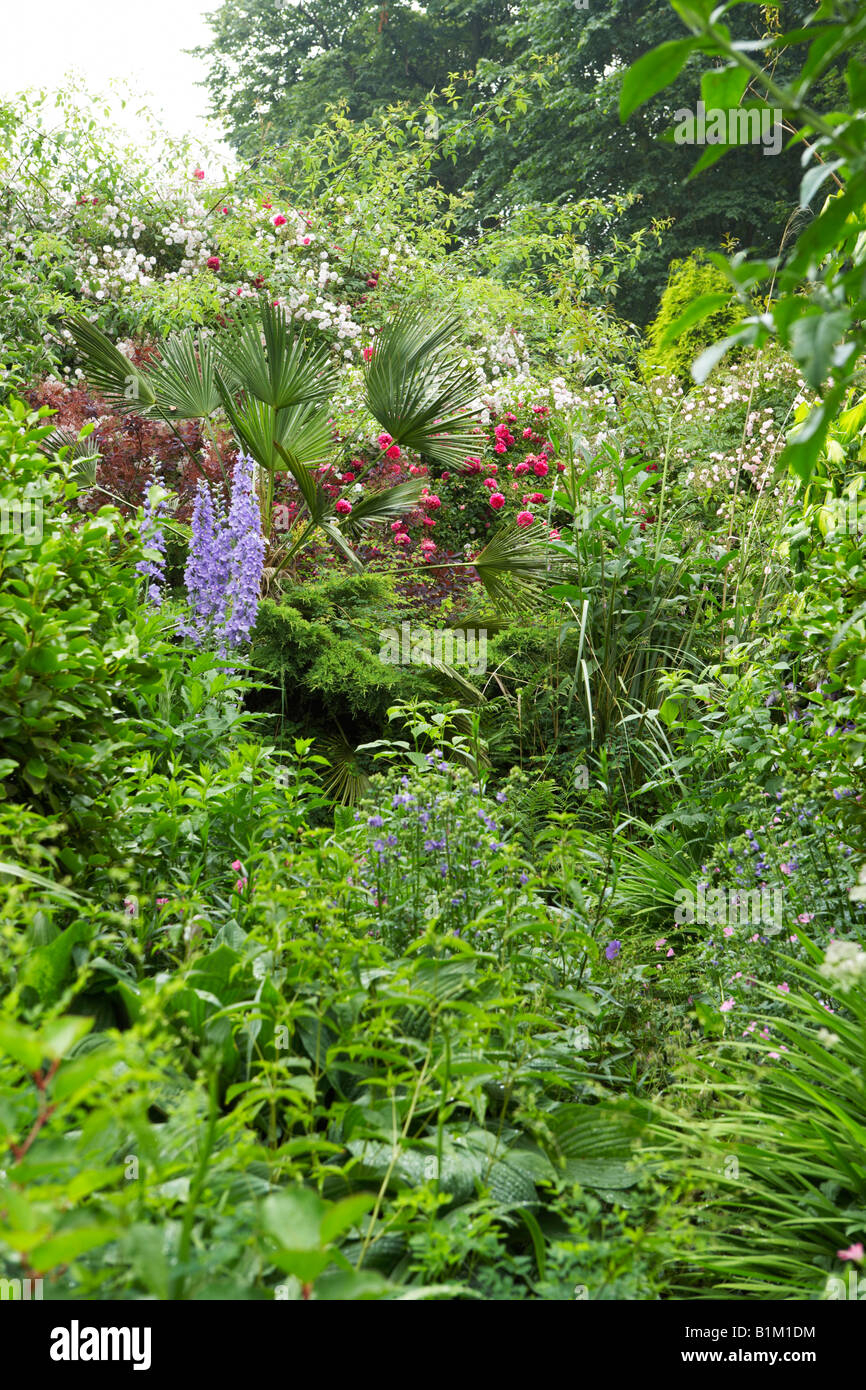
There is something undeniably magical about stumbling upon a garden that looks like it grew itself. You know the type. It’s overflowing with color, slightly unruly, and smells like honey and damp earth. It doesn’t look designed by a committee. It looks loved. For decades, the English cottage aesthetic has captured our imaginations, not because it is perfect, but because it is alive. In 2026, as we continue to seek sanctuaries from the digital noise of modern life, this style feels more relevant than ever. It is a return to slowness. A nod to nostalgia.
But here is the thing most people miss. That "accidental" look? It is actually quite deliberate. You cannot just throw seeds at a wall and hope for the best. Well, you can, but the result might be more weed patch than paradise. The true art lies in choosing the right partners for your plot. It is about understanding which plants play well together, which ones will climb over your fence without strangling your roses, and which herbs will scent the air when you brush past them on a Tuesday evening.
Let’s be honest. Gardening can feel intimidating. There are so many rules, so many Latin names, and so many ways to kill a fern. But the cottage garden is forgiving. It welcomes mistakes. If a plant dies, another takes its place. If a flower blooms too early, there is always another waiting in the wings. This guide is not about rigid structures or perfection. It is about helping you pick the plants that will turn your outdoor space into a living, breathing piece of art. A place where you want to linger. A place that feels like home.
Understanding the Soul of the Cottage Garden
Before we dig into specific species, we need to talk about vibe. The English cottage garden is not defined by a single color or a specific layout. It is defined by an attitude. It is informal. It is dense. It is layered. Think of it less like a museum exhibit and more like a crowded, happy dinner party where everyone is talking at once. The goal is abundance. You want the eye to travel constantly, never resting on bare soil for too long.
In recent years, specifically leading up to 2026, there has been a shift in how we approach this style. It is no longer just about importing British plants to non-British climates. It is about capturing the spirit of the cottage garden using plants that thrive in your local zone. This is crucial. A true cottage garden respects its environment. It does not fight the weather. It dances with it. This means choosing natives where possible, or hardy perennials that can handle your specific winters and summers without constant coddling.
The structure is also key, even if it looks hidden. Underneath the chaos of blooms, there is usually a skeleton of shrubs, paths, and vertical elements. This provides the framework that keeps the garden from looking like a jungle. Without this underlying order, the "whimsy" can quickly turn into "mess." So, as you plan, think about the bones of your garden first. Where are the paths? Where are the focal points? The plants will fill in the gaps, but they need a stage to perform on.
The Vertical Stars: Climbers and Tall Blooms
If the cottage garden has a heartbeat, it is likely the hollyhock. These tall, stately spikes are non-negotiable for the authentic look. They add height and drama, drawing the eye upward and breaking up the horizontal line of the border. In 2026, gardeners are favoring mixed colors—soft pinks, deep burgundies, and creamy whites—planted in loose groups rather than rigid rows. They lean against walls, fences, or sturdy stakes, creating a backdrop for the shorter plants. They are biennials, mostly, which means they take two years to bloom, but once they do, they self-seed freely. You plant them once, and they become part of your garden’s family forever.
Then there are the climbers. No cottage garden is complete without a rose scaling a wall or draping over an arch. But forget the high-maintenance hybrid teas. We are talking about old garden roses, ramblers, and climbers like ‘New Dawn’ or ‘Zéphirine Drouhin’. These varieties are tough. They are fragrant. And they look better when they are slightly wild. Let them tangle. Let them spill over. The imperfection is the point. Pair them with clematis, which can weave through the rose branches, adding bursts of purple or white in the summer. The combination of thorny stems and delicate clematis flowers is a classic pairing that never gets old.
Don’t forget foxgloves. While not climbers, they serve a similar vertical purpose. Their bell-shaped flowers nodding in the breeze add a touch of woodland mystery. They love partial shade, making them perfect for those tricky spots under trees or along the north side of a house. Like hollyhocks, they are short-lived perennials or biennials that self-seed. This natural regeneration is a hallmark of the cottage style. You are not just planting; you are curating a cycle of life.
The Heart of the Border: Essential Perennials
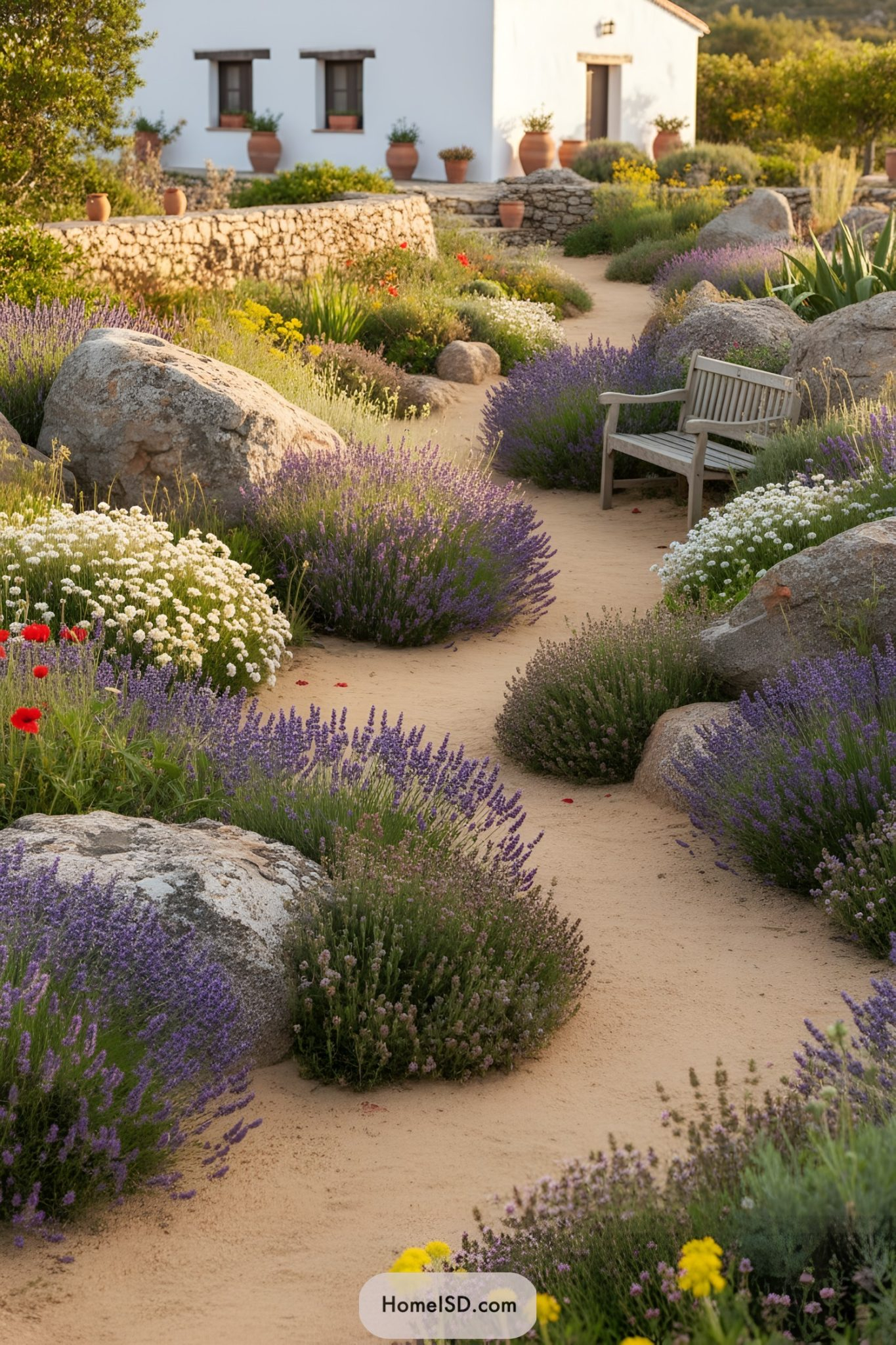
Now we get to the meat of the garden. The perennials that come back year after year, forming the lush, colorful carpet that defines the style. Lavender is perhaps the most iconic. Its silvery foliage provides a visual rest from the bright blooms, and its scent is unforgettable. In 2026, there is a huge emphasis on pollinator-friendly varieties, and lavender is a bee magnet. Plant it along paths where you can brush against it, releasing its fragrance. It also acts as a soft edge, spilling over stone or brickwork, softening the hard lines of the hardscape.
Peonies are another staple. Huge, blowzy, and incredibly romantic. They only bloom for a short time in late spring, but that burst of glory is worth the wait. Choose herbaceous peonies for the border, as they die back in winter and don’t require the support structures that tree peonies might. They pair beautifully with irises, which bloom just before them, ensuring a seamless transition of color. The key here is density. Do not space them out too much. You want them to jostle for position, creating a tapestry of texture.
Catmint (Nepeta) is the unsung hero of the cottage garden. It forms low, mounding clumps of blue-purple flowers that bloom for months. It is tough, drought-tolerant, and cats love it (hence the name). It fills in the gaps between taller plants, hiding the bare legs of roses and delphiniums. It is the glue that holds the border together. Without catmint, many cottage gardens would look disjointed. With it, everything feels connected. It is humble, yes, but indispensable.
Fragrance and Function: Herbs and Edibles
One of the most charming aspects of the traditional cottage garden was its utility. It was not just pretty; it was useful. Herbs were grown for cooking, medicine, and strewing on floors to freshen the air. Today, we can bring this practicality back. Rosemary, thyme, and sage are not just kitchen staples; they are beautiful ornamental plants. Rosemary can be trained into small trees or allowed to sprawl over walls. Thyme makes an excellent ground cover between stepping stones, releasing its scent when walked upon.
Consider adding a patch of chives or oregano. Their flowers are edible and attractive to bees. Chives produce lovely purple pom-poms in spring, while oregano creates a sea of tiny white or pink blossoms in summer. Integrating edibles into the flower border blurs the line between the vegetable patch and the ornamental garden. This is very much in line with the 2026 trend of "edible landscaping," where beauty and function coexist. It makes the garden feel more lived-in, more personal.
Do not overlook the simple joy of a fruit bush. A red currant bush, pruned into a standard, can look surprisingly elegant. Or let a raspberry cane ramble through a corner, supported by a rustic twig fence. The idea is to avoid the sterile separation of "food" and "flowers." In a cottage garden, a strawberry plant trailing over a rock is just as valuable as a rare orchid. It is all about the harmony of the whole.
Softening the Edges: Ground Covers and Fillers
Bare soil is the enemy of the cottage garden. It looks unfinished. It invites weeds. To achieve that lush, overflowing look, you need plants that spread and cover the ground. Creeping phlox is a classic choice for spring color, forming a carpet of pink, purple, or white. It spills over edges and softens the transition between lawn and border. It is low maintenance and reliable, two traits every gardener appreciates.
Alchemilla mollis, or Lady’s Mantle, is another essential. Its chartreuse, frothy flowers and scalloped leaves catch the dew in the morning, creating a sparkling effect that is pure magic. It is a fantastic filler, slipping in between other plants and tying them together with its soft, neutral color. It self-seeds, but not aggressively, making it easy to control. It adds a lightness to the border that heavier blooms lack.
For shadier spots, consider ferns or hostas. While not traditionally "cottage" in the sunny sense, modern cottage gardens embrace shade. Ferns add texture and a prehistoric coolness that contrasts nicely with soft flowers. Hostas provide broad leaves that anchor the planting. The key is to choose varieties with interesting leaf shapes or variegation to keep the interest high even when nothing is in bloom. Remember, the garden must look good in October as well as June.
While perennials provide the color, shrubs provide the permanence. They are the anchors that keep the garden from blowing away in a storm, literally and figuratively. Boxwood is traditional, often used for low hedging or topiary, but in 2026, many gardeners are opting for alternatives due to box blight issues. Ilex crenata or Buxus sempervirens substitutes are popular choices. They provide the same neat, green structure without the disease risk.
Hydrangeas are magnificent for cottage gardens. Specifically, Hydrangea paniculata and Hydrangea arborescens. They produce large heads of flowers in summer and autumn, adding bulk and longevity to the display. They are robust and can handle a bit of neglect. Plant them at the back of the border or as standalone features. Their dried heads in winter also add architectural interest, proving that the garden has value even in dormancy.
Finally, consider a small flowering tree. A crabapple, a rowan, or a dogwood. These add a higher layer to the garden, framing the view and providing berries for birds. They change with the seasons, offering blossom in spring, foliage in summer, and color in autumn. A garden without vertical diversity feels flat. A tree gives it scale. It reminds us that we are part of a larger ecosystem. It grounds the space.
Creating a timeless English cottage garden is not about following a strict recipe. It is about understanding the ingredients and knowing how to mix them. It is about patience. It is about observing what works in your specific patch of earth and celebrating it. The plants listed here are just the beginning. They are the trusted friends that have stood the test of time. But the real magic happens when you add your own touch. When you plant something because it reminds you of your grandmother’s yard. Or because you saw it on a walk and fell in love.
As we move through 2026, the desire for these spaces continues to grow. We crave connection. We crave beauty that is accessible and unpretentious. The cottage garden offers that. It asks for your labor, yes, but it gives back tenfold. It gives you peace. It gives you wonder. It gives you a place to breathe. So, start small. Pick one corner. Plant a hollyhock. Add some lavender. Watch what happens. Let the garden teach you. It knows what it is doing. You just have to listen.