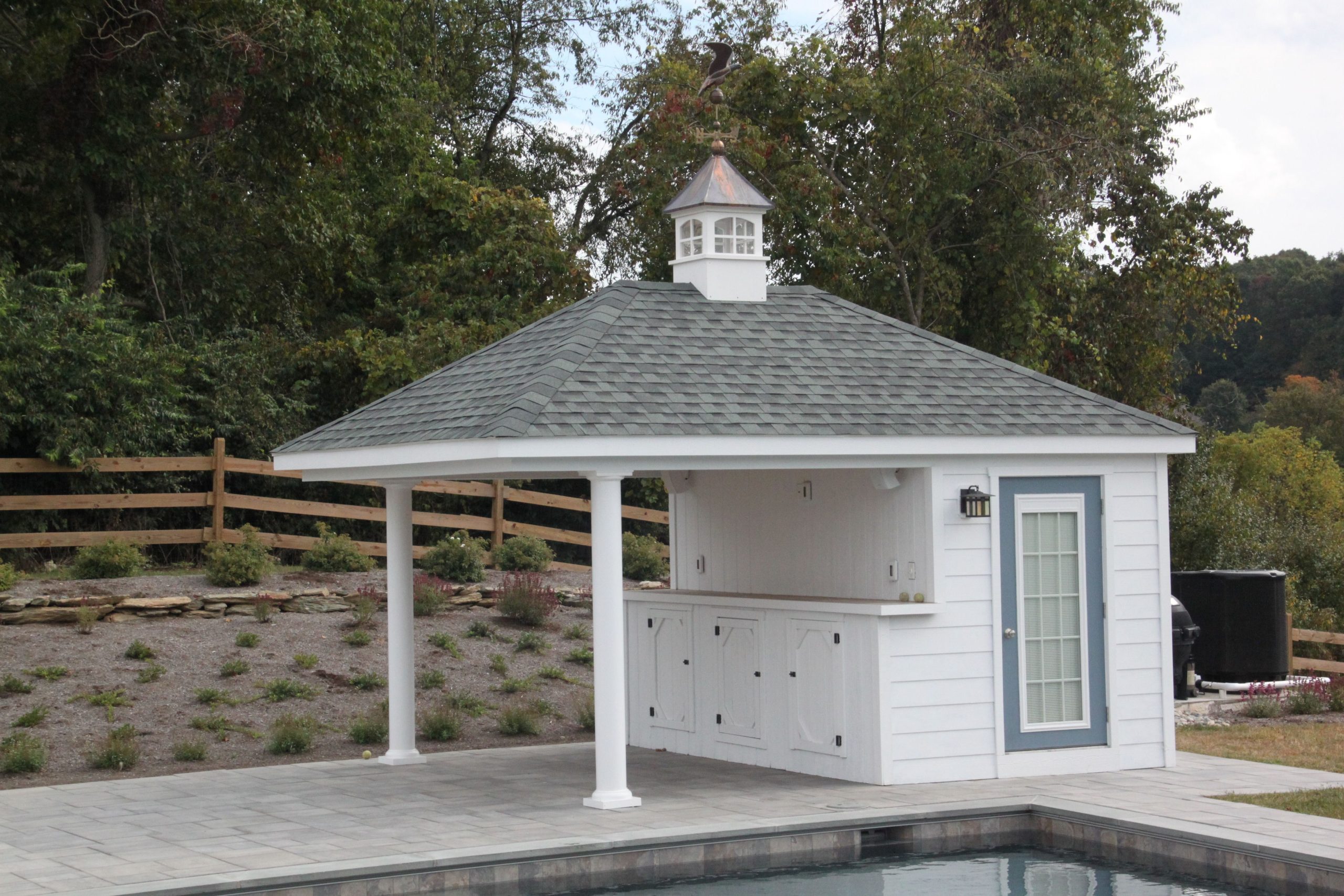
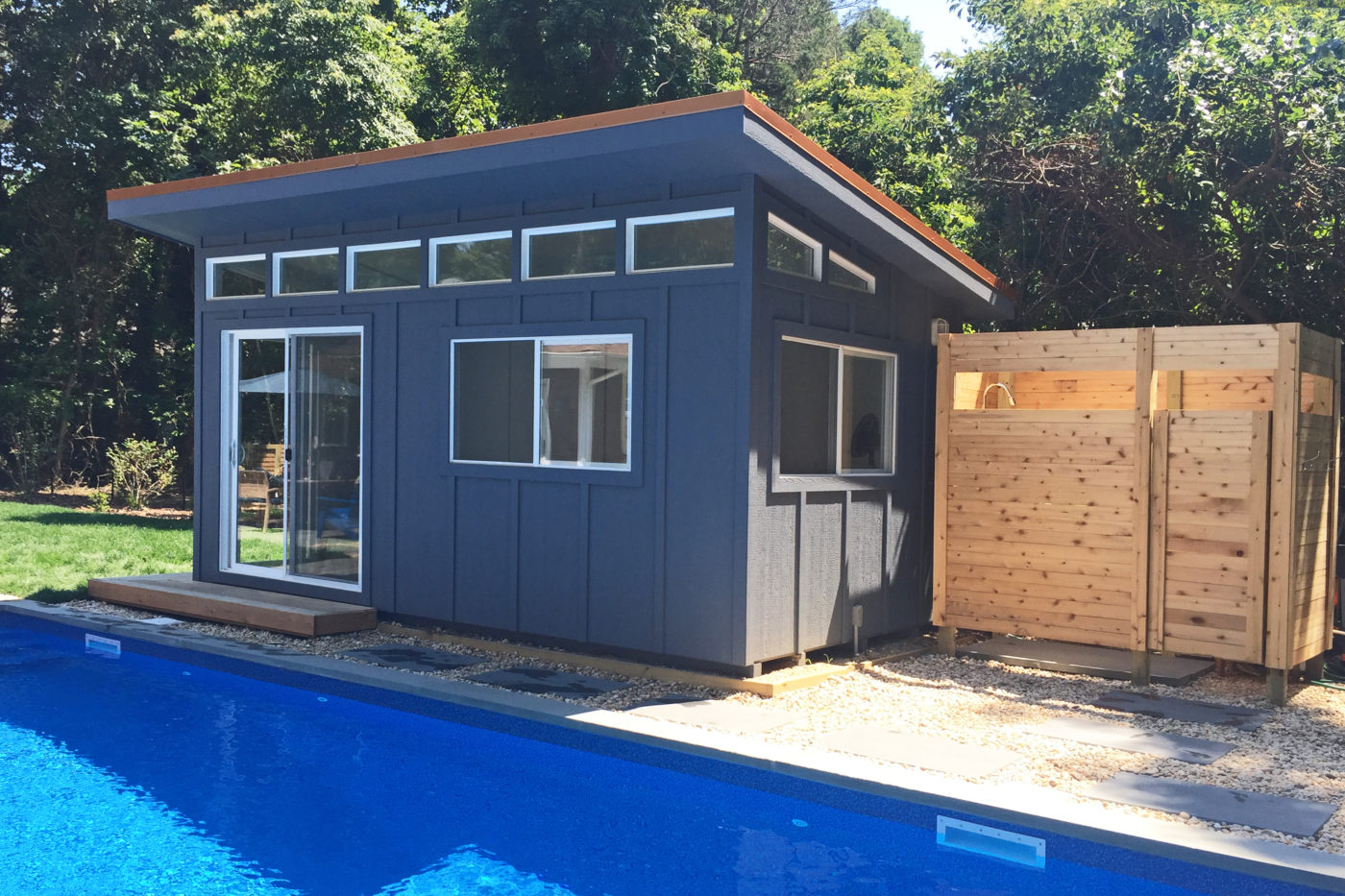
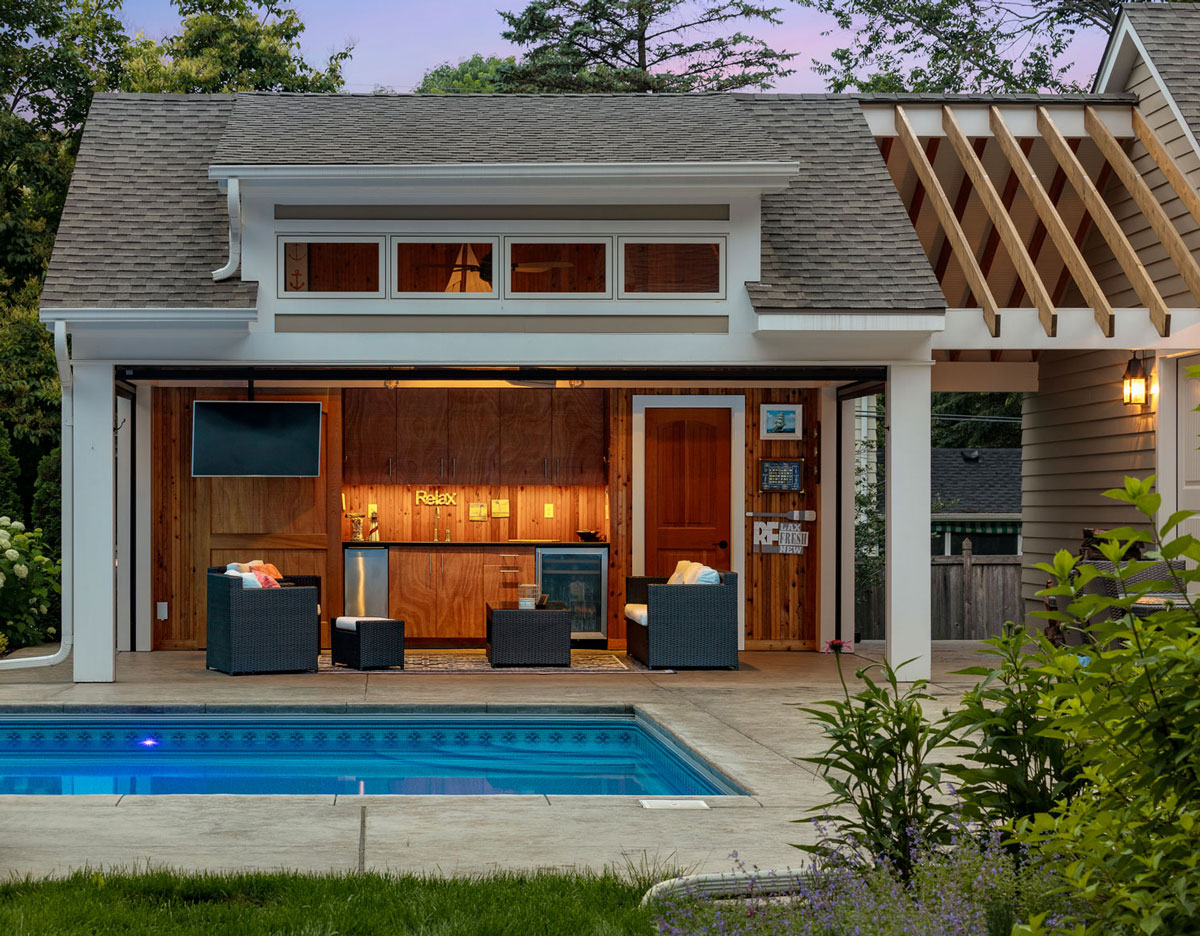
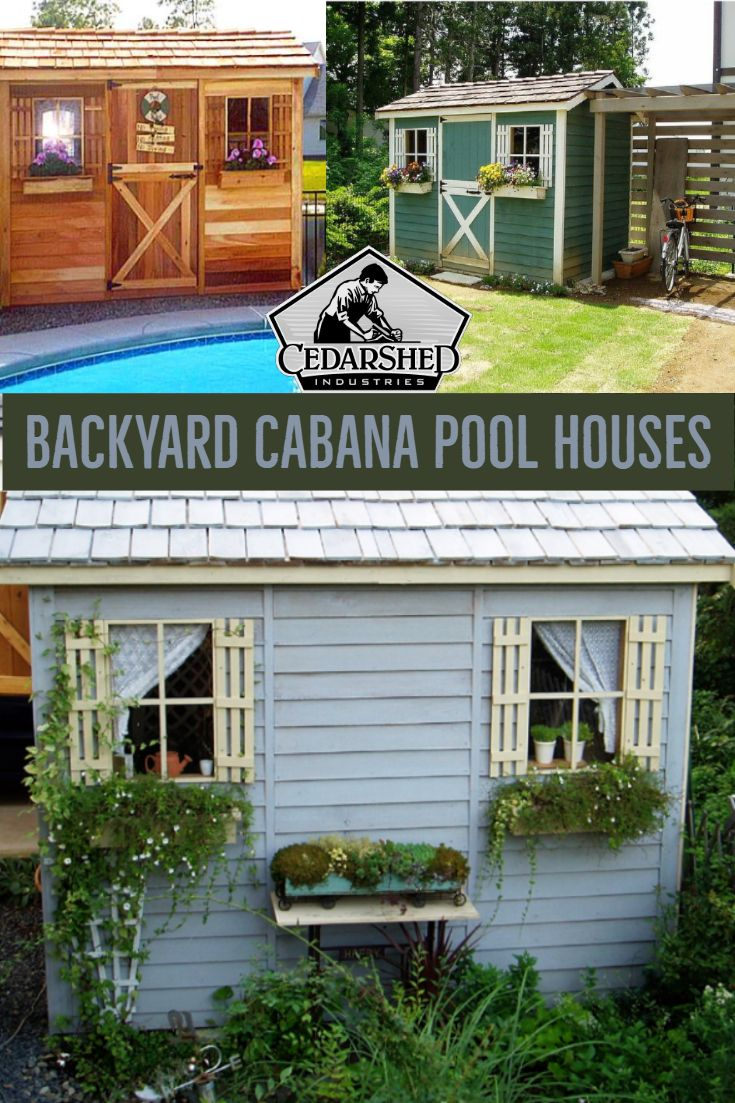
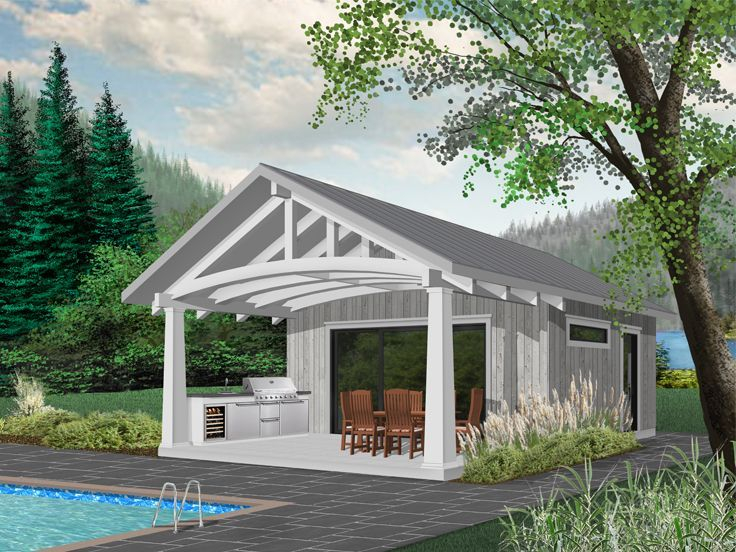
Ever looked at that sad, cluttered shed in the corner of your yard and thought, "There has to be more to this"? You’re not alone. For years, most of us treated pool houses as an afterthought—a dusty box for forgotten floaties and tangled hoses. But something shifted recently. Maybe it was the rise of staycations or just a collective desire to make our backyards feel like actual escapes. Whatever the reason, the humble shed is having a major moment. It’s no longer just storage; it’s a sanctuary.
In 2026, the trend isn’t about building massive structures that swallow your lawn. It’s about being clever. It’s about taking a tiny footprint—sometimes under 200 square feet—and turning it into a multi-functional hub. We’re talking about spaces that hide the ugly pump equipment while offering a chic spot to change, chill, or even host a small gathering. The magic lies in the layout. A well-designed small pool house doesn’t just sit there; it works hard. And honestly? It looks good doing it.
The Art of the Dual-Purpose Design
Let’s get real for a second. Most of us don’t have the budget or the space for a separate changing room, a equipment closet, and a lounge area. So, we mash them together. The key here is zoning. Even in a tiny shed, you can create distinct areas without building walls. Think vertical dividers, sliding screens, or even just strategic furniture placement. One side handles the messy stuff—chemicals, filters, nets—while the other offers a clean, dry zone for humans.
Modern layouts often use a "wet/dry" split. The entrance might feature a rugged, easy-to-clean floor for wet swimsuits and sandy feet. This transitions into a warmer, cozier area with wood accents or rugs for relaxing. By keeping the functional gear tucked away in built-in cabinets or behind slatted doors, the space feels open and inviting rather than industrial. It’s a simple trick, but it changes everything. You walk in, and instead of seeing a chaotic mess of pool supplies, you see a calm, curated retreat.
Consider the flow, too. If your shed is narrow, linear layouts work best. Place storage along one long wall and leave the other side open for movement. If it’s more square, think L-shaped configurations. Bench seating that doubles as storage lids is a classic move for a reason—it saves space and adds comfort. In 2026, we’re seeing more modular furniture that can be rearranged based on the season. Summer means more lounge space; winter means more storage for off-season gear. Flexibility is your best friend here.
Vertical Thinking and Hidden Storage
When floor space is scarce, look up. Seriously. The walls are your secret weapon. Floor-to-ceiling shelving units can store everything from tall pool noodles to bulky cleaning poles without eating up valuable square footage. But here’s the catch: it needs to look intentional, not like a hardware store exploded. Closed cabinetry is huge right now. Hiding the clutter behind sleek, weather-resistant doors keeps the visual noise down. A tidy space feels bigger. It just does.
Pegboards are making a comeback, but not the cheap plastic kind. We’re talking custom-cut wood or metal panels that hold hooks, baskets, and shelves. They’re practical because you can move things around as your needs change. Need more space for towels? Swap a hook for a shelf. Want to hang up wet gear to dry? Add a few extra hooks. It’s dynamic storage that grows with you. Plus, when styled with some greenery or nice containers, they become a design feature rather than just a utility board.
Don’t forget the corners. They’re often dead space in small sheds, but with triangular shelving or rotating carousels, they become prime real estate. Corner sinks are another brilliant addition for rinsing off before entering the main area. It keeps the dirt outside where it belongs. By maximizing every inch vertically and utilizing awkward angles, you free up the center of the room. This creates a sense of openness that belies the actual dimensions. It’s about efficiency, sure, but it’s also about psychology. A clear floor makes the mind feel clear, too.
Blending Indoor Comfort with Outdoor Durability
Here’s the tricky part: making a shed feel like a room, not a box. The materials you choose matter immensely. In the past, pool houses were purely functional—concrete floors, bare bulbs, zero insulation. Today, the line between indoor and outdoor is blurred. We’re using materials that can handle humidity and splashes but still feel warm and welcoming. Think porcelain tiles that look like wood, or waterproof vinyl plank flooring that’s soft underfoot. These choices bridge the gap between rugged utility and homey comfort.
Lighting plays a massive role in this transformation. Harsh overhead lights kill the vibe instantly. Instead, layer your lighting. Use recessed LEDs for general illumination, but add task lighting near storage areas and ambient lighting for relaxation. String lights, lanterns, or even a small, stylish pendant can add character. In 2026, solar-powered options are more efficient and stylish than ever, allowing you to add glow without running complex wiring. Dimmers are a must. Being able to lower the lights turns a functional changing room into a evening lounge spot.
Ventilation is another non-negotiable. Small spaces trap heat and moisture fast. A good exhaust fan or strategically placed windows can prevent that swampy feeling. Cross-ventilation is ideal if your layout allows for windows on opposite walls. If not, consider a skylight. It brings in natural light during the day and lets hot air escape. Adding plants that thrive in humidity, like ferns or pothos, can also help regulate the air and add a touch of life. It’s these small details that make the space feel cared for and livable, not just utilitarian.
Style Choices That Expand Perception
Size doesn’t dictate style. In fact, small spaces are the perfect canvas for bold choices. A monochromatic color palette—whites, creams, or soft grays—can make a tiny shed feel airy and expansive. Mirrors are another old trick that works wonders. Placing a large mirror on one wall reflects light and doubles the visual depth of the room. It’s simple physics, but it feels like magic. Just make sure the mirror is positioned to reflect something nice, like a window or a plant, not the toilet or a pile of towels.
For those who love color, don’t be afraid to go dark. A deep navy or charcoal accent wall can add drama and sophistication, making the space feel cozy rather than cramped. The key is balance. If you go dark on the walls, keep the ceiling light and the flooring bright. Contrast creates interest. Rustic styles are also trending, with reclaimed wood siding and vintage fixtures adding charm. This approach works well because imperfections add character, and you don’t need pristine surfaces to pull it off.
Minimalism is perhaps the safest bet for small layouts. Clean lines, uncluttered surfaces, and a "less is more" mindset prevent the space from feeling chaotic. But minimal doesn’t mean sterile. Add texture through woven baskets, linen curtains, or natural stone accents. These elements add warmth without visual weight. In 2026, we’re seeing a mix of Japandi styles—blending Japanese minimalism with Scandinavian functionality. It’s calm, organized, and incredibly soothing. Perfect for a place meant for relaxation.
Smart Tech and Eco-Friendly Upgrades
It’s 2026, so why shouldn’t your shed be smart? Technology isn’t just for the main house anymore. Smart locks allow you to enter without fumbling for keys when your hands are full of pool toys. Motion-sensor lights ensure you never stumble in the dark. Some folks are even installing small smart speakers for music or weather updates. It’s about convenience. When the tech works seamlessly in the background, it enhances the experience without dominating it.
Sustainability is also a big driver in modern pool house design. Solar panels on the roof can power your lighting and fans, reducing your carbon footprint and energy bills. Rainwater harvesting systems can be integrated to help with landscaping or even topping off the pool (with proper filtration, of course). Using recycled or locally sourced materials for construction reduces environmental impact and often adds unique aesthetic value. It’s a win-win.
Insulation is another eco-friendly angle that pays off in comfort. A well-insulated shed stays cooler in summer and warmer in spring/fall, extending its usability. Green roofs—covered in vegetation—are gaining traction for small structures. They provide excellent insulation, manage stormwater, and look stunning. While they require more maintenance, the ecological benefits and the cool factor are hard to beat. It’s about thinking long-term. A pool house isn’t just for today; it’s an investment in your lifestyle and the planet.
You don’t need a massive budget to create a stunning pool house. Some of the best transformations come from sweat equity and creativity. Start with a solid structure. If you have an existing shed, assess its condition. Fix the roof, seal the cracks, and paint the exterior. A fresh coat of paint can change the entire personality of a building for under $100. Choose colors that complement your main house and landscape to create a cohesive look.
Inside, focus on high-impact, low-cost changes. Peel-and-stick tiles are a game-changer for floors and backsplashes. They’re water-resistant, easy to install, and come in countless designs. Open shelving made from reclaimed wood or inexpensive brackets can replace costly cabinets. Thrift stores and online marketplaces are goldmines for unique decor items. A vintage mirror, a quirky lamp, or a set of second-hand chairs can add soul to the space without breaking the bank.
DIY projects also allow for personalization. Build your own bench with storage underneath. Create custom hooks from driftwood. Paint a mural on one wall. These touches make the space yours. In 2026, the community aspect of DIY is strong, with plenty of online tutorials and forums offering support. Don’t be afraid to ask for help or advice. The process of creating the space can be just as rewarding as the final result. It’s about making do with what you have and making it beautiful. That’s the true spirit of the small pool house movement.
So, where does this leave us? With a renewed appreciation for the small stuff. A pool house shed isn’t just an accessory; it’s a vital part of the backyard ecosystem. It holds the tools, yes, but it also holds the memories. The late-night swims, the morning coffees, the quiet moments away from the noise of daily life. By designing these spaces with care and cleverness, we elevate our everyday experiences. We turn the mundane into the magical.
The trends of 2026 show us that size truly doesn’t matter. It’s about intention. It’s about choosing materials that last, layouts that flow, and styles that speak to you. Whether you’re working with a tiny 10×10 box or a slightly more generous 12×16 structure, the principles remain the same. Maximize vertical space, hide the clutter, bring in the light, and add those personal touches that make it feel like home. Don’t let the square footage fool you. These little buildings pack a punch.
Go ahead. Look at that shed again. See the potential? It’s waiting for you. With a bit of planning and a lot of heart, you can transform it into the backyard oasis you’ve always wanted. No massive renovation required. Just smarts, style, and a willingness to think small. After all, the best things often come in small packages. And your pool house? It’s ready to make a big splash.