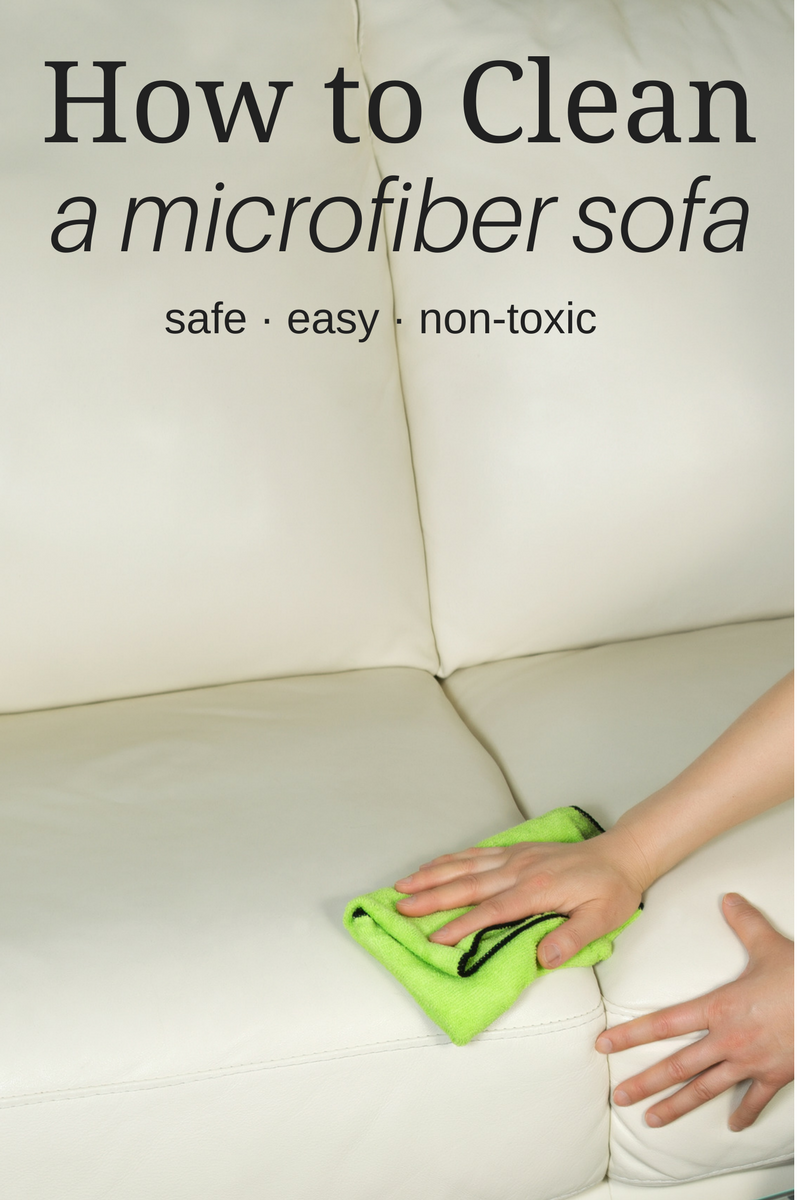
We’ve all been there. You sink into your favorite spot on the couch after a long day, ready to unwind, only to realize you’re sitting on a bed of golden retriever fur. Or worse, you spot that tell-tale damp ring from a puppy accident you didn’t catch in time. It’s frustrating, isn’t it? Especially when you chose microfiber specifically because you heard it was "pet-proof."
The truth is, no fabric is truly invincible. But microfiber comes pretty close. It’s durable, soft, and surprisingly resilient if you know how to treat it. The problem isn’t the material; it’s the method. Most of us are cleaning our couches wrong. We scrub when we should be blotting. We use water when we should be using alcohol. And we vacuum without ever tackling the static cling that keeps hair glued to the fibers.
Let’s fix that. This guide isn’t just about cleaning; it’s about reclaiming your living space. Whether you have a shedding husky or a cat with sensitive stomach issues, these tips will help you keep your microfiber upholstery looking fresh, smelling clean, and feeling soft. No magic tricks, just smart, proven techniques that work in the real world.
Understanding Why Microfiber is a Pet Owner’s Best Friend
Microfiber has earned its reputation as the go-to choice for households with animals, and for good reason. Unlike natural fabrics like cotton or linen, which absorb liquids like a sponge, microfiber is made from tightly woven synthetic fibers—usually polyester and polyamide. This tight weave creates a barrier that makes it difficult for liquids to penetrate deep into the cushioning. In 2026, manufacturing techniques have even improved, making newer microfibers more resistant to claw snags and abrasion than ever before.
But here’s the catch: while it resists absorption, it loves to hold onto surface debris. That velvety texture we love? It’s basically a magnet for static electricity. This is why pet hair doesn’t just sit on top; it embeds itself into the tiny loops of the fabric. Understanding this dual nature—liquid-resistant but static-prone—is the key to mastering its care. You can’t treat it like leather, and you certainly can’t treat it like wool.
Another benefit is durability. Pets jump, scratch, and nap with abandon. Microfiber handles this wear and tear better than most materials. However, over time, oils from pet fur and skin can build up, dulling the fabric’s appearance and trapping odors. This is why regular maintenance isn’t just about aesthetics; it’s about preserving the integrity of the fibers. If you let grime build up, it becomes much harder to remove later, potentially requiring harsh chemicals that could damage the material.
The Daily Defense: Managing Pet Hair Before It Embeds
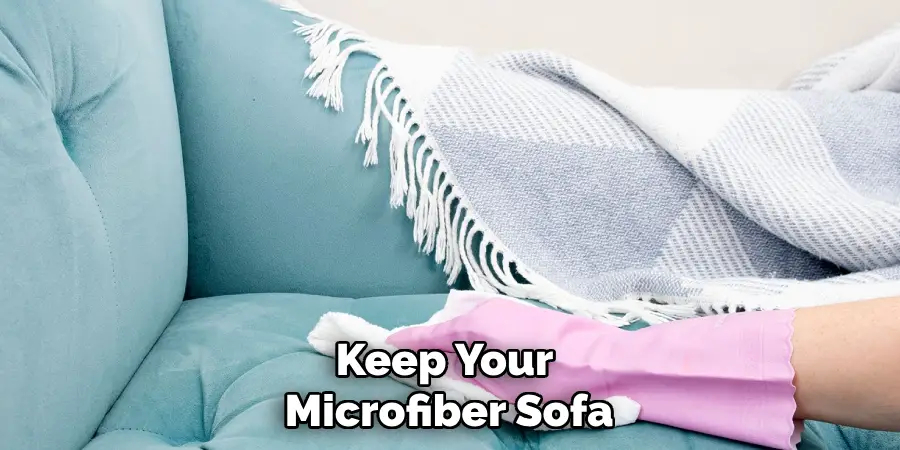
Vacuuming is obvious, right? But if you’re just running a standard vacuum cleaner over your couch once a week, you’re missing half the battle. Pet hair, especially the short, fine undercoat, gets woven into the fabric. To tackle this, you need to break the static bond first. A simple rubber squeegee or a damp rubber glove works wonders. Put on the glove, slightly dampen it, and run your hand over the upholstery in long, sweeping motions. You’ll be shocked at how much hair clumps together, making it easy to pick up.
For a more thorough approach, consider using a specialized pet hair removal tool. There are reusable lint rollers with textured surfaces that grab hair effectively without wasting paper sheets. Alternatively, a pumice stone designed for fabric can lift embedded hairs from deeper within the weave. The trick is to do this gently. Aggressive scraping can pill the microfiber, creating those annoying little balls of fuzz that make the couch look old and worn out.
Prevention also starts with your pet. Regular grooming is the first line of defense. Brushing your dog or cat outside or in a designated grooming area reduces the amount of loose hair floating around your home. It sounds simple, but less shed hair means less hair finding its way onto your furniture. Plus, it’s a great bonding activity. If your pet tolerates it, a quick wipe-down with a pet-safe damp cloth after outdoor play can also prevent muddy paws from tracking dirt onto your pristine cushions.
Tackling Fresh Stains: The Blot, Don’t Rub Rule
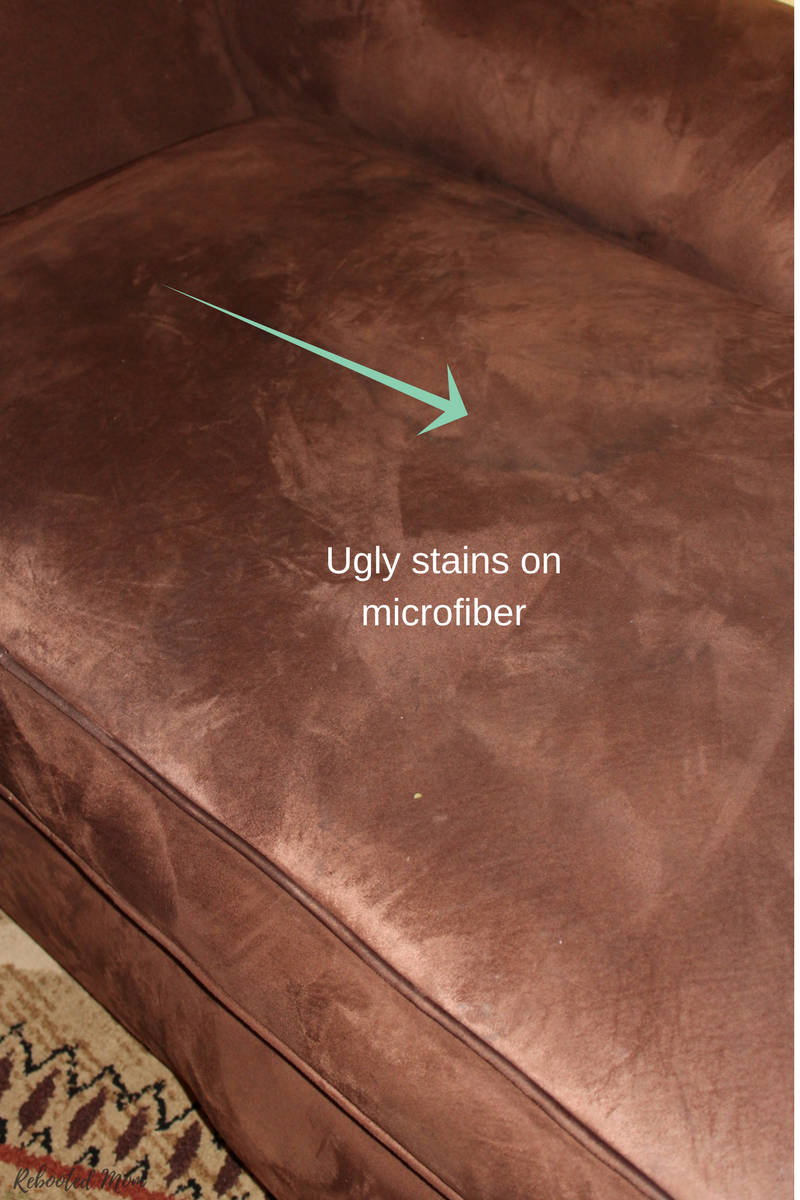
Accidents happen. Maybe your kitten missed the litter box, or your dog got excited and drooled on the armrest. The golden rule of stain removal is speed. The longer a stain sits, the harder it is to remove. But here’s where most people go wrong: they rub. Rubbing pushes the liquid deeper into the padding and spreads the stain outward, making a small spot into a large, ugly mark. Instead, always blot. Use a clean, white cloth or paper towel and press down firmly to absorb as much moisture as possible.
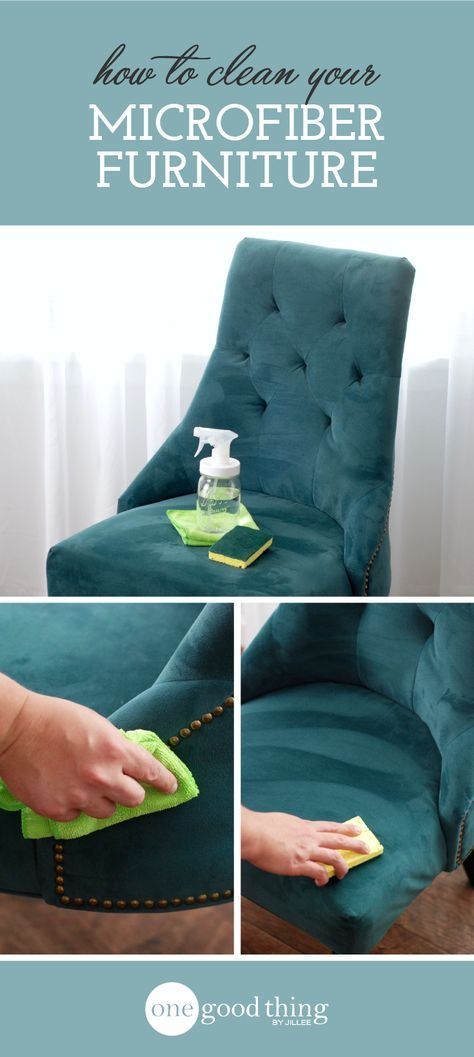
For liquid stains like urine or vomit, start by blotting up the excess. Then, mix a solution of mild dish soap and warm water. Dip a clean cloth into the solution, wring it out so it’s barely damp—not soaking wet—and gently dab the stained area. Microfiber can water-stain if it gets too saturated, so less is more. Work from the outside of the stain inward to prevent ringing. Once the area is clean, use a dry towel to blot up any remaining moisture.
If the stain is oily, like from greasy paw prints or food, water won’t cut it. You’ll need a solvent-based cleaner. Isopropyl alcohol (rubbing alcohol) is a secret weapon for microfiber. It evaporates quickly, preventing water marks, and breaks down oils effectively. Spray a small amount onto a cloth, not directly on the couch, and dab the stain. Always test any cleaner on an inconspicuous area first, like the back or bottom of a cushion, to ensure it doesn’t discolor the fabric.
Deep Cleaning and Odor Neutralization Techniques
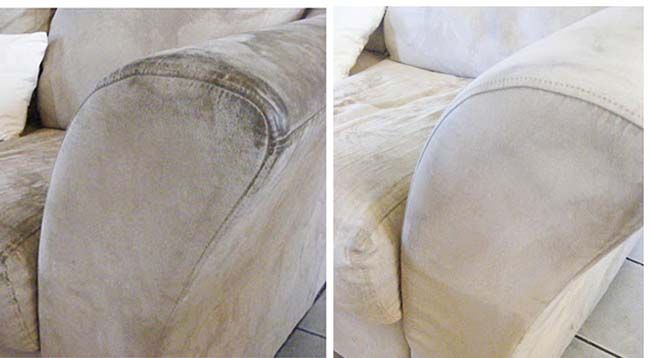
Even with daily care, smells can linger. Pets have a keen sense of smell, and if your couch smells like "dog," they might be tempted to mark it again. To neutralize odors, baking soda is your best friend. Sprinkle a generous layer of baking soda over the entire surface of the couch. Let it sit for at least 15 minutes, or ideally overnight if the odor is strong. The baking soda absorbs moisture and traps odor particles. Then, vacuum it up thoroughly using a brush attachment.
For tougher odors, enzyme cleaners are essential. These aren’t just masking scents; they actually break down the organic compounds in urine, feces, and vomit that cause smells. Look for a pet-specific enzyme spray. Spray it lightly on the affected area and let it air dry. Do not rinse it out. The enzymes need time to work, and rinsing them away stops the process. Just make sure the product is safe for synthetic fabrics, as some heavy-duty enzymatic formulas can be harsh.
If your couch has removable covers, check the care label. Some microfiber covers are machine washable. If so, wash them in cold water on a gentle cycle and air dry them. Avoid high heat, which can shrink or damage the fibers. If the covers aren’t removable, a steam cleaner can be effective, but use caution. Too much heat and moisture can leave water marks or promote mold growth in the padding. If you’re unsure, hiring a professional upholstery cleaner who specializes in pet stains is a worthwhile investment every year or two.
Preventive Measures to Extend Furniture Life
Cleaning is reactive; prevention is proactive. One of the easiest ways to protect your microfiber upholstery is to use throws or slipcovers. Choose washable, durable fabrics like cotton or canvas that can handle frequent laundering. This creates a barrier between your pet and the couch. Train your pets to use these designated spots. Positive reinforcement works best—reward them when they lie on the throw instead of the bare cushion.
Trimming your pet’s nails regularly is another crucial step. Sharp claws can snag and pull the microfiber threads, causing permanent damage. Keep their nails trimmed short and smooth. If your pet is prone to scratching furniture, consider providing alternative scratching posts or pads nearby. Redirecting the behavior is far easier than trying to repair damaged fabric.
Finally, rotate your cushions if they are reversible or movable. This ensures even wear and tear. Sunlight can also fade microfiber over time, so try to position your furniture away from direct sunlight or use window treatments to filter UV rays. Fading isn’t just unsightly; it can weaken the fibers, making them more susceptible to staining and tearing. A little bit of strategic placement goes a long way in preserving the look and feel of your furniture.
Despite our best efforts, some stains and odors are stubborn. If you’ve tried blotting, enzyme cleaners, and baking soda, and the smell persists, it’s time to call in the pros. Professional cleaners have access to industrial-grade equipment and solutions that aren’t available to consumers. They can extract deep-seated dirt and odors from the padding, not just the surface fabric. This is particularly important for older stains that have set in over time.
Look for a cleaning service that specializes in pet odor removal and has experience with microfiber. Ask about their methods. Do they use hot water extraction? Dry cleaning solvents? Make sure they understand the specific needs of synthetic fabrics. Improper cleaning can leave residues that attract more dirt or damage the texture of the microfiber. A reputable company will be happy to explain their process and provide references.
Investing in professional cleaning once a year can extend the life of your furniture significantly. It’s not just about cleanliness; it’s about maintaining your investment. A well-maintained microfiber couch can last for many years, providing comfort and style for both you and your pets. Plus, knowing your home is truly clean and odor-free provides peace of mind. It allows you to relax and enjoy your space without worrying about hidden messes or lingering smells.
So, don’t despair if your couch isn’t perfect. With the right tools and techniques, you can keep it looking great. Remember, consistency is key. A little bit of effort every day prevents the need for major interventions later. Embrace the mess, manage it wisely, and enjoy the companionship of your furry friends without sacrificing your home’s comfort. After all, a few hairs here and there are just proof of a life well-loved.