There is something undeniably magical about stepping into a steaming wooden tub on a crisp evening. The scent of warm cedar hits you first, earthy and calming, before the heat even touches your skin. It’s not just a bath; it’s a ritual. But if you are standing on your deck right now, looking at that empty corner and wondering where to start, the excitement can quickly turn into overwhelm. The market is flooded with options, from rustic barrel styles to sleek modern hybrids, and making the wrong choice can cost you thousands in regrets later.
You don’t want a tub that leaks after one season. You don’t want one that takes four hours to heat up when you only have an hour to soak. And you definitely don’t want a maintenance nightmare that turns your sanctuary into a chore. Choosing the right cedar hot tub kit is about more than just aesthetics; it is about finding a partner for your wellness routine that fits your life, your space, and your budget. Let’s cut through the noise and look at what actually matters when you are ready to bring that natural spa experience home.
Understanding Your Space and Size Needs
Before you fall in love with a specific model, you need to get honest about your deck. It sounds obvious, but so many people buy a tub that is technically "too big" for their lifestyle or physically too large for their structure. Start by measuring twice. You need to account for the tub’s footprint, plus at least three feet of clearance around it for maintenance access and safe entry. If your deck is older, check the load-bearing capacity. A filled cedar tub is heavy—water weighs eight pounds per gallon, and wood adds significant weight too. You might need a structural engineer to sign off on your plans, which is a small price to pay for peace of mind.
Once you know the physical limits, think about who will be using it. Most kits come in standard diameters: 5-foot, 6-foot, and 7-foot models. A 5-footer is intimate, perfect for two people or a solo soaker who likes to stretch out. It seats about three people comfortably if you squeeze, but realistically, it’s a couples’ tub. The 6-foot model is the sweet spot for most families, seating four adults without feeling cramped. If you entertain often or have a larger family, the 7-foot tub can hold five people, but remember, bigger isn’t always better. A larger volume of water means higher heating costs and longer fill times.
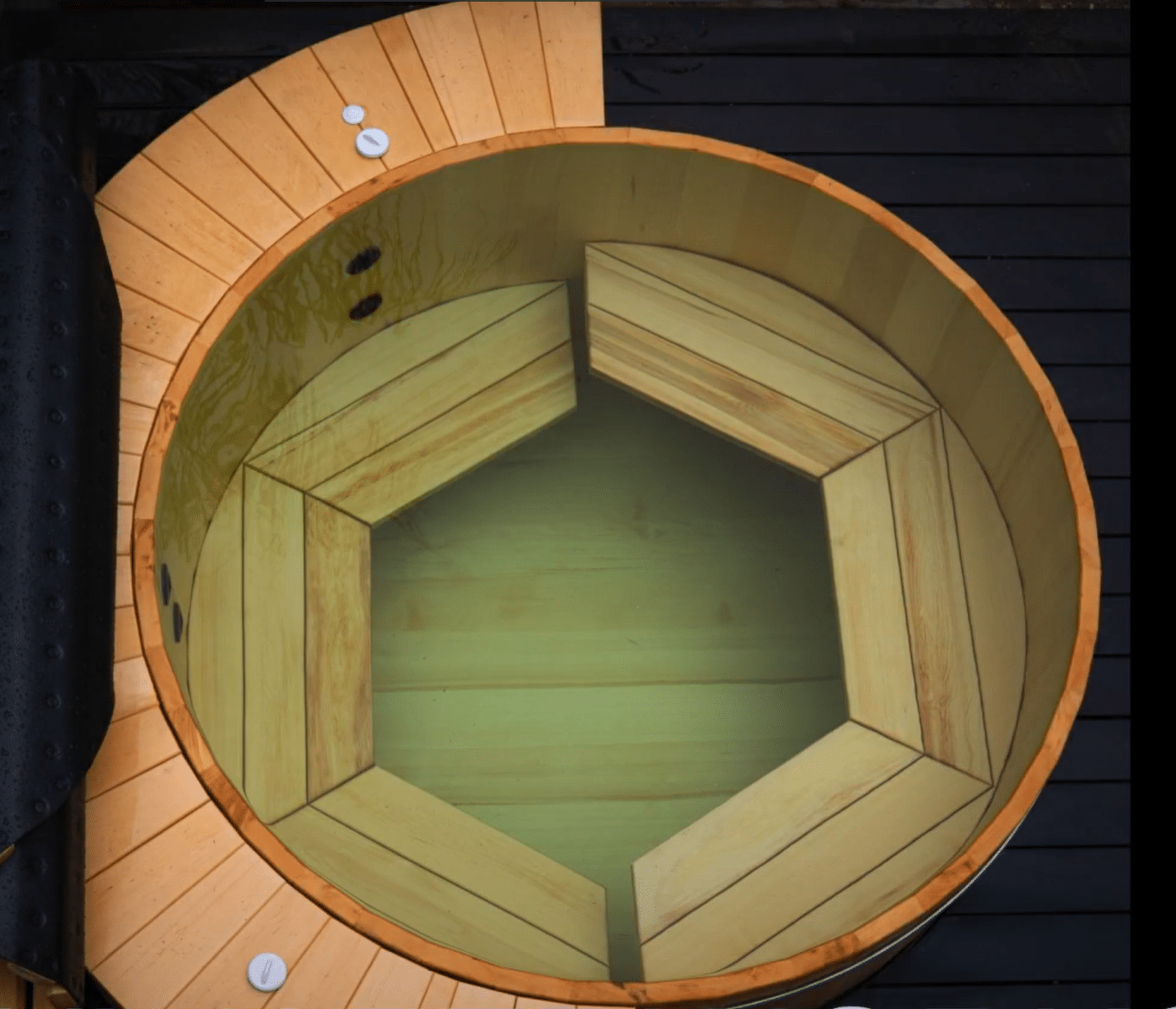
Don’t forget the vertical space either. Standard tubs are about 42 inches high with an internal depth of 38 inches. This is deep enough for full immersion for most adults, but if you have mobility issues or young children, you might want to look for models with built-in steps or bench seating. Also, consider the view. Will you be facing a fence, a garden, or the neighbor’s garage? Positioning matters as much as size. You want the tub to feel like a private retreat, not a fishbowl. Take a moment to sit on your deck at different times of day to see where the sun hits and where the wind blows. That data will help you place the tub for maximum comfort.
Deciding on the Heating System
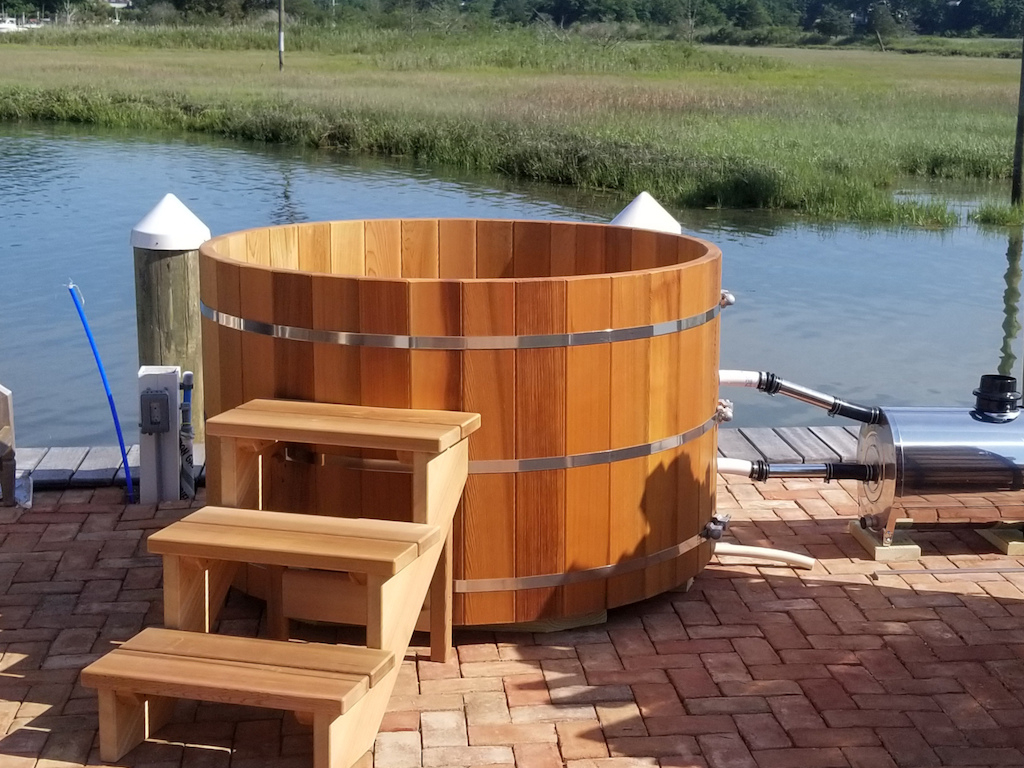
The heart of your hot tub is its heater, and this choice defines your entire experience. In 2026, you generally have three paths: wood-fired, electric, or hybrid. Wood-fired heaters are the purist’s choice. They offer that authentic, off-grid vibe and the romantic crackle of a fire. They are incredibly efficient and can heat water rapidly, often in under two hours. However, they require work. You need to source dry wood, tend the fire, and clean out ash. If you live in an area with burn bans or strict air quality regulations, this might not be viable. Plus, maintaining a consistent temperature requires attention; you can’t just set it and forget it.
Electric heaters, particularly modern heat pumps, are the convenience kings. They are quiet, clean, and allow for precise temperature control via digital thermostats. You can schedule your soak for 7 PM and know the water will be perfect. The downside? They rely on electricity, which means higher operating costs in some regions and a dependency on the grid. If you lose power, you lose heat. Installation also requires a licensed electrician to handle the high-voltage connections, which adds to the upfront cost. For many homeowners, though, the ease of use outweighs the hassle of chopping wood.
Then there is the hybrid option, which is gaining massive popularity. These systems combine a wood-fired stove with an electric backup or integration. You get the ambiance and rapid heat of wood when you have time to tend it, but the reliability of electric when you’re busy or tired. Some newer models even integrate with solar thermal systems, making them nearly energy-neutral. When choosing, think about your lifestyle. Are you a weekend warrior who loves the process of building a fire? Or do you want a quick soak after a long day at work? There is no wrong answer, only the right fit for your rhythm.
Evaluating Wood Quality and Construction
Not all cedar is created equal. The term "cedar" gets thrown around loosely, but you want Western Red Cedar or Alaskan Yellow Cedar for true durability and aroma. These woods contain natural oils and tannins that resist rot, insects, and decay without needing chemical treatments. Avoid kits that use lower-grade softwoods or mixed woods, as they won’t hold up to constant moisture and heat cycles. Look for "heartwood" grades, which are denser and more resistant to warping than sapwood. The color should be rich and consistent, not pale or knotty in weak spots.
Construction method matters just as much as the wood species. Traditional cooperage, where staves are fitted together with precision, allows the wood to expand and contract naturally with humidity changes. This is crucial for preventing leaks. Check the thickness of the staves; 1.5 to 2 inches is standard for quality kits. Thinner walls might save money upfront but will insulate poorly and degrade faster. Also, inspect the hardware. Stainless steel bands and bolts are non-negotiable. Galvanized steel will rust and stain the wood, ruining the look and compromising the structure over time.
Another detail to watch is the finish. Some kits come pre-oiled, while others are raw. Raw wood allows you to choose your own sealant, but it requires immediate treatment upon assembly to prevent drying out. Pre-oiled kits are convenient but verify what oil was used. Natural tung oil or linseed oil blends are best; avoid synthetic varnishes that can peel and trap moisture underneath. If you are handy, you might prefer raw wood so you can apply a high-quality penetrating oil yourself. If not, a pre-finished kit saves time but ensure the manufacturer uses breathable, natural products.
Assessing Installation and DIY Complexity
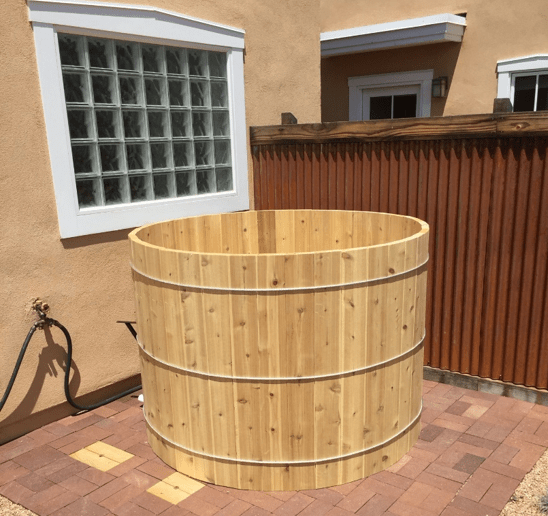
Let’s be real: assembling a cedar hot tub is not like putting together IKEA furniture. It is a serious project that requires patience, basic carpentry skills, and often a helper. Most kits are designed for DIY installation, but the complexity varies wildly. Barrel-style tubs are generally easier because the curved staves self-align under tension. Rectangular or octagonal tubs require more precise joinery and leveling. Before buying, read the manual if it’s available online. Look for clear diagrams, labeled parts, and step-by-step instructions. If the documentation looks sparse or confusing, walk away.
Consider the tools you already own. You will likely need a rubber mallet, a level, a drill, wrenches, and possibly a pipe cutter for plumbing. Some kits require specialized tools for bending bands or cutting notches. Factor in the cost of renting or buying these if you don’t have them. Also, think about the timeline. A straightforward kit might take a weekend for two experienced DIYers. A complex hybrid system with plumbing and electrical could take a week or more. If you underestimate the time, you might end up with a half-built tub sitting on your deck for months, which is demoralizing.
If the idea of wrestling with staves and tightening bands makes you nervous, look for kits that offer professional installation services or local dealer support. Some manufacturers partner with local contractors who specialize in cedar tubs. This adds to the cost but ensures the warranty remains valid and the tub is assembled correctly. Leaks often happen due to improper assembly, not defective wood. So, if you are not confident in your skills, paying for pro help is an investment in longevity. Don’t let pride ruin your spa experience.
Planning for Maintenance and Longevity
A cedar hot tub is a living thing. It breathes, expands, and reacts to its environment. This means maintenance is not optional; it is part of the ownership experience. The good news is that cedar is low-maintenance compared to other materials, but it still needs care. You will need to drain and clean the tub every few months, depending on usage. Use mild, non-abrasive cleaners to avoid stripping the natural oils. Avoid harsh chemicals like chlorine or bromine if possible, as they can degrade the wood and irritate your skin. Many owners use ozone generators or UV sanitizers to keep water clean without harsh chemicals.
Re-oiling the exterior is another key task. Depending on your climate, you might need to apply a fresh coat of cedar oil once or twice a year. This keeps the wood hydrated and prevents cracking or graying from UV exposure. Interior wood usually doesn’t need oiling since it is constantly wet, but if you drain the tub for extended periods, a light application can help. Inspect the bands and bolts annually for tightness. Wood shrinks and swells, so bands may loosen over time. Tightening them is simple but essential to prevent leaks.
Winterization is critical if you live in a cold climate. You cannot let water freeze inside the pipes or the tub itself, as ice expansion will crack the wood and rupture plumbing. Most owners drain the tub completely in winter or keep it running with a heater on low. If you choose to drain it, ensure all water is removed from pumps and pipes. Some people cover their tubs with insulated covers to protect them from snow and debris. Proper winter care can extend the life of your tub by decades. Neglect it, and you might face costly repairs or replacement within a few years.
It is easy to focus on the sticker price of the kit, but the true cost of a cedar hot tub includes much more. The kit itself might range from $3,000 to $8,000 depending on size and features. But then you have delivery fees, which can be steep for heavy wooden crates. Installation costs, whether DIY tools or professional labor, add another layer. If you choose electric or hybrid, factor in the cost of hiring an electrician and plumber, which can easily run $1,000 to $2,500. Don’t forget the foundation; you might need to reinforce your deck or build a concrete pad, which is another expense.
Operating costs vary by heating method. Wood is cheap if you have free firewood, but buying seasoned wood adds up. Electric heat pumps are efficient but still draw power. Calculate the estimated monthly energy cost based on your local rates. Water treatment supplies, oils, and replacement parts should also be budgeted. A good rule of thumb is to set aside 10% of the initial purchase price annually for maintenance and operational costs. This helps avoid surprises down the road.
Finally, consider the value add. A well-installed cedar hot tub can increase your property value, especially if it is aesthetically integrated into your landscape. It is a luxury feature that appeals to buyers looking for outdoor living spaces. However, a poorly maintained or leaking tub can be a liability. So, view the cost not just as an expense, but as an investment in your home and your well-being. Spend wisely on quality upfront, and you will save money on repairs and replacements later. Cheap kits often end up being the most expensive option in the long run.
Choosing the right cedar hot tub kit is a journey, not just a purchase. It requires looking at your space, your habits, and your willingness to care for a natural product. But when you finally sink into that warm, aromatic water, watching the steam rise into the night air, you will know it was worth every bit of effort. Take your time, ask questions, and choose a kit that feels like it belongs in your life. Your future self, relaxed and rejuvenated, will thank you.