Ever looked at your water bill and felt a little pang of guilt? Or maybe you’ve watched your lawn turn that sad, crunchy brown despite your best efforts to keep it green. You’re not alone. In 2026, water isn’t just a resource; it’s a precious commodity. But here’s the secret nobody tells you: saving water doesn’t mean sacrificing beauty. In fact, some of the most stunning gardens we see today are the ones that work with nature, not against it.
Imagine stepping out into your backyard and being greeted by the soft rustle of ornamental grasses, the vibrant pop of succulents, and the earthy scent of mulch after a rare rain. It’s peaceful. It’s resilient. And best of all, it doesn’t demand hours of hose time or expensive irrigation repairs. Building a drought-tolerant backyard is less about deprivation and more about creativity. It’s about choosing plants that love the sun as much as you do and designing spaces that feel intentional, not just "dry." Let’s dive into how you can create a sanctuary that thrives, even when the sky refuses to cooperate.
Rethinking the Lawn: The First Step to Freedom
Let’s be honest. The traditional green lawn is a bit of a diva. It demands constant attention, frequent mowing, and, worst of all, gallons upon gallons of water. In many parts of the world, keeping a lush turfgrass lawn in 2026 feels less like a hobby and more like a battle against the climate. But giving up the lawn doesn’t mean giving up on having a soft place to sit or play. It just means reimagining what that space looks like.
Start by reducing the size of your turf. You don’t need to eliminate it entirely if you have kids or pets who love to roll around. Instead, shrink it down to functional patches. Replace the rest with ground covers that mimic the look of grass but require a fraction of the water. Plants like creeping thyme, sedum, or even fine fescue blends can create a carpet-like effect that stays green longer and bounces back faster from dry spells. These alternatives aren’t just practical; they add texture and variety to your landscape, breaking up the monotony of a single green expanse.
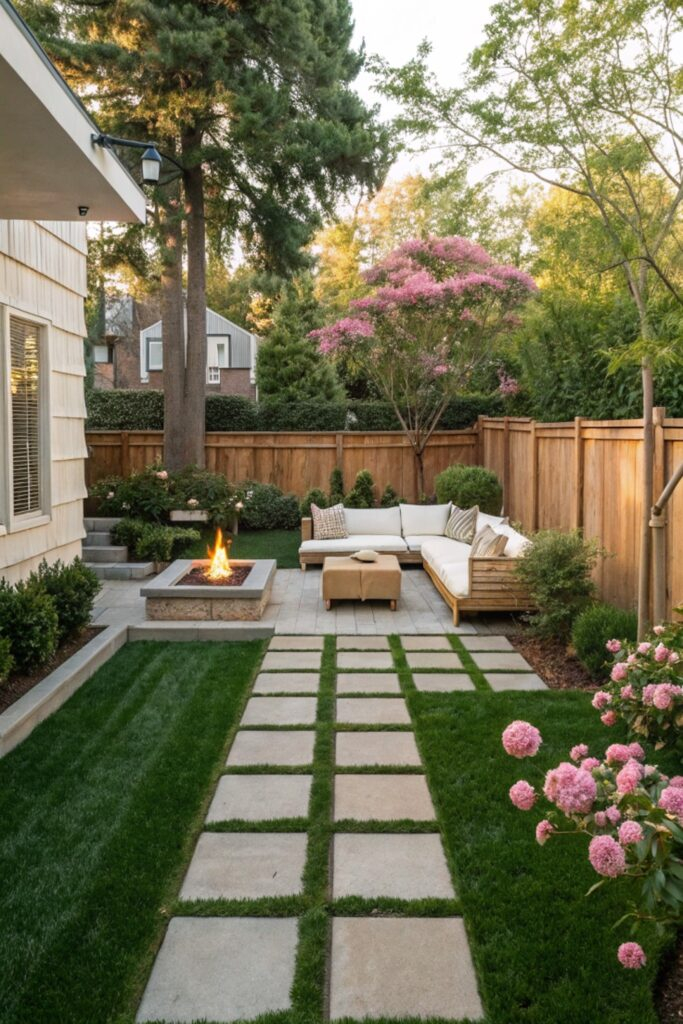
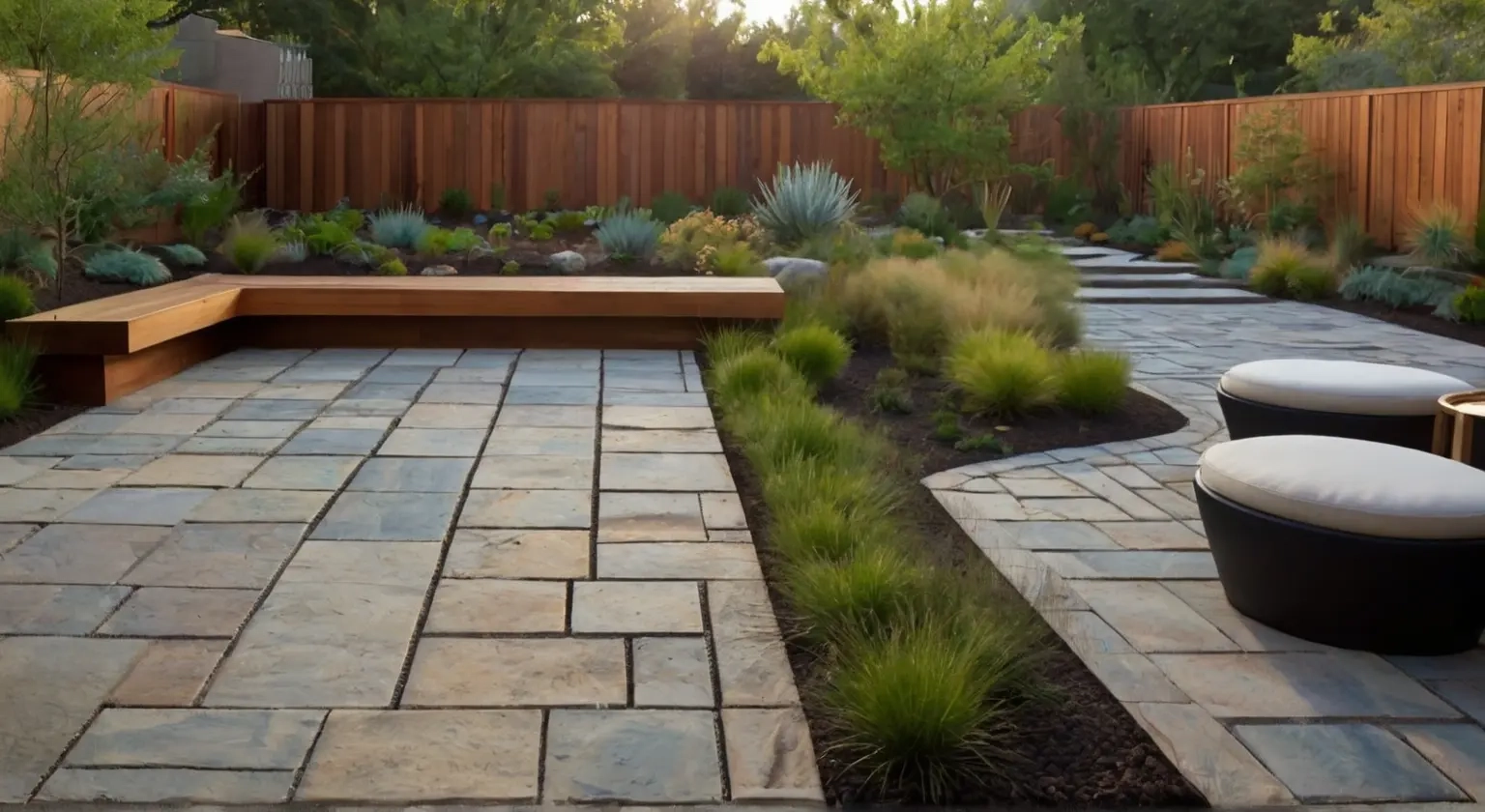
Another option is to replace high-traffic grass areas with hardscaping or permeable pavers. This might sound cold or industrial, but it’s actually a huge trend right now. Think warm-toned stone patios, gravel pathways, or decomposed granite seating areas. These materials absorb heat during the day and release it slowly at night, creating cozy microclimates for evening gatherings. Plus, they allow rainwater to seep into the ground rather than running off into storm drains, which helps recharge local aquifers. It’s a small change with a big impact on both your water bill and the environment.
Choosing Plants That Love the Heat
The heart of any drought-tolerant garden is its plant palette. But here’s the thing: "drought-tolerant" doesn’t mean "cactus-only." While succulents are fantastic, there’s a whole world of beautiful, resilient plants that can handle dry conditions without looking sparse or prickly. The key is to choose natives. Native plants have evolved over thousands of years to thrive in your specific local climate, soil, and rainfall patterns. They know how to survive your summers because they were born for them.
In 2026, nurseries are stocking more native varieties than ever before, making it easier to find region-specific options. For example, if you’re in the Southwest, look for desert marigolds, penstemon, or agave. If you’re in a Mediterranean climate, try lavender, rosemary, or olive trees. These plants don’t just survive; they flourish. They often require no fertilizer, little to no pesticide, and minimal watering once established. Plus, they support local wildlife, providing food and habitat for bees, butterflies, and birds. It’s a win-win for your garden and the ecosystem.
When selecting plants, think in layers. Don’t just fill beds with one type of shrub. Mix heights, textures, and colors. Use tall ornamental grasses like muhly or fountain grass to add movement and height. Fill in the middle layer with flowering perennials like coneflowers or black-eyed susans. And use low-growing ground covers or trailing plants like ice plant to spill over edges and soften hardscape lines. This layered approach creates depth and visual interest, making your garden feel lush and full, even if it’s using half the water of a traditional landscape. Just remeber to group plants with similar water needs together, a technique called hydrozoning, so you’re not overwatering some while underwatering others.
Smart Irrigation: Watering with Precision
Even the most drought-tolerant plants need a little help getting established. And let’s face it, sometimes nature doesn’t provide enough rain, even for hardy natives. That’s where smart irrigation comes in. Gone are the days of setting a timer and letting sprinklers spray water everywhere, including onto sidewalks and driveways. In 2026, efficient watering is about precision and technology working together.
Drip irrigation is your best friend here. Unlike sprinklers that lose water to evaporation and wind, drip systems deliver water directly to the root zone of each plant. This means less waste and more absorption. You can install drip lines under mulch, keeping them hidden and protected from UV damage. Pair this with a smart controller that connects to your Wi-Fi. These devices check local weather forecasts and adjust watering schedules automatically. If it rains, they skip the cycle. If it’s unusually hot, they might add a little extra. It’s like having a gardener in your pocket, ensuring your plants get exactly what they need, when they need it.
Don’t forget about rainwater harvesting. Even in dry climates, occasional storms happen. Installing a rain barrel or a larger cistern allows you to capture that free water for later use. You can connect these systems to your drip irrigation or simply use a hose to water container plants. It’s a simple setup that can save hundreds of gallons a year. Plus, plants generally prefer rainwater because it’s free of chlorine and other chemicals found in tap water. So, not only are you saving money, you’re giving your garden a healthier drink.
The Power of Mulch and Soil Health
We often focus so much on the plants themselves that we forget what’s happening underneath. Healthy soil is the foundation of a drought-tolerant garden. Soil rich in organic matter acts like a sponge, holding onto moisture and releasing it slowly to plant roots. If your soil is compacted or sandy, water just runs right through it. Adding compost and organic amendments before planting can dramatically improve your soil’s water-holding capacity. It’s an upfront effort that pays off for years.
Once your plants are in the ground, mulch is non-negotiable. A thick layer of mulch—about two to three inches—acts as a protective blanket. It keeps the soil cool, reduces evaporation, and suppresses weeds that would otherwise compete for water. There are many types of mulch to choose from. Wood chips are great for flower beds and look natural. Gravel or stone mulch works well for succulent gardens and rockeries, reflecting heat and adding a modern aesthetic. Just avoid using plastic sheeting; it prevents water and air from reaching the soil and can harm beneficial microbes.
Organic mulches like bark or straw also break down over time, adding nutrients back into the soil. This means you’ll need to top them off every year or two, but it’s a small task that keeps your garden healthy. Inorganic mulches like rocks last forever but don’t improve soil structure. Choose based on your plants’ needs and your aesthetic preferences. Either way, keeping the soil covered is one of the simplest and most effective ways to conserve water. It’s a quiet hero in the garden, working tirelessly behind the scenes.
Hardscaping: Beauty Without the Thirst
Hardscaping refers to the non-living elements of your landscape, like paths, patios, walls, and decks. In a drought-tolerant design, hardscaping plays a crucial role. It reduces the amount of area that needs watering while adding structure and functionality to your outdoor space. Think of it as the skeleton of your garden, providing shape and definition. When done right, hardscaping can make a small yard feel larger and a large yard feel more intimate.
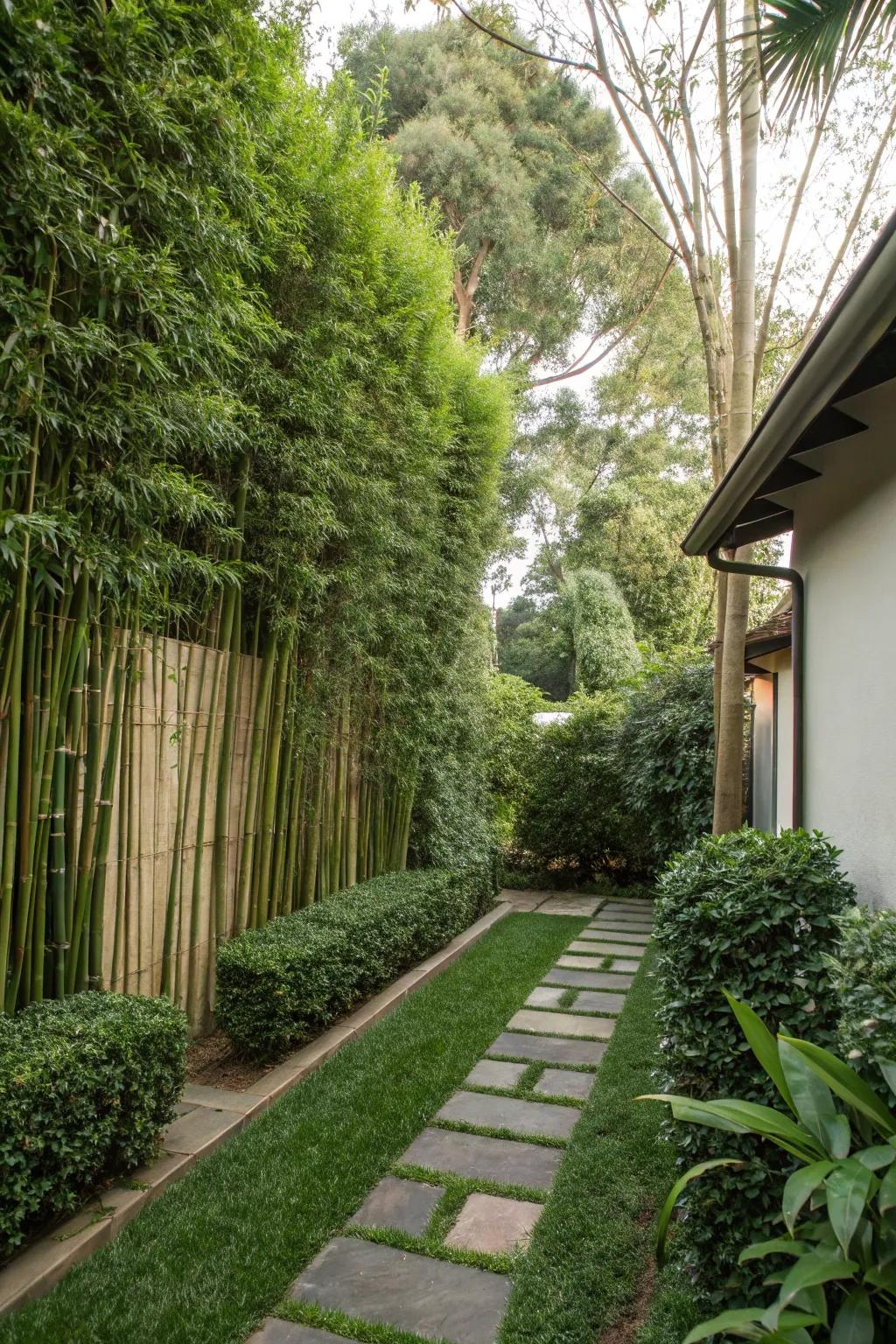
Consider using permeable materials for your paths and patios. Permeable pavers, gravel, or decomposed granite allow water to infiltrate the ground rather than pooling or running off. This helps prevent erosion and keeps your local watershed healthy. Plus, these materials often have a rustic, natural look that blends seamlessly with drought-tolerant plantings. For a more polished look, try large-format stone slabs with moss or creeping thyme growing in the gaps. It’s elegant, eco-friendly, and incredibly durable.
Don’t shy away from vertical elements either. Retaining walls made from local stone or recycled concrete blocks can create terraced levels in sloped yards, making planting easier and adding visual interest. Arbors and pergolas provide shade, which reduces evaporation from the soil and creates comfortable outdoor living areas. You can even grow climbing vines like wisteria or jasmine on these structures, adding greenery without taking up ground space. Hardscaping isn’t just about saving water; it’s about creating a space you actually want to spend time in.
One of the biggest myths about drought-tolerant landscaping is that it’s "no maintenance." While it’s certainly lower maintenance than a traditional lawn, it’s not zero maintenance. However, the type of work changes. Instead of weekly mowing, fertilizing, and heavy watering, you’re doing seasonal pruning, occasional weeding, and monitoring your irrigation system. It’s less about chore-heavy upkeep and more about mindful observation.
In the first year or two, your new plants will need regular watering to establish their root systems. Don’t skip this step. Once they’re settled in, though, they’ll become much more independent. You’ll mainly need to prune dead flowers to encourage new blooms, trim back overgrown shrubs to maintain shape, and refresh your mulch layer. Keep an eye on your drip irrigation lines for clogs or leaks, especially after winter freezes or summer heatwaves. A quick check once a month can prevent big problems later.
Embrace the natural cycle of your garden. In a drought-tolerant landscape, plants may go dormant in the hottest or driest parts of the year. This is normal. Don’t rush to water them back into growth if they’re native species adapted to local conditions. Let them rest. This resilience is part of their charm. By accepting the natural rhythm of your garden, you reduce stress for yourself and your plants. You’ll find yourself spending less time worrying about perfection and more time enjoying the beauty of a landscape that’s truly in sync with its environment. It’s liberating, really.
So, where does this leave us? Building a drought-tolerant backyard in 2026 isn’t just about reacting to water restrictions or climate change. It’s about embracing a new way of gardening that’s smarter, kinder, and arguably more beautiful. By rethinking the lawn, choosing the right plants, using smart irrigation, nurturing your soil, incorporating hardscaping, and adjusting your maintenance routine, you create a space that’s not only sustainable but also deeply satisfying.
You’re not just saving water; you’re building a legacy. A garden that supports local wildlife, reduces your carbon footprint, and provides a peaceful retreat from the busy world. It’s a place where you can connect with nature on its own terms. And honestly, isn’t that what we’re all looking for? A little slice of earth that feels alive, resilient, and uniquely yours. So grab those gardening gloves, start small, and watch your water-wise wonderland grow. You’ve got this.