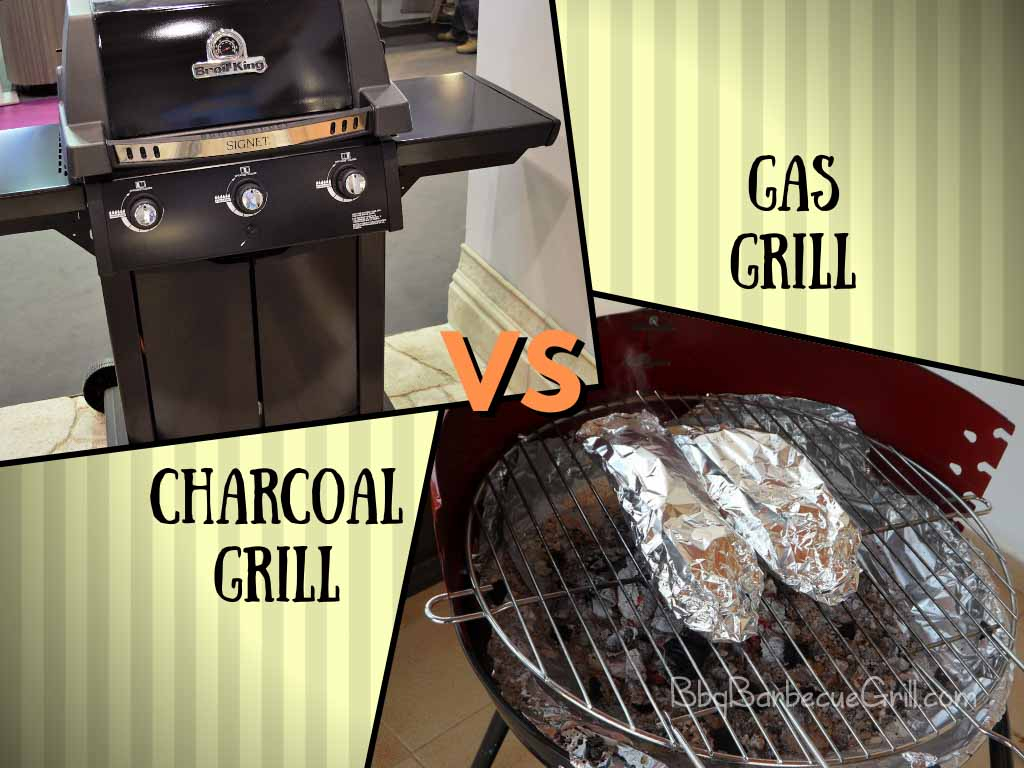
You know that feeling. You step out onto your balcony or small back patio, coffee in hand, and look at the empty corner. It’s begging for something. Maybe a grill? But then the panic sets in. There are so many options now. Back in the day, it was just charcoal or maybe a rusty propane tank. Now? You’ve got smart pellets, infrared gas, and hybrid monsters that cost more than your first car. It’s overwhelming. Especially when you only have six feet of usable space and a neighbor who complains if you look at them wrong.
Let’s be honest. Most advice online is written for people with half-acre yards. They talk about "smoke rings" and "low and slow" like you have all weekend to babysit a brisket. But you don’t. You have a Tuesday night after work. You have a date on Friday. You have limited storage and even less patience for cleanup. So, how do you choose? Do you go for the convenience of gas? The soul of charcoal? Or the tech-heavy ease of pellets? In 2026, the lines are blurrier than ever. Let’s cut through the noise and figure out what actually fits your life.
The Case for Instant Gratification: Gas Grills
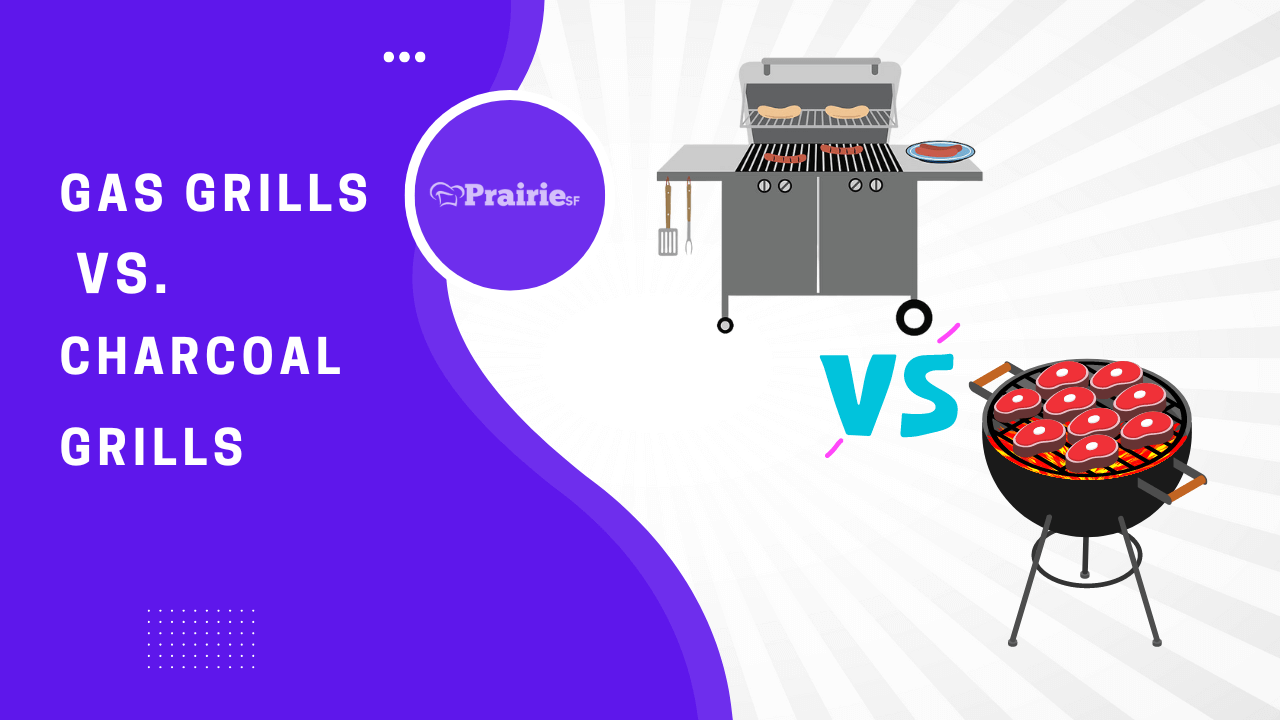
Gas grills have gotten a bad rap from the purists, but let’s look at the facts. If you live in an apartment complex or a townhouse with strict fire codes, gas is often your only legal option. Propane tanks are easier to manage than bags of charcoal, and natural line hookups are becoming more common in newer builds. The biggest win here? Time. You turn a knob, push a button, and ten minutes later, you’re cooking. No chimney starters, no waiting for coals to ash over. Just heat.
Modern compact gas grills in 2026 are surprisingly capable. Brands like Weber and Napoleon have shrunk their flagship tech into footprint-friendly packages. You can get serious searing power—often exceeding 700 degrees Fahrenheit—in a unit that’s barely wider than a standard chair. The flavor argument is tricky. Yes, you miss that distinct charcoal taste. But if you use a cast-iron grate and let it get ripping hot, you get a Maillard reaction that tastes pretty damn good. Add a smoker box with wood chips, and you can fake a smoky profile well enough for most weeknight dinners.
However, there are downsides. Gas grills have more parts to break. Igniters fail. Burners clog. And while they are clean to cook on, they are a pain to deep clean. Those grease traps and flavorizer bars need attention, or things get funky fast. Also, consider the fuel source. If you’re using propane, you’re always one forgotten tank swap away from a ruined dinner. For small patios, look for models with side tables that fold down. Space is premium real estate, and you don’t want a grill that dominates the entire floor plan when it’s not in use.
The Soul of Cooking: Why Charcoal Still Matters
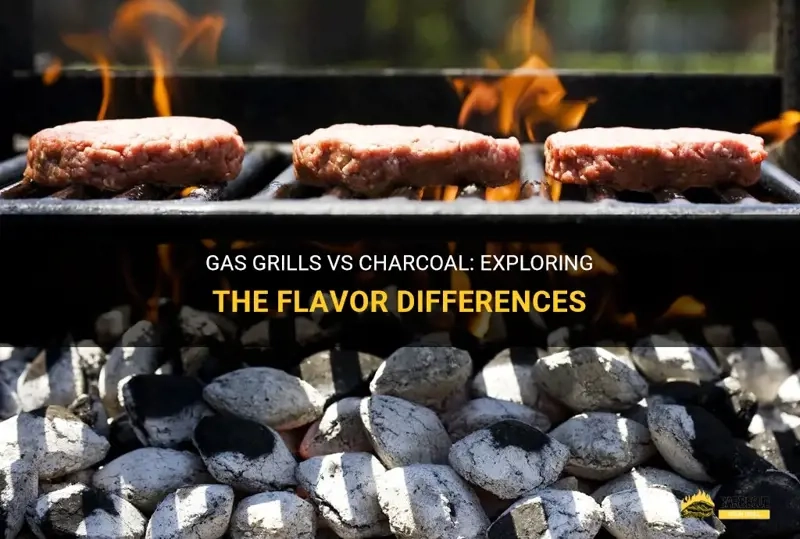
There is a ritual to charcoal. It’s primal. You light the fire, you wait, you respect the heat. For many, this isn’t a chore; it’s part of the relaxation. If you view grilling as a hobby rather than just a meal prep method, charcoal is king. The flavor is undeniable. That high heat creates a crisp crust on steaks and burgers that gas struggles to replicate without extra tricks. And the cost? A bag of briquettes is cheap. You can feed a family for pennies compared to the ongoing cost of propane or electricity.
But let’s talk about the reality of small spaces. Charcoal is messy. Ash gets everywhere. If your patio is covered, you have to worry about ventilation. Smoke drifts. In 2026, urban density is higher, meaning your neighbors are closer. A windy day with a charcoal grill can turn you into the neighborhood nuisance pretty quickly. You need a spot where the smoke can dissipate. If you’re on a third-floor balcony, charcoal might be a non-starter simply due to airflow issues. Check your lease agreement too; many places explicitly ban charcoal grills on balconies for fire safety reasons.
On the plus side, charcoal grills are durable. A simple kettle grill has no electronics to fail. It’s just metal and air vents. You can buy a used one for twenty bucks and it’ll last another decade. For small patios, look for the "mini" versions of classic designs. They hold enough heat for four burgers or a couple of steaks but take up minimal room. Just remember, you can’t just walk away. Charcoal requires management. You’re adjusting vents, moving coals, and watching for flare-ups. It’s active cooking. If you like to stand outside with a beer and tinker, this is your jam. If you want to cook and go inside to watch the game, maybe not.
The Tech Revolution: Are Pellet Grills Ready for Small Spaces?
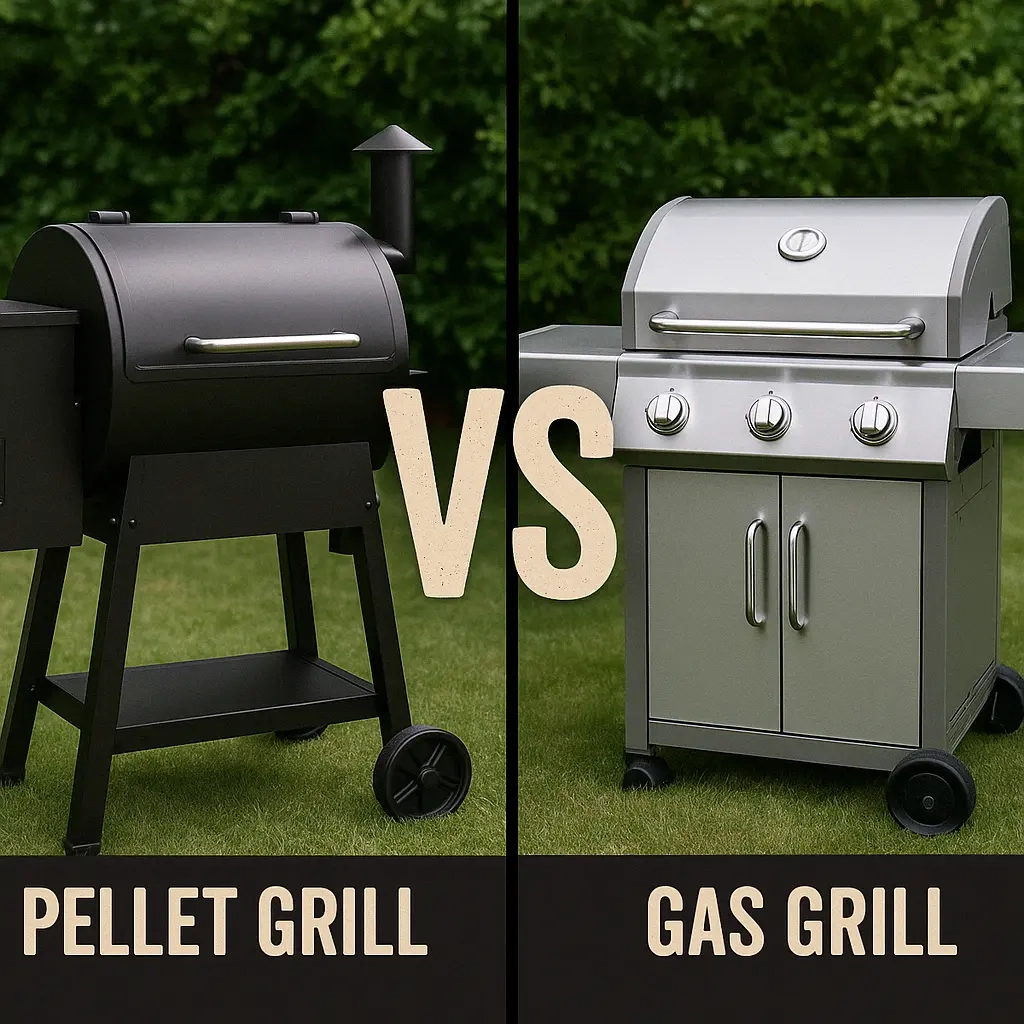
Pellet grills used to be huge. They were for backyard pitmasters with garages full of tools. But 2026 has changed the game. Compact pellet grills are finally here, and they are impressive. These units use wood pellets (compressed sawdust) to generate heat and smoke via an electric auger system. The result? Consistent temperature control that rivals your indoor oven. You set it to 225°F for ribs or 450°F for pizza, and it holds it within five degrees. It’s "set it and forget it" cooking, which is a lifesaver for busy people.
The flavor profile is the best of both worlds. You get real wood smoke—hickory, apple, mesquite—without the hassle of managing a fire. For pork, chicken, and brisket, pellets win by a mile. The smoke is cleaner and sweeter than charcoal. But here’s the catch for small patios: you need power. Every pellet grill needs an electrical outlet. If your patio doesn’t have one, you’re running extension cords, which is a tripping hazard and looks terrible. Also, pellets don’t sear as well as gas or charcoal. While some 2026 models have added direct-flame zones, they still struggle to get that restaurant-quality char on a steak without extra steps.
Space and weight are also factors. Even the smallest pellet grills are heavier than their gas or charcoal counterparts because of the hopper and motor. They aren’t portable. Once you put it on your patio, it stays there. And you need dry storage for your pellets. Humidity is the enemy. If you live in a rainy climate and don’t have a sealed bin, your pellets will swell and jam the auger. For small patios, ensure you have a covered area or a waterproof cover. The smoke output is generally less than charcoal, making it more neighbor-friendly, but it’s still there. Don’t park it directly under a window.
Space Hacking: Measuring Your Reality
Before you buy anything, grab a tape measure. Seriously. We often estimate space in our heads and get it wrong. Measure the width, depth, and height of your available spot. Then, subtract two feet from each side for safety and movement. You need room to open the lid without hitting a wall or railing. You need room to stand comfortably while cooking without burning your legs. In 2026, manufacturers are designing grills with vertical footprints to save floor space, so pay attention to height restrictions if you have an overhead awning or low ceiling.
Consider the "work zone." A grill isn’t just the box itself. You need a place to put raw meat, utensils, and plates. If your grill doesn’t have side shelves, you’ll need a separate cart. On a small patio, that cart might block a door or walkway. Look for grills with folding shelves or integrated tool hooks. Some compact gas models now come with modular attachments that clip on only when needed. This flexibility is crucial. You want the grill to feel like part of the furniture, not an obstacle course.
Also, think about storage. Where does the fuel go? A propane tank takes up significant floor space and looks ugly. Can you hide it? Charcoal bags are bulky and attract pests if left out. Pellet bins are large. If you don’t have a shed or closet nearby, you’re storing fuel on the patio. This eats into your living space. In tight urban environments, vertical storage solutions are key. Can you mount a rack on the wall for tools? Can you stack fuel containers neatly in a corner? Plan for the clutter before it arrives.
The Neighbor Factor: Smoke, Smell, and Rules
We can’t ignore the social aspect of small-space grilling. You share walls, floors, or air with other people. What smells good to you might smell like an emergency to someone else. Charcoal produces the most smoke and particulate matter. If you’re cooking fatty meats, the drip causes flare-ups and thick, acrid smoke. This travels. Gas is cleaner but still produces combustion byproducts. Pellets produce a steady, thin blue smoke that is less intrusive but persistent. Know your audience. If your neighbor is sensitive to smells, lean towards gas or electric hybrids.
Check your HOA or rental agreement. In 2026, many cities have updated fire codes regarding combustible fuels on multi-unit balconies. Some ban charcoal entirely. Others restrict propane tank sizes. Pellet grills, being electric, often slip through these loopholes, but not always. Ignoring these rules can lead to fines or, worse, having your grill confiscated. It’s not worth the risk. If you’re unsure, ask your property manager. It’s better to know now than to find out after you’ve spent $500.
There’s also the noise factor. Pellet grills have fans and augers that hum. Gas grills have the whoosh of ignition. Charcoal is silent. If you’re grilling late at night, a loud fan might be annoying to someone trying to sleep with their window open. It’s a small detail, but in close quarters, every decibel counts. Be mindful of your timing. Maybe save the long, smoky sessions for weekends when people are out and about, rather than Tuesday nights at 9 PM.
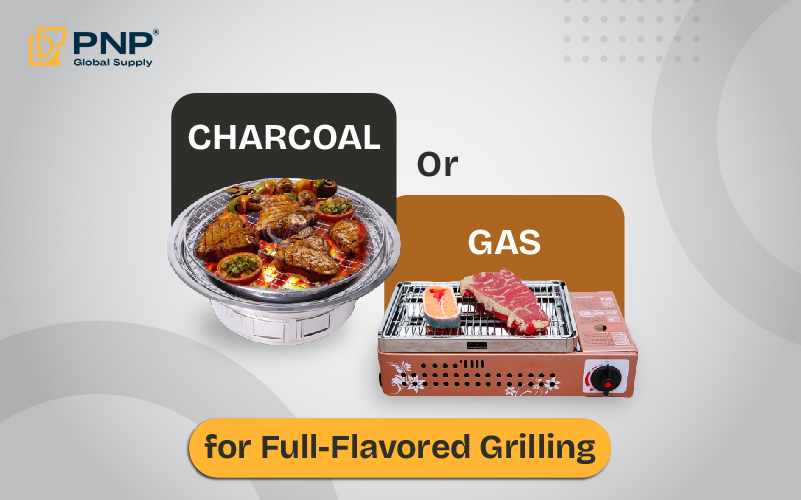
So, which one should you buy? There is no single right answer, only the right answer for you. If you value speed and convenience above all else, and you cook mostly burgers, dogs, and veggies, go with Gas. It’s the workhorse. It’s reliable, hot, and easy to clean. Just make sure you have a plan for the propane tank. If you love the process, enjoy the ritual, and want the best possible sear on your steaks, choose Charcoal. It’s cheap, durable, and delicious. But be prepared for the mess and the time commitment.
If you’re into smoking meats, love consistent results, and don’t mind plugging in a cord, Pellet is your winner. It’s the most versatile for low-and-slow cooking, and the 2026 compact models are finally small enough for patios. It’s the best choice if you want to cook ribs or pulled pork without spending twelve hours watching a fire. But remember, it won’t sear as hard as the others, and it needs dry storage.
Think about your typical week. How many times will you grill? What will you cook? Who are you cooking for? If it’s just you and a partner, a tiny charcoal kettle might be perfect. If you host friends often, a slightly larger gas grill with side tables makes sense. Don’t buy based on what you think you should like. Buy based on what you will actually use. A grill that sits covered in the corner is a waste of money and space, no matter how fancy it is.
In the end, the best grill is the one that gets fired up. Whether it’s the quick click of a gas igniter, the glow of charcoal briquettes, or the gentle hum of a pellet auger, the goal is the same: good food, fresh air, and a moment to breathe. Your small patio doesn’t limit your flavor. It just asks you to be a bit more thoughtful about how you get there. So measure twice, check the rules, and pick the tool that makes you excited to cook. The rest is just details.