It’s 6:03 PM. You’ve closed your laptop. The screen is black. But your brain? It’s still scrolling through emails that don’t exist anymore. You’re sitting on your couch, maybe staring at the wall or pretending to listen to your partner talk about their day, but you’re actually rehearsing an argument with a colleague from three hours ago. Sound familiar? It’s exhausting. And it’s not just you. In 2026, the line between "office" and "home" has become so blurry it’s practically invisible. We carry our jobs in our pockets, in our heads, and often, in our chests as a tight knot of anxiety.
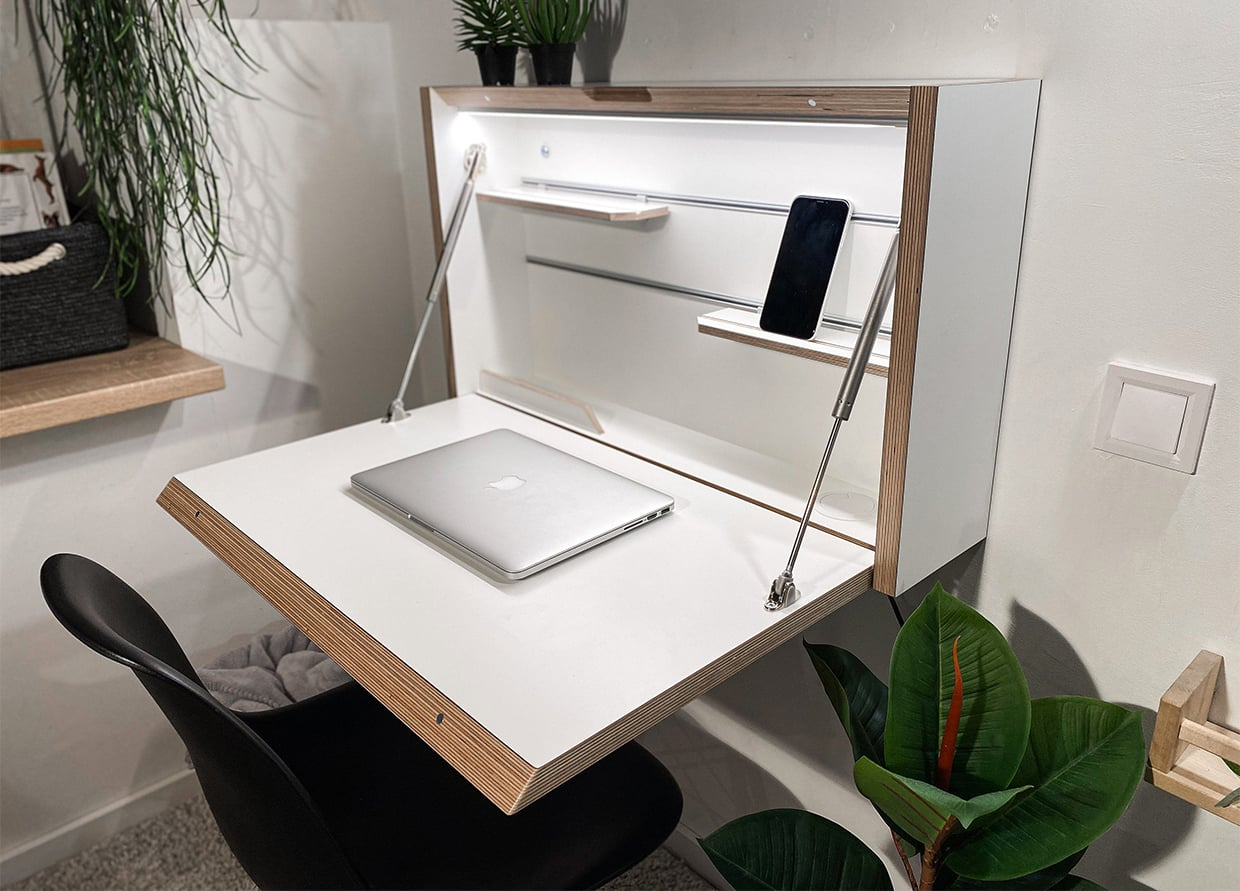
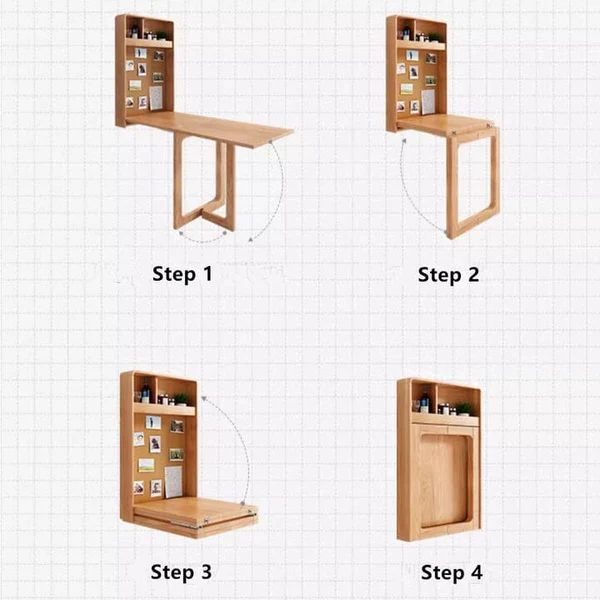
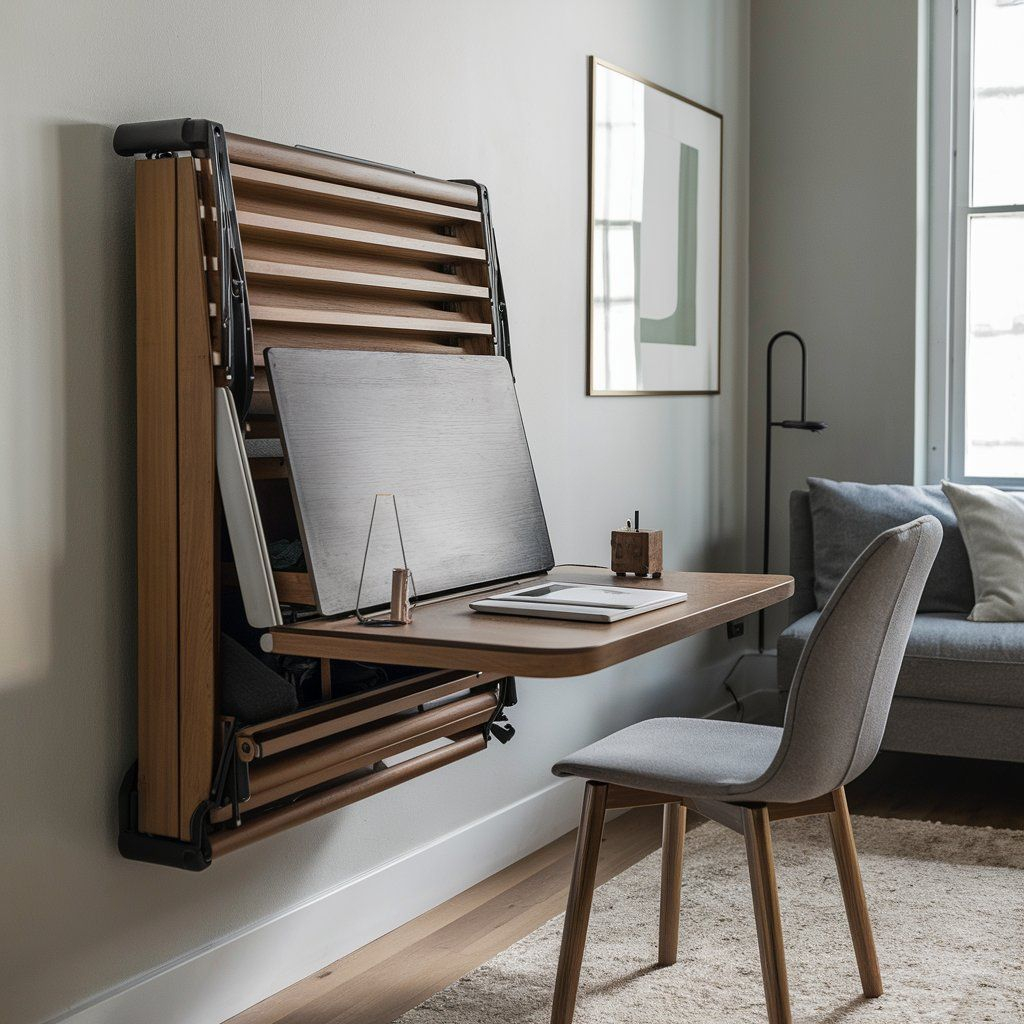
We tend to think of mental health protection as something big. Like quitting a toxic job. Or taking a month-long sabbatical. And sure, those are valid options. But what about the other 99% of days? The ones where you need to keep the paycheck but lose the stress? That’s where the concept of "folding away" comes in. It’s not about ignoring problems. It’s about creating a psychological container for them. Think of it like laundry. You don’t leave wet clothes in the washer forever; they get mildewy. You fold them, put them away, and deal with them when you need to wear them again. Work is the same. If you don’t fold it away, it spreads out and takes over your whole life.
So how do we actually do this? It’s not magic. It’s psychology. It’s about training your brain to recognize cues that signal "stop." It’s about building rituals that act as airlocks between your professional self and your personal self. This isn’t about being lazy. It’s about being sustainable. Because if you’re always "on," you’re never really off. And if you’re never off, you break. Let’s look at how we can start folding.
The Myth of the Always-On Employee
For years, we’ve been sold a lie. The idea that hustle equals worth. That if you aren’t answering Slack messages at 9 PM, you aren’t dedicated. This mindset is deeply ingrained in corporate culture, even as we move further into 2026. But here’s the truth: constant connectivity doesn’t make you better at your job. It makes you worse. Research from organizations like the CDC and NIMH has long shown that chronic stress degrades cognitive function. You make more mistakes. You’re less creative. You’re irritable. Yet, we keep doing it. Why? Fear. Fear of being replaced. Fear of looking weak.
This fear drives us to keep one eye open, even when we’re trying to sleep. We check our phones first thing in the morning and last thing at night. It creates a state of hyper-vigilance. Your body thinks it’s being hunted. Cortisol spikes. Heart rate stays elevated. Over time, this wears down your immune system and your mental resilience. It’s not sustainable. And frankly, it’s not productive. Companies are starting to realize this too. Boundary-setting is no longer seen as a "soft skill." It’s a performance requirement. Healthy boundaries encourage trust and mutual respect, according to experts at Lyra Health. Without them, burnout is inevitable.
Breaking this cycle starts with admitting that "always on" is a trap. It’s a race to the bottom. You can’t win it. The only way to win is to step off the track. This doesn’t mean you stop caring about your work. It means you care enough about yourself to protect the energy you bring to that work. When you’re rested, you’re sharper. When you’re disconnected, you’re more present. It’s a paradox, but it’s true. To be a better worker, you have to be a non-worker for a while.
Building Your Psychological Airlock
You need a transition. A buffer zone. Psychologists call this a "decompression ritual." It’s the airlock between the vacuum of space (work) and the atmosphere of Earth (home). Without it, the pressure change kills you. Okay, maybe not literally, but it feels like it. The problem is, most of us go straight from a high-stakes Zoom call to making dinner. There’s no pause. No shift in gear. Your brain doesn’t know it’s allowed to relax yet. So you bring the tension into your kitchen. You snap at your kids. You stare blankly at the stove.
Creating an airlock is simple, but it requires consistency. It could be a ten-minute walk around the block. No phone. Just walking. It could be changing your clothes the second you finish work. Taking off the "work shirt" and putting on the "home shirt." It sounds silly, but it works. It’s a physical cue that tells your brain, "The role is over. The actor can rest." Another option is a specific playlist. Listen to the same three songs every day at 5:30 PM. Eventually, your brain will associate those notes with freedom. It’s classical conditioning, baby. Pavlov had his dogs; you have your Spotify queue.
The key is that this ritual must be sacred. No checking emails during your walk. No answering calls while you change. If you let work leak into the airlock, the seal breaks. You have to be strict with yourself. At first, it’ll feel weird. You might feel guilty. That’s normal. Push through it. Remind yourself that this isn’t selfish. It’s maintenance. You’re servicing the machine so it doesn’t explode. After a few weeks, you’ll notice a shift. The moment you start your ritual, you’ll feel a physical drop in tension. Shoulders down. Jaw unclenched. Breath deeper. That’s the airlock working.
The Power of Digital Minimalism at Home
Let’s talk about the device in your pocket. It’s a portal to your office. And if you leave it open, work will walk right in. In 2026, digital minimalism isn’t just a trend; it’s a survival strategy. You don’t have to throw your phone in the ocean. But you do need to curate its presence in your home. Start with notifications. Turn them off. All of them. Except for actual emergencies. And define what an emergency is. Is a typo in a slide deck an emergency? No. Is a server crash an emergency? Maybe. But most things can wait until morning.
Create tech-free zones in your house. The bedroom should be one. The dinner table should be another. When you’re in these zones, your phone stays in another room. Charge it in the kitchen, not by your bed. This prevents the doom-scrolling loop before sleep. It also stops you from reflexively checking email when you wake up. Give yourself the gift of a slow morning. Let your brain wake up naturally, not with a blast of cortisol from a urgent-looking subject line. This small change can transform your entire day.
It’s also about intentionality. When you do use your phone, ask yourself why. Are you connecting with a friend? Looking up a recipe? Or are you just numbing out? Be honest. If it’s numbing, try something else. Read a book. Talk to someone. Stare at the ceiling. Boredom is okay. In fact, it’s healthy. It lets your mind wander. It lets you process emotions. Constant stimulation blocks that processing. By reducing digital noise, you create space for mental clarity. You fold away the digital clutter so you can see what’s actually important.
Cognitive Closure: Finishing the Loop
One reason work sticks to us is because of the Zeigarnik effect. It’s a psychological phenomenon where people remember uncompleted or interrupted tasks better than completed ones. Your brain hates loose ends. If you leave a task half-done, your brain keeps pinging you about it. "Hey, remember that report? Hey, remember that email?" It’s annoying. It’s distracting. And it prevents you from relaxing. The solution is cognitive closure. You have to convince your brain that the task is handled, even if it’s not finished.
How do you do this? Write it down. At the end of each day, spend five minutes reviewing what you did and what you didn’t do. For the unfinished stuff, write down the next step. "Email John about the budget." "Draft intro for project X." By writing it down, you externalize the memory. You tell your brain, "It’s safe. I won’t forget. I have a plan." This allows your brain to let go. It’s like closing a tab in your browser. You don’t need it open anymore. It’s saved. You can shut it down.
This practice also helps with prioritization. When you see everything on paper, you realize what actually matters. Often, we stress about things that aren’t that important. Seeing them listed out puts them in perspective. You can decide what to tackle tomorrow and what can wait. This reduces the anxiety of the unknown. You’re not facing a vague mountain of work. You’re facing a specific list of steps. That’s manageable. That’s foldable. Do this every day, and you’ll sleep better. I promise.
Reclaiming Your Identity Outside of Work
Who are you when you aren’t working? It’s a scary question for many people. We tie so much of our self-worth to our jobs. Our titles. Our salaries. Our productivity. But you are not your job. You are a person. A complex, messy, wonderful person with interests and hobbies and relationships that have nothing to do with spreadsheets. Reclaiming this identity is crucial for mental health. It provides a buffer against work stress. If you have a bad day at work, it doesn’t destroy you because you have other sources of joy and meaning.
Start small. What did you love doing before work took over? Painting? Hiking? Cooking? Gaming? Pick one thing and do it. Even if it’s just for twenty minutes. Connect with people who don’t know your boss. Friends who care about you, not your output. The NHS lists connecting with other people as one of the five steps to mental wellbeing. It builds a sense of belonging. It reminds you that you’re valued for who you are, not what you produce. This perspective is liberating. It takes the pressure off.
In 2026, community connection matters more than ever. Isolation fuels anxiety. Sharing experiences with others helps normalize struggles. You realize you’re not alone. Everyone is trying to figure it out. Support networks are vital. They act as a safety net when work gets tough. They remind you that there’s a world outside the office. A big, beautiful, chaotic world. Step into it. Engage with it. Let it fill you up. When you’re full of life, work stress has less room to grow. It becomes a part of your life, not the whole thing.
Let’s get practical. Theory is nice, but what do you actually do on a Tuesday? Here are some actionable tips to help you fold away work. First, set a hard stop time. Decide when work ends. Stick to it. Use an alarm if you have to. When the alarm goes off, stop. Close the tabs. Shut the laptop. Physically move away from your workspace. If you work from home, this is critical. Don’t work from your bed. Don’t work from your dining table if you can help it. Have a dedicated spot. When you leave that spot, work stays there.
Second, practice self-compassion. You’re going to slip up. You’re going to check email after hours. You’re going to worry about a meeting. Don’t beat yourself up. Acknowledge it. "Okay, I’m worrying. That’s normal. But I’m choosing to stop now." Be kind to yourself. Burnout often comes from perfectionism. From trying to do it all perfectly. Let go of perfect. Aim for good enough. Aim for sustainable. As noted by Positive Psychology, overcoming stigma and supporting yourself is key. Treat yourself like you’d treat a friend. Would you yell at a friend for resting? No. So don’t yell at yourself.
Third, move your body. The CDC highlights physical activity as a major booster for mental health. You don’t need to run a marathon. Just move. Stretch. Dance in your living room. Walk the dog. Exercise burns off stress hormones. It releases endorphins. It clears your head. Make it a part of your daily routine. Link it to your airlock ritual. Walk after work. Yoga before bed. Find what feels good and do it consistently. Your body and mind will thank you. These small actions add up. They build a fortress around your mental health.
Folding away work isn’t a one-time fix. It’s a daily practice. It’s a muscle you have to strengthen. Some days will be harder than others. Deadlines will loom. Crises will happen. But if you have these structures in place, you’ll bounce back faster. You’ll recover quicker. You’ll protect your peace. And in the long run, that’s what matters. Not the extra hour of work. Not the immediate reply. But your health. Your happiness. Your life. So start today. Fold away the work. Unfold your life. It’s waiting for you.