You know that sinking feeling? The one you get when you spot a fresh coffee ring on your brand-new oak table, or realize the leather on your favorite armchair is starting to crack just six months after the warranty expired. It hurts. Not just your wallet, but your heart a little bit too. We treat our cars with regular oil changes and our bodies with gym memberships, yet we often leave our most-used household items to fend for themselves against spills, sun, and daily wear.
In 2026, furniture isn’t just stuff. It’s an investment. With prices climbing and supply chains still occasionally hiccuping, replacing a sofa or a dining set feels like a major financial event. But here’s the secret nobody tells you at the checkout counter: the real protection doesn’t come from a piece of paper signed at purchase. It comes from what you do every single day. You don’t need expensive sprays or professional cleaners on speed dial. You just need a few simple habits.
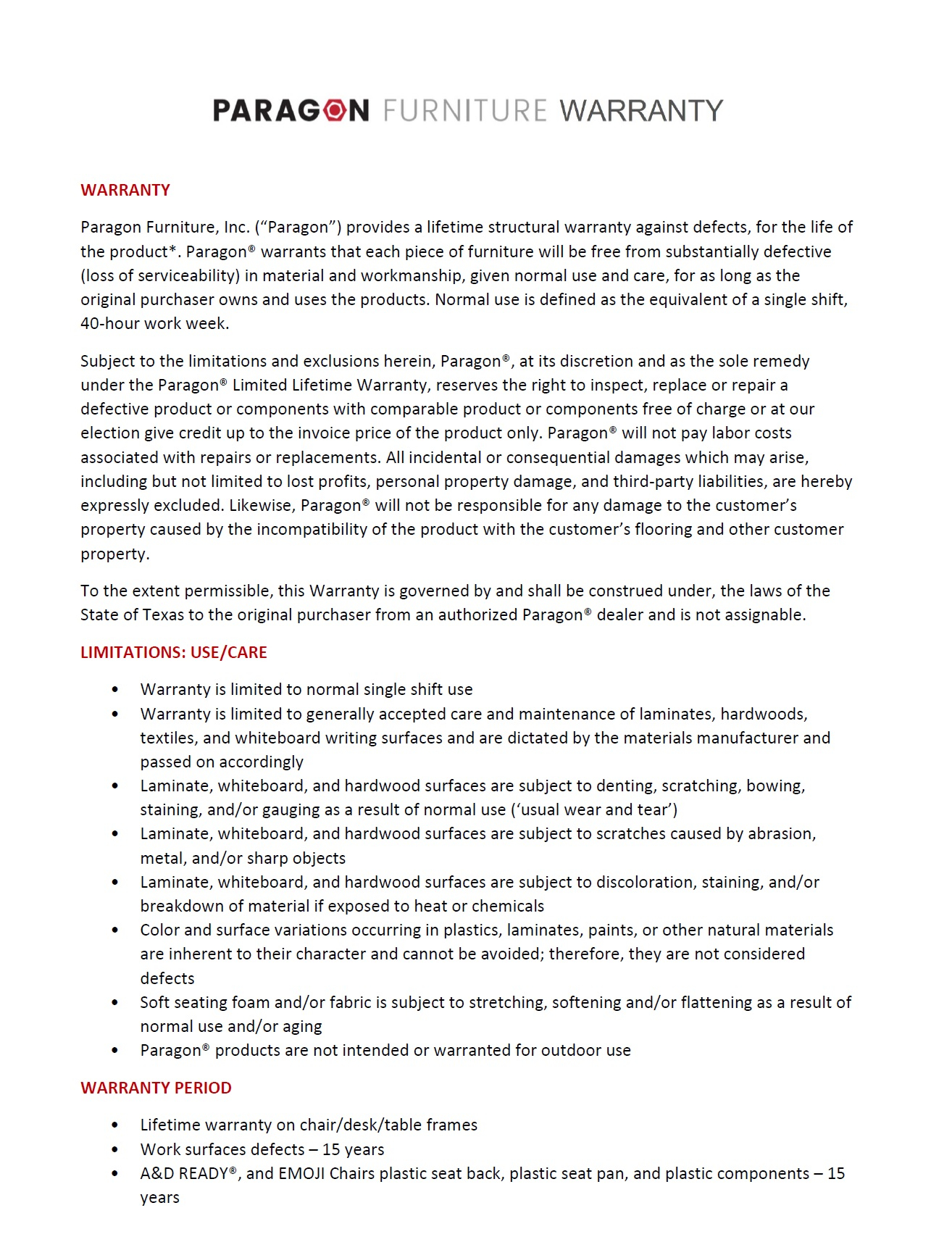
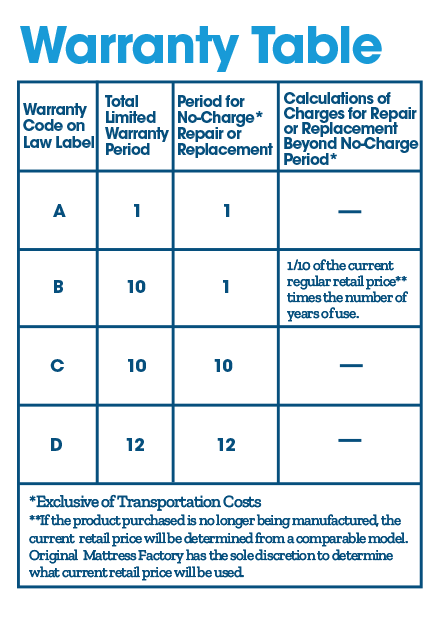
Let’s be honest. Most warranties are pretty useless for the things that actually happen in real life. They cover structural defects, sure. But they won’t save you from a toddler’s grape juice explosion or the slow fade of afternoon sunlight. So, how do you keep your pieces looking great for years, even decades? It starts with shifting your mindset from "repair" to "prevent." And luckily, the steps are easier than you think.
Know What You Actually Bought (And Read the Fine Print)
Before you can protect anything, you have to understand it. It sounds obvious, right? But most of us toss the care manual in a drawer and forget it exists. In 2026, manufacturers are getting better at providing digital care guides, but you still need to find them. Register your purchase. Seriously. It takes two minutes, and it ensures you get updates on recalls or specific maintenance tips tailored to your exact model. Vektaya notes that manufacturer-specific instructions always supersede general advice. Why? Because that "wood" table might have a unique lacquer that reacts badly to standard polish.
Take a photo of the fabric code or wood finish type. Keep it in your phone. When you’re standing in the cleaning aisle at the store, confused by the fifty different sprays, you’ll be glad you did. Using the wrong cleaner can strip finishes or set stains permanently. For instance, water-based cleaners can ruin certain untreated leathers, while solvent-based ones might dry out others. Knowing the difference between a "W" (water-safe) and "S" (solvent-only) upholstery code can save you from a disaster.
Also, check if you actually need a third-party protection plan. Willis Furniture’s 2026 guide highlights that these plans often cost 10-15% of the furniture’s price. For a $2,000 sofa, that’s $200-$300 upfront. Is it worth it? Maybe, if you have three dogs and twin toddlers. But for most people, that money is better spent on high-quality protective pads and a good vacuum. Read the fine print. Many plans exclude "normal wear and tear," which is exactly what you’re trying to prevent. Don’t pay for coverage you won’t use.
Create a Shield Against Daily Wear
Think of your furniture like your skin. It needs a barrier against the elements. For wooden surfaces, this means coasters. Always. I know, I know. It feels fussy. But condensation from a cold drink can seep into wood grain in minutes, leaving white rings that are a pain to remove. Use cork or silicone coasters, not just thin paper ones that slide around. For tables that see heavy use, consider a high-quality tablecloth or runner for daily meals, saving the bare wood for special occasions.
Upholstery needs love too. Fabric protectors have come a long way since the smelly sprays of the past. Modern eco-friendly options create an invisible shield that repels liquids without changing the feel of the fabric. Apply these when the furniture is new and clean. Reapply every year or so, depending on use. It’s not about making the fabric waterproof; it’s about giving you time to blot a spill before it becomes a stain. That extra minute matters.
Don’t forget the hidden heroes: felt pads and glides. ToolsRadar points out that smart options go beyond basic felt. Durable glides and edge guards prevent scratches on floors and damage to the furniture legs themselves. Check them every six months. Dust and grit get trapped under them, turning a protective pad into sandpaper. Replace them when they look worn. It’s a five-dollar fix that prevents five-hundred-dollar refinishing jobs. Small efforts, big payoff.
Master the Art of the Quick Clean
Cleaning isn’t about scrubbing hard. It’s about acting fast. The number one rule of stain removal? Blot, don’t rub. Rubbing pushes the liquid deeper into the fibers and spreads the mess. Keep a small kit handy: a clean white cloth, a mild dish soap solution, and a soft brush. White cloths are crucial because colored ones can bleed dye onto your furniture. Test any cleaner on a hidden spot first. Always.
For wood, dust regularly with a microfiber cloth. Dust particles are abrasive. If you let them sit, every time you wipe the table, you’re essentially sanding it down slightly. Use a damp cloth for sticky spots, then dry immediately. Avoid feather dusters; they just move dust around. And please, skip the aerosol polishes that leave a waxy buildup. That buildup attracts more dust and eventually turns gray and gummy. A simple mix of olive oil and vinegar works wonders for occasional nourishment, but less is more.
Leather needs breathing room. Wipe it down with a dry cloth weekly to remove body oils and dirt. Once a month, use a dedicated leather conditioner. This keeps the material supple and prevents cracking. Think of it like moisturizing your hands in winter. If you wait until it’s dry and cracked, it’s too late. Consistency is key. A five-minute wipe-down once a week is infinitely better than a four-hour deep clean once a year.
Control Your Environment
Your furniture lives in your home, and your home’s environment affects it deeply. Sunlight is beautiful, but it’s also a silent killer of fabrics and wood. UV rays break down fibers and fade colors. If your sofa sits in a direct sunbeam, rotate the cushions every few months so they fade evenly. Better yet, use sheer curtains or UV-filtering window film. It protects your furniture without turning your home into a cave.
Humidity is another tricky factor. Wood expands and contracts with moisture changes. In dry winters, wood can crack. In humid summers, it can warp. Aim for a consistent indoor humidity level, ideally between 40-50%. A simple hygrometer can tell you where your home stands. If it’s too dry, a humidifier helps. Too damp? A dehumidifier or better ventilation is your friend. This is especially important for antique or solid wood pieces that haven’t been engineered to withstand extreme shifts.
Temperature matters too. Keep furniture away from radiators, vents, and fireplaces. Direct heat dries out wood and leather rapidly. If you can’t move the piece, use a heat deflector or a thick rug barrier. It’s about creating a stable zone. Your furniture thrives on consistency. Sudden changes are what cause damage over time. Think of it as creating a comfortable climate for your guests, not just yourself.
Rotate, Fluff, and Distribute Weight
We tend to sit in the same spot on the couch. We put our keys in the same bowl. We lean on the same armrest. This creates uneven wear. To combat this, rotate your cushions regularly. Flip them over and swap their positions. This ensures that the foam compresses evenly and the fabric wears uniformly. It’s like rotating your tires. It extends the life of the component significantly.
For dining chairs, swap them around the table every few months. The chair at the head of the table often gets more abuse than the ones on the sides. By rotating them, you spread the wear across all the pieces. If one chair starts to look tired, it’s less noticeable if they all share the burden. This simple habit can add years to the lifespan of a dining set.
Don’t overload shelves or surfaces. Every piece of furniture has a weight limit. Exceeding it stresses the joints and can lead to sagging or breaking. Distribute weight evenly. If you have a long bookshelf, place heavier items near the supports, not in the middle. It’s basic physics, but we often ignore it. Treat your furniture with respect, and it will hold up under pressure. Literally.
Protection isn’t a one-time event. It’s a lifestyle. But it doesn’t have to be complicated. Create a simple calendar. Maybe the first Saturday of every month is "Furniture Check Day." Spend fifteen minutes inspecting your pieces. Tighten loose screws. Check for wobbly legs. Look for early signs of wear. Catching a loose joint early means a quick tighten with a screwdriver. Ignoring it means a broken leg and a costly repair later.
Keep a small toolkit handy. A hex key set, a screwdriver, and some wood glue can handle 80% of minor issues. Don’t wait for something to break completely. If a drawer starts sticking, address it now. Sand the edges slightly or apply some wax. Proactive maintenance is cheaper and less stressful than reactive repairs. It empowers you to take control of your home environment.
Finally, appreciate what you have. When you care for your furniture, you build a connection with it. You notice the grain of the wood, the texture of the fabric. You start to see it not as a disposable item, but as a part of your home’s story. This mindset shift is the most powerful tool you have. It makes the small efforts feel worthwhile. And in 2026, where sustainability and longevity are valued more than ever, that’s a win for your wallet and the planet.
So, there you have it. No magic spells, no expensive subscriptions. Just awareness and action. Start small. Pick one tip from this list and try it this week. Maybe it’s buying those coasters you’ve been ignoring. Maybe it’s registering that sofa you bought last year. Every little bit helps. Your furniture will thank you, and so will your bank account. After all, the best warranty is the one you create yourself, day by day.