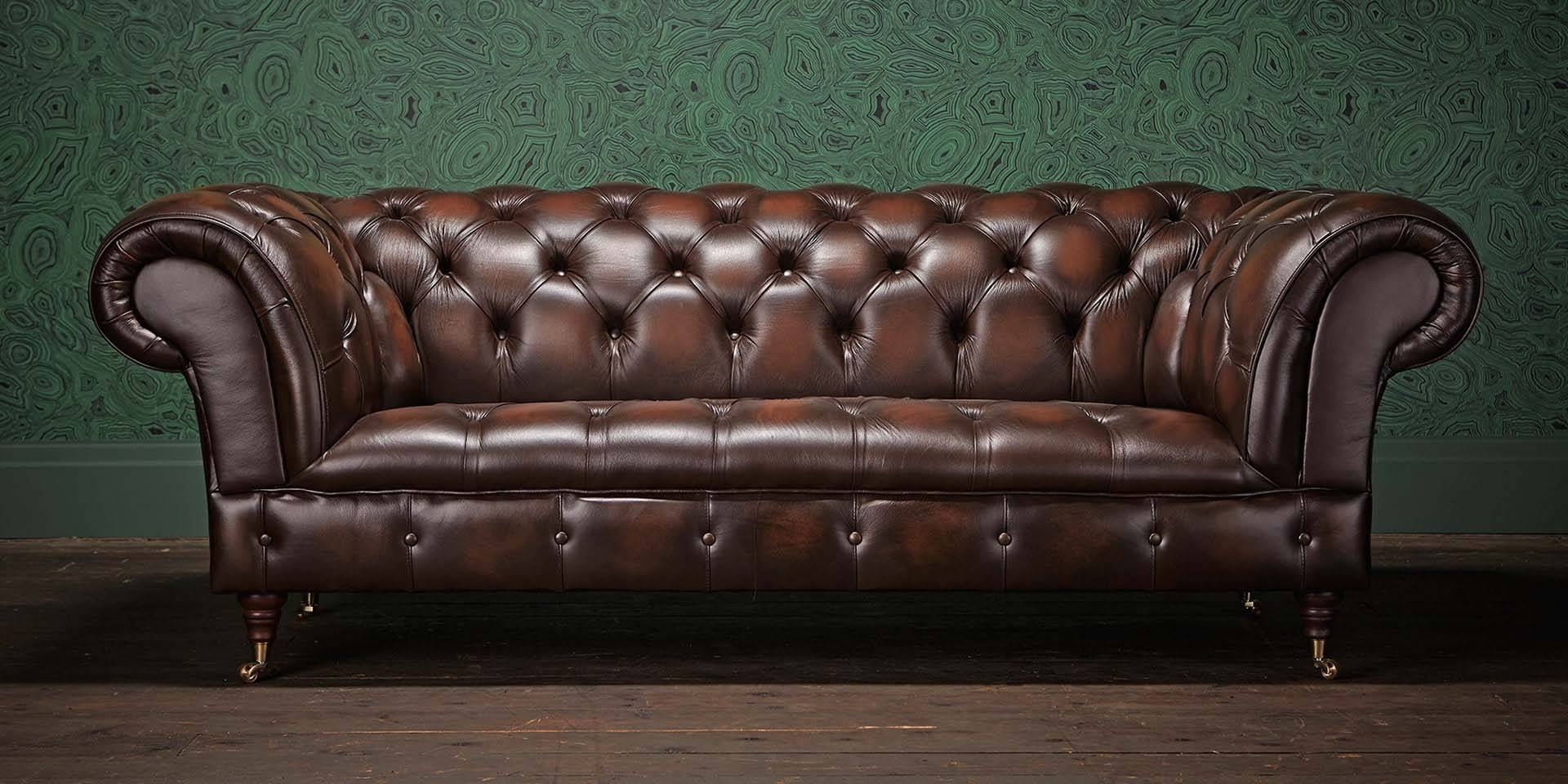
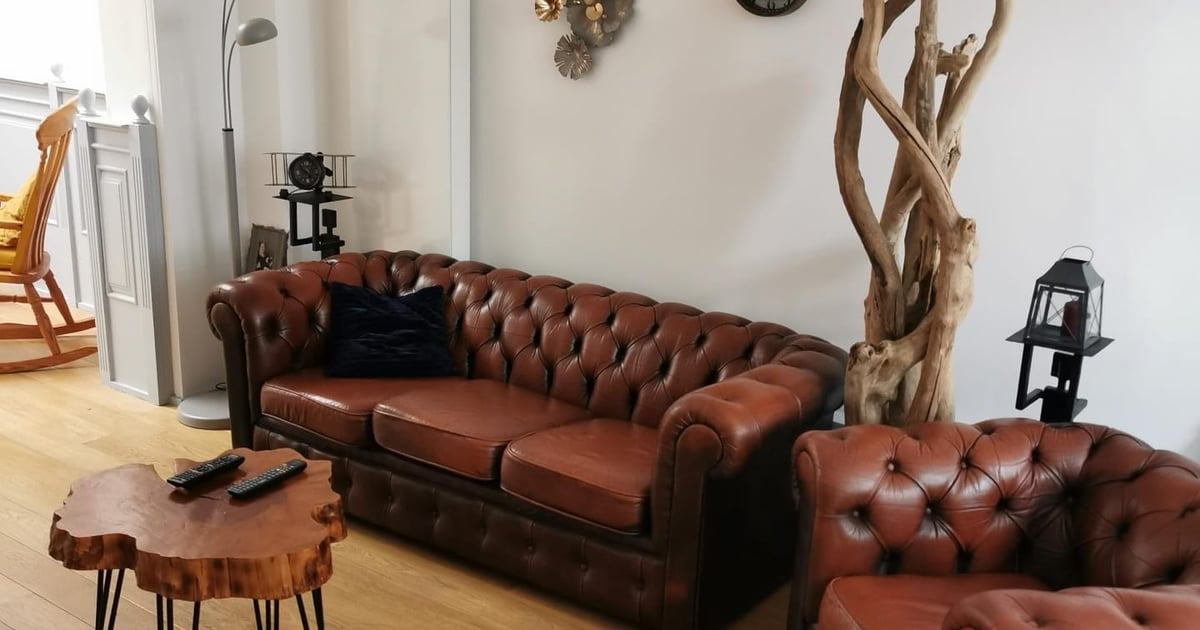
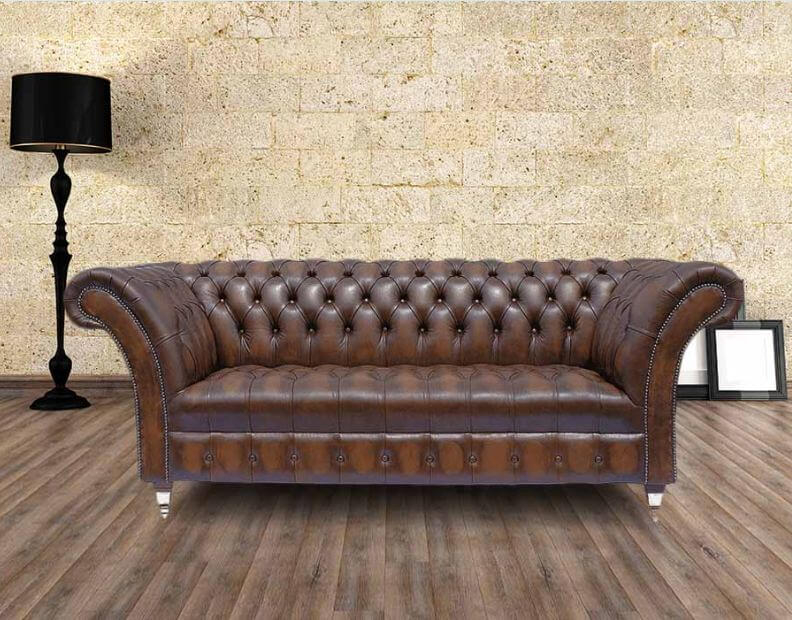
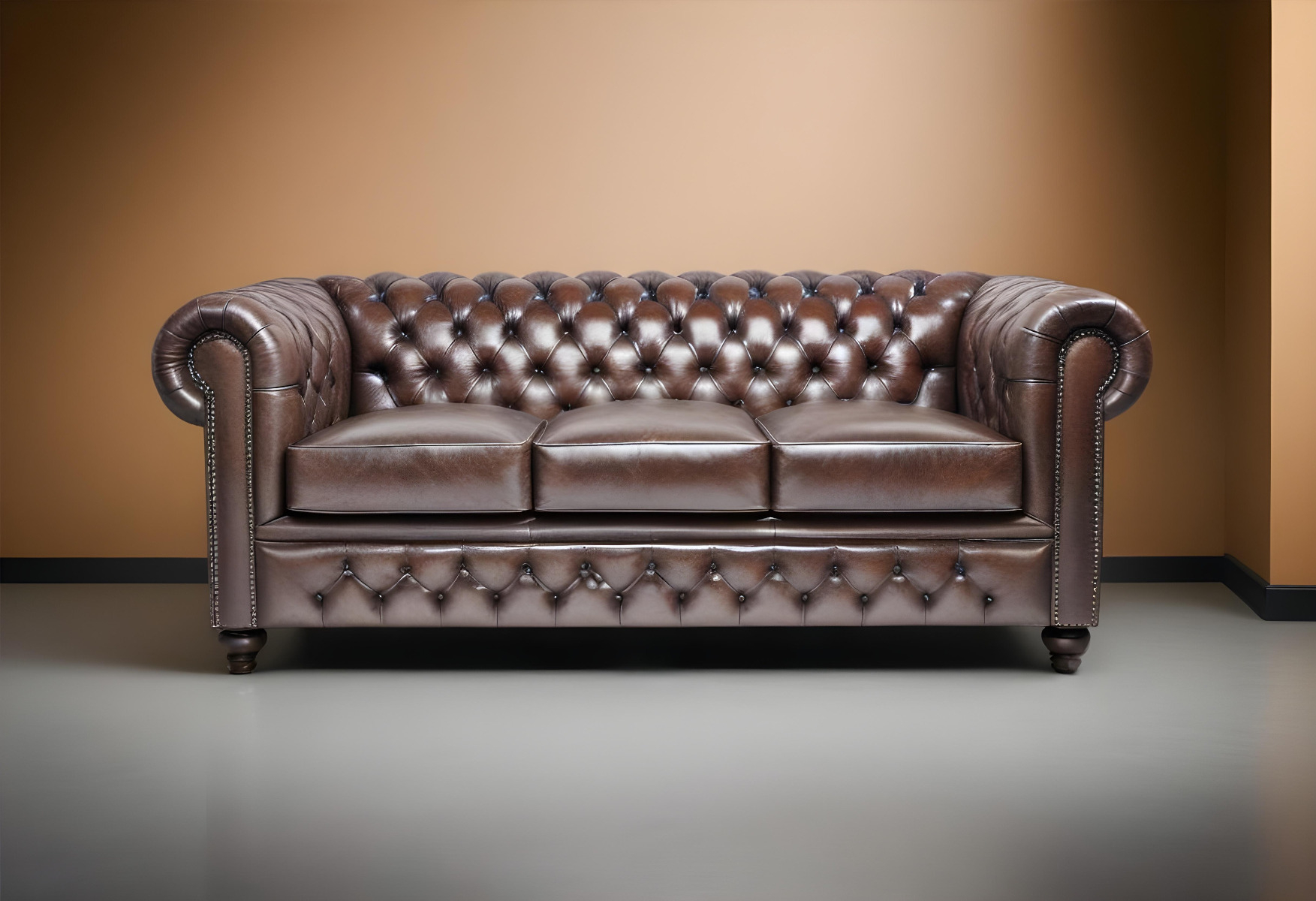
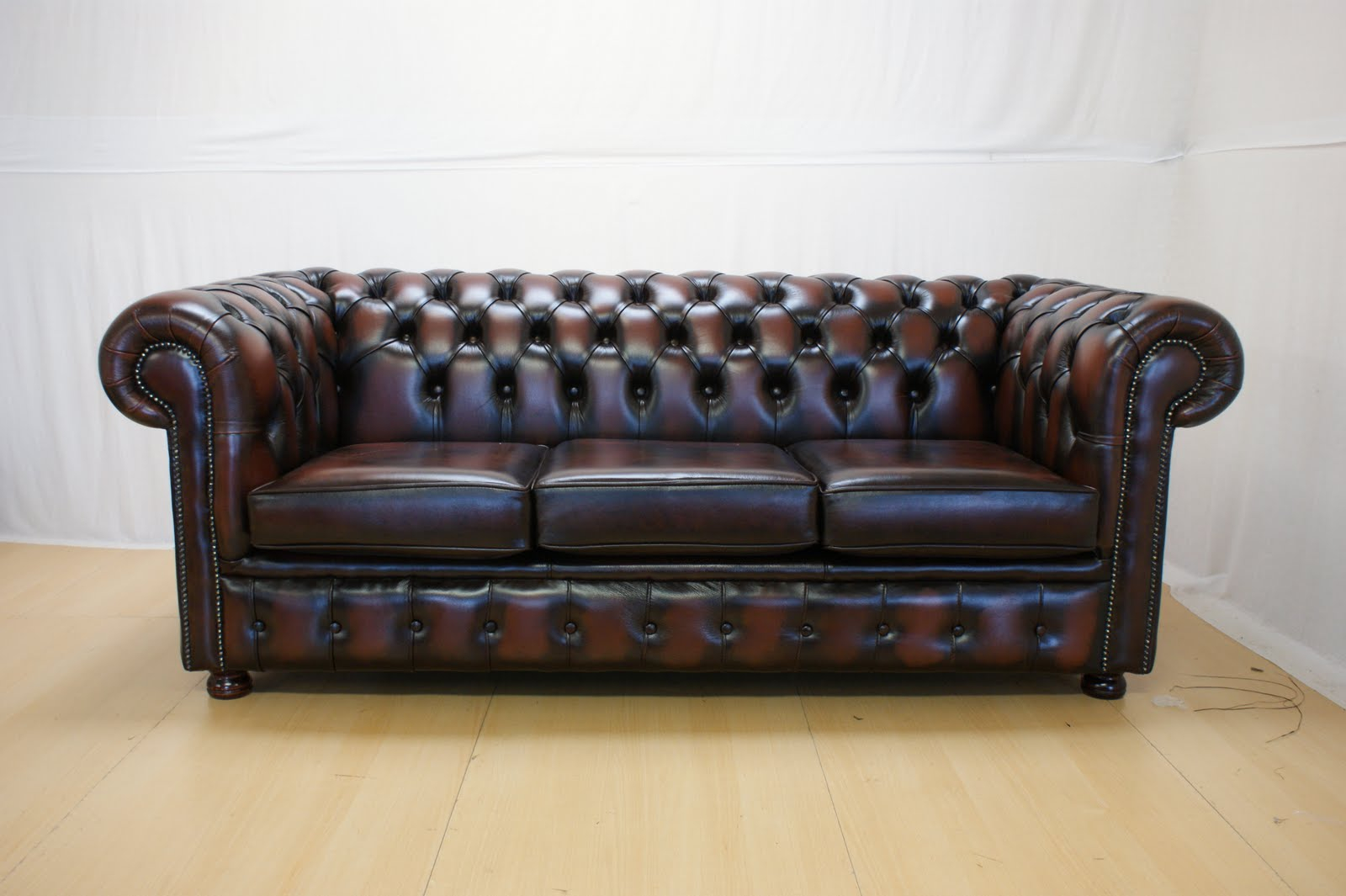
There is something undeniably magnetic about a Chesterfield sofa. You know the one. Deep button tufting, rolled arms that sit at the same height as the back, and that distinct smell of rich, aged leather that seems to whisper stories of late-night conversations and quiet Sunday mornings. But let’s be real for a second. That magic doesn’t just happen on its own. It requires a bit of love. And by love, I mean conditioning.
If you have ever run your hand across a dry, cracked piece of leather, you know the heartbreak. It feels like sandpaper instead of silk. It looks tired. Neglected. The good news? It is rarely too late to bring it back. Conditioning isn’t just about making it look pretty, though that is a nice bonus. It is about survival. Leather is skin, after all. Just like our own, it dries out. It loses its oils. And when that happens, it cracks. Once those cracks set in, there is no going back. So, how do we stop that? We feed it. We protect it. And we do it with a steady hand.
Knowing When to Feed the Beast
Timing is everything. You might think more is better, right? Slather on the conditioner every month and call it a day. Wrong. Actually, that is one of the fastest ways to ruin a good sofa. Over-conditioning creates a buildup. It clogs the pores of the leather. Instead of breathing, the leather starts to suffocate under a layer of waxy gunk. This attracts dirt. It gets sticky. And eventually, it can lead to premature aging. On the flip side, waiting ten years between treatments is a recipe for disaster. By then, the damage is done.
So, what is the sweet spot? For most households, conditioning once or twice a year is perfect. If your sofa sits in a sun-drenched living room or you have pets that treat it like their personal throne, you might lean toward every six months. If it is in a low-traffic study and barely sees the light of day, once a year is plenty. Think of it like moisturizing your hands. In winter, you do it daily. In summer, maybe less often. Listen to the leather. If it feels stiff or looks dull, it is thirsty. If it feels soft and has a natural sheen, leave it alone.
It also depends on the type of leather. Aniline leather, which is untreated and porous, drinks up conditioner like a sponge. It needs more frequent attention. Protected or pigmented leather has a coating that repels moisture, so it needs less. Most modern Chesterfields use a semi-aniline or protected finish, striking a balance between beauty and durability. Check your manufacturer’s guidelines if you have them. If not, the touch test is your best friend. Gentle pressure should leave no permanent mark. If it does, or if the color changes drastically, proceed with caution.
Gathering Your Arsenal
Before you dive in, you need the right tools. Walking into a hardware store and grabbing the first bottle of "leather care" you see is a gamble. Many commercial cleaners are loaded with silicones and harsh chemicals. They give a quick shine, sure, but they strip the natural oils over time. You want something that nourishes, not just masks. Look for conditioners with natural ingredients like lanolin, beeswax, or neatsfoot oil. These mimic the natural fats found in hide. They penetrate deep rather than sitting on top.
You will also need a few simple supplies. Two soft, lint-free microfiber cloths are essential. One for applying, one for buffing. Do not use paper towels. They leave behind little white fibers that get stuck in the tufting, and nobody wants to spend an hour picking those out with tweezers. A soft-bristled brush, like a clean horsehair shoe brush, can help work the conditioner into the deep buttons and crevices. And finally, patience. You cannot rush this process.
Avoid anything with solvents or alcohol. These are drying agents. They are the enemy. Also, steer clear of household hacks like vinegar or olive oil. Yes, you read that right. Olive oil goes rancid. It smells bad after a few weeks and attracts pests. Vinegar is too acidic. Stick to products designed specifically for fine furniture leather. Brands like Lexol, Chamberlain’s, or specialized Chesterfield care kits are reliable choices. Test any new product on a small, hidden area first, like the back or underside of a skirt. Wait twenty-four hours. If there is no discoloration or weird texture change, you are good to go.
The Prep Work Matters More Than You Think
You would never put lotion on dirty skin, right? Same logic applies here. Conditioning a dirty sofa seals in the grime. It creates a muddy layer that is impossible to remove without stripping the leather entirely. So, step one is always cleaning. Start by vacuuming the sofa thoroughly. Use a soft brush attachment. Get into those deep tufts. Dust and crumbs love to hide there. Be gentle around the buttons. You do not want to pull them loose.
Next, wipe down the entire surface with a damp cloth. Not soaking wet, just damp. Use distilled water if you can, as tap water sometimes contains minerals that leave spots. For tougher stains, use a mild leather cleaner or a solution of warm water and a tiny drop of mild soap, like castile soap. Dab, do not rub. Rubbing spreads the stain and damages the grain. Work in small sections. Rinse your cloth frequently. You want to lift the dirt, not push it around.
Once cleaned, let the sofa dry completely. This is crucial. If you apply conditioner to damp leather, it traps the moisture underneath. This can lead to mold or mildew, especially in humid climates. Give it at least a few hours, or even overnight if you did a deep clean. The leather should feel cool and dry to the touch. This is your blank canvas. Taking the time here ensures the conditioner absorbs evenly and works effectively. It is the difference between a quick fix and a lasting restoration.
The Application Dance
Now for the main event. Pour a small amount of conditioner onto your application cloth. Do not pour it directly onto the sofa. You want control. Start with a dime-sized amount. You can always add more, but you cannot take it away. Begin at the top of the backrest or one of the arms. Work in circular motions. Keep the circles small and consistent. This helps the conditioner penetrate the grain evenly.
Pay special attention to high-wear areas. The arms, the seat cushions, the front edge of the seats. These spots take the most friction and body heat, so they dry out faster. Give them a slightly heavier coat, but still, keep it thin. For the deep button tufting, use your soft brush or your finger wrapped in the cloth. Gently work the conditioner into the folds. This is where cracks usually start, so do not skip it. It is tedious, yes. But it is worth it.
Move systematically across the sofa. Do not jump around. Finish one section before moving to the next. This prevents missed spots and ensures you do not double-up on any area. If you notice the leather drinking up the conditioner quickly, that is a sign it was very dry. You might need a second thin layer after the first one dries. But resist the urge to glob it on. Thin layers are key. Think of it like painting a wall. Two thin coats look better than one thick, drippy one.
The Waiting Game and The Buff
Once you have covered the entire sofa, step back. Let it sit. The conditioner needs time to soak in. This is not a wipe-on, wipe-off situation. Let it rest for at least thirty minutes, though an hour is better. During this time, the oils are migrating into the fibers, replenishing what was lost. Do not sit on it. Do not let the cat jump on it. Just let it be.
After the waiting period, take your second clean, dry microfiber cloth. Now, you buff. Use long, smooth strokes. This removes any excess conditioner that did not absorb. It also brings out the natural luster of the leather. You should see a subtle shine, not a glossy plastic look. If the cloth comes away with a lot of residue, you used too much. Keep buffing until the cloth is mostly clean.
This step is satisfying. You will feel the texture change under your hand. It becomes smoother, softer. Supple. If there are still sticky spots, buff them more. Sticky means excess. Excess means dirt magnet. You want a satin finish. Natural. Elegant. Take your time here. The buffing process is what gives the Chesterfield that expensive, well-cared-for glow. It is the final polish on your hard work.
You are done. The sofa looks incredible. But now what? Maintenance is not a one-and-done deal. It is a lifestyle. To keep your Chesterfield in top shape between conditionings, keep it out of direct sunlight. UV rays are brutal on leather. They fade the color and dry out the oils rapidly. If you cannot move the sofa, use curtains or blinds during the brightest part of the day.
Keep it away from heat sources too. Radiators, fireplaces, heating vents. Heat accelerates drying. If your sofa is near a radiator, consider using a heat deflector. Humidity matters as well. Extremely dry air sucks moisture from leather. In winter, if your home is very dry, a humidifier can help both your skin and your sofa. Conversely, high humidity can promote mold. Aim for a balanced indoor environment.
Rotate your cushions if they are removable. This ensures even wear. Fluff them regularly. And address spills immediately. Blot, never wipe. The faster you act, the less likely a stain will set. By following these simple habits, you extend the time between deep conditionings. You keep the leather healthy day-to-day. It is about consistency. Small actions, repeated over time, create lasting results. Your grandchildren will thank you. Really. A well-kept Chesterfield is an heirloom.
Owning a Chesterfield is a privilege. It is a statement piece that anchors a room. But it is also a responsibility. By understanding the rhythm of care—cleaning, conditioning, protecting—you ensure that this investment remains beautiful for decades. It is not complicated. It just requires attention. And maybe a little bit of patience. But when you sink into that soft, supple leather after a long day, knowing you helped preserve its soul, it feels pretty good. Doesn’t it?