We’ve all been there. You’re staring at that battered oak desk in the corner of your home office. It’s got a coffee ring stain that looks like a map of some forgotten continent and a drawer that sticks if you look at it wrong. You’ve bought a shiny new standing desk, and this old relic is just… in the way. The temptation to drag it to the curb late at night, hoping the garbage truck gods will take mercy on it, is real. It’s easy. It’s free. And honestly? It feels like someone else’s problem.
But here’s the thing. It’s not. That desk doesn’t just vanish into thin air. When we choose the lazy route of dumping, we’re kicking a can down a road that leads to a very crowded, very toxic place. In 2026, with landfills reaching critical capacity and climate goals becoming more urgent than ever, the way we say goodbye to our furniture matters more than we think. Choosing a proper pickup service isn’t just about following rules; it’s about making a choice that ripples out into the environment in ways you might not expect.
Let’s talk about what actually happens when you leave that desk on the sidewalk versus when you schedule a legitimate haul-away. It’s not just about aesthetics or civic duty. It’s about methane, microplastics, and the hidden life cycle of wood and metal. By the end of this, you’ll see that old desk in a whole new light. Maybe even as a resource, rather than trash.
The Illusion of "Away
There is no such place as "away." When we toss something out, we tend to think it disappears. Poof. Gone. But in reality, it just moves from our sight to a massive pile somewhere else. For bulky items like desks, this journey is particularly messy. Most municipal waste systems aren’t designed to handle large furniture items in the regular trash stream. When you dump a desk on the curb illegally, it often ends up being collected by private scavengers or, worse, left to rot until the city sends a special crew to deal with it.
If that desk ends up in a landfill, which is the most likely outcome for dumped items, it begins a slow, anaerobic decomposition process. Wood, especially if it’s treated, varnished, or painted, doesn’t break down cleanly. As it rots without oxygen, it releases methane. You’ve probably heard of methane. It’s a greenhouse gas that is roughly 28 to 80 times more potent than carbon dioxide at trapping heat in the atmosphere, depending on the timeframe you look at. So, that simple act of dumping? It’s contributing directly to the warming of our planet.
And it’s not just the wood. Think about the hardware. The screws, the metal brackets, the plastic glides. These materials don’t decompose. They sit there, leaching chemicals into the soil and groundwater over decades. By choosing a professional pickup service, you ensure that the item is tracked and directed toward a facility that can handle these materials properly. It breaks the chain of ignorance. You know where it’s going. And more importantly, it’s not going into a hole in the ground to fester.
The Magic of Second Lives
Here’s a secret: most old desks are not actually trash. They are just misplaced resources. When you opt for a pickup service through a reputable charity, a furniture bank, or a specialized recycling company, you are opening the door to reuse. In 2026, the circular economy is no longer just a buzzword; it’s a necessity. Organizations that pick up furniture often sort items immediately. If a desk is structurally sound, it gets cleaned, maybe sanded down, and donated to schools, non-profits, or families in need.
This extends the life of the product. Manufacturing a new desk requires raw materials—trees cut down, metal mined, energy consumed in factories. By keeping an existing desk in circulation, you avoid all that upstream environmental cost. It’s called "avoided emissions," and it’s huge. Every piece of furniture reused is one less piece that needs to be made from scratch. It’s a direct subtraction from the demand side of the equation.
Even if the desk is too beat up for direct reuse, pickup services often have partnerships with refurbishers. A scratched surface can be refinished. A wobbly leg can be stabilized. These small repairs breathe new life into items that would otherwise be considered junk. When you dump, you strip the item of its potential. When you arrange for pickup, you give it a chance to be valuable again. It’s a shift in mindset from waste to worth.
Breaking Down the Materials
Let’s get into the nitty-gritty of what your desk is actually made of. Most modern desks are a composite nightmare. They aren’t just solid wood. They are particleboard, MDF (medium-density fiberboard), veneers, plastics, and metals all glued together. This complexity makes them difficult to recycle if they aren’t handled correctly. Illegal dumping bypasses the sorting process entirely. The entire mixed-material item goes into the landfill.
Professional pickup services, however, often employ deconstruction techniques. They can separate the metal legs from the wooden top. Metal is infinitely recyclable. Aluminum and steel can be melted down and reformed without losing quality. This saves enormous amounts of energy compared to mining new ore. The wood components, if separated, can sometimes be chipped for mulch or used in biomass energy production, which is far cleaner than letting them rot in a landfill.
The glues and finishes are the tricky part. Older desks might contain formaldehyde-based adhesives or lead-based paints. Proper disposal facilities have protocols for handling these hazardous components. They ensure that toxic substances don’t leak into the environment. When you dump, you’re gambling that rain won’t wash those toxins into the local water table. It’s a risk you don’t have to take if you use a service that knows how to handle hazardous waste streams. It’s about precision, not just disposal.
The Carbon Footprint of Hauling
You might be thinking, "But doesn’t driving a truck to pick up my desk create pollution?" It’s a fair question. Transportation does have a carbon cost. However, the key difference lies in efficiency and intent. Illegal dumping often involves multiple trips. First, you might drive to buy tie-downs. Then, you might try to fit it in your car, fail, and then rent a truck. Or, the city has to send a separate, specialized truck to come back and collect the illegal dump after complaints. These are inefficient, high-emission activities.
Reputable pickup services optimize their routes. They use software to cluster pickups in specific neighborhoods on specific days. One truck picks up ten desks in one loop, rather than ten different people making ten different trips. This consolidation drastically reduces the per-item carbon footprint of transportation. In 2026, many of these fleets are also transitioning to electric or hybrid vehicles, further slashing emissions.
Furthermore, consider the alternative. If that desk is recycled or reused, the carbon savings from avoiding new manufacturing far outweigh the emissions from the pickup truck. Life-cycle assessments consistently show that the transport phase is a small fraction of a product’s total environmental impact. The big wins are in material recovery and manufacturing avoidance. So, while the truck does burn fuel, it’s burning it to save much larger amounts of carbon elsewhere. It’s an investment, not just a cost.
Community Health and Social Equity
Environmental justice is a huge part of this conversation. Illegal dumping doesn’t happen evenly across a city. It tends to cluster in underserved communities, vacant lots, and areas with less political power. These piles of discarded furniture become eyesores, yes, but they also become health hazards. They attract pests like rats and insects. They can block sidewalks, creating accessibility issues for people with disabilities. They lower property values and create a sense of neglect.
When you choose to dump, you are effectively exporting your waste problem to someone else’s neighborhood. It’s a form of social pollution. By using a legitimate pickup service, you are respecting the shared space we all live in. You are ensuring that waste management systems function as intended, funded by taxes and fees that support community infrastructure.
Moreover, many pickup services are tied to social enterprises. Non-profits that collect furniture often provide job training for people re-entering the workforce. They teach skills in logistics, repair, and customer service. Your decision to pay for or schedule a pickup might directly support someone’s journey to stable employment. It turns a transaction into a community benefit. It’s hard to put a price on that kind of positive ripple effect. It makes the act of getting rid of something feel a bit more like giving back.
Making the Right Choice in 2026
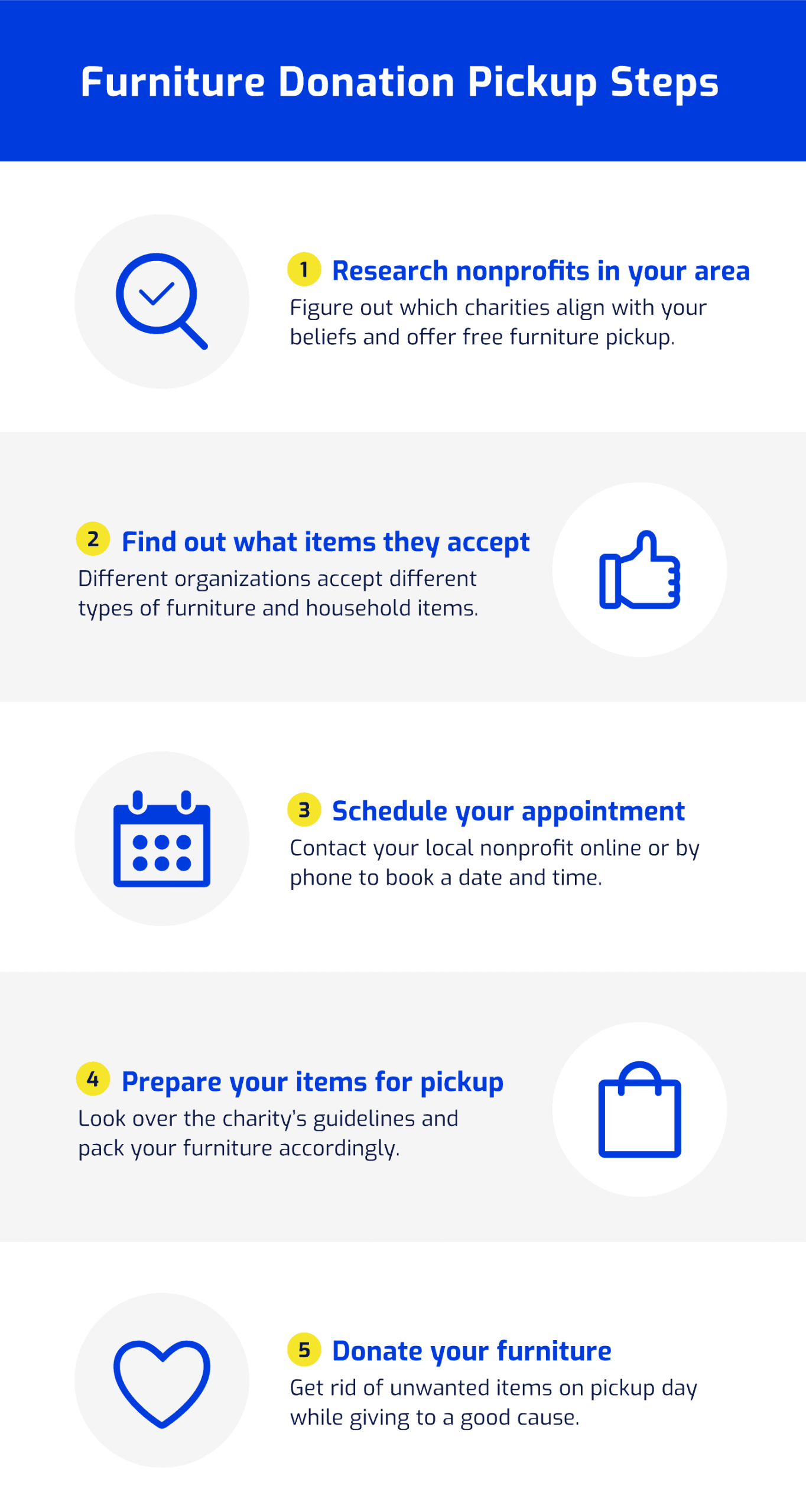
So, how do you actually do this? It’s easier than you think. In 2026, digital platforms have made scheduling pickups incredibly simple. Many municipalities offer bulk waste collection days where you can register online. Charities like Habitat for Humanity ReStore or local furniture banks often have online forms where you can describe your item and schedule a free pickup if it’s in good condition. There are also private junk removal services that prioritize recycling and donation over landfilling.
Start by assessing the condition of your desk. Is it usable? If yes, look for donation options first. Take a photo, measure it, and reach out to local charities. They’ll tell you if they can take it. If it’s broken beyond repair, look for a junk removal service that explicitly states their recycling rates. Ask them: "Where does the wood go? Where does the metal go?" Transparency is key. Avoid services that seem vague about their disposal methods.
Don’t wait until the last minute. Procrastination leads to desperate decisions, and desperate decisions lead to curbside dumping. Plan ahead. If you’re buying a new desk, see if the retailer offers a "haul-away" service for the old one. Many do now, as part of their sustainability commitments. It might cost a little extra, but think of it as an environmental fee. It’s a small price to pay for peace of mind and a clear conscience. And hey, it’s better than dealing with the guilt later.
It’s easy to feel small in the face of global environmental challenges. One desk seems insignificant compared to industrial pollution or deforestation. But culture shifts happen one action at a time. When you choose pickup over dumping, you’re signaling a value. You’re telling the market that you care about where things go. You’re setting an example for neighbors, friends, and family. These behaviors are contagious.
In 2026, we are seeing a growing awareness of material flows. People are starting to understand that waste is a design flaw. By handling your old desk responsibly, you are participating in a larger movement toward a circular economy. You are keeping materials in use and out of the earth. You are reducing methane. You are supporting local jobs. You are protecting your community’s health.
So, the next time you’re staring at that old, scratched-up desk, don’t see it as a burden. See it as an opportunity. An opportunity to make a choice that aligns with the world you want to live in. Dragging it to the curb might be easy, but picking up the phone and scheduling a proper pickup is powerful. It’s a small act, sure. But it’s yours. And it matters. Let’s keep our cities clean, our air breathable, and our consciences clear. One desk at a time.