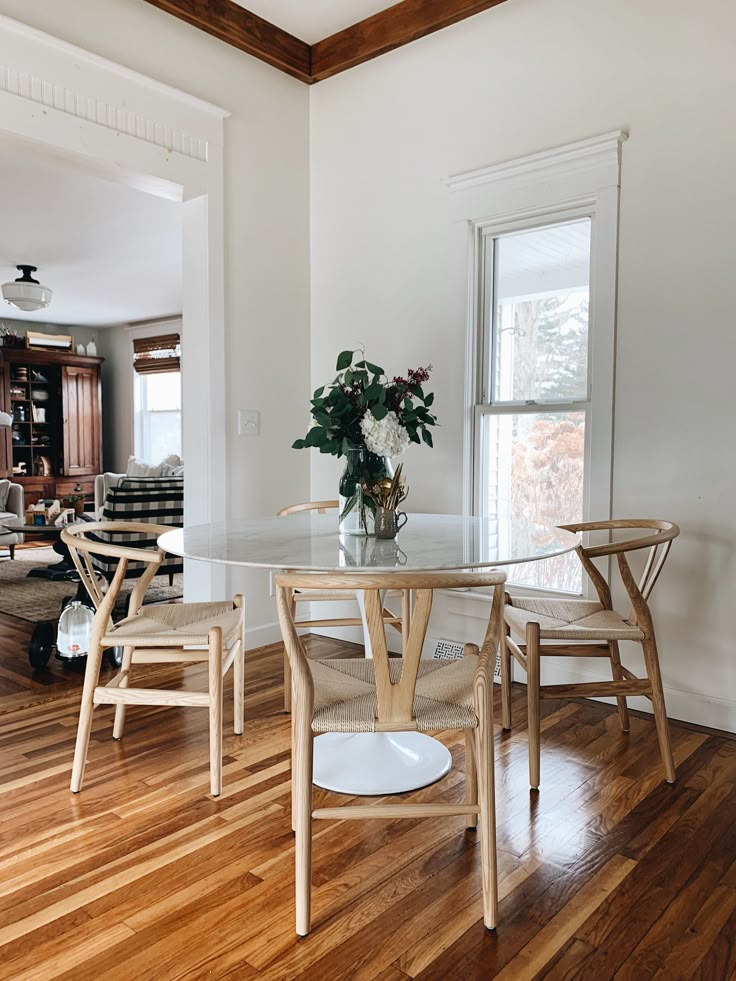
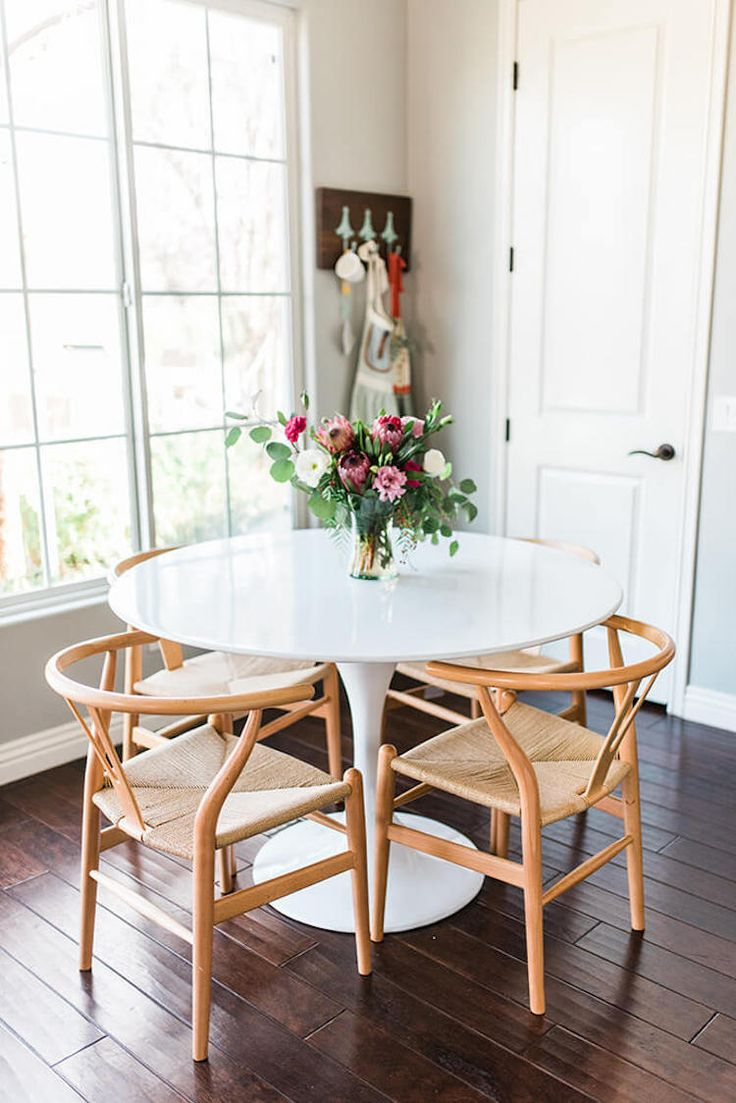
You know that feeling when you finally find the chair. Not just any chair, but the one with those sweeping arms and the iconic Y-back that seems to hug you just right. It’s the Wishbone chair, a mid-century masterpiece by Hans Wegner that has refused to go out of style since the 1950s. But here’s the thing most people miss until it’s too late: the wood finish isn’t just about looks. It’s the skin of the chair. It’s what stands between your morning coffee spill and a permanent stain. It’s what protects the grain from the scratches of a toddler’s toy car or the wear of your jeans after a long day at the desk.
So, why does this matter so much in 2026? Well, we’re living in homes that do double, sometimes triple, duty. That dining table is now a homework station, a laptop hub, and a dinner spot. The chair you pick needs to keep up. If you choose a finish based solely on how it looks in a showroom photo, you might end up with a piece that looks tired within six months. But get it right? And that chair becomes an heirloom. It gets better with age, developing a patina that tells the story of your life. Let’s talk about how to make sure your Wishbone chair doesn’t just survive your daily routine, but thrives in it.
Understanding the Wood Beneath the Finish
Before we even look at a can of oil or lacquer, we have to talk about the wood itself. Most authentic or high-quality reproduction Wishbone chairs are made from solid oak or ash. These are hardwoods, which means they’re dense and durable, but they also have distinct personalities. Oak has a very open grain, those little pores you can see if you look closely. Ash is similar but often a bit lighter in color and slightly more flexible. Why does this matter? Because the finish has to penetrate or sit on top of these specific structures. A finish that works beautifully on tight-grained maple might look blotchy or fail to protect porous oak.
In recent years, there’s been a big push for sustainability, and you’ll see more chairs made from locally sourced woods or even bamboo interpretations. But the classic oak and ash remain the gold standard for a reason. They take finishes well. When you’re buying a chair in 2026, check the specs. Is it solid wood or a veneer? Solid wood can be sanded and refinished if things go wrong. Veneer is trickier; you can’t sand it down deeply without risking burning through to the substrate. This distinction changes your maintenance game entirely. If you have solid oak, you have forgiveness. If you have a thin veneer, you need a finish that is tough as nails from day one because repairs are limited.
Also, consider the color of the raw wood. Natural oak has warm, golden undertones. Ash is paler, almost creamy. Some finishes will yellow over time (like oil-based polyurethane), which can enhance the warmth of oak but might make ash look dingy. Others, like water-based finishes, stay crystal clear. Knowing your base material helps you predict how the finish will age. You aren’t just picking a color today; you’re picking how it will look in five years. Don’t skip this step. It’s the foundation of everything else.
The Daily Grind: Assessing Your Actual Lifestyle
Let’s get real for a second. How are you actually going to use these chairs? Be honest. If you’re a couple who eats takeout on the couch and only uses the dining table for holiday dinners, your needs are vastly different from a family of four with two energetic kids and a dog. High-frequency use demands protection. We’re talking about spills, crumbs, elbows resting on the arms, and the general chaos of living. In 2026, with more people working from home permanently, many Wishbone chairs are ending up at desks, not just dining tables. This means more friction, more contact with clothing (hello, denim dye transfer), and potentially more exposure to sweat and oils from your skin.
If your chairs are for "display" or occasional guest seating, you can prioritize aesthetics over durability. You might choose a delicate oil finish that feels incredible to the touch but requires careful handling. But for daily drivers? You need armor. Think about the weave of the seat too. A tighter paper cord weave is easier to clean, but the wood frame still takes a beating. If you have young children, consider that they might climb on the chairs, scratch them with toys, or draw on them. A hard, film-forming finish like lacquer or polyurethane will resist these abuses far better than a soft oil.
On the flip side, if you’re a minimalist who treats your furniture with museum-like care, you might prefer the natural feel of an oiled chair. It’s warmer, more organic, and connects you to the material. But it comes with a trade-off: vigilance. You’ll need to wipe up spills immediately. You’ll need to re-oil it periodically. There’s no free lunch here. You either pay upfront with a tougher, slightly less natural-feeling finish, or you pay ongoing time with maintenance. Which currency do you have more of right now? Money or time? That answer should guide your choice.
Oil Finishes: The Natural Choice with a Catch
Oil finishes, like tung oil, linseed oil, or modern hard-wax oils, are incredibly popular for Wishbone chairs. Why? Because they sink into the wood rather than sitting on top. This preserves the natural texture of the grain. When you run your hand along an oiled chair, you feel the wood, not a plastic-like coating. It’s tactile and warm. For many design purists, this is the only way to go. It highlights the beauty of the oak or ash in a way that feels authentic to Wegner’s original vision. Plus, repairs are easy. If you get a scratch, you can often just rub a little more oil into the spot and buff it out. No sanding required.
But here’s the catch, and it’s a big one. Oil offers minimal protection against water and stains. If you leave a glass of red wine on an oiled chair overnight, you’re likely going to have a ring. Maybe a permanent one. Oils don’t create a barrier; they just nourish the wood. This means you have to be diligent. Coasters are non-negotiable. Spills must be wiped instantly. And every six to twelve months, depending on use, you’ll need to reapply the oil to keep the wood protected and looking fresh. In a dry climate, this might be less frequent, but in humid areas, the wood can swell and contract more, requiring consistent care.
For low-traffic areas or adults-only households, oil is fantastic. It ages beautifully, developing a rich patina that many people love. But if you’re worried about durability, look for "hard-wax oils." These are hybrid products that combine natural oils with waxes and sometimes small amounts of resins. They offer a bit more surface protection than pure oil while maintaining that natural look and feel. They’re a good middle ground for 2026 lifestyles where we want the aesthetic of nature but need a bit more resilience against our busy lives. Just remember, they still aren’t bulletproof.
Lacquer and Polyurethane: The Armor Plating
If oil is the soft sweater of finishes, lacquer and polyurethane are the leather jacket. These are film-forming finishes. They sit on top of the wood and create a hard, protective shell. This is what you want if your chairs are going to see heavy action. Lacquer, traditionally used on many high-end Danish pieces, dries hard and fast. It’s resistant to water, alcohol, and mild acids. It gives a smooth, often glossy or satin sheen that can look very refined. Polyurethane, especially the water-based varieties common today, is even tougher. It resists scratches and abrasion better than almost anything else.
The downside? They can feel a bit cold. You’re touching the finish, not the wood. And if they get scratched deeply, repairing them is harder. You can’t just rub in some oil. You might need to sand the whole arm or leg and reapply the finish to avoid visible patchiness. Also, older oil-based polyurethanes tend to amber or yellow over time. On oak, this can be nice, adding warmth. On ash or lighter woods, it might look dated. Water-based polyurethanes stay clear, which is great for maintaining the natural color of the wood, but they can sometimes raise the grain slightly, requiring extra sanding during application.
For families, pet owners, or anyone who hates worrying about coasters, this is the way to go. In 2026, advancements in water-based formulas have made them nearly as durable as their solvent-based predecessors but with far fewer VOCs (volatile organic compounds). This means less smell during application and better indoor air quality. If you’re buying a new chair, ask if it’s finished with a catalyzed lacquer or a high-performance water-based poly. These are the gold standards for durability. They’ll withstand the rigors of daily dining, homework sessions, and weekend projects without flinching.
The Middle Ground: Shellac and Hybrid Options
Sometimes, you don’t want the extreme of pure oil or the plastic-feel of heavy poly. Enter shellac and hybrid finishes. Shellac is an old-school finish derived from insect secretions (yes, really). It’s been used for centuries because it’s beautiful, easy to apply, and repairable. It gives a warm, deep glow to wood. However, it’s not very resistant to water or alcohol. A spilled drink can turn white and cloudy on shellac almost instantly. So why mention it? Because some high-end reproductions use it for its aesthetic qualities, and it’s surprisingly easy to fix. A little denatured alcohol and a pad can dissolve and re-level the finish, making scratches disappear.
Hybrid finishes are becoming more common in 2026. These might blend oils, resins, and waxes to create a balance. They offer more protection than pure oil but feel more natural than polyurethane. Brands are constantly innovating here, trying to get the best of both worlds. When shopping, look for terms like "oil-modified urethane" or "wax-oil blend." These can be excellent choices for moderate use. They’re not indestructible, but they’re forgiving. They handle occasional spills well if wiped up quickly, and they don’t require the frequent reapplication of pure oil.
Another option to consider is matte or satin varnishes. These provide a protective layer but with a low sheen that mimics the look of oil. They’re less slippery than high-gloss finishes, which can be nice for dining chairs where plates and glasses are sliding around. The key is to test the feel. If you can, visit a showroom and touch the chairs. Does the finish feel sticky? Too slick? Too rough? Your tactile response is a good indicator of whether the finish will bother you in daily use. Remember, you’re going to be touching these chairs every single day.
No matter which finish you choose, maintenance is part of the deal. But the type of maintenance varies wildly. For oiled chairs, think of it like skincare. You need to feed the wood. Once or twice a year, clean the chair with a mild soap and water solution (damp cloth, not wet), let it dry completely, and then apply a fresh coat of the recommended oil. Buff it in. This keeps the wood hydrated and prevents it from drying out and cracking. It’s a ritual, really. Some people find it therapeutic. Others find it a chore. Know yourself.
For lacquered or polyurethane-finished chairs, maintenance is mostly about cleaning. Use a damp cloth to wipe down dust and spills. Avoid harsh chemicals or abrasive cleaners, which can dull the finish over time. If you notice minor scratches, a furniture marker or wax stick in the right color can hide them. For deeper damage, you might need professional help, but for most daily wear, simple cleaning is enough. The beauty of these finishes is their set-it-and-forget-it nature. You don’t need to baby them, just respect them.
One universal tip for 2026: keep your chairs out of direct sunlight if possible. UV rays are the enemy of all wood finishes. They can cause fading, discoloration, and even breakdown of the finish itself. If your dining area gets lots of sun, consider using window treatments during the brightest parts of the day. Or, rotate your chairs occasionally so they age evenly. It’s a small step that makes a huge difference in longevity. And please, use felt pads on the bottom of the legs. It protects your floors and prevents the chair from wobbling or scratching itself when you move it. Small efforts, big rewards.
Choosing the right finish for your Wishbone chairs isn’t just a technical decision; it’s a lifestyle choice. It’s about balancing beauty with practicality, and intention with reality. Whether you go for the natural warmth of oil, the rugged durability of polyurethane, or something in between, the goal is the same: to bring a piece of design history into your home and let it live there. Let it gather stories. Let it show signs of use. Because a chair that’s loved is always more beautiful than one that’s just looked at. So take a moment, assess your days, and pick the finish that fits your life. Your future self—and your chairs—will thank you.