You know that feeling. You spend hours picking out the perfect piece of furniture. It’s sleek. It’s modern. It has that velvety, non-reflective matte finish that looks so sophisticated in the showroom lights. You bring it home, place it just so, and step back to admire your taste. Then, within twenty-four hours, you see it. A smudge. A fingerprint. A weird, shiny patch where you wiped away a coffee ring.
It’s frustrating, isn’t it? Matte surfaces are notorious for being high-maintenance divas. They hide dust well enough, but they highlight every single mistake you make while cleaning them. One wrong move with a paper towel or a splash of generic cleaner, and suddenly your elegant black cabinet looks like it’s been through a car wash with a dirty sponge. But here is the good news. It doesn’t have to be this way. You don’t need to live in fear of your own furniture. With the right approach, you can keep that pristine, flat look intact.
The trick isn’t about buying expensive, specialized products. It’s about understanding the physics of the finish. Matte paint and coatings work by scattering light rather than reflecting it. When you leave a streak, you’re essentially creating a micro-layer of residue that reflects light differently than the rest of the surface. That’s why it shines. That’s why it stands out. To fix it, we have to stop thinking like we’re cleaning glass and start thinking like we’re caring for skin. Gentle. Consistent. And always, always dry.
Why Matte Finishes Are So Tricky to Maintain
Let’s get real for a second. Why is matte so much harder to deal with than glossy? Glossy finishes are like mirrors. They repel dirt somewhat, and when you wipe them, the liquid beads up and rolls off. Matte is different. It’s porous on a microscopic level. Think of it like a sponge, albeit a very tight one. It absorbs oils from your fingers, grease from the kitchen air, and even the minerals from your tap water.
In 2026, matte finishes are more popular than ever, especially in kitchens and living rooms. Designers love them because they feel soft and inviting. But this popularity has led to a surge in complaints about maintenance. According to recent discussions among interior designers, the biggest issue isn’t the dirt itself—it’s the cleanup. When you use a standard all-purpose spray, the chemicals can strip the delicate sealant layer. This leaves the pigment exposed, making it vulnerable to staining and discoloration.
Another factor is light. Matte black, in particular, is unforgiving. Side lighting, like that from a floor lamp or a window in the afternoon, will catch every single variation in the surface texture. If you wipe in circles, you’ll see swirls. If you wipe too hard, you might polish the spot, creating a permanent shiny patch. It’s a delicate balance. You need to remove the grime without altering the texture of the coating. That requires a shift in mindset. Stop scrubbing. Start lifting.
The Toolkit: What You Actually Need
Before you touch a single surface, let’s talk tools. Most people reach for what’s under the sink. Bad idea. Those blue sprays and abrasive sponges are the enemies of matte. You need to build a small, dedicated kit for these surfaces. It’s cheap, easy, and effective.
First, microfiber cloths. Not just any microfiber, but high-quality, lint-free ones. You’ll need at least two. One for washing, one for drying. Why two? Because leaving moisture to evaporate on its own is the number one cause of water spots. You want to control the drying process completely. Look for cloths labeled as "glass" or "polishing" microfibers, as they have a tighter weave that won’t leave fibers behind.
Second, mild dish soap. Yes, the stuff you use for your plates. It’s pH-neutral and gentle. Avoid anything with added moisturizers or heavy degreasers unless you’re dealing with a major grease spill. A few drops in a bowl of warm water is all you need. Some experts also recommend distilled water if you live in an area with hard water. Tap water contains minerals like calcium and magnesium, which can leave white residues that are nearly impossible to remove from matte black once they dry.
Lastly, forget the furniture polish. Seriously. Throw it out. Or save it for your wooden dining table if it’s glossy. Polish contains oils and silicones designed to create shine. On a matte surface, this creates a cloudy, uneven film that attracts more dust. It’s a vicious cycle. Your matte furniture needs to breathe, not be coated in wax. Keep it simple. Soap, water, and cloth. That’s the holy trinity.
The Step-by-Step Streak-Free Method
Okay, you’ve got your tools. Now, let’s clean. The process is simple, but precision matters. Don’t rush this. If you’re in a hurry, you’ll likely miss a spot or press too hard. Take a breath. Here is how you do it properly.
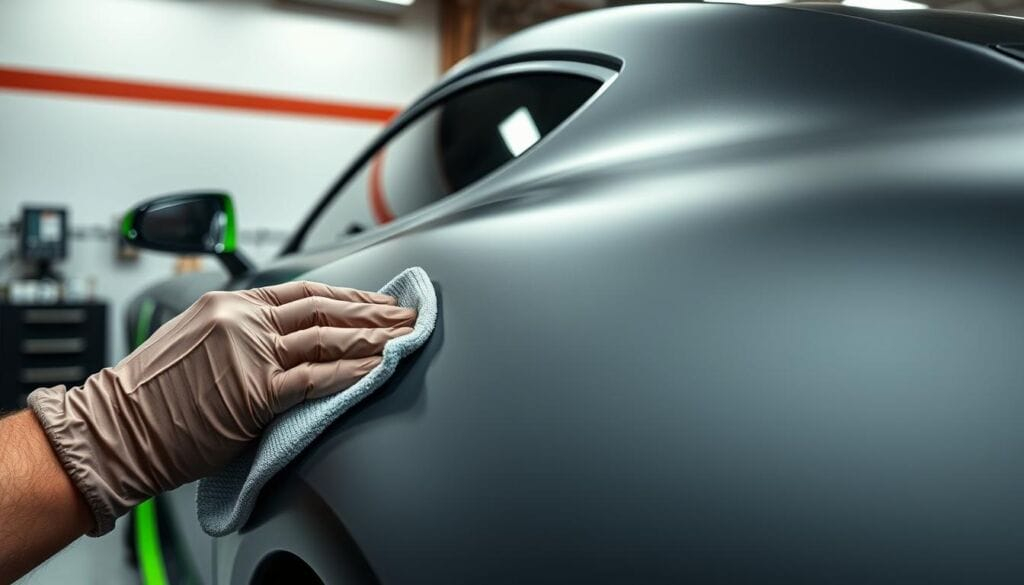
Start by dusting. Use a dry microfiber cloth to gently wipe away loose dust and debris. If you skip this step and go straight to wet cleaning, you’re just making mud. You’ll push the dust into the pores of the finish, creating a gritty paste that can scratch the surface. Wipe in long, straight lines following the grain of the wood or the direction of the panel. Do not circle. Circles create swirl marks that catch the light.
Next, dampen your second microfiber cloth with your soapy water solution. Wring it out thoroughly. It should be barely damp, almost dry. You want to lift the dirt, not soak the surface. Gently wipe the area, again using straight, overlapping strokes. If there’s a stubborn spot, let the damp cloth sit on it for a few seconds to loosen the grime. Do not scrub. Let the chemistry of the soap do the work.
Immediately follow up with your dry microfiber cloth. This is the critical step. Buff the area dry using the same straight-line motion. You are removing any remaining moisture and residue before it has a chance to settle. Check your work from different angles. If you see a streak, it means there’s still moisture or soap residue. Dampen a corner of your dry cloth slightly and go over it again, then buff dry immediately. Repeat until the surface looks uniform.
Tackling Tough Stains and Grease
Sometimes, water and soap aren’t enough. Maybe you had a cooking accident in the kitchen. Maybe a kid drew on the cabinet with a crayon. These situations require a bit more oomph, but you still have to be careful. Harsh chemicals like bleach, ammonia, or acetone will strip the matte finish instantly. Once that top layer is gone, you can’t put it back.
For grease splatters, try a mixture of warm water and a tiny bit of vinegar. Vinegar is a natural degreaser, but it’s acidic, so use it sparingly. Mix one part vinegar to ten parts water. Dampen your cloth, wring it out well, and gently dab the greasy area. Don’t rub vigorously. Once the grease lifts, rinse the area with a cloth dampened with plain water to neutralize the acid, then dry immediately.
For ink or crayon marks, rubbing alcohol can work, but it’s risky. Test it in an inconspicuous area first, like the inside of a drawer or the back of a leg. If the finish doesn’t change color or texture after a minute, you can proceed. Apply a small amount to a cotton swab and gently dab the stain. Do not spread it around. Blot it up. As soon as the stain is gone, wipe the area with a damp cloth and dry it. If you’re nervous about alcohol, try a magic eraser (melamine foam), but use it with extreme caution. It’s mildly abrasive. Use it dry, with very light pressure, and only as a last resort.
Remember, patience is key. It’s better to repeat a gentle process three times than to use a harsh method once. If a stain doesn’t come out with mild methods, it might be permanent. Accepting a small imperfection is often better than creating a large, shiny bald spot on your furniture.
Common Mistakes That Ruin Matte Finishes
We’ve all made them. You’re trying to help, but you’re actually hurting. Let’s look at the most common errors people make when cleaning matte furniture, so you can avoid them.
First, using paper towels. Paper towels are made of wood pulp. They are rough on a microscopic level. When you wipe a matte surface with them, you’re essentially sanding it. Over time, this creates a polished, shiny appearance. Plus, they leave lint. That white fuzz gets stuck in the texture and looks terrible against dark matte colors. Stick to microfiber. Always.
Second, spraying cleaner directly on the furniture. This seems efficient, but it’s a disaster for matte finishes. The spray creates uneven droplets. Some areas get soaked, others stay dry. When you wipe, you spread the cleaner unevenly, leading to streaks. Always spray your cloth, not the surface. This gives you control over how much moisture is applied.
Third, ignoring the manufacturer’s instructions. In 2026, many furniture companies provide specific care guides. Some matte finishes are lacquer-based, others are oil-based, and some are synthetic laminates. Each has different tolerances. If the manual says "dry cloth only," believe it. If it recommends a specific cleaner, use it. Ignoring these guidelines can void your warranty and ruin the piece.
Finally, cleaning in direct sunlight or on a hot surface. Heat causes liquids to evaporate quickly. If you clean a matte surface that’s warm, the water will dry before you can buff it out, leaving behind mineral deposits and streaks. Wait until the room is cool, or close the blinds. Clean in the shade. It makes a huge difference.
Cleaning is reactive. Maintenance is proactive. If you want your matte furniture to stay beautiful for years, you need to think about prevention. It’s easier to keep dirt off than to get it off.
Place your furniture away from direct sunlight if possible. UV rays can fade matte paints and coatings over time, causing them to look patchy. If you can’t move the piece, consider using window treatments to filter the light. This protects both the color and the finish integrity.
Use coasters and placemats religiously. Matte surfaces show water rings and heat marks more prominently than glossy ones. A hot mug left on a matte black table can leave a white halo that is nearly impossible to remove. Create habits. Train your family and guests to use protection. It’s not fussy; it’s practical.
Dust regularly. I mean weekly. Dust acts like sandpaper. When it builds up and you accidentally brush against it, it can micro-scratch the surface. A quick dry wipe with a microfiber cloth takes thirty seconds and prevents the need for deep cleaning later. Keep a dedicated cloth nearby for quick touch-ups.
If you notice the finish starting to look dull or uneven after a few years, don’t panic. It might just need a professional assessment. Some high-end matte finishes can be refreshed with specialized treatments applied by experts. But for daily care, stick to the basics. Gentle cleaning, immediate drying, and consistent protection. That’s the secret.
So, there you have it. Cleaning matte furniture doesn’t have to be a nightmare. It just requires a little respect for the material. Ditch the harsh chemicals. Embrace the microfiber. And remember, less is more. By following these steps, you’ll keep your pieces looking fresh, modern, and perfectly matte. No shine. No streaks. Just pure, understated elegance. It’s worth the extra minute, isn’t it?