Imagine this. You find it. The house. The one with the backyard you’ve been dreaming about since last winter. The kitchen has that island you wanted, and the light hits the living room just right in the afternoon. Your heart does a little flip. You call your agent, ready to jump. You throw together an offer, maybe even a good one, but you slap on a pre-qualification letter because you’re in a rush. You think it’s enough. It feels like enough.
Then? Silence.
Or worse, a polite email saying they’ve accepted another offer. You’re left wondering what went wrong. Was the price too low? Did someone offer cash? Maybe. But more often than not in today’s market, the issue wasn’t the money. It was the proof. In 2026, the housing landscape has shifted dramatically from the chaotic frenzy of the early twenties, but one thing has hardened into concrete rule: if you don’t have a verified mortgage pre-approval, you’re basically invisible. Sellers aren’t being mean. They’re being smart. And until you understand why, you’re going to keep losing out on homes you could actually buy.
The Brutal Truth About "Interested" vs. "Verified" Buyers
Let’s get real for a second. There is a massive difference between being interested in a house and being able to buy it. Anyone can say they want a home. Anyone can type up an offer on a napkin, metaphorically speaking. But in 2026, sellers are drowning in noise. Inventory is still tight in most desirable areas, meaning that for every nice three-bedroom colonial, there are likely five or ten people looking at it. Sellers and their agents have to cut through that noise fast. They don’t have time to guess if you’re serious.
This is where the concept of "verified buying power" comes in. A pre-qualification is just a chat. It’s a quick conversation where a lender says, "Based on what you told me, you might afford this." It’s fluffy. It’s unverified. It’s essentially worthless when you’re competing against real buyers. A pre-approval, on the other hand, is a deep dive. The lender has checked your credit, verified your income, looked at your assets, and said, "Yes, we will lend you this specific amount." It’s a promise, not a guess.
When a seller sees an offer without that verification, they see risk. Big risk. They see a buyer who might fall apart during underwriting. They see a deal that could drag on for months or collapse entirely. In a market where average 30-year fixed rates hovered around 6.15% as of late 2025, every percentage point and every day counts. Sellers aren’t choosing the "interested" buyer anymore. They are choosing the verified one. It’s not personal. It’s just business. If you want to be taken seriously, you have to prove you’re not just a window shopper.
Pre-Qualification is Dead (For Offers, Anyway)
You might be thinking, "But my lender gave me a pre-qual letter! Isn’t that enough?" Here is the hard pill to swallow: no. Not in 2026. Pre-qualification used to be a stepping stone, a way to get your foot in the door. Now? It’s barely a footprint. Sources like Mortgage-Info and RealPha highlight that pre-qualification gives you a rough idea of what you might afford, but it verifies nothing. It’s based on self-reported data. You could have told the lender you make $200k a year when you actually make $50k, and the pre-qual letter wouldn’t know the difference.
Sellers know this. Agents know this. When an offer comes in with only a pre-qualification, it signals that the buyer hasn’t done the heavy lifting yet. It suggests they are early in the process, maybe just starting to look. In a multiple-offer situation, which is still common in hot markets, an identical offer from a buyer with a full pre-approval will win every single time. It’s not even close. The pre-qualified buyer is seen as a wildcard. The pre-approved buyer is a known quantity.
Think of it like applying for a job. A pre-qualification is like sending a resume that says you "think" you have the skills. A pre-approval is like showing up with references, a portfolio, and a background check already completed. Which candidate gets the interview? The one who made it easy for the employer to say yes. Don’t let your dream home slip away because you relied on a document that sellers consider essentially decorative. Get the real thing.
What Actually Goes Into a Verified Pre-Approval
So, what makes a pre-approval "verified"? It’s not just a PDF with your name on it. In 2026, the quality and specificity of the letter matter immensely. A strong pre-approval means the lender has pulled your credit report, analyzed your debt-to-income ratio, and reviewed your bank statements and tax returns. They have underwritten your file, at least conditionally. This process used to take weeks. Now, thanks to digital verification tools, it can often be done in 48 hours or less. But it requires effort from you.
You need to provide documents. Real ones. Pay stubs, W-2s, bank statements, maybe even explanation letters for any weird blips on your credit report. It feels invasive. It feels like a lot of work before you’ve even found a house. But this upfront pain saves you from heartbreak later. As noted by AnitaMortgage.ca, pre-approvals without documents are risky. Many buyers think they are approved until the deal falls apart because they forgot about a student loan or a credit card balance. A verified pre-approval catches these issues early.
Furthermore, a good pre-approval letter isn’t generic. It should specify the loan program, the interest rate (if locked or estimated), and the exact purchase price limit. It shows the seller that you are ready to go. It tells them that if they accept your offer, the financing hurdle is already mostly cleared. This level of detail builds trust. And in real estate, trust is the currency that closes deals. If your letter looks like it was generated by a bot in five seconds, sellers will treat it with the same skepticism.
The Psychology of the Seller in 2026
Why are sellers so stubborn about this? To understand, you have to step into their shoes. Selling a home is stressful. It’s emotional. It’s also a huge financial transaction. For many, it’s their biggest asset. When they list their home, they want certainty. They want to know that when they sign a contract, the deal will close. An offer without a verified pre-approval introduces uncertainty. And in 2026, uncertainty is a dealbreaker.
Consider the timeline. If a seller accepts an offer from an unverified buyer, they take their home off the market. They stop showing it. They start making plans to move. If that buyer’s loan gets denied three weeks later because they couldn’t prove their income, the seller has lost a month. They have to relist. The property might look "stale." Other buyers might wonder what’s wrong with it. The ripple effect is costly. Sellers would rather reject a slightly higher offer from a shaky buyer than accept a solid offer from a verified one.
There’s also the agent factor. Listing agents advise their clients to prioritize pre-approved buyers. Why? Because it protects the agent’s reputation and ensures a smoother transaction. Agents know that deals with unverified financing fall through at a much higher rate. They push for pre-approvals because it streamlines the process. It sets realistic price expectations for buyers and identifies financial issues before they become legal headaches. So when you submit an offer without one, you’re fighting against the seller, their agent, and the entire system designed to minimize risk.
How Fast Can You Get Real Pre-Approved?
The good news is that getting a verified pre-approval doesn’t have to be a nightmare. In fact, it’s faster than ever. With the right lender, you can go from application to approval letter in under two days. Some digital-first lenders even offer same-day approvals if you have your documents ready. The key is preparation. Before you start touring homes, spend a weekend gathering your financial paperwork. Scan your pay stubs. Download your bank statements. Know your credit score.
Once you have that info, shop around. Don’t just go with the first bank you see. Talk to a few lenders. Ask them specifically about their pre-approval process. Do they verify income upfront? Do they review assets? Or do they just give you a pre-qual and call it a day? You want the former. Be clear that you need a fully verified pre-approval letter that will stand up to scrutiny in a competitive market. This distinction is critical.
Also, remember that a pre-approval isn’t a one-and-done deal. It typically lasts for 60 to 90 days. If you’re hunting for a while, you might need to update it. But having that initial letter in hand changes how you shop. It gives you confidence. You know exactly what you can spend. You don’t fall in love with a house you can’t afford. And when you do find the right one, you can act immediately. In a fast-moving market, speed matters. Being pre-approved means you’re ready to pull the trigger the moment you see the listing.
Common Mistakes That Kill Your Credibility
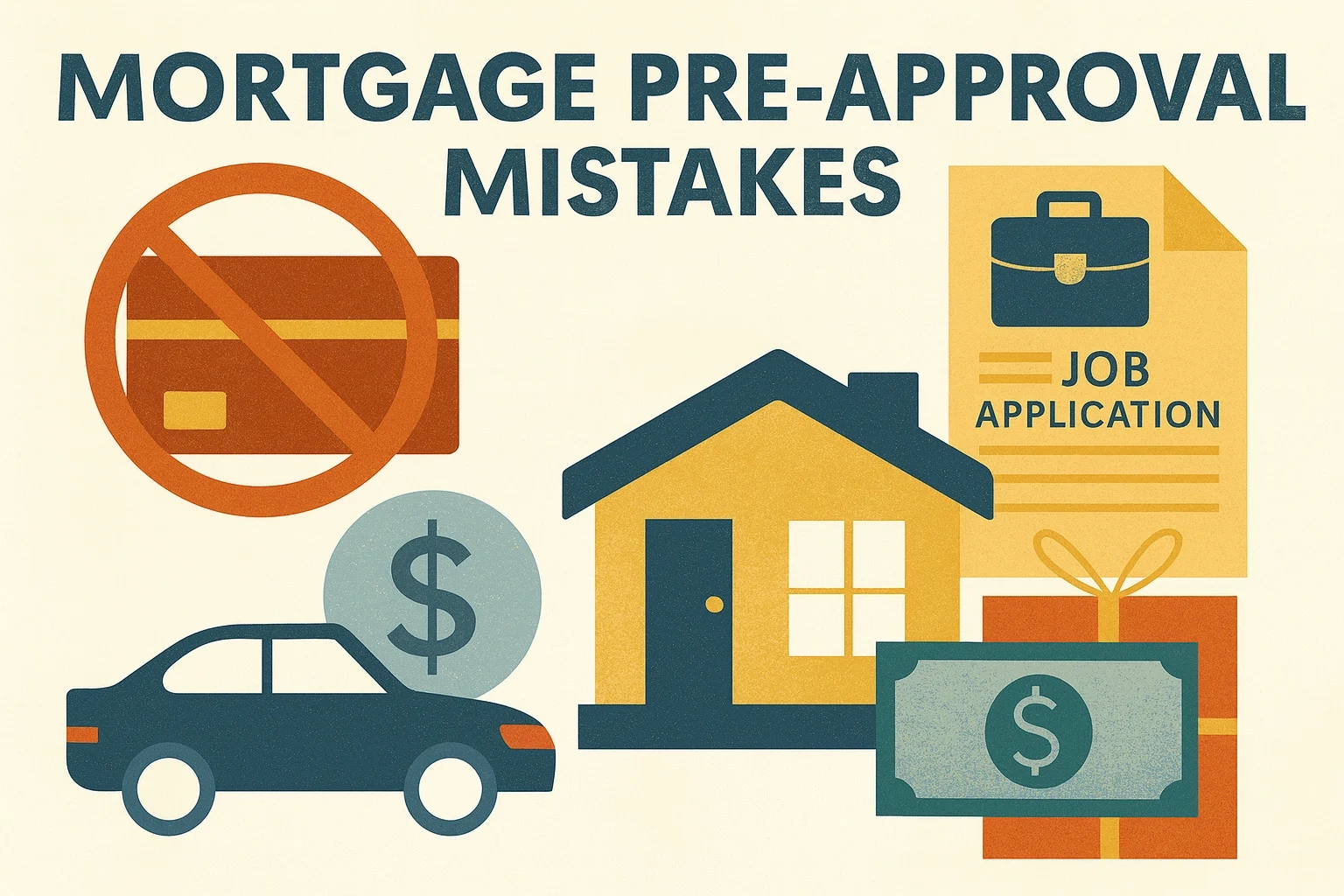
Even with a pre-approval, things can go wrong. One of the biggest mistakes buyers make is changing their financial picture after getting approved. Did you buy a new car on credit? Did you open a new credit card for furniture? Did you quit your job? Stop. Don’t do it. Any major financial change between pre-approval and closing can derail your loan. Lenders do a final check before closing. If your debt-to-income ratio has spiked or your employment status has changed, that pre-approval letter becomes worthless paper.
Another mistake is using a weak lender. Not all pre-approvals are created equal. A letter from a big, reputable bank or a well-known mortgage broker carries more weight than one from an obscure online lender with poor reviews. Sellers and agents recognize names. If they see a lender known for slow processing or difficult underwriting, they might hesitate. Ask your real estate agent which lenders are respected in your local market. Their insight is invaluable. They know which loans close on time and which ones drag.
Finally, don’t assume your pre-approval covers everything. Make sure you understand the conditions. Is it conditional on the appraisal? Are there specific property types excluded? Condos, for example, can be tricky. If your pre-approval doesn’t explicitly cover the type of home you’re buying, it might not be valid. Read the fine print. Ask questions. Clarify doubts. The more you know about your own financing, the more confident you’ll appear to the seller. And confidence, backed by verification, is what wins bids.
At the end of the day, buying a home is about more than just numbers. It’s about trust. Sellers want to trust that you can close. Agents want to trust that the deal will stick. By getting a verified mortgage pre-approval, you’re building that bridge of trust before you even make an offer. You’re showing that you’re serious, prepared, and financially sound. In 2026, this isn’t just a nice-to-have. It’s the ticket to the game.
Don’t let the hassle of gathering documents scare you off. View it as an investment in your success. The time you spend now saves you from the disappointment of rejected offers later. It puts you in the driver’s seat. When you walk into a bidding war, you won’t be hoping you’re good enough. You’ll know you are. And that knowledge changes everything. It lets you negotiate from a position of strength. It lets you sleep better at night.
So, before you fall in love with another house, fall in love with the process of getting verified. Get your docs in order. Talk to a solid lender. Get that letter. Then, and only then, start shopping. You’ll find that doors open faster. Offers get taken seriously. And that dream home with the perfect afternoon light? It might just end up being yours. Because in a world of noise, being verified is the clearest signal you can send.