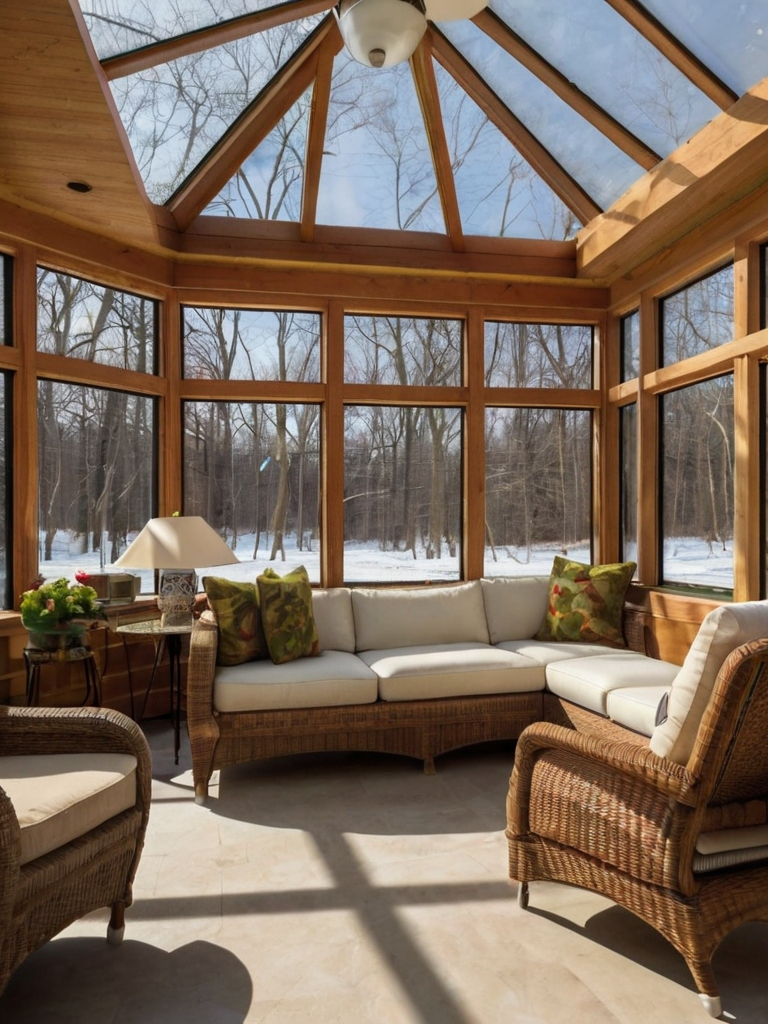
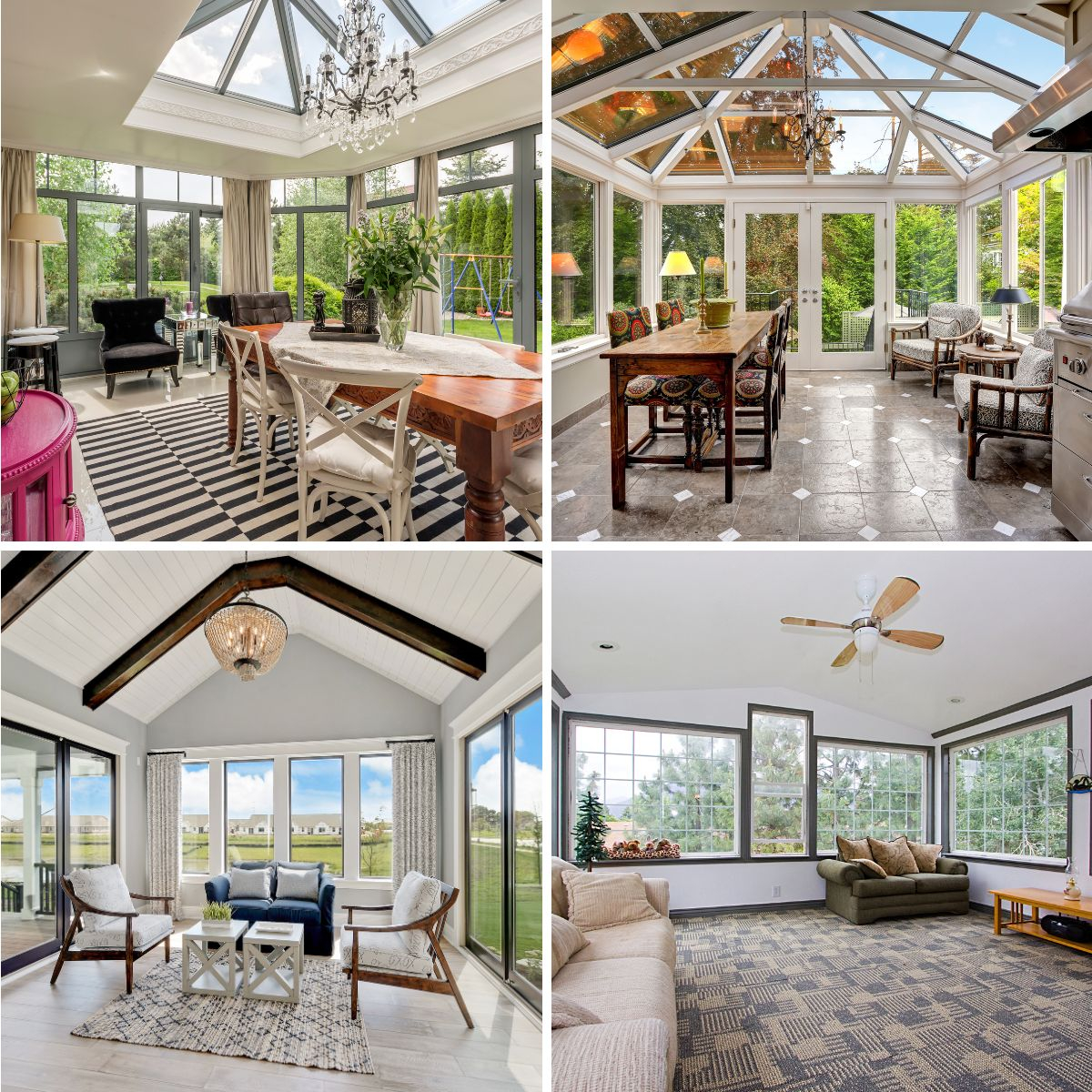
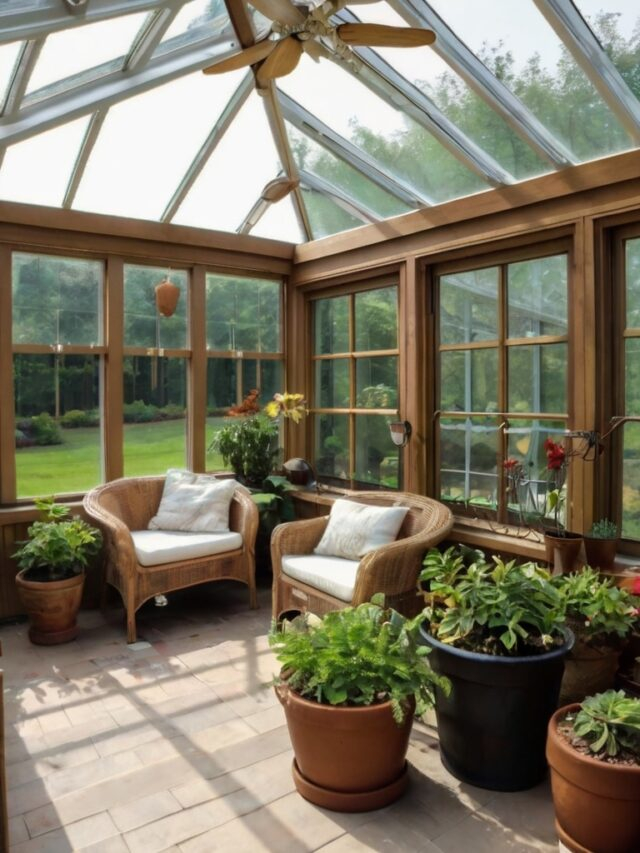
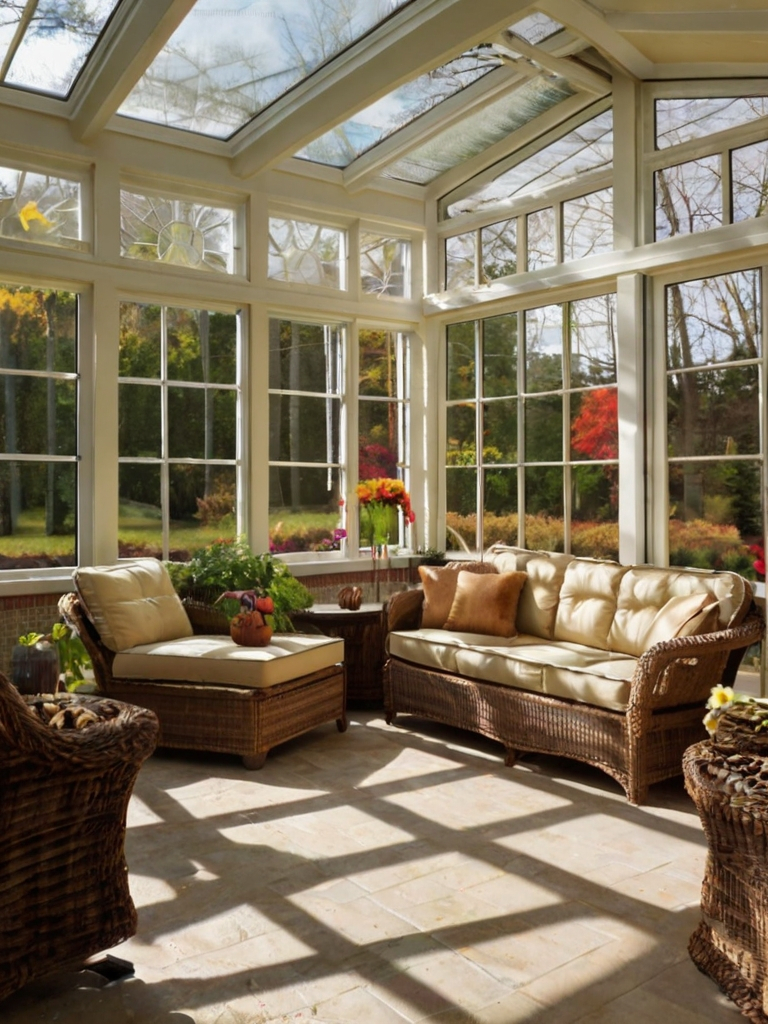
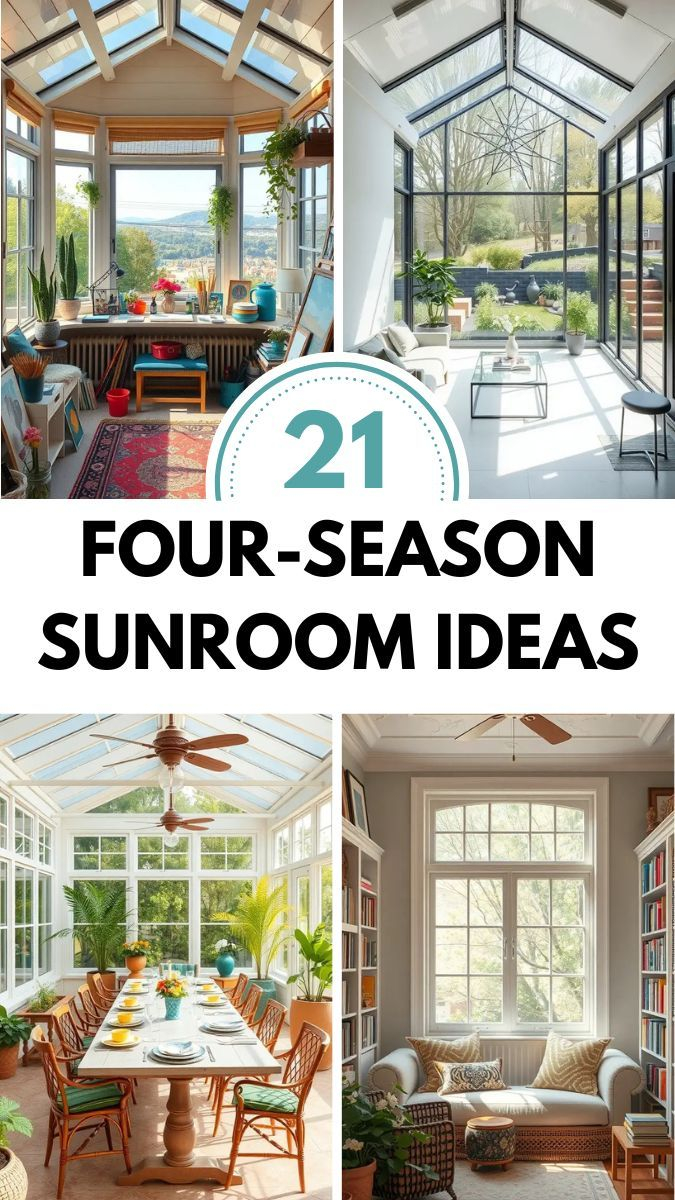
There’s something almost magical about sitting in a room surrounded by glass while a storm rages outside. You’re dry. You’re warm. And yet, you can still see every drop of rain hitting the leaves. It’s that weird, wonderful in-between space that feels like neither fully inside nor fully outside. For a long time, sunrooms were just three-season affairs. You’d use them in spring and fall, maybe sneak in during a mild winter day, but come December? Forget it. They were ice boxes.
But things have changed. A lot. In 2026, the idea of a "four-season" room isn’t just a marketing gimmick anymore. It’s a genuine, livable extension of your home. We aren’t talking about drafty enclosures with single-pane windows that fog up the second you brew coffee. We’re talking about high-performance spaces that hold heat in January and stay cool in July. It’s about blurring the line so thoroughly that you forget where your living room ends and the garden begins. Whether you have a tiny urban patio or a sprawling backyard, creating this kind of sanctuary is more accessible than ever. And honestly? It might just be the best investment you make for your mental health this year.
Mastering the Climate: Insulation and Glass Technology
Let’s get the boring stuff out of the way first, because without it, nothing else matters. You can buy the plushest velvet sofa in the world, but if the room is forty degrees, you aren’t sitting in it. The secret to a true four-season sunroom lies in the envelope. In recent years, thermal break technology has become standard rather than luxury. This basically means the metal frames holding your glass have a barrier inside them that stops cold from transferring from the outside to the inside. It’s a game changer.
Then there’s the glass itself. You want double or even triple glazing with Low-E (low emissivity) coatings. This sounds technical, but think of it as invisible sunscreen and insulation rolled into one. It reflects heat back into the room during winter and blocks solar heat gain in summer. According to recent trends in home efficiency, upgrading to argon-filled gas between panes can boost insulation values significantly. It keeps the surface temperature of the glass closer to room temperature, which means no more condensation dripping down your windows on a chilly morning. That’s a huge win for comfort and for protecting your wood floors.
Don’t forget the floor and ceiling, either. Slab-on-grade foundations need proper perimeter insulation to prevent heat loss into the ground. And if you’re attaching this to an existing house, ensure the roof transition is sealed tight. Air leaks are the enemy of coziness. You want the space to feel snug, not breezy. Investing in high-quality weatherstripping around doors and operable windows pays off immediately. It’s the difference between a room you visit occasionally and a room you live in.
Lighting Layers: Harnessing Natural and Artificial Glow
Light is the soul of a sunroom. During the day, you want to bathe in natural light, but you also need control. Too much direct sun in July turns your sanctuary into a greenhouse oven. That’s why window treatments are crucial, but they don’t have to be ugly blinds. Think sheer linen curtains that diffuse light softly, or cellular shades that provide insulation when pulled down at night. Motorized options are getting cheaper and easier to install, letting you adjust the light with a voice command or a phone app. It’s a small luxury that makes a big difference in daily usability.
When the sun goes down, the mood shifts. This is where layering comes in. Never rely on a single overhead light. It’s harsh and unflattering. Instead, mix floor lamps, table lamps, and perhaps some subtle LED strip lighting tucked into crown molding or under shelves. Warm white bulbs (around 2700K to 3000K) create that inviting, golden-hour glow even at midnight. In 2026, smart lighting systems allow you to dim and change tones based on the time of day, helping your circadian rhythm stay on track even when you’re lounging indoors.
Consider the placement of your lights carefully. You want to highlight textures—the weave of a rug, the grain of a wooden beam, the leaves of a fiddle leaf fig. Accent lighting can turn a simple plant corner into a dramatic focal point. And don’t overlook task lighting if you plan to read or work in the space. A sleek, adjustable desk lamp or a focused reading light next to your favorite chair ensures functionality without sacrificing style. The goal is to make the room feel intimate and wrapped in warmth, not like a brightly lit showroom.
Bringing the Outdoors In: Biophilic Design Elements
Humans have a deep-seated need to connect with nature. It’s called biophilia, and a sunroom is the perfect place to indulge it. But it’s not just about throwing a potted plant in the corner. It’s about creating an ecosystem. Start with the flooring. Natural stone, slate, or wide-plank hardwood grounds the space and connects visually to the landscape outside. If you’re worried about durability, high-quality luxury vinyl plank (LVP) that mimics wood or stone is incredibly realistic and handles moisture better than real wood.
Plants are obviously key, but choose wisely. You want a mix of heights and textures. Tall palms or olive trees add vertical interest and make the ceiling feel higher. Trailing pothos or ferns soften hard edges and add lushness. In winter, when the outdoor view might be bare and gray, your indoor garden becomes the main event. Consider adding a small water feature, like a tabletop fountain. The sound of trickling water masks neighborhood noise and adds a calming sensory layer. It’s surprisingly effective for stress relief.
Material choices matter too. Incorporate natural fibers like jute, wool, cotton, and rattan. A chunky knit throw blanket draped over a chair invites touch. Woven baskets for storage add texture and warmth. Avoid too much plastic or glossy synthetic materials, which can feel cold and disconnected from the natural vibe. The idea is to create a tactile experience. When you run your hand along the arm of a chair or walk barefoot across a rug, it should feel organic. This connection to natural materials reinforces the feeling of being outdoors, even when you’re protected from the elements.
Furniture Selection for Comfort and Flow
Furniture in a sunroom needs to pull double duty. It has to look good, but it also has to withstand slight temperature fluctuations and higher UV exposure. Fade-resistant fabrics are a must. Performance fabrics like Sunbrella have come a long way; they don’t look like outdoor patio material anymore. They’re soft, stylish, and available in countless colors and patterns. Slipcovers are another great option because you can toss them in the wash when they get dusty or stained.
Scale is critical. Sunrooms often have lots of glass walls, which can make the space feel exposed. Large, substantial pieces of furniture help anchor the room. A deep, plush sectional sofa creates a cozy gathering spot. Pair it with a solid wood coffee table to add weight and stability. Avoid flimsy, lightweight pieces that might look lost in the open space. If your sunroom is small, opt for multi-functional furniture. An ottoman with storage inside can hold blankets and magazines while serving as a footrest or extra seating.
Arrangement is all about conversation and views. Don’t push all the furniture against the walls. Float pieces in the center to create intimate zones. Maybe one area for reading with a comfortable armchair and a side table, and another for socializing with sofas facing each other. Ensure there’s clear traffic flow so you can move easily between the indoor living space and the outdoor deck or garden. The layout should encourage you to linger. If it feels awkward to sit down, you won’t use it. Test different configurations until it feels right. Comfort is king here.
Styling for Every Season: Decor That Adapts
One of the biggest mistakes people make is decorating a sunroom for only one season. But the beauty of a four-season room is its versatility. Your decor should be able to shift with the calendar. Start with a neutral base for large items like sofas and rugs. Then, use accessories to inject seasonal personality. In spring, bring in fresh flowers and pastel cushions. Summer calls for lighter linens, breezy curtains, and maybe some coastal-inspired accents like driftwood or shells.
As autumn arrives, layer in warmth. Swap out light throws for chunky wool ones. Add pillows in rich earth tones—burnt orange, deep red, mustard yellow. Candlelight becomes more important as days shorten. Group pillar candles of varying heights on trays for a cozy evening ambiance. In winter, go all out with texture. Faux fur rugs, heavy knit blankets, and velvet pillows make the space feel like a hug. You might even add a few evergreen boughs or pinecones for a festive touch without going full holiday decoration.
Artwork and mirrors can also play a role. Mirrors reflect light and views, making the space feel larger and brighter, which is helpful in darker months. Choose art that complements the outdoor scenery. Landscape paintings or botanical prints reinforce the connection to nature. Rotate these pieces seasonally if you want to keep things fresh. The key is flexibility. Don’t glue yourself to one look. Let the room breathe and change with the world outside. It keeps the space feeling alive and engaging year-round. Plus, it gives you an excuse to shop your own home for items you already own.
A sunroom doesn’t have to be just a sitting area. Its abundant natural light makes it ideal for various functions. Many people are converting spare corners into productive home offices. Just be mindful of glare on your computer screen. Position your desk perpendicular to windows, not directly facing them. Use blinds to control brightness during video calls. A standing desk can be a great addition, allowing you to stretch your legs while enjoying the view. It’s a huge morale booster compared to a windowless cubicle.
For the green-thumbed, a sunroom is a dream greenhouse. Dedicate a section to plant care with a sturdy potting bench, shelving for seedlings, and easy-access water sources. Grow lights can supplement natural light in winter, ensuring your tropical plants thrive. This functional zone can coexist with relaxing areas if you define the spaces clearly. Use a rug or a change in flooring material to signal the transition from "lounge" to "work" or "garden."
Entertaining is another popular use. A sunroom can serve as a pre-dinner cocktail spot or a post-meal coffee lounge. Add a small bar cart or a built-in beverage fridge for convenience. If space allows, a dining table near the windows offers a stunning backdrop for meals. Imagine breakfast surrounded by morning mist or dinner under the stars (visible through the glass). The versatility is endless. Think about how you actually live. Do you need a quiet reading nook? A play area for kids? A yoga spot? Design the zones to fit your life, not just a magazine spread. Practicality ensures the room gets used, not just admired.
Creating a four-season sunroom is about more than just adding square footage. It’s about crafting a mindset. It’s a place to slow down, to watch the seasons change without being at their mercy. It’s where you drink your morning coffee while watching snow fall, or read a book as thunderstorms roll by. The investment in proper insulation, thoughtful lighting, and natural materials pays off in daily joy. It transforms a house into a home that breathes with the environment.
So, where do you start? Look at your current space. What’s missing? Is it light? Connection to nature? A quiet retreat? Start small if you need to. Add some plants. Change the lighting. Bring in a cozy chair. You don’t have to rebuild the whole room overnight. Let it evolve. Listen to what the space tells you. Does it feel too cold? Add a rug. Too bright? Add sheer curtains. It’s a dialogue between you and your home.
In the end, the best sunroom is the one that reflects who you are. It’s messy sometimes. Leaves might track in. Dust settles on the glass. But that’s life. It’s real. And having a front-row seat to the beauty of the natural world, from the comfort of your own heated, cozy chair, is a privilege worth creating. So go ahead. Open those windows. Let the light in. Make it yours.