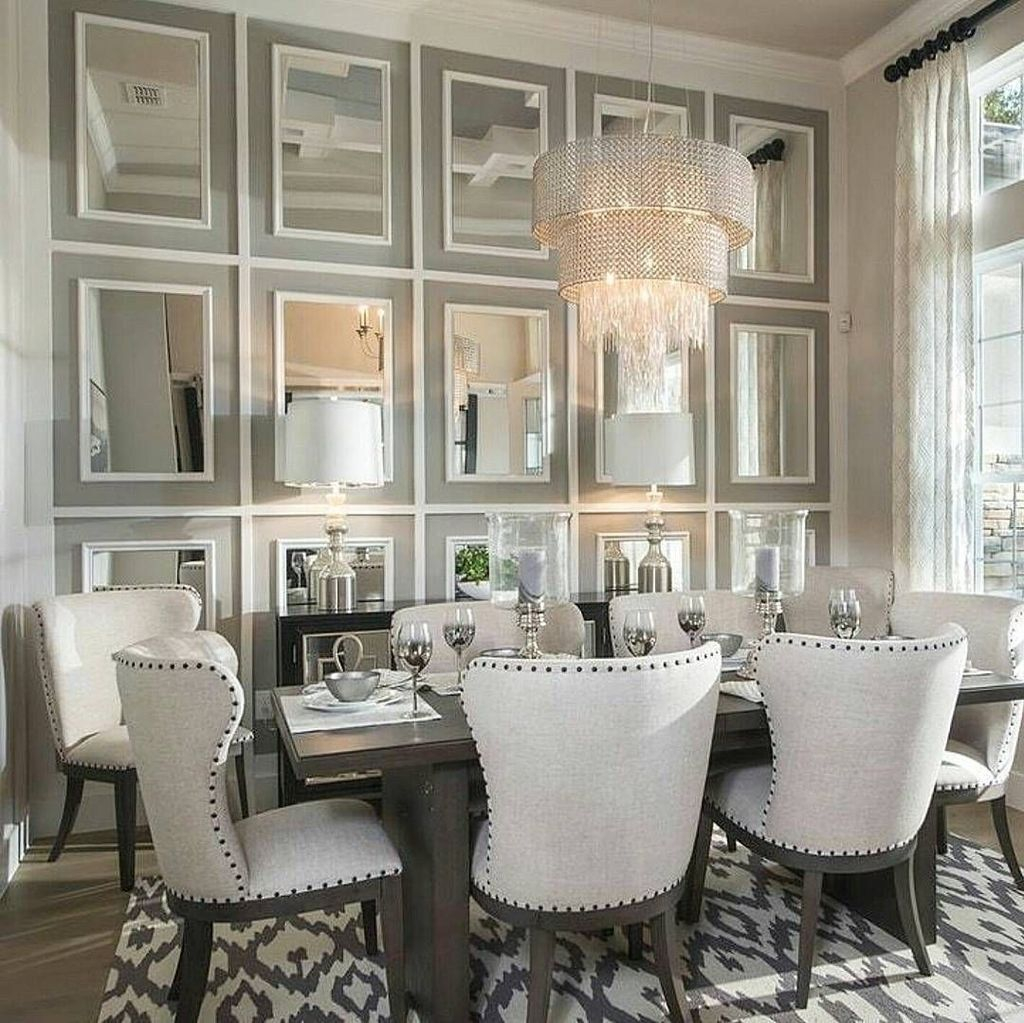
You know that feeling when you sit down for dinner, look up, and just stare at a blank wall? It’s kinda empty. Not just physically, but emotionally too. The dining room is weirdly important. It’s where we celebrate birthdays, argue about politics, eat takeout on Tuesdays, and sometimes just sit in silence with a cup of coffee. It deserves better than beige nothingness. But picking art for this space feels high stakes. What if it’s too loud? What if it’s boring? What if my friends hate it?
Here’s the thing: there is no wrong answer, only answers that don’t feel like you. In 2026, the trend isn’t about matching your curtains to a generic print from a big-box store. It’s about curation. It’s about finding pieces that make you pause mid-bite and smile. Or think. Or laugh. This guide isn’t about following rigid design rules. It’s about figuring out what makes your heart beat a little faster and putting that on your wall. Let’s dig in.
Start With the Vibe, Not the Frame
Before you even think about size or color, ask yourself: what do I want to feel in here? The dining room is a mood setter. If you’re someone who loves loud, chaotic dinner parties with wine flowing and music blasting, maybe you need something bold. A large-scale abstract piece with vibrant reds and oranges can actually stimulate appetite and energy. It’s science, kinda. On the flip side, if your dinners are quiet, intimate affairs where you decompress after a long day, you probably want calm. Think soft landscapes, muted tones, or minimalist line drawings.
Don’t overthink the "theme." You don’t need a nautical theme just because you live near the coast. That’s outdated. Instead, look at your life. Are you a film buff? A vintage movie poster framed nicely looks incredible above a table. Do you love hiking? A photograph of a misty mountain range brings that serenity indoors. The key is authenticity. If you put up a painting of flowers because you think you should, but you actually hate flowers, you’ll resent it. Every time you look at it, it’ll feel like a costume you’re wearing. And nobody wants to eat roast chicken in a costume.
Take a walk through your house. What other rooms feel right? Why? Usually, it’s because the decor matches the function. The bedroom is soft. The office is focused. The dining room should be inviting. Write down three words that describe your ideal dinner atmosphere. Is it "cozy, rustic, warm"? Or "sleek, modern, energetic"? Those words are your compass. They will help you filter out the noise when you’re scrolling through endless options online or wandering through galleries. Stick to the vibe. The rest will follow.
Get the Size Right (Without the Math Headache)
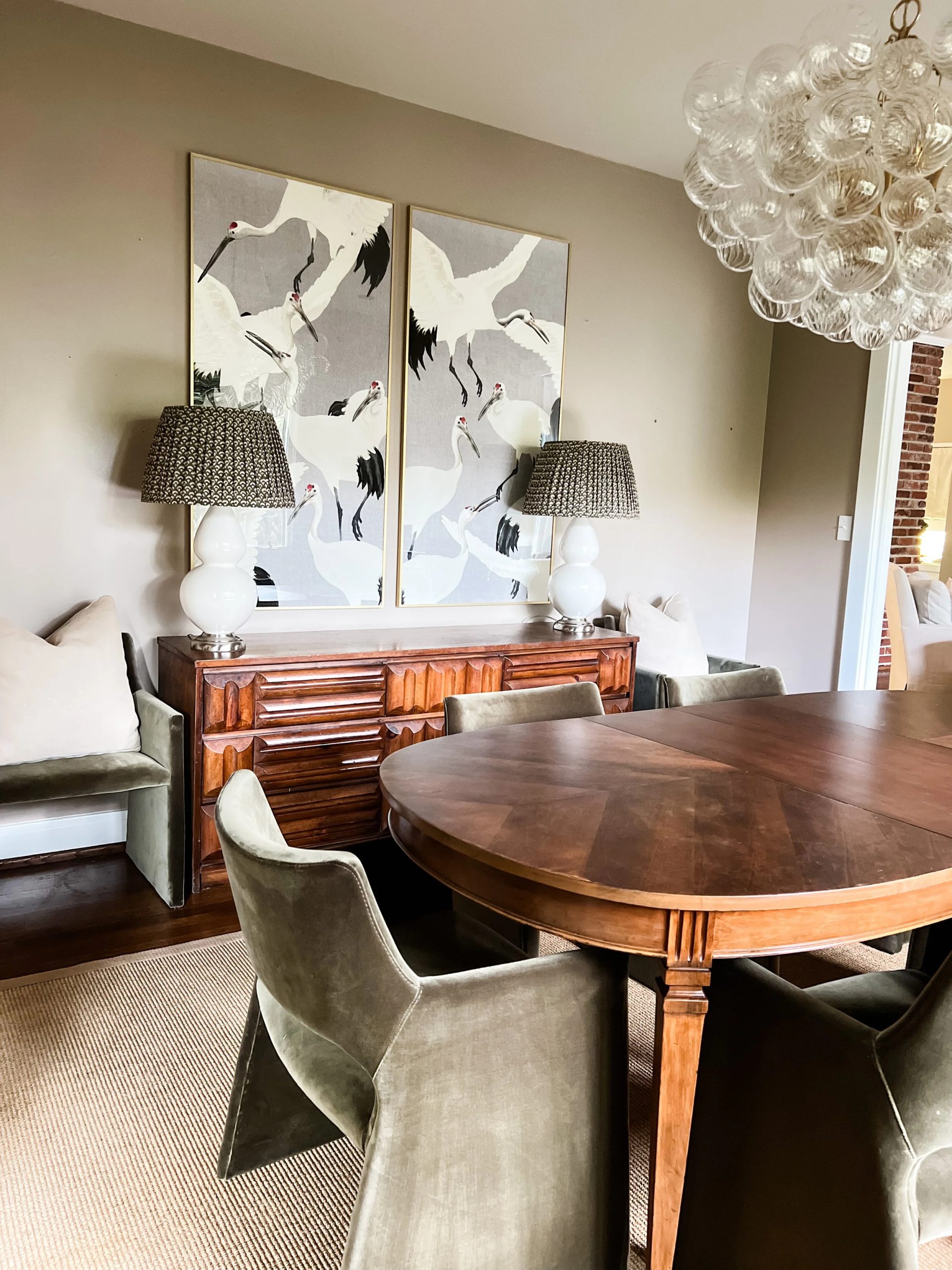
Okay, let’s talk logistics. Nothing ruins a good art choice like bad proportions. If the piece is too small, it looks timid. Like it’s apologizing for being there. If it’s too big, it overwhelms the room and makes the ceiling feel low. The golden rule? Your art should be about two-thirds to three-quarters the width of your dining table or sideboard. So, if you have a six-foot table, look for art that’s roughly four to five feet wide. Simple.
But wait, what if you want a gallery wall? That’s different. For a cluster of smaller pieces, treat the whole group as one single unit. Measure the total width of the arrangement. Keep that same two-thirds rule in mind. And please, for the love of design, hang it at eye level. A common mistake is hanging art too high. When you’re standing, the center of the piece should be around 57 to 60 inches from the floor. But since you’re usually sitting in a dining room, you might want to go slightly lower. Sit in your chair. Look up. Does it feel natural? Or do you have to crane your neck? Adjust accordingly.
Material matters too, especially in a place where food happens. Steam, splatters, and occasional spills are real. Canvas is great, but it can absorb moisture and smells if it’s not sealed. Framed prints behind glass are safer and easier to wipe down. Metal prints are super durable and look slick in modern spaces. Just avoid delicate watercolors on unprotected paper unless you’re extremely careful. Think about your lifestyle. Do you have kids? Pets? Maybe skip the expensive original oil painting and go for a high-quality giclée print. It looks the same, costs less, and you won’t panic if a bit of spaghetti sauce flies toward the wall.
Color Isn’t Just About Matching
We’ve all been told to match our art to our rug or our chairs. That’s safe. But it’s also kinda boring. In 2026, we’re moving away from perfect coordination and toward complementarity. You don’t need your art to have the exact same shade of blue as your napkins. Instead, look for colors that play well together. If your room is neutral—whites, grays, beiges—you have a blank canvas. Literally. You can go wild with a neon pop-art piece or a deep, moody black-and-white photograph. The contrast creates interest.
If your room is already colorful, though, tread carefully. You don’t want visual chaos. If you have emerald green walls, maybe choose art with hints of gold, cream, or even a contrasting terracotta. Use a color wheel if you’re stuck. Opposite colors (complementary) create energy. Next-to-each-other colors (analogous) create harmony. There’s no right choice, just different effects. Also, consider the lighting. Natural light changes throughout the day. A piece that looks bright and cheerful at noon might look dark and gloomy at 7 PM if you don’t have good overhead lighting. Test your choices. Hold up prints. See how they look in the evening.
Don’t forget the power of black and white. It’s timeless for a reason. Monochrome art works in literally any style, from farmhouse to industrial chic. It anchors a space without competing with other elements. Plus, it’s easier to find affordable black-and-white prints than specific colored ones. If you’re unsure, start with monochrome. You can always add color later with flowers on the table or seasonal decor. The art stays; the tulips change. It’s a flexible strategy that keeps your space feeling fresh without requiring a new purchase every spring.
Make It Personal (The Fun Part)
This is where you get to break all the rules. Who says art has to be bought from a gallery? Some of the best dining room conversations start with, "Wait, did you make that?" Displaying your own photography, your kid’s artwork (framed nicely, not taped up), or a collection of postcards from your travels adds layers of meaning. It tells a story. Guests love asking about the origins of a piece. "Oh, that’s from our trip to Kyoto in 2024." Suddenly, the art isn’t just decoration; it’s a memory. It connects people.
Think about your hobbies. Love vinyl records? Frame some iconic album covers. Obsessed with botany? Press some leaves and frame them in a grid. Into typography? Find a print with a quote that means something to your family. Maybe it’s a funny saying about wine or a serious poem about gratitude. The text becomes part of the decor. Just make sure the font is legible and the message resonates. Avoid generic "Live Laugh Love" signs unless you’re being ironic. Irony is fine, but sincerity is warmer.
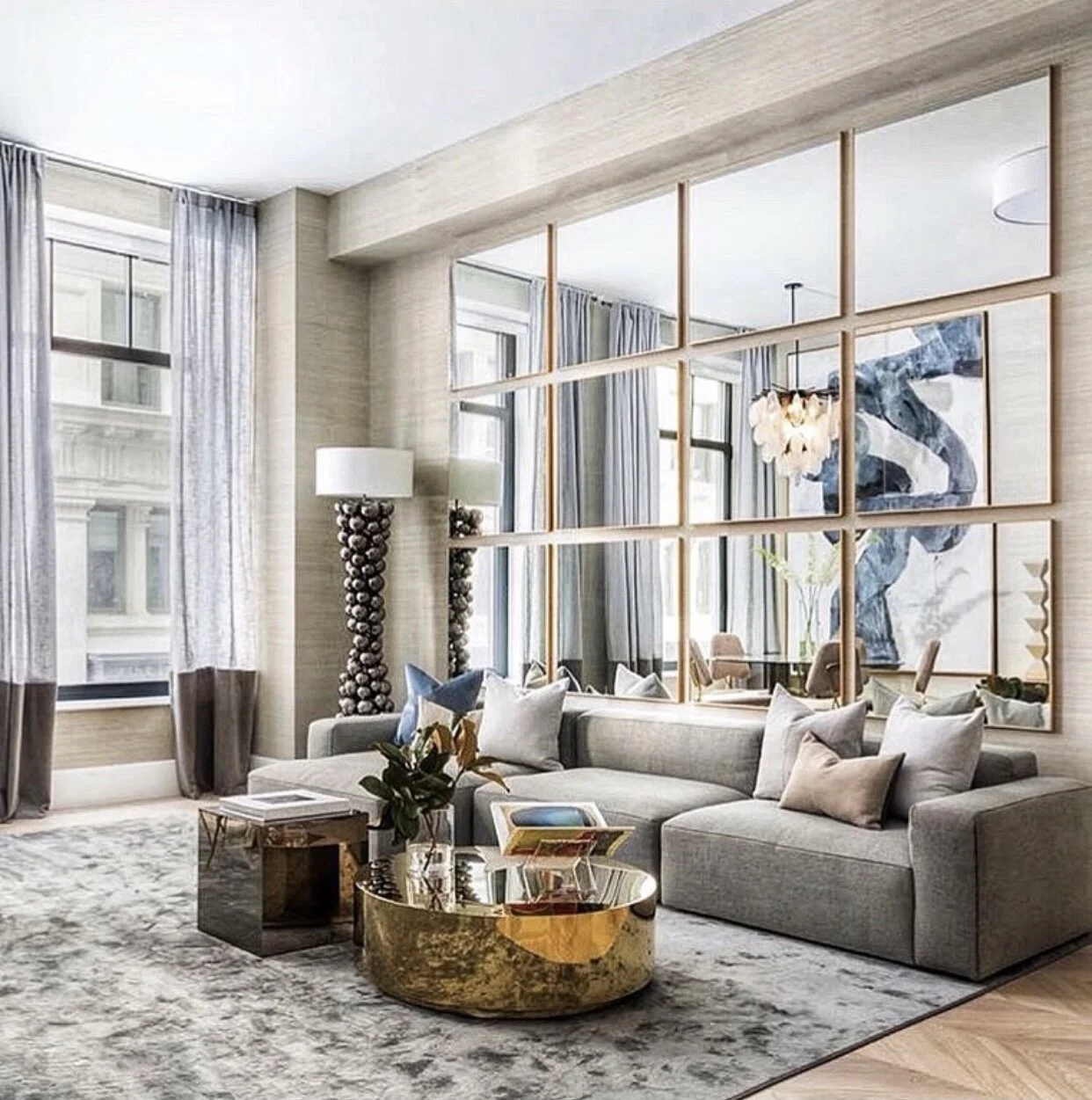
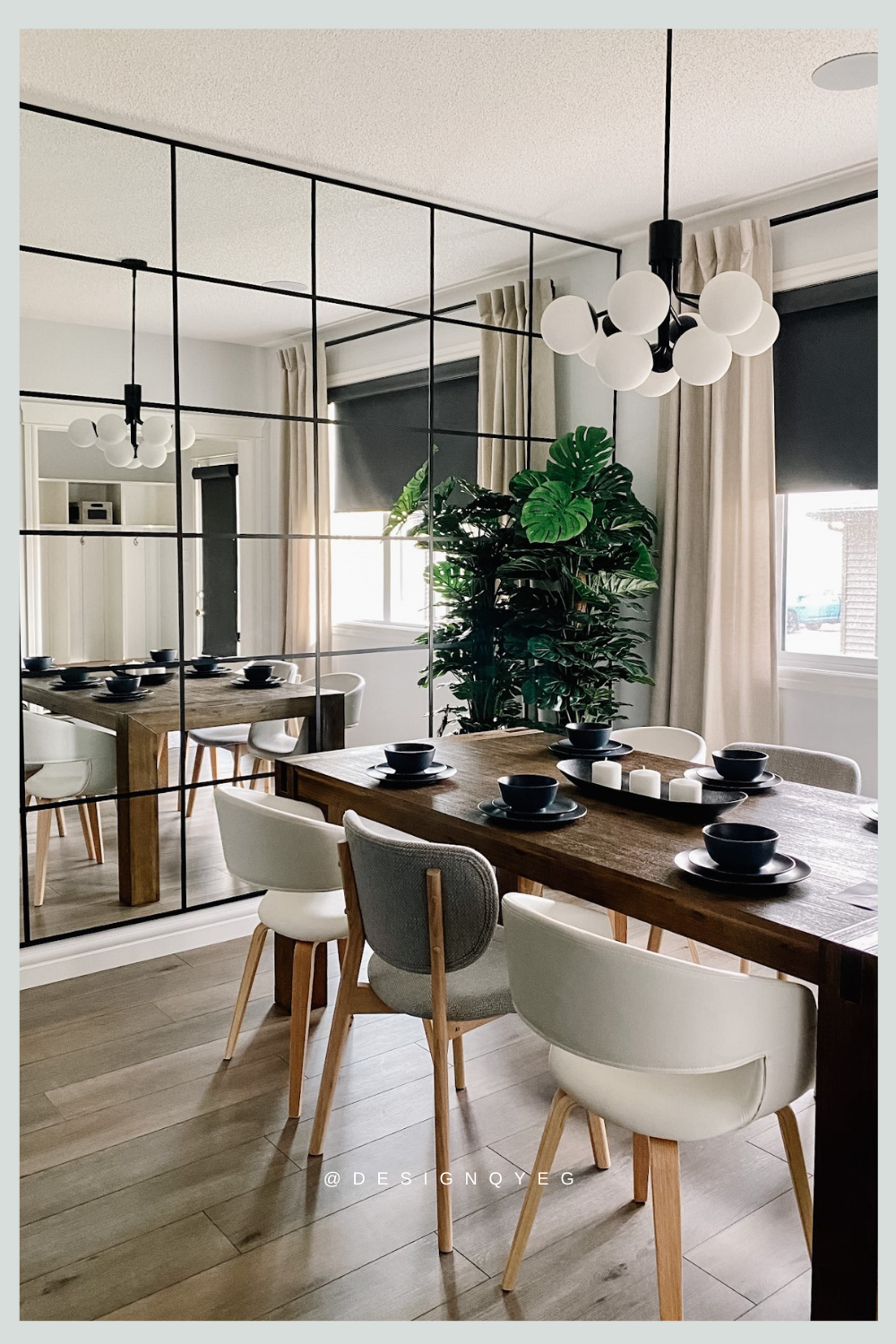
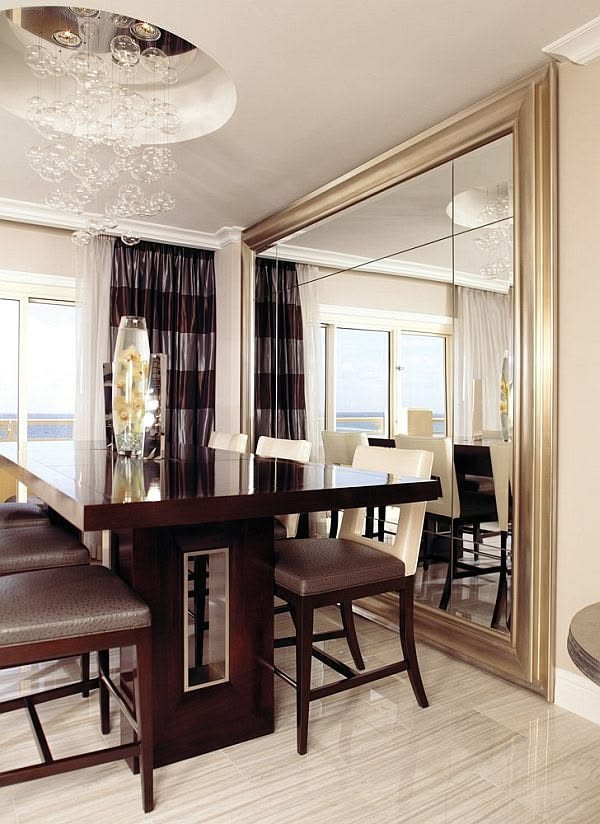
Mixing mediums is another way to show personality. Don’t feel locked into just paintings. Try a mix of framed prints, a small sculpture on a shelf, and maybe a mirror. Mirrors are great in dining rooms because they reflect light and make the space feel bigger. They also let you see everyone at the table, which fosters connection. A vintage mirror with a quirky frame can act as art itself. The goal is to create a vignette that feels collected over time, not bought in a single afternoon. It should look like you live there. Because you do.
Create Conversation, Not Just Decoration
Art in the dining room has a job: it should spark talk. Silent dinners are nice sometimes, but often, we want engagement. Choose pieces that have detail. Something that reveals more the longer you look at it. A complex abstract piece, a busy street scene, or a surreal landscape invites questions. "What do you think that shape represents?" or "Where do you think that photo was taken?" These small prompts break the ice. They give people something to focus on besides the awkward silence or the controversial topic Uncle Bob wants to discuss.
Avoid art that is too aggressive or disturbing. You don’t want to lose your appetite. While a provocative piece might work in a living room or office, the dining table is about nourishment. Keep the mood generally positive or intriguing, not unsettling. However, "nice" doesn’t mean "boring." A whimsical illustration of animals having a tea party can be delightful. A bold geometric pattern can be energizing. The key is balance. If the art is loud, keep the table setting simple. If the art is subtle, you can go heavier with centerpieces and candles.
Consider the viewing distance. People will be looking at this art from three to five feet away for an hour or more. Details matter. Texture becomes visible. Brushstrokes stand out. This is why high-resolution prints or original textures work better than blurry, low-quality images. If you’re using digital art, make sure it’s crisp. Pixelation is a mood killer. Also, think about rotation. You don’t have to commit to one piece forever. Swap things out seasonally. Put up darker, cozier art in winter and lighter, airier pieces in summer. It keeps the room feeling dynamic and gives you an excuse to rearrange, which is fun.
Trends come and go. In 2026, maximalism is having a moment, but minimalism never really left. Boho is still around, but it’s evolving. If you chase every trend, you’ll end up with a house that looks like a showroom, not a home. And showrooms aren’t cozy. They’re cold. The best dining room art is the stuff you loved before it was popular and will love after it’s not. Trust your instinct. If you see a piece and your stomach does a little flip of joy, buy it. Even if it doesn’t "match." Especially if it doesn’t match.
Don’t be afraid of imperfection. A slightly crooked frame, a scratch on a vintage print, or a mismatched set of frames adds character. Perfection is sterile. Human beings are messy. Our homes should reflect that warmth. If you’re worried about making a mistake, remember: art is not permanent. You can move it. You can sell it. You can paint over the wall. The pressure is imaginary. The only real mistake is leaving the wall blank because you were afraid of choosing wrong.
Finally, take your time. You don’t need to fill the space in a week. Live with the empty wall for a bit. See how the light hits it. Imagine different scenarios. Collect ideas. Save images. Talk to friends. When you finally find the right piece, it will feel obvious. It will feel like it was always meant to be there. Until then, enjoy the process. Hunting for art is an adventure. It’s a chance to explore what you like, what moves you, and how you want to share that with the people you feed. So go ahead. Pick the weird one. Pick the colorful one. Pick the one that makes you smile. Your dining room—and your guests—will thank you.