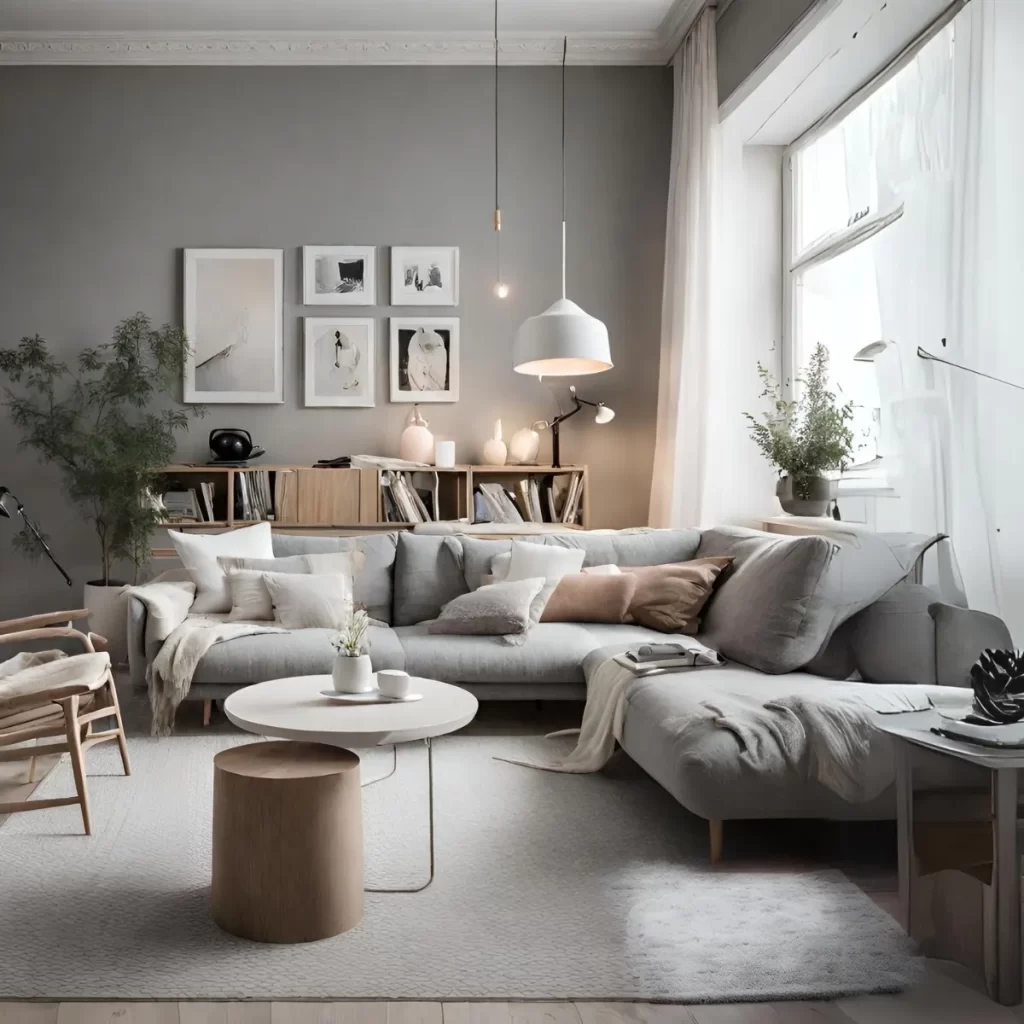
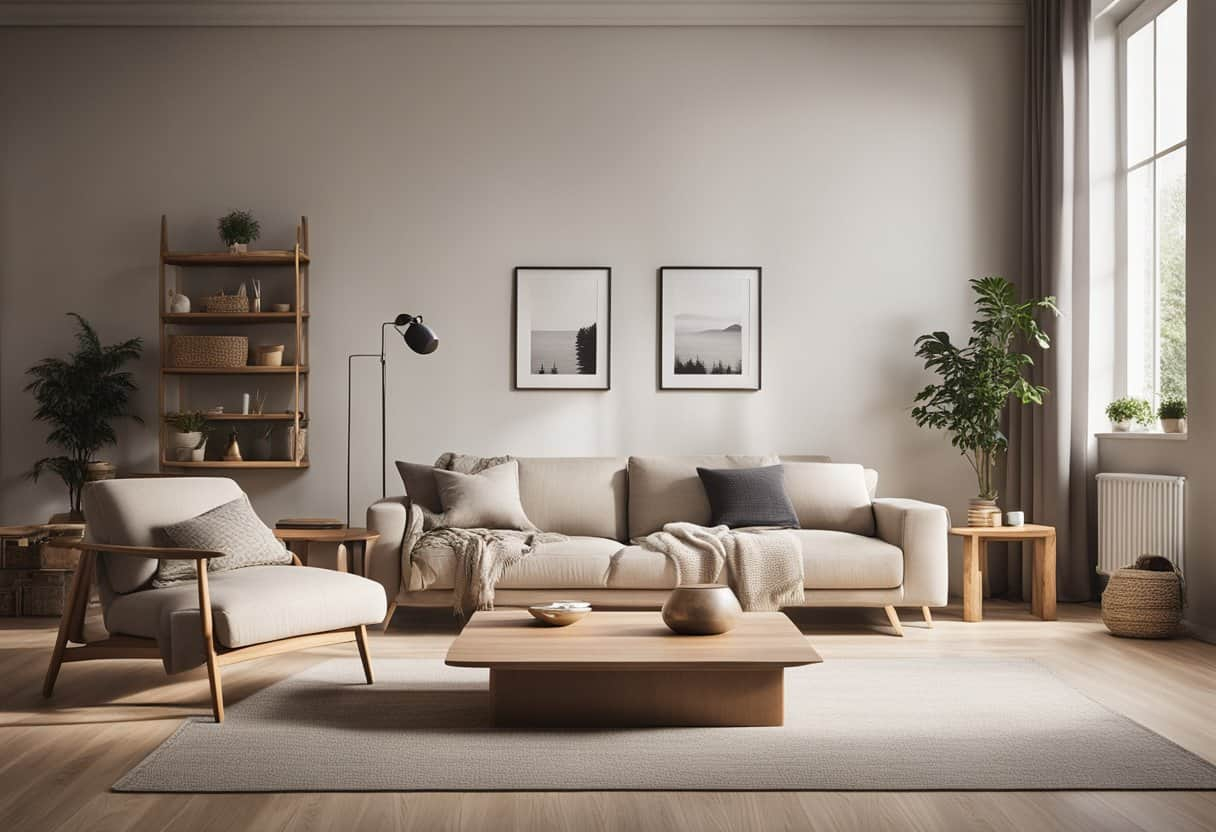
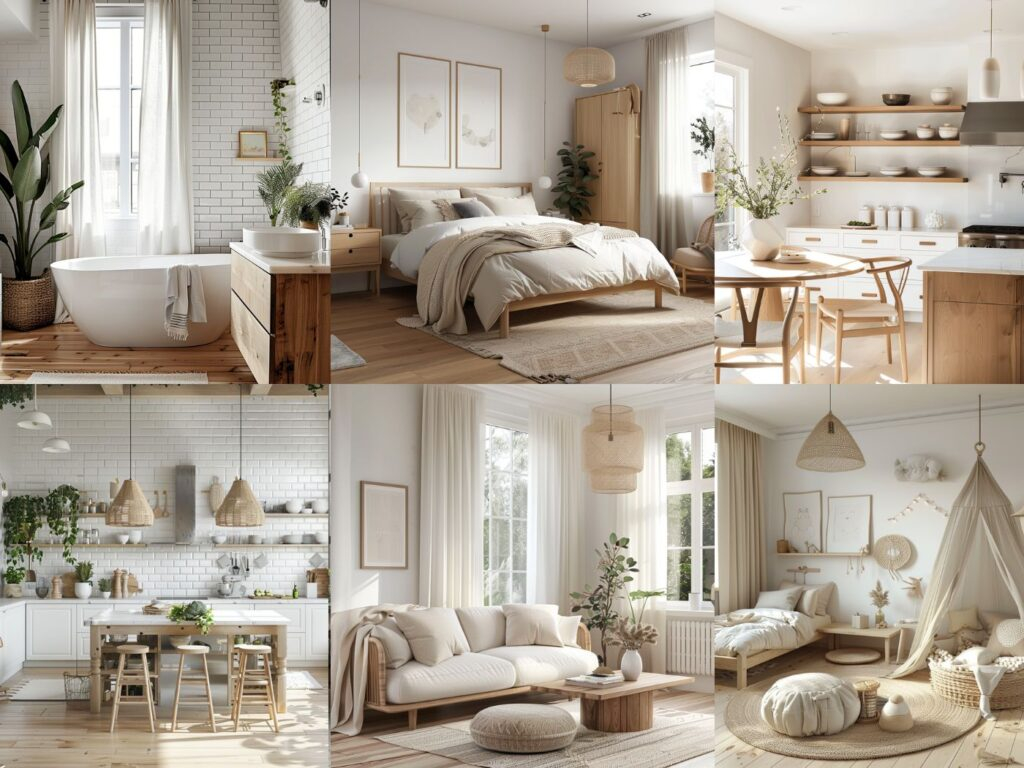
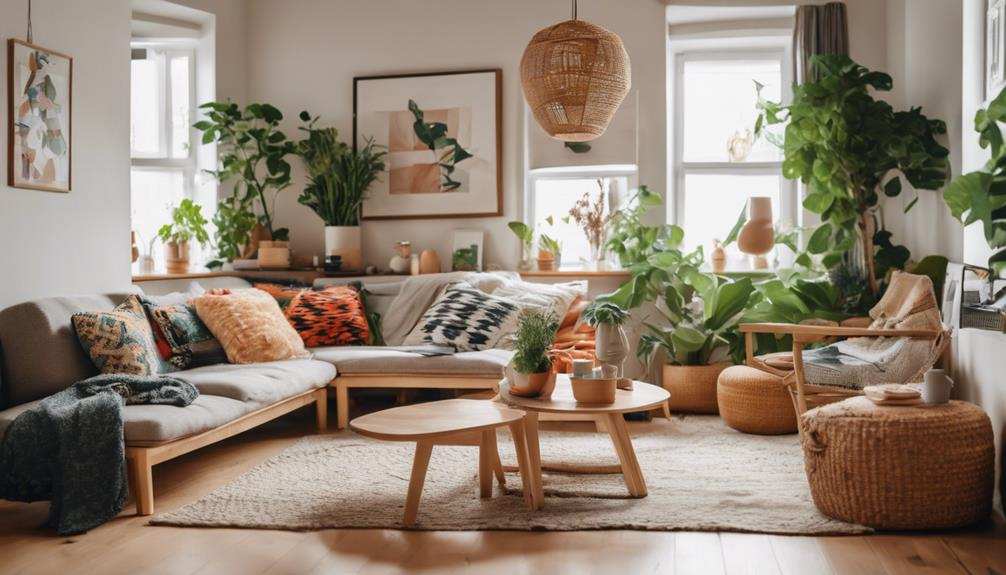
Have you ever walked into a room that just felt… right? Not too sterile, not too messy. Just perfectly balanced. It’s that sweet spot where you can breathe deeply, kick off your shoes, and actually relax. That’s the magic of Scandi Boho style. It’s been trending hard lately, and for good reason. In 2026, we’re all craving spaces that heal us, not stress us out.
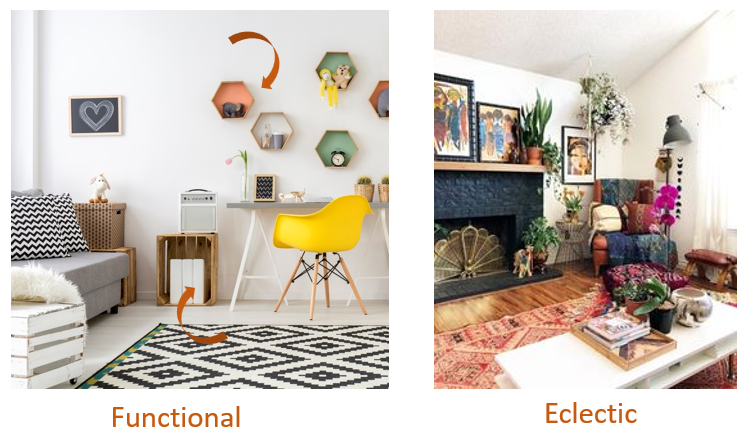
But here’s the thing. Mixing two opposite styles sounds tricky, doesn’t it? On one hand, you have Scandinavian design. It’s all about clean lines, function, and keeping things sparse. On the other, you’ve got Bohemian vibes. Think eclectic, colorful, and layered with textures. Putting them together might seem like a recipe for disaster. Or maybe just a really confusing living room.
Yet, when done correctly, this fusion is unbeatable. It takes the best of both worlds. You get the calm, uncluttered feel of Nordic homes. Plus, you get the soulful, cozy warmth of boho decor. It’s not about choosing sides. It’s about finding harmony. And honestly? It’s easier than you think. Let’s dive into how you can make it happen in your own space.
Understanding the Core Philosophy
At its heart, Scandi Boho is about balance. It’s not just throwing a rug on a white floor and calling it a day. There’s a philosophy behind it. Scandinavian design, or "Scandi," comes from the Nordic countries. It was born out of necessity. Long, dark winters meant people needed homes that were bright, functional, and cozy. They used light woods, white walls, and simple furniture to maximize light and space. Everything had a purpose. Nothing was extra.
Bohemian style, or "Boho," is different. It’s rooted in freedom. It’s artistic, personal, and often collected over time. Boho spaces tell a story. They use rich colors, patterns, and lots of textures. Think macramé, plants, and vintage finds. It’s expressive. But it can easily tip into clutter if you’re not careful.
So, how do they mix? The key is intentionality. You use the Scandi framework as your base. This means keeping your structural elements clean. White or light gray walls. Simple furniture shapes. Good natural light. Then, you layer the Boho elements on top. But you do it sparingly. You choose textures instead of trinkets. You pick one statement piece instead of ten small ones. This keeps the space feeling open but lived-in. It’s minimalism with a heartbeat.
In recent years, experts have noted that this style helps reduce anxiety. A clutter-free space lowers cortisol levels. But a cold, empty space can feel isolating. Scandi Boho solves both problems. It gives you the mental clarity of minimalism and the emotional comfort of a cozy nest. That’s why it’s so popular in 2026. We need both.
The Color Palette: Light Base, Earthy Accents
Color is the first thing you notice when you walk into a room. For Scandi Boho, you want to start with a light, airy base. Think whites, creams, soft grays, and pale beiges. These colors reflect light, making your space feel bigger and brighter. This is the Scandinavian part. It creates a calm canvas. If you paint your walls a dark color, you lose that airy feel. So, keep it light.
But light doesn’t mean boring. This is where the Boho side kicks in. You add warmth through earthy tones. Terracotta, sage green, mustard yellow, and warm browns. These colors ground the space. They connect you to nature. You don’t need to paint a whole wall terracotta. Maybe just an accent chair. Or a few throw pillows. The goal is subtle contrast.
Avoid harsh, neon colors. They clash with the natural vibe. Stick to muted, organic shades. Look at nature for inspiration. Think of sand, stones, leaves, and clay. These colors work together because they exist together in the wild. They feel harmonious.
Also, consider the finish of your paints and materials. Matte finishes look more natural and soft. Glossy surfaces can feel too modern or cold. You want your walls to feel soft to the eye. This adds to the cozy factor. When you combine a white wall with a sage green velvet cushion, it pops. But gently. It’s inviting, not shouting.
Remember, you can always add more color later. Start neutral. See how the light hits your room during the day. Then, add those earthy accents slowly. This prevents you from overwhelming the space. It keeps the "clutter-free" promise alive.
Furniture Selection: Function Meets Form
Furniture is the backbone of your room. In Scandi Boho, you want pieces that are both beautiful and useful. Scandinavian design is famous for functionality. Every item should earn its place. So, look for furniture with clean lines. Low profiles work well. They keep the visual weight down, making the room feel larger.
Wood is your best friend here. Light woods like oak, ash, or pine are classic Scandi choices. They bring warmth without heaviness. But don’t be afraid to mix in some darker woods for contrast. A walnut coffee table can anchor a lighter sofa. Just keep the shapes simple. Avoid ornate carvings or bulky frames.
Now, add the Boho twist. This comes through materials and shapes. Mix wood with rattan, cane, or wicker. A rattan armchair next to a sleek wooden desk looks amazing. It adds texture and visual interest. It feels organic. You can also look for vintage pieces. A mid-century modern chair with a worn leather seat adds character. It tells a story.
Comfort is non-negotiable. Your furniture should invite you to sit. Deep sofas, plush armchairs, and soft ottomans are key. But keep the silhouette streamlined. You don’t want overstuffed, huge couches that eat up the room. Choose pieces with legs. Seeing the floor underneath furniture makes a space feel airier.
In 2026, sustainability is huge. Many people are choosing second-hand furniture. This fits perfectly with Boho style. It’s eco-friendly and unique. Just make sure the piece is in good condition. Repair it if needed. This adds to the personal touch. But remember the rule: less is more. One great vintage find is better than five mediocre ones. Keep the floor space open. Allow room to move.
Textures and Layers: The Secret to Coziness
If color is the voice of your room, texture is its touch. This is where Scandi Boho truly shines. Minimalism can feel cold if it’s all smooth surfaces. Boho brings the warmth through layers. Think rugs, throws, cushions, and curtains. These soft elements make a house feel like a home.
Start with the floor. A large, natural fiber rug is essential. Jute, sisal, or wool are great options. They add warmth underfoot and define the seating area. You can layer a smaller, patterned rug on top for extra coziness. A Persian-style rug with muted colors works beautifully over a jute base. It adds pattern without chaos.
Next, look at your seating. Add throw blankets and pillows. But be selective. Choose high-quality fabrics. Linen, cotton, wool, and faux fur. Mix these textures. A chunky knit throw on a linen sofa looks inviting. Silk cushions add a touch of luxury. But stick to a cohesive color palette. Don’t go crazy with patterns. One or two patterned pillows are enough. The rest should be solid colors or subtle textures.
Curtains matter too. Heavy, floor-length drapes in linen or cotton soften the windows. They filter light beautifully. Avoid synthetic, shiny fabrics. They look cheap and cold. Natural fibers breathe and move with the air. This adds life to the room.
Don’t forget the walls. While Scandi style keeps walls bare, Boho allows for some art. But keep it curated. One large piece of textile art, like a tapestry or macramé, can be a focal point. Or a simple gallery wall with black-and-white photos. The key is negative space. Don’t cover every inch. Let the walls breathe. This balance keeps the space from feeling cluttered.
Bringing Nature Indoors
Plants are the ultimate bridge between Scandi and Boho. Scandinavians love nature. They bring it inside to combat the long winters. Bohos love plants for their life energy and aesthetic. So, greens are a must. They add color, texture, and freshness. They clean the air too. Which is a nice bonus.
Choose plants that fit your light conditions. Fiddle leaf figs are popular for their sculptural leaves. Snake plants are tough and low-maintenance. Pothos trails nicely from shelves. Monstera deliciosa adds a tropical vibe. Mix heights and sizes. A tall plant in a corner draws the eye up. Small succulents on a coffee table add detail.
Pot choice matters. Avoid plastic pots. Use ceramic, terracotta, or woven baskets. Natural materials blend better with the style. A terracotta pot feels earthy. A woven basket adds texture. You can even hide a plastic nursery pot inside a nicer one. This keeps the look polished.
But don’t turn your home into a jungle. That’s where the clutter creeps in. Stick to a few statement plants. Quality over quantity. Make sure each plant has space to grow. Trim dead leaves. Wipe dust off the foliage. Healthy plants look better and feel more calming.
You can also bring in other natural elements. Dried flowers, branches, or stones. A vase with eucalyptus branches smells amazing and looks minimalist. A bowl of smooth stones on a shelf adds a tactile element. These small touches connect you to the outdoors. They remind you to slow down. In our fast-paced 2026 world, that connection is vital.
Here’s the hard truth. You can’t have a clutter-free space without dealing with clutter. Scandi Boho looks effortless, but it requires maintenance. The "free" in clutter-free means freedom from mess. It doesn’t mean you never have stuff. It means your stuff has a home.
Storage should be hidden but accessible. Scandinavian design loves smart storage. Think benches with lids, ottomans with compartments, and shelves with boxes. Use baskets to corral small items. Remote controls, magazines, and toys can disappear into a woven basket instantly. This keeps surfaces clear. Clear surfaces equal a calm mind.
Adopt the "one in, one out" rule. If you buy a new pillow, donate an old one. If you get a new plant, maybe remove a smaller one. This prevents accumulation. Be honest about what you use. If you haven’t touched something in six months, do you really need it? Let it go.
Display only what you love. Boho style encourages showing off collections. But curate them. Don’t put every souvenir on a shelf. Pick the top three. Rotate them seasonally. This keeps the display fresh and intentional. It also gives you a reason to dig out stored items occasionally.
Lighting plays a role too. Good lighting makes a space feel organized. Use multiple light sources. Floor lamps, table lamps, and candles. Avoid harsh overhead lights. Warm bulbs (2700K-3000K) create a cozy glow. This highlights your textures and plants. It makes the room feel welcoming at night. A well-lit room feels cleaner and more inviting.
Finally, make tidying a habit. Spend five minutes each evening resetting your space. Fluff the pillows. Fold the throw. Put away the cups. This small effort keeps the Scandi Boho vibe alive. It prevents the "boho" part from becoming "messy." It’s about respect for your space. And yourself.
Creating a Scandi Boho home isn’t about perfection. It’s about intention. It’s about choosing things that bring you joy and function. It’s about letting go of what doesn’t. By blending the clean simplicity of Scandinavia with the warm soul of Bohemia, you create a sanctuary. A place that supports your well-being. In 2026, that’s not just a design trend. It’s a lifestyle choice. And it’s one worth making.