So, you’ve got the barbell. You’ve got the plates. Maybe you even scored a squat rack from a friend who was moving out of their garage. But there’s one problem standing between you and your new fitness routine: that thick, plush carpet in your spare bedroom or basement. It looks cozy. It feels nice under your bare feet. But does it belong under four hundred pounds of iron?
It’s the question that stops so many people before they even start. We see the glossy photos of home gyms with sleek rubber flooring or concrete platforms, and we wonder if our carpeted space is a dealbreaker. The short answer? No, it’s not. But the long answer is a bit more nuanced. You can absolutely make it work, but you need to understand what’s happening beneath your feet to do it safely. Let’s dive into the squishy reality of lifting on carpet.
The Squish Factor: Why Stability Matters More Than You Think
When you stand on carpet, especially with a heavy load on your back, the floor compresses. This isn’t just a minor inconvenience; it’s a stability issue. Imagine trying to balance on a memory foam mattress while holding a heavy box. Your ankles wobble. Your knees track inward. Your core has to work overtime just to keep you upright, stealing energy from the actual lift. This "squish" creates an uneven surface that can lead to poor form, and in weightlifting, poor form is the fast track to injury.
But it’s not just about your balance. That compression affects the equipment too. If you’re using a squat rack or a power cage, those legs need a solid foundation. On thick carpet, the rack can shift or tilt slightly as you unrack the weight. It might seem subtle, but over hundreds of reps, that micro-movement adds up. It puts stress on the joints of the rack and, more importantly, makes you feel less confident. And confidence is half the battle when you’re pushing heavy loads.
However, don’t panic. Not all carpet is created equal. Low-pile commercial carpet over concrete is vastly different from high-pile shag over wooden subflooring. The former might be perfectly fine for moderate lifting, while the latter is a recipe for disaster. Understanding your specific floor type is the first step. If your carpet feels like a cloud, you’ve got work to do. If it’s firm and thin, you’re already halfway there.
Horse Stall Mats: The Heavy-Duty Hero
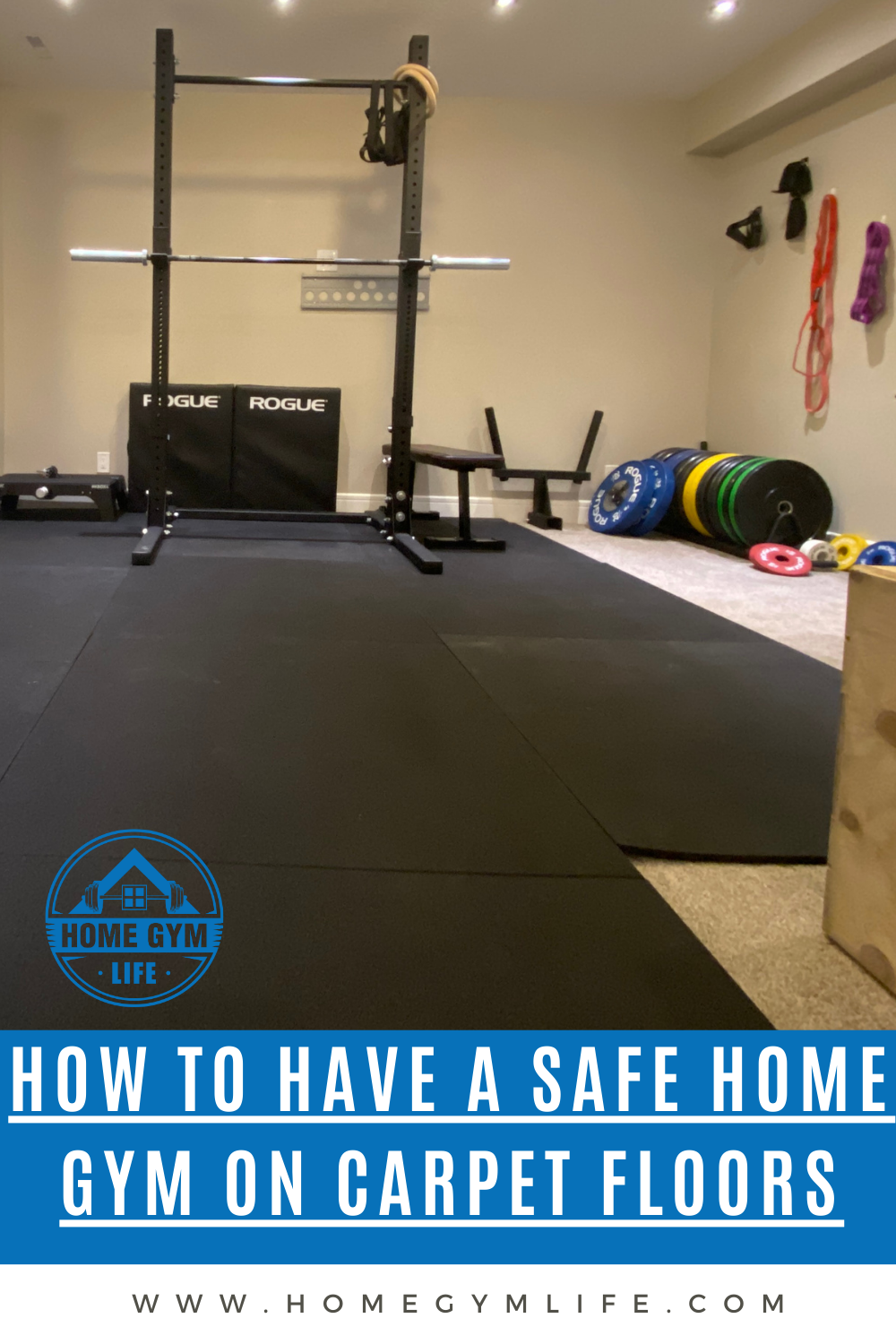
If there’s one secret weapon in the home gym community, it’s the horse stall mat. These aren’t your flimsy yoga mats or interlocking foam tiles. We’re talking about dense, 3/4-inch thick rubber slabs originally designed to withstand the weight and abuse of horses. They are incredibly heavy, often weighing over 100 pounds each, which is exactly why they work so well on carpet.
When you lay a horse stall mat directly on top of carpet, two things happen. First, the sheer weight of the mat compresses the carpet fibers underneath it, creating a firmer, more stable base. It eliminates most of that annoying squish we talked about earlier. Second, it provides a durable, non-slip surface for your feet and your equipment. You can drop a dumbbell on it (within reason) without worrying about tearing the fabric or denting the subfloor.
Many lifters swear by this setup. It’s cost-effective, widely available at farm supply stores, and virtually indestructible. Just be aware that these mats have a distinct rubber smell when new, so you’ll want to let them air out for a few days before bringing them into your living space. Also, because they are so heavy, moving them into position can be a workout in itself. But once they’re down, they aren’t going anywhere.
To Drop or Not to Drop: The Deadlift Dilemma
Here is where things get tricky. Squatting and bench pressing are generally safe on a properly prepared carpeted floor. But deadlifting? That’s a different story. The issue isn’t just the weight; it’s the impact. When you drop a loaded barbell, even with bumper plates, the force is concentrated on a small area. On concrete, this is fine. On wood subfloors covered by carpet, this can cause dents, cracks, or even structural damage over time.
If you plan on doing Olympic lifts or heavy deadlifts where dropping the bar is part of the training, you need more protection than just a stall mat. You need a lifting platform. This doesn’t have to be a professional-grade wooden platform with steel edges. A simple DIY version made from plywood and rubber mats can do the job. The goal is to distribute the impact force over a wider area and absorb the shock before it hits your subfloor.
Some people try to get away with just using crash mats or thick gym tiles, but for heavy dropping, a solid platform is the gold standard. If you’re not dropping the weight—meaning you control the descent every single time—you can get away with less. But let’s be honest: when you’re grinding out a max effort pull, controlling the drop isn’t always possible. Plan for the worst-case scenario to protect your home.
Protecting the Subfloor: It’s What’s Underneath That Counts
We often focus on the carpet because it’s what we see, but the real victim of heavy lifting is the subfloor beneath it. Most homes have either concrete slabs (common in basements) or wooden joists and plywood (common in upper floors). Concrete is tough. It can handle a lot of abuse. Wood, however, is flexible and prone to damage.
If you’re lifting on an upper floor, you need to be extra cautious. The vibration from heavy lifts can travel through the house, annoying family members or neighbors below. More seriously, repeated impact can weaken the wooden structure. This is why distributing the weight is key. Large rubber mats help, but they don’t solve the vibration issue entirely. Adding a layer of plywood under your rubber mats can help spread the load across multiple joists, reducing the stress on any single point.
Also, consider the moisture aspect. Carpet can trap sweat and humidity, which isn’t great for wooden subfloors or metal equipment. Using rubber mats creates a barrier that protects the carpet from sweat stains and prevents moisture from seeping down. It’s a small detail, but it helps preserve the longevity of both your floor and your gear. Don’t skip this step if you plan on training hard.
Moving Heavy Gear Without Ruining the Rug
Setting up your gym is one thing; moving equipment around later is another. Dragging a squat rack or a bench across carpet can cause tears, snags, and permanent indentations. The friction is high, and the legs of gym equipment are often sharp or narrow, digging into the fibers. So, how do you move heavy objects without destroying your floor?
The trick is to lift, not slide. If you have friends helping, coordinate a lift-and-walk maneuver. If you’re alone, consider using furniture sliders or a dolly with inflatable rubber wheels. Inflatable wheels are softer and less likely to leave marks than solid plastic ones. You can also place a piece of cardboard or a thin sheet of plywood under the equipment legs to create a smooth sliding surface if you must drag it a short distance.
Another pro tip: rotate your equipment periodically. If your squat rack sits in the same spot for months, the weight will compress the carpet and padding underneath, leaving a permanent dip. By shifting the rack a few inches every couple of months, you allow the carpet fibers to recover and prevent deep, unsightly indentations. It’s a small habit that keeps your space looking fresh.
Budget-Friendly Alternatives If Stall Mats Aren’t an Option
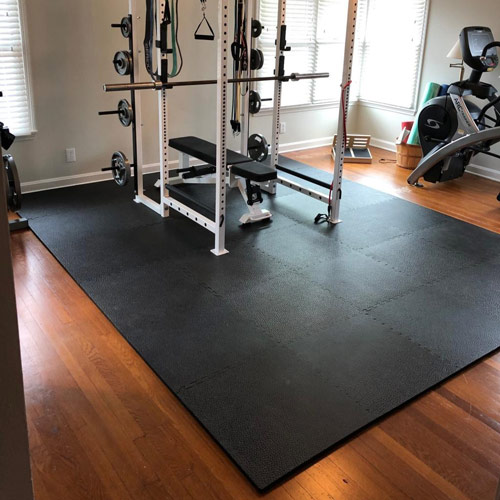
Maybe you can’t find horse stall mats locally. Or maybe the shipping costs are prohibitive. Don’t worry, there are other options. Interlocking rubber gym tiles are a popular choice. They are easier to handle and install than heavy slabs, and they provide decent protection. Look for high-density tiles, at least 1/2 inch thick, to ensure they offer enough support. Avoid the cheap foam puzzle mats; they are too soft and will bottom out under heavy weights.
Another option is rolled rubber flooring. This comes in large sheets and provides a seamless surface, which is great for cleanliness and aesthetics. It’s often more expensive than mats, but it looks more polished. If you’re on a tight budget, you can even layer multiple thinner mats to achieve the desired thickness. Just make sure they don’t shift around during use. Securing them with double-sided tape or Velcro can help keep everything in place.
Ultimately, the best solution depends on your budget, your space, and your lifting style. There is no one-size-fits-all answer. But remember, investing in good flooring is investing in your safety and your home’s integrity. It’s worth taking the time to get it right.
So, can you lift heavy on carpet? Yes. But you shouldn’t just throw a barbell down and hope for the best. You need to respect the surface you’re working with. Start by assessing your carpet and subfloor. Add a layer of dense rubber, like horse stall mats, to create stability and protection. If you’re dropping weights, build a platform. And always be mindful of how you move your equipment.
Your home gym should be a place of strength, not stress. By taking these simple precautions, you can turn that cozy carpeted room into a serious training space. You don’t need a garage or a basement with concrete floors to make progress. You just need a little bit of knowledge and the right setup.
Don’t let the perfect be the enemy of the good. Start with what you have. Add protection as you go. Listen to your body and your floor. With the right approach, you’ll be hitting PRs in no time, all without ruining your living room. Now, go load up that bar.