Have you ever noticed how your garden seems to explode with life after a good storm? The leaves look greener, the flowers stand taller, and there’s this fresh, vibrant energy that just isn’t there when you’re dragging the hose around on a Tuesday afternoon. It’s not just your imagination. There is something fundamentally different about water that falls from the sky compared to what comes out of our taps. And when you pair that natural gift with the precision of drip irrigation, you aren’t just watering plants. You are unlocking their full potential.
For years, many of us have treated water as a simple utility. Turn the knob, get the wet stuff, move on. But in 2026, as water conservation becomes more critical and gardening costs rise, that old mindset is shifting. We are learning that not all water is created equal. Tap water, while safe for us, often carries chemicals, minerals, and a pH balance that plants have to work hard to process. Rainwater, on the other hand, is soft, slightly acidic, and free of the additives that can build up in soil over time.
So, what happens when you stop relying solely on the municipal supply or well water and start capturing rain? And what if you deliver it directly to the roots, drop by drop, instead of spraying it everywhere? The results are pretty stunning. This combination creates a synergy that boosts soil health, reduces waste, and makes your plants happier than they’ve ever been. Let’s dig into why this switch is the best thing you can do for your garden this year.
The Chemistry of Sky Water vs. Tap Water
Let’s talk about what’s actually in your watering can. When you use tap water, you are dealing with a complex cocktail. Depending on where you live, it might contain chlorine, chloramines, fluoride, and varying levels of dissolved solids like calcium and magnesium. These aren’t necessarily bad for humans—in fact, we need some of them—but plants don’t have the same biological filters we do. Over time, these minerals can accumulate in the soil, leading to salt buildup that makes it harder for roots to absorb nutrients. It’s like trying to drink a thick milkshake through a thin straw; eventually, it just gets too difficult.
Rainwater is different. It is naturally soft and free of those harsh chemicals. As it falls, it picks up small amounts of nitrogen from the atmosphere, which acts as a mild, natural fertilizer. This is why plants often look perkier after a rainstorm. The pH of rainwater is typically slightly acidic, usually between 5.5 and 6.5. This is the sweet spot for most garden plants, allowing them to access essential nutrients like iron, manganese, and phosphorus more easily. Tap water, especially in harder regions, tends to be more alkaline, which can lock up these nutrients in the soil, making them unavailable to your plants even if you add fertilizer.
Switching to rainwater removes the chemical barrier. Your plants spend less energy processing unwanted substances and more energy on growing leaves, blooms, and roots. In 2026, with more gardeners moving toward organic practices, this chemical-free approach aligns perfectly with the goal of working with nature rather than against it. You aren’t just hydrating the plant; you are providing the ideal medium for nutrient uptake. It’s a subtle change, but the cumulative effect over a growing season is massive.
Precision Delivery: Why Drip Beats Spray
Now that we have better water, how do we deliver it? For decades, sprinklers and hoses were the go-to methods. They are easy, sure, but they are also incredibly inefficient. When you spray water into the air, a significant portion evaporates before it even hits the ground. Wind blows it off target. Leaves block it from reaching the soil. And perhaps worst of all, wet foliage is a breeding ground for fungal diseases like powdery mildew and blight. By the time the water reaches the roots, much of it is gone or wasted.
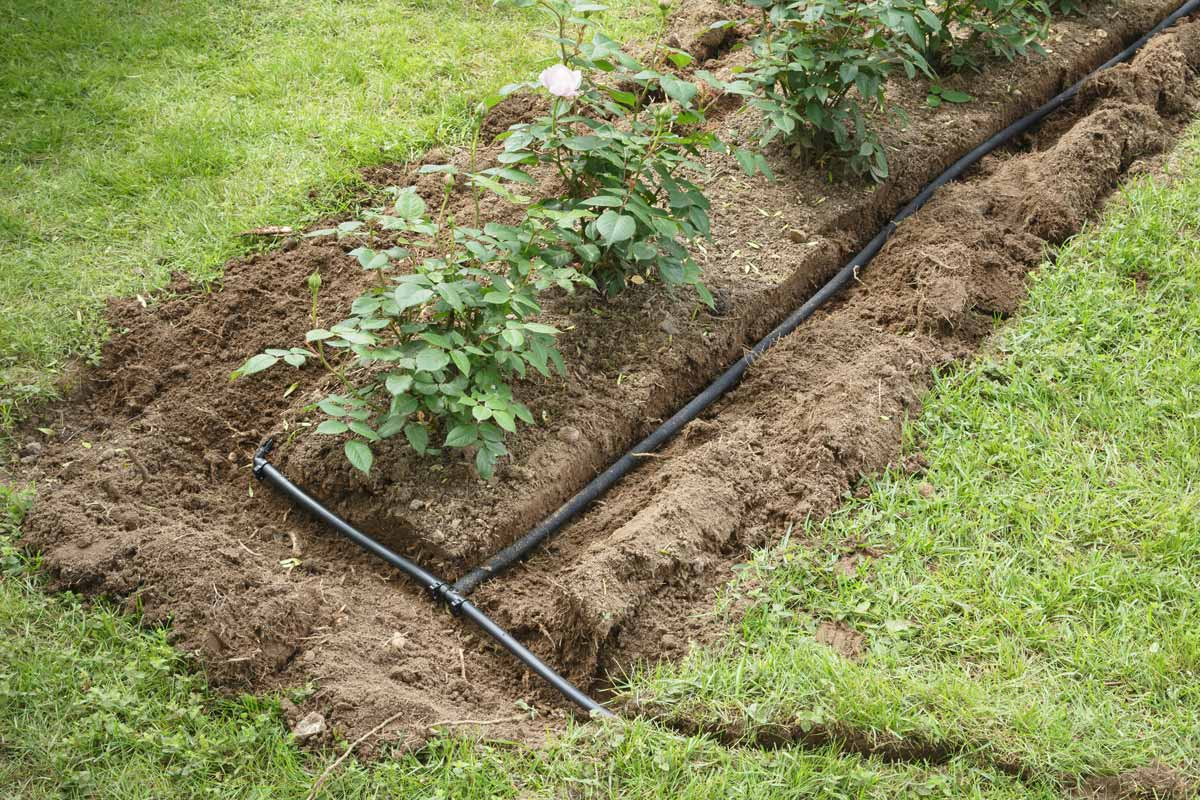
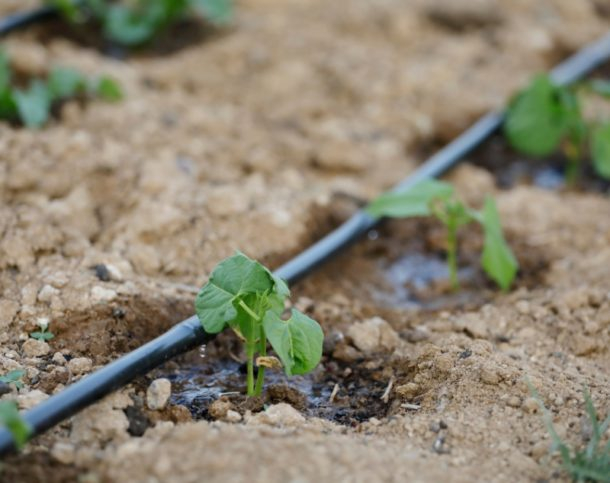
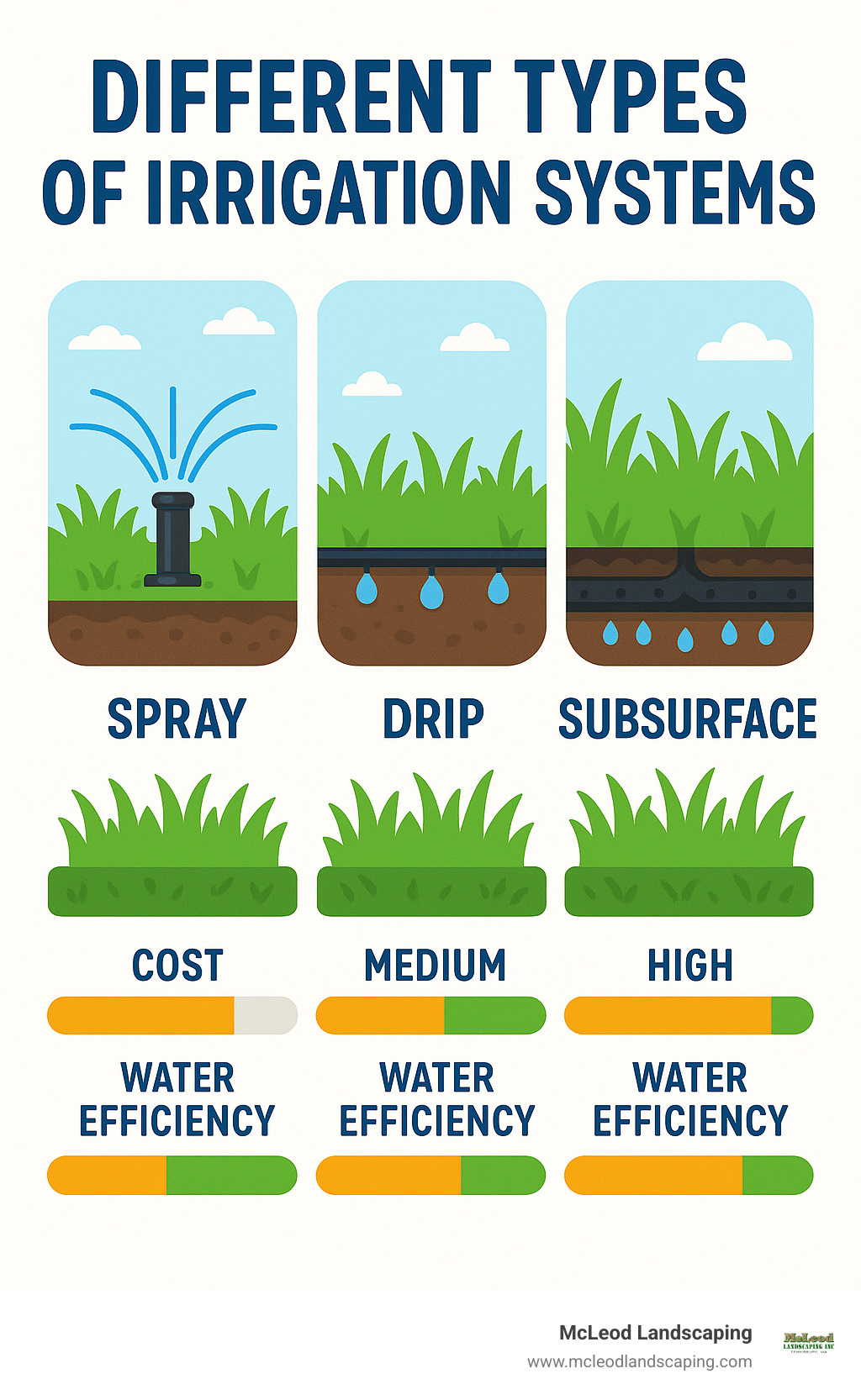
Drip irrigation changes the game entirely. Instead of broadcasting water broadly, it delivers it slowly and directly to the root zone. This is where the magic happens. Roots are thirsty, but they can only absorb water at a certain rate. If you dump a gallon on them all at once, much of it runs off or percolates too deep for the plant to use. Drip systems release water gradually, allowing the soil to absorb it fully without runoff. This ensures that every drop counts.
The consistency is key. Plants hate stress, and fluctuating moisture levels are a major source of stress. One day they are drowning, the next they are parched. Drip irrigation, especially when paired with a timer, provides a steady, reliable supply of moisture. This stability encourages deeper root growth, as plants don’t need to stay near the surface searching for water. Deeper roots mean stronger, more resilient plants that can withstand heat waves and dry spells better. In the hot summers we’ve been seeing lately, this reliability is a lifesaver.
Boosting Soil Biology and Health
Healthy plants start with healthy soil, and soil is alive. It is teeming with bacteria, fungi, earthworms, and other microorganisms that break down organic matter and make nutrients available to plants. These tiny workers are sensitive to their environment. Chlorine and high salt levels from tap water can disrupt this delicate ecosystem, killing off beneficial microbes and reducing soil fertility over time. It’s like spraying antibiotics on your garden bed; you might kill some bad bugs, but you hurt the good ones too.
Rainwater is gentle on soil biology. Because it lacks harsh chemicals, it supports a thriving community of microorganisms. When you combine this with drip irrigation, you maintain optimal soil moisture levels without waterlogging. Waterlogged soil pushes out oxygen, suffocating roots and beneficial aerobic bacteria. Drip systems keep the soil moist but aerated, creating the perfect conditions for microbial activity. This active soil food web helps suppress diseases, improves soil structure, and enhances nutrient cycling.
In recent years, researchers have highlighted the importance of the soil microbiome in plant health. A robust microbiome helps plants resist pests and diseases naturally, reducing the need for chemical interventions. By using rainwater drip irrigation, you are essentially feeding and protecting this underground workforce. The result is soil that is darker, crumblier, and more fertile. It smells rich and earthy, not sterile. This biological boost is one of the hidden benefits that doesn’t show up immediately but pays dividends season after season.
Water Conservation and Environmental Impact
Let’s face it: water is becoming a precious resource. In many parts of the world, including various regions across the US and Europe, droughts are becoming more frequent and severe. Municipal water restrictions are common in 2026, and the cost of water is rising. Using tap water for gardens, which often accounts for a huge chunk of household outdoor usage, feels increasingly irresponsible. Rainwater harvesting is a powerful way to reduce your footprint and take pressure off local water supplies.
A typical roof can collect hundreds of gallons of water during a moderate rainstorm. By installing rain barrels or larger cisterns, you capture this free resource instead of letting it run off into storm drains, where it can pick up pollutants and cause erosion. When you use this stored water for irrigation, you are closing the loop. You are using what nature provided, right where it fell. This reduces demand on treated water systems, which require significant energy and chemicals to process and pump.
Drip irrigation maximizes the efficiency of this harvested water. Because it minimizes evaporation and runoff, you use far less water to achieve the same or better results compared to traditional methods. Studies suggest that drip systems can reduce water usage by 30% to 50% compared to sprinklers. When you combine this efficiency with free rainwater, your garden becomes nearly self-sufficient in terms of hydration. It’s a win for your wallet, a win for your plants, and a win for the planet. Plus, there is a deep satisfaction in knowing your garden is thriving on sunshine and sky water.
Practical Steps to Make the Switch
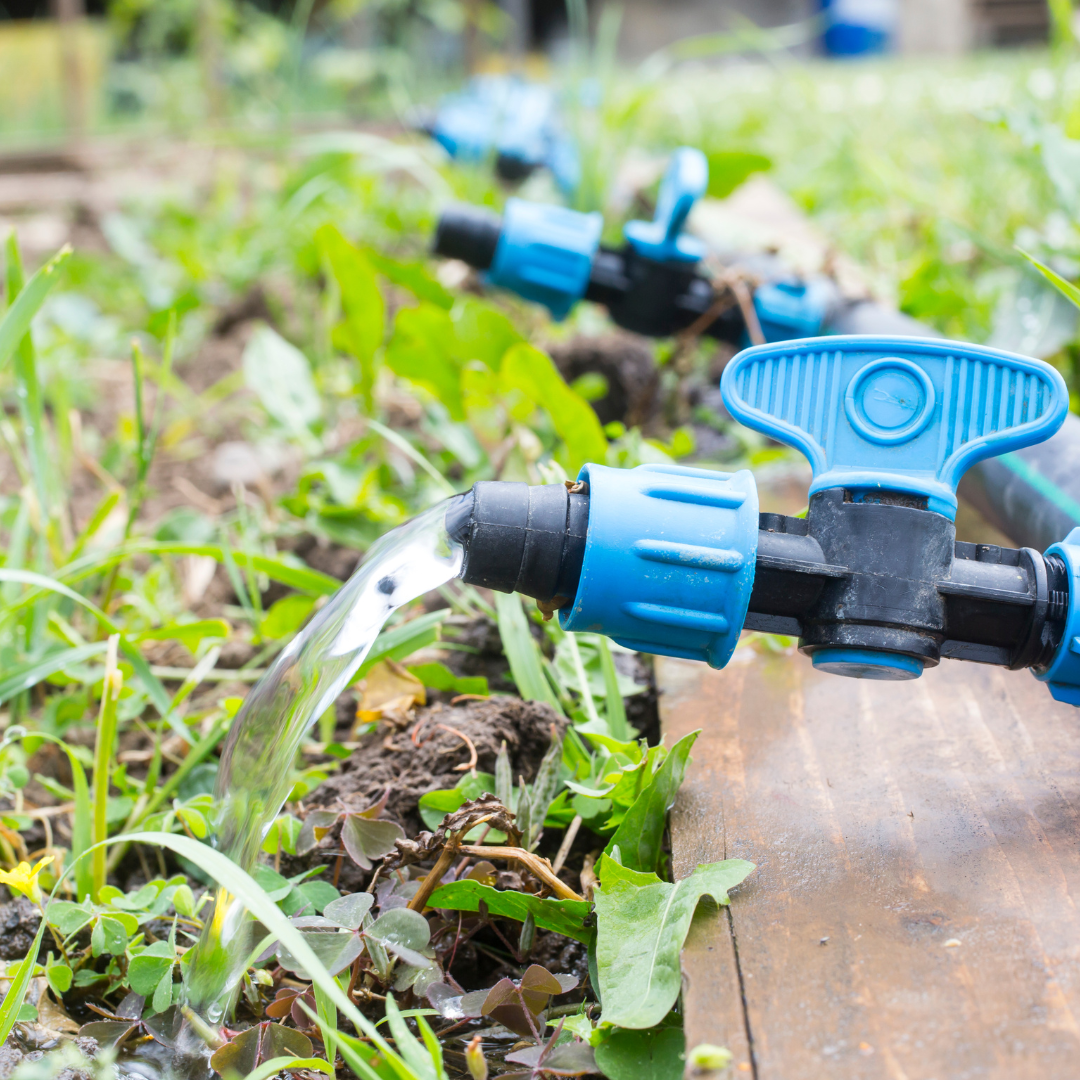
So, how do you actually do this? It might sound complicated, but it’s easier than you think. Start small. You don’t need a massive tank system to begin. A couple of rain barrels connected to your downspouts can provide enough water for a small vegetable patch or flower bed. Look for barrels with fine mesh screens to keep out mosquitoes and debris. Make sure they have a spigot near the bottom so you can connect a hose or drip system easily. Elevating the barrels on sturdy blocks can also help with gravity-fed pressure, though most modern drip kits work fine with low pressure.
Next, choose a drip irrigation kit that suits your needs. There are many options available in 2026, from simple DIY kits to more advanced smart systems. For beginners, a basic kit with emitters or soaker hoses is a great start. Lay the tubing along your plant rows and place emitters near the base of each plant. If you are using rain barrels, you might need a small pump or a gravity-fed system designed for low pressure. Some kits, like the Raindrip Automatic Watering Kit mentioned in various gardening forums, are specifically designed to work with rain barrels, making the setup straightforward.
Maintenance is minimal but important. Clean your rain barrel screens regularly to prevent clogs. Flush out the drip lines at the end of each season to remove any sediment or algae buildup. In colder climates, remember to drain and store your system during winter to prevent freezing damage. Check for leaks occasionally, especially after heavy storms or strong winds. With a little care, your system will last for years. And don’t worry about perfection. Even a imperfect setup is better than none. Start where you are, use what you have, and expand as you get comfortable.
The shift to rainwater drip irrigation isn’t just theoretical. Gardeners who have made the switch report noticeable differences in their plants. Many describe their vegetables tasting sweeter and more flavorful. Tomatoes, peppers, and herbs seem to have a more intense aroma and taste. This is likely due to the consistent moisture and lack of chemical interference, allowing the plants to develop their natural sugars and oils fully. Flowers also benefit, with brighter colors and longer bloom times. Roses, in particular, seem to thrive on the soft, slightly acidic rainwater, producing larger, more vibrant blooms.
Soil health improvements are another common observation. Gardeners note that their soil stays moister for longer periods, requiring less frequent watering. The texture improves, becoming less compacted and easier to work with. Earthworm populations often increase, a sign of healthy, biologically active soil. Weeds may also become less of an issue, as drip irrigation targets only the desired plants, leaving the spaces between rows drier and less hospitable to weed seeds.
There is also a psychological benefit. Many gardeners report feeling more connected to their environment. Watching the rain fill their barrels and knowing that their garden is powered by natural cycles brings a sense of peace and satisfaction. It turns gardening from a chore into a partnership with nature. In online communities and local gardening clubs, stories of transformation are common. People who struggled with yellowing leaves or poor growth find their plants rebounding quickly after switching. It’s not a magic bullet, but it is a powerful tool that works with natural laws rather than against them. The evidence is in the garden itself.
Making the switch to rainwater drip irrigation is one of the most impactful changes you can make in your gardening practice. It combines the purity of nature’s water with the efficiency of modern technology, creating a system that supports plant health, conserves resources, and builds soil vitality. You don’t need to be an expert or have a huge budget to start. Begin with a single barrel and a small drip line. Watch how your plants respond. Notice the difference in their vigor, their color, and their resilience.
As we move further into 2026, the importance of sustainable gardening practices will only grow. Water scarcity, climate variability, and environmental concerns are not going away. By adopting rainwater harvesting and drip irrigation, you are future-proofing your garden. You are creating a space that is resilient, productive, and beautiful. And you are doing it in a way that respects the natural world.
So, why wait? The next time it rains, watch the water flow off your roof. Imagine that water nourishing your tomatoes, your roses, your herbs. Imagine the savings on your water bill and the joy of seeing your plants thrive. Give it a try. Your garden will thank you, and so will the planet. It’s a small step, but it leads to a greener, more vibrant future.