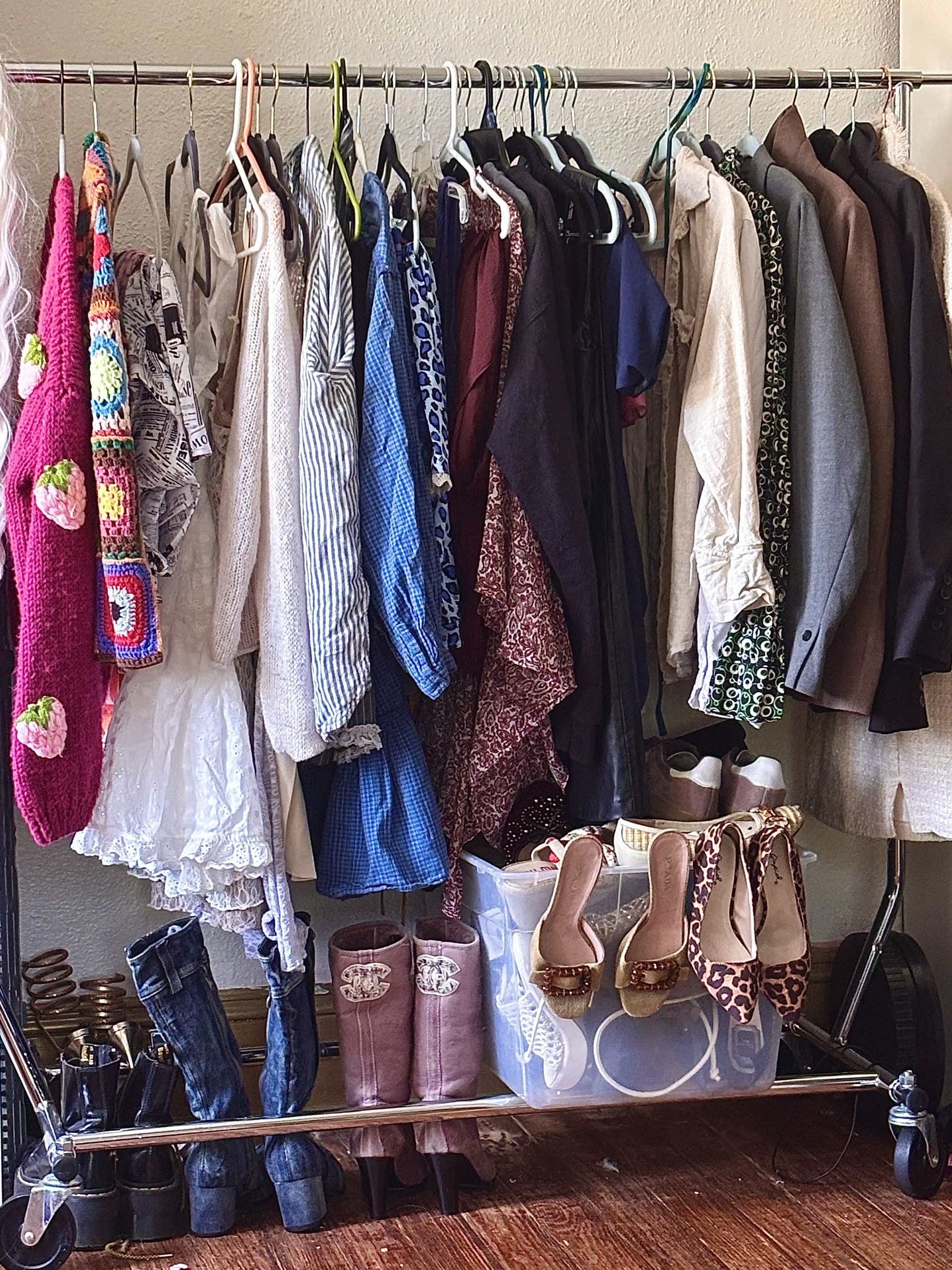
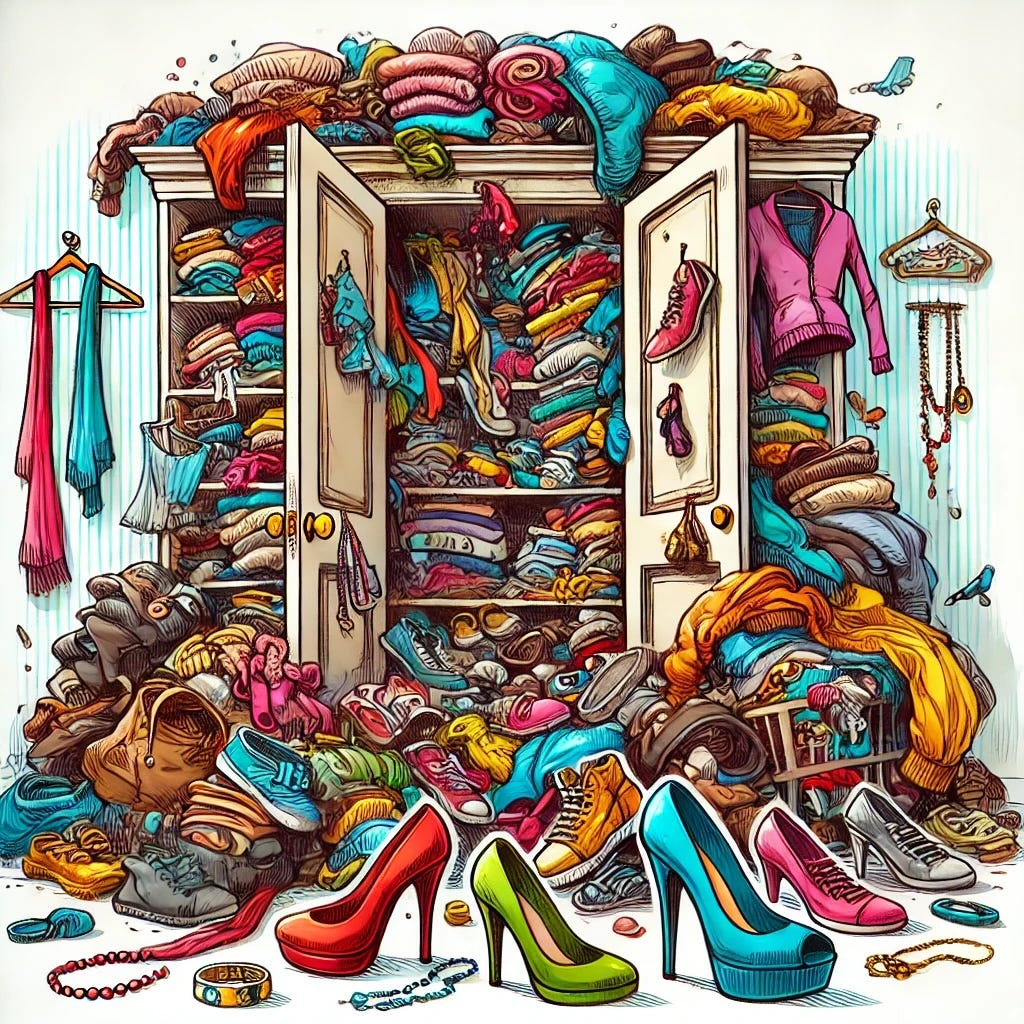
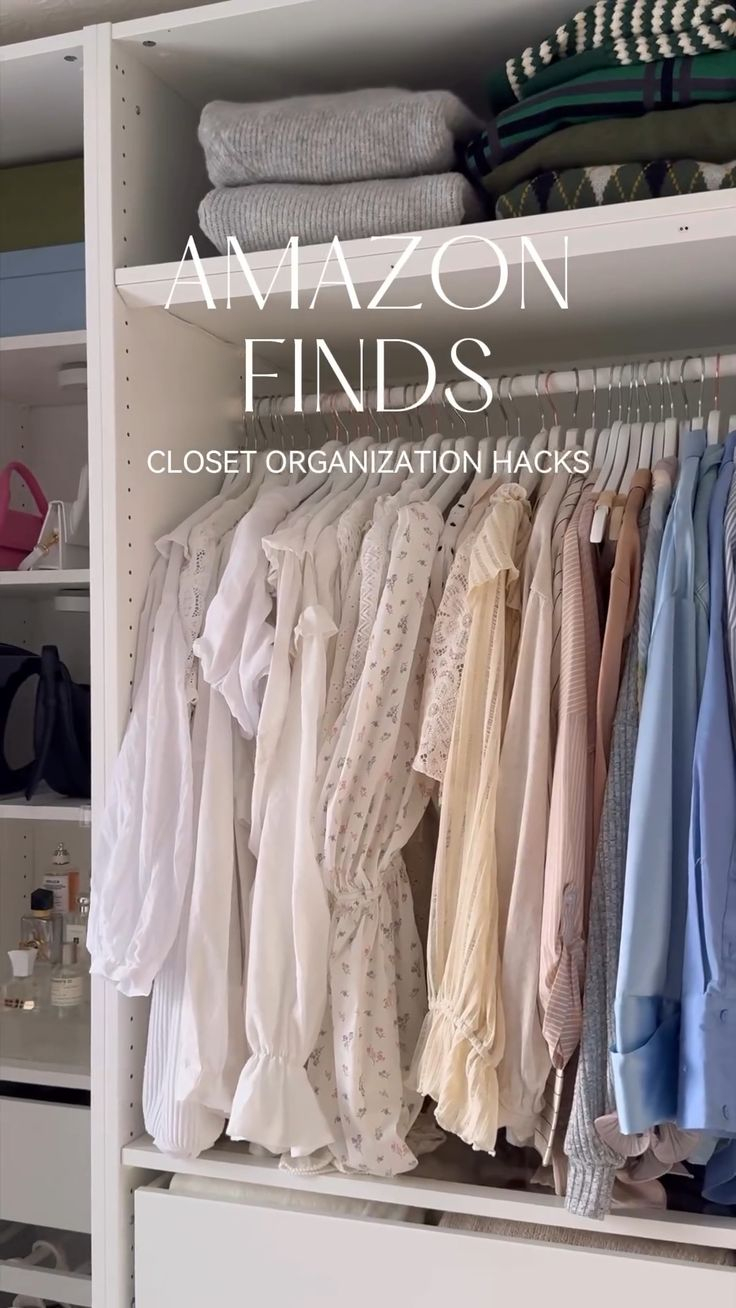
There’s a specific kind of panic that hits at 7:45 AM on a Tuesday. You’re running late. The coffee is still brewing. And you’re staring into the dark abyss of your closet, trying to find that one navy silk tie that goes perfectly with your charcoal suit. It’s buried under a tangle of polyester blends and half-folded disasters. Sound familiar? We’ve all been there. It’s not just about being late; it’s about starting the day feeling frazzled instead of focused.
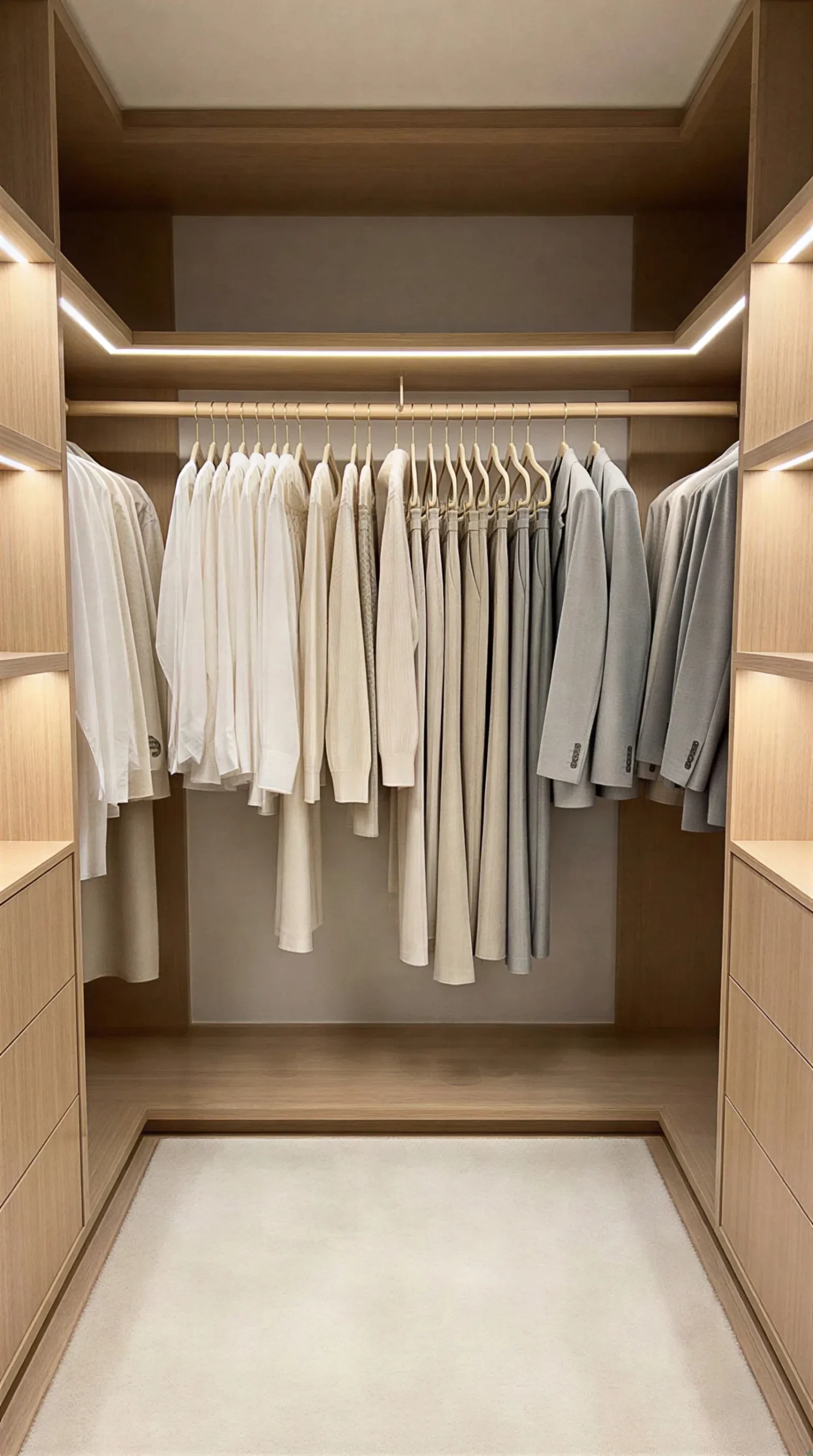
But what if your closet wasn’t a black hole? What if opening those doors felt like walking into a boutique, where every option was laid out clearly, inviting you to choose? That’s the power of visible tie storage. It’s not just organization; it’s curation. It’s taking control of your aesthetic before you even step out the door. In 2026, with life moving faster than ever, the small rituals that ground us matter more. And honestly, nothing grounds a morning quite like seeing your best self hanging right there, ready to go.
Let’s talk about why this matters. Ties are weird. They’re long, slippery, and prone to wrinkling if you look at them wrong. Yet, they are often the loudest part of a professional outfit. They show personality. A bold pattern says you’re confident. A subtle texture says you pay attention to details. But if they’re crumpled in a drawer or knotted together on a cheap plastic hanger, that message gets lost. Visible storage changes the game. It turns a chore into a choice. It makes getting dressed an act of creation rather than survival.
Why Visibility Changes Everything
When you can see your options, your brain works differently. It’s called decision fatigue, and it’s real. If you have to dig through a pile to find what you want, you’re using up mental energy before you’ve even had breakfast. By making your ties visible, you reduce that friction. You scan, you pick, you move on. It’s efficient. But it’s also inspiring. Seeing a collection of colors and patterns can spark ideas you wouldn’t have had if everything was hidden away. Maybe you notice that burgundy knit tie next to your light blue shirt and think, "Hey, that actually works." You wouldn’t have made that connection if the tie was rolled up in a box.
Plus, let’s be honest about the psychology of it. There is something deeply satisfying about order. Humans are wired to appreciate symmetry and cleanliness. When you open your closet and see rows of neatly hung ties, sorted by color or fabric, it calms the mind. It signals that you have your life together. Even if the rest of your day is chaotic, that little corner of order remains. It’s a visual anchor. In a world that feels increasingly unpredictable, controlling your immediate environment is a powerful way to regain a sense of agency. You’re not just storing fabric; you’re curating peace of mind.
This approach also protects your investment. Good ties aren’t cheap. A quality silk tie from a reputable brand can last decades if treated right. But fold it wrong, or leave it crushed in a drawer, and it develops permanent creases. The fabric loses its luster. Visible storage, when done correctly, usually involves hanging or rolling in a way that respects the material’s structure. It keeps the fibers relaxed. So, you’re not just saving time; you’re saving money in the long run by extending the life of your wardrobe. It’s practical elegance.
The Psychology of Color and Pattern Access
One of the biggest benefits of visible storage is how it helps you master color theory without trying too hard. When ties are hidden, we tend to grab the safe options. The navy. The black. The stripes we know work. But when they’re on display, you start to see the relationships between hues. You might notice that your olive green tie pops against the grey suits you wear most often. Or that your bright yellow pocket square matches the subtle hints in a patterned tie you forgot you owned. Visibility encourages experimentation. It pushes you out of your comfort zone in low-stakes ways.
Think about it like a painter’s palette. An artist doesn’t keep their paints in sealed tubes in a box. They lay them out on a tray so they can mix and match easily. Your closet is your palette. By arranging your ties visibly, perhaps grouped by color family or intensity, you create a visual map of your style. You can see gaps, too. Maybe you realize you have ten blue ties but no earth tones. That insight helps you shop smarter in the future. Instead of buying another navy tie because it’s easy, you might look for a rust or mustard shade to balance things out. It makes you a more intentional consumer.
In 2026, personal branding is huge. Whether you’re on Zoom calls or meeting clients in person, your appearance sends a signal. Visible tie storage allows you to align your look with your intent for the day. Having a big presentation? You can quickly spot the power tie—the bold red or the crisp white. Having a casual Friday team lunch? You can grab the textured knit or the playful print. The accessibility means you can dress for the occasion, not just for habit. It turns your wardrobe into a dynamic tool for communication. You’re speaking before you say a word.
Top Storage Solutions for Every Space
So, how do you actually achieve this? There’s no one-size-fits-all answer, because closets come in all shapes and sizes. For those with ample closet rod space, a multi-tiered tie rack is a classic choice. These hang like a regular hanger but have multiple bars or clips. The key here is to choose one that allows the ties to hang freely without touching each other too much. If they’re cramped, they’ll still wrinkle. Look for racks with wide spacing. Some modern designs use individual hooks that swivel, making it easy to grab one tie without disturbing the others. It’s simple, effective, and keeps everything at eye level.
If you’re short on hanging space, don’t worry. Drawer dividers are a fantastic alternative, especially for smaller apartments or shared closets. The trick is to roll the ties loosely, not fold them. Rolling prevents sharp creases. Use wooden or acrylic dividers to keep the rolls separate and upright. This way, when you open the drawer, you see a grid of colorful cylinders. It’s almost artistic. Plus, it protects the ties from dust and light exposure, which can fade certain fabrics over time. Just make sure the drawer isn’t overstuffed. If you have to force the drawer shut, you’re crushing your ties.
For the design-conscious, wall-mounted displays are having a moment. Think of them as art installations. You can install sleek wooden pegs or floating shelves with small rods. This works best if you have a dedicated dressing area or a walk-in closet where aesthetics matter as much as function. It turns your tie collection into a feature of the room. You can arrange them by gradient, creating a rainbow effect that’s pleasing to the eye. Or group them by occasion. The beauty of this method is that it forces you to keep only the ties you truly love. If it’s on display, it has to earn its place. No more keeping that ugly promotional tie from 2018 just because it was free.
Maintaining Fabric Integrity and Shape
Visible storage isn’t just about looks; it’s about care. Different fabrics need different handling. Silk is delicate. It slips. It stains easily. Wool is sturdy but can stretch if hung improperly for too long. Knits are heavy and can lose their shape if hung by the narrow end. Knowing your materials is crucial. For silk ties, hanging is generally fine if you use a proper hanger that supports the width of the tie. Avoid thin wire hangers that can create indentations. Instead, opt for padded or wide wooden hangers. This distributes the weight evenly and prevents those annoying shoulder bumps, even on a tie.
For heavier wool or knit ties, consider the roll-and-store method mentioned earlier. Hanging these for months on end can cause them to elongate. The gravity pulls the fabric down, and you end up with a tie that’s longer on one side. Rolling them loosely in a drawer maintains their original dimensions. It’s a small detail, but it makes a difference in how the tie sits around your neck. A distorted tie never looks quite right, no matter how good the knot is. So, mix and match your storage methods based on the fabric. Keep silks visible on racks, and tuck the heavy knits away in divided drawers.
Don’t forget about rotation. Even with perfect storage, ties need a break. If you wear the same five ties every week, they’ll wear out faster. Rotate your collection. Give each tie a few days of rest between wears. This allows the fibers to recover and any minor wrinkles to relax. Visible storage makes this easier because you can see which ties haven’t been touched in a while. It nudges you to reach for the neglected ones. It’s like crop rotation for your closet. It keeps the soil healthy, so to speak. And if you notice a stain or a loose thread, you can catch it early because the tie is in plain sight. Out of sight, out of mind is the enemy of longevity.
Integrating Ties into Your Daily Routine
The ultimate goal of visible storage is seamless integration into your life. It should feel effortless. Start by auditing your collection. Be ruthless. If you haven’t worn it in a year, let it go. Donate it or sell it. Clutter kills creativity. Once you’ve pared down to the essentials, organize them in a way that makes sense to you. Some people prefer sorting by color. Others by pattern. Some by season. There’s no wrong way, as long as it’s intuitive for you. If you grab for stripes on Tuesdays, put the stripes together. Make the system serve your habits, not the other way around.
Consider the lighting in your closet. It sounds trivial, but it’s important. If your closet is dark, you won’t see the nuances of the fabrics. Install a simple LED strip or a battery-operated puck light. Good lighting reveals the true colors and textures. It helps you distinguish between navy and black, or between satin and matte finishes. This small upgrade transforms the experience of choosing a tie. It feels less like rummaging and more like selecting. It adds a touch of luxury to the mundane. And in the morning, when you’re half-asleep, that clarity is invaluable.
Finally, pair your tie storage with your other accessories. Keep your pocket squares, cufflinks, and collar stays nearby. If your ties are on a rack, have a small shelf above or below for the matching pocket squares. This creates a cohesive station. You can build your whole look in one spot. It saves time hunting for matching items in different parts of the house. It turns your closet into a command center for style. When everything has a home, putting it back becomes automatic. You’re less likely to toss a tie on the chair because you know exactly where it goes. And that consistency builds the habit of care.
Even with the best intentions, it’s easy to slip up. One common mistake is overcrowding. We want to see everything, so we pack it all in. But if ties are touching, they rub against each other. This causes friction, which leads to pilling and wear. It also makes it hard to pull one out without dragging three others with it. Give them breathing room. If you have too many ties for your current storage solution, it’s a sign to edit your collection further. Quality over quantity always wins. It’s better to have ten perfect ties than fifty mediocre ones.
Another pitfall is ignoring the environment. Humidity and sunlight are silent killers. Don’t store your ties in a damp basement or a closet directly next to a window with harsh afternoon sun. UV rays fade colors, especially vibrant ones like reds and purples. Moisture invites mold and mildew, which can ruin silk permanently. If your closet is prone to humidity, consider using silica gel packets in the drawers or a dehumidifier in the room. Protect your assets. It’s not paranoid; it’s prudent. Your ties are an investment in your professional image. Treat them with the same care you’d give a good pair of shoes.
Lastly, avoid the "set it and forget it" mentality. Organization isn’t a one-time task. It’s maintenance. Every few months, take a look at your setup. Are the ties still neat? Is the rack sturdy? Do you still love every piece? Adjust as needed. Seasons change, and so do our styles. Maybe you’re wearing more casual clothes now and need fewer formal ties. Swap them out. Keep the system fresh. A static closet becomes a stagnant one. By regularly refreshing your visible storage, you keep your style evolving. It stays relevant. It stays you.
Getting dressed shouldn’t be a struggle. It should be the first win of the day. By making your ties visible, you’re not just organizing fabric; you’re clarifying your intent. You’re removing barriers between who you are and how you present yourself. It’s a small change with a big impact. So, take a look at your closet today. What’s hiding in the dark? Bring it into the light. Sort it. Love it. Wear it. Your future self, standing confidently in that 7:45 AM mirror, will thank you. It’s time to stop digging and start curating.