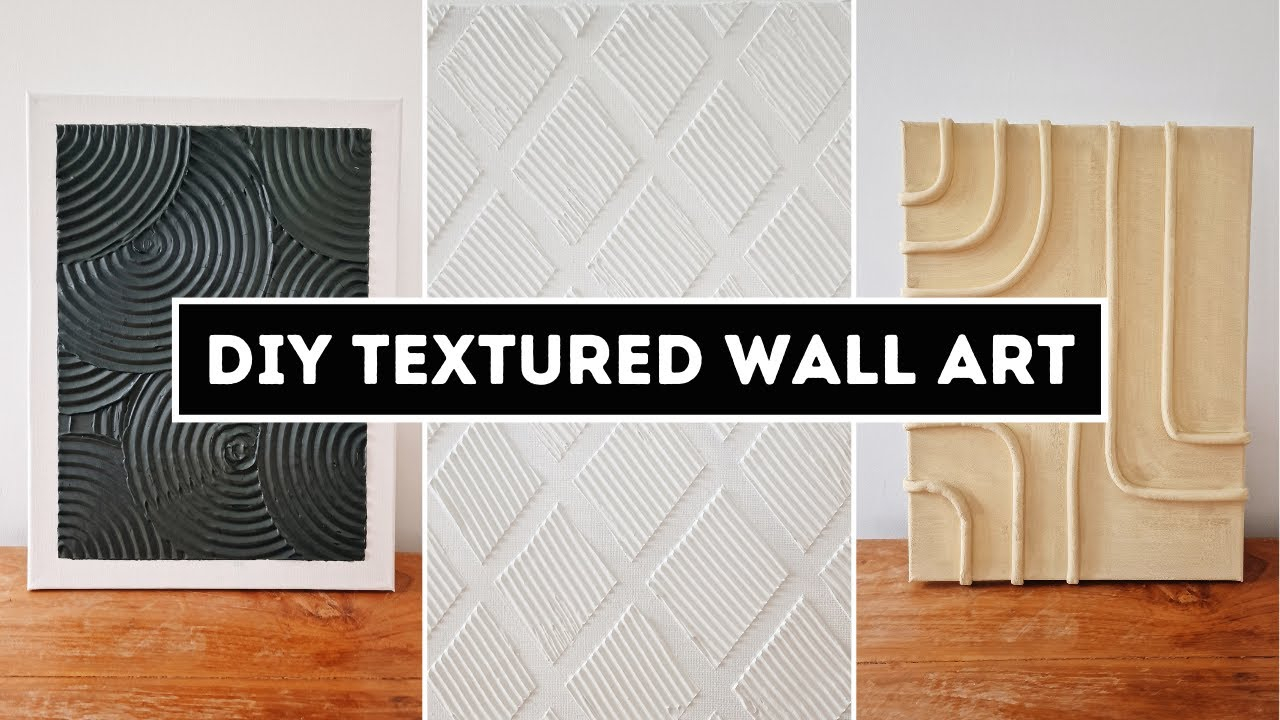
Have you ever walked into a room and just felt… calm? Not because it was empty, or stark, or minimalist in that cold, museum-like way. But because it felt like a hug. Like the walls themselves were breathing with you. That’s the magic happening right now in homes across the globe. We are seeing a massive shift away from the loud, busy patterns that dominated the last decade. In their place? Something quieter. Something you can feel.
It’s not just about looking good anymore. It’s about feeling good. This year, interior designers are turning to subtle plaster and wood textures with a fervor we haven’t seen since the mid-century modern boom. But this isn’t a retro revival. It’s something new. It’s a response to a world that feels increasingly digital and disconnected. We are craving touch. We are craving imperfection. And honestly? We are tired of perfection.
The Shift From Visual Noise to Sensory Depth
For years, our eyes have been overloaded. Think about it. Bold wallpapers, high-contrast geometric rugs, shiny metallics that glare under LED lights. It was all very "look at me." But in 2025 and moving into 2026, the mood has changed. People are exhausted by visual noise. They want spaces that don’t demand attention, but rather offer rest. This is why texture is becoming the new color.
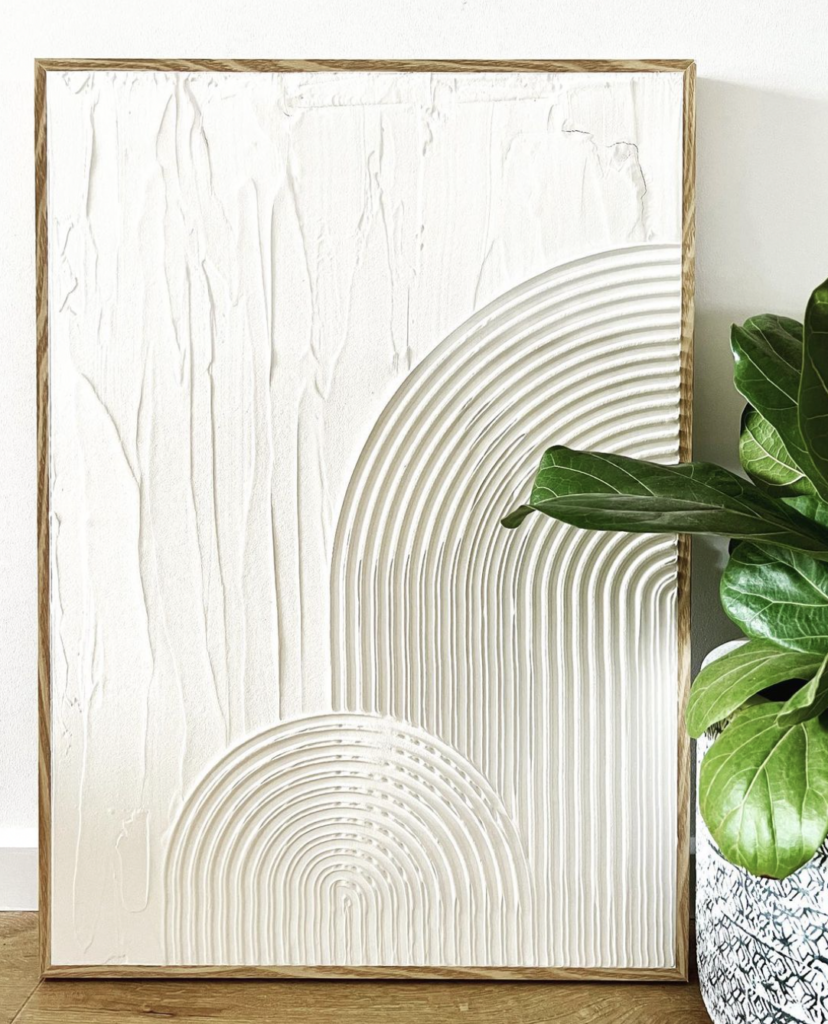
When you strip away the loud patterns, you have to find another way to keep a room interesting. That’s where texture steps in. A wall painted flat white is boring. But a wall finished with a soft, hand-troweled lime plaster? That’s a story. It catches the light differently as the sun moves across the sky. It has shadows and depth. It changes. It’s alive. Designers are realizing that a single texture can calm a room, but layered textures create a narrative.
This isn’t just a fleeting trend. It’s a fundamental change in how we experience our living spaces. We are moving from decorating for show to decorating for feeling. The focus is shifting from overt patterns to subtle textures, from visual chaos to sensory depth. It’s about quiet sophistication. Spaces that feel lived-in, tactile, and emotionally grounded. When you run your hand along a ribbed oak panel or a honed marble surface, you connect with the material. You remember that you are human, and you are here, in this physical world.
Why Plaster Is Having Its Moment (Again)
Let’s talk about plaster. Specifically, the subtle kinds. Venetian plaster, limewash, micro-cement. These aren’t the slap-dash textures of the 90s that everyone hated. Those were chaotic and often ugly. Today’s plasters are elegant. They are artisanal. They reflect a growing desire for craftsmanship and imperfection. In a world of mass-produced everything, a hand-finished wall feels rare. It feels special.
Plaster brings warmth that paint simply can’t match. Paint sits on top of the wall. Plaster becomes the wall. It has a depth and a translucency that mimics natural stone or aged parchment. Designers are using warm earth-toned plasters to create backsplashes, feature walls, and even ceilings. Yes, ceilings. Turning the ceiling into a statement canvas with a textured finish draws the eye up and makes a room feel more enveloping. It’s cozy.
And let’s be real, it’s forgiving. Life happens. Kids draw on walls. Furniture gets bumped. A smooth, glossy surface shows every scratch. A textured plaster finish? It hides those little mishaps. It ages gracefully. The more it wears, the more character it gains. This aligns perfectly with the sustainability mindset of 2026. We don’t want to repaint every two years. We want materials that last, that patina, that tell the story of the life lived within them. It’s wellness design, but for your walls.
Wood: Not Just a Floor, But a Feeling
Wood has always been a staple, but the way we are using it in 2026 is different. We aren’t just laying down wide-plank floors and calling it a day. We are cladding walls. We are wrapping columns. We are using ribbed oak and brushed walnut to create contrast. The key word here is "subtle." We aren’t talking about heavy, dark, ornate carvings. We are talking about clean lines, natural grains, and matte finishes.
Why wood? Because it’s warm. Literally and figuratively. Wood absorbs sound, which makes a room quieter. It smells good. It feels soft underfoot compared to stone or tile. When designers collide contrasting surfaces—like ribbed oak meeting honed marble—it creates tension and interest without needing color. It keeps neutral schemes engaging from every angle. You notice the grain. You notice the joinery. You notice the care.
There’s also a biophilic element here. We know that being around nature reduces stress. Wood is the most accessible piece of nature we can bring indoors. Using untreated or lightly oiled woods allows the material to breathe and change with the humidity of the home. It connects us to the seasons. In 2026, homeowners are choosing local species, supporting regional forestry, and avoiding exotic woods that travel thousands of miles. It’s about authenticity. It’s about knowing where your materials come from.
The Psychology of Touch in a Digital World
We spend so much of our lives touching glass screens. Smooth, cold, unyielding glass. Our phones, our laptops, our tablets. It’s a tactile void. So when we come home, we crave the opposite. We want roughness. We want grain. We want variation. This is why the rise of textural design is more than just aesthetics. It’s psychological. It’s a counterbalance to our digital existence.
Studies on wellness in the home have shown that tactile variety can lower cortisol levels. It sounds fancy, but it’s simple. When you touch something natural and irregular, your brain relaxes. It’s not processing a perfect, pixelated image. It’s experiencing reality. Designers are intentionally selecting materials that invite touch. A plush rug next to a smooth plaster wall. A cool brass handle on a warm wood cabinet. These small interactions add up.
This is what experts call "lived-in luxury." It’s not about gold faucets and crystal chandeliers. It’s about luxury you can feel, not just see. It’s the comfort of a space that supports your well-being. In 2026, the most luxurious homes aren’t the biggest or the shiniest. They are the ones that feel the best. They are the ones that ground you. Texture is the tool designers are using to achieve this. It’s subtle, but the impact is profound.
How to Layer Textures Without the Chaos
So, how do you actually do this? It’s easy to go overboard. You don’t want your home to feel like a bumpy ride. The secret is balance. Start with a base. Maybe your walls are a soft limewash. That’s your canvas. Then, add one major wood element. A ceiling beam? A feature wall in slatted cedar? Keep it simple. Let each texture have its own space to breathe.
Lighting plays a huge role here. Texture needs light to be seen. Flat, overhead lighting kills texture. It flattens everything out. Use wall washers, sconces, and floor lamps to graze the light across your textured surfaces. This creates shadows and highlights the depth of the plaster or the grain of the wood. In 2026, discreet technology is key. Hidden LED strips that wash a plaster wall with warm light can transform a room at night. It’s dramatic but understated.
Don’t forget the soft furnishings. Texture isn’t just hard surfaces. Linen curtains, wool throws, leather cushions. These add another layer of sensory input. Mix them. A chunky knit throw on a smooth leather chair. A silk pillow on a nubby wool sofa. It’s about contrast. But keep the color palette restrained. If you have lots of texture, keep the colors neutral or monochromatic. Let the materials be the stars. If you introduce too many colors and too many textures, it becomes chaotic again. Stick to the rule: one or two dominant textures per room.
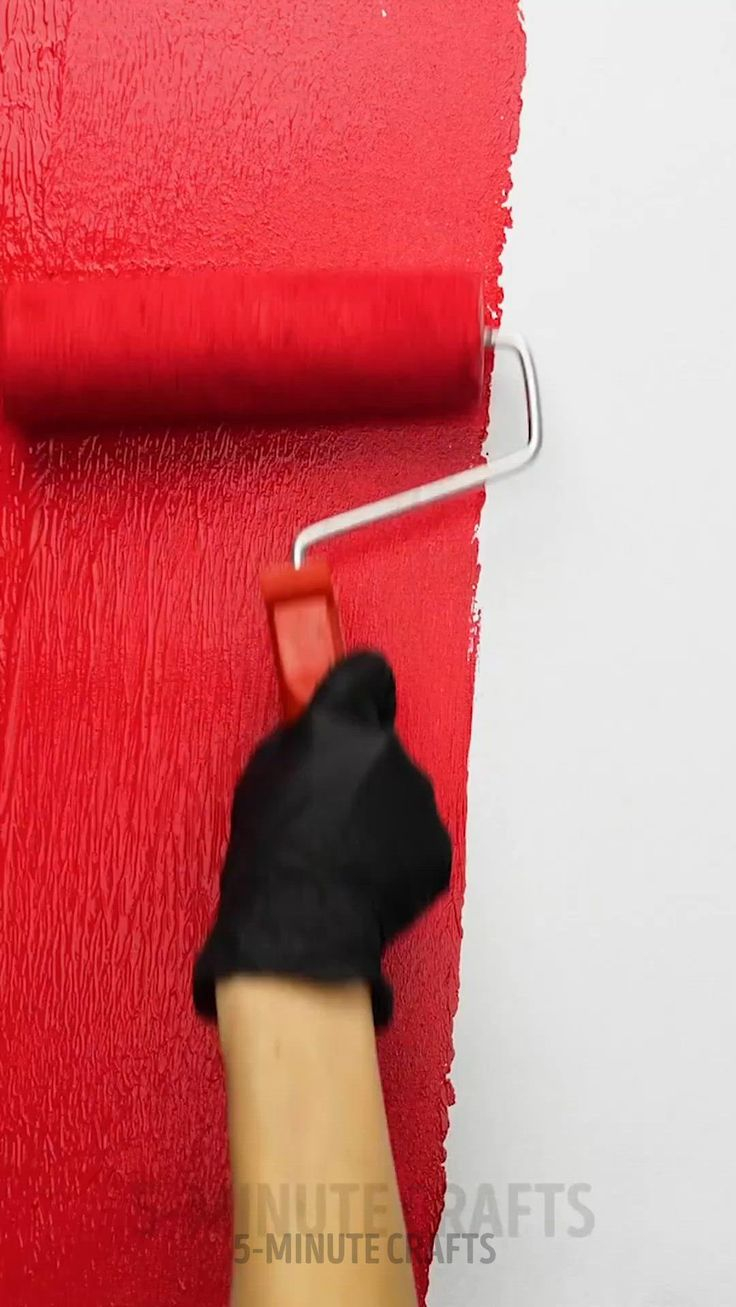
You don’t need to renovate your entire house to jump on this trend. Start small. Pick one wall. Maybe the one behind your bed or your sofa. Apply a limewash paint. It’s DIY-friendly and relatively inexpensive. You can find kits online or at local hardware stores. It gives you that plaster look without the cost of a professional artisan. It’s a low-risk way to test the waters.
Next, look at your wood elements. Do you have flat, painted trim? Consider staining it to show the grain. Or, add a wood accent piece. A floating shelf in rough-sawn timber. A headboard made of reclaimed wood. These small additions break up the smoothness of drywall and paint. They add that crucial tactile element. Remember, imperfection is good. Don’t sand it too smooth. Let the knots and cracks show.
Finally, declutter visually. Texture works best in spaces that aren’t cluttered with knick-knacks. Let the walls speak. Remove some of the busy art and let the texture of the wall be the artwork. This simplifies your decor and enhances the calming effect. It’s about editing. Subtracting the noise so the signal—the texture—can come through. It’s a mindful approach to design. It asks you to consider how each item in your home makes you feel, not just how it looks.
As we move further into 2026, this shift toward subtle plaster and wood textures shows no sign of slowing down. It’s a reaction to the times. A desire for comfort, for authenticity, for connection. We are done with the superficial. We want depth. We want warmth. We want homes that hold us. By embracing these natural, tactile materials, we aren’t just following a trend. We are creating sanctuaries. Spaces that nurture us. And isn’t that what a home should be?