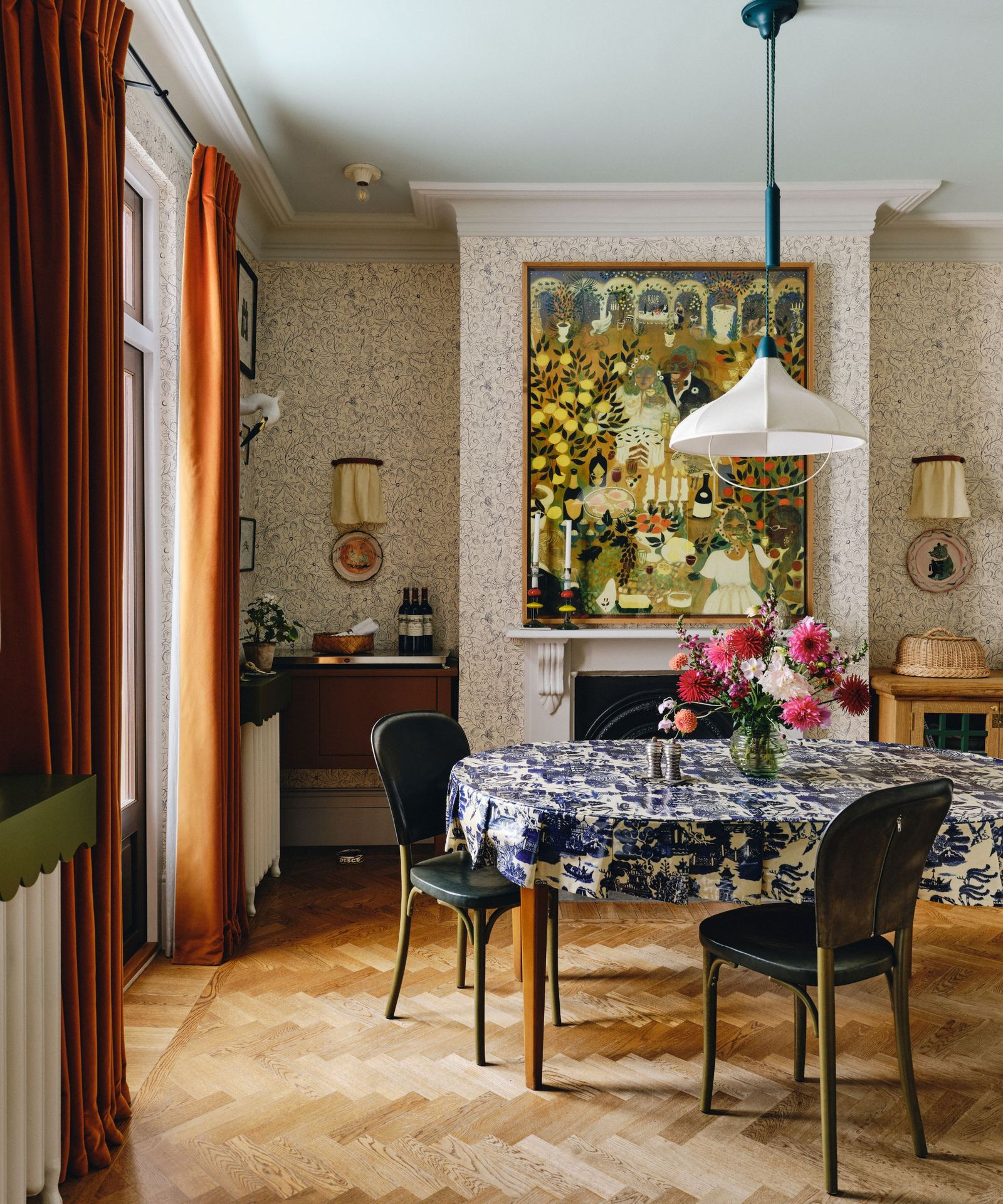
Have you ever walked into a friend’s house and felt an instant sense of relief? Not because it looked like a sterile showroom, but because it felt real. There were books stacked haphazardly on the coffee table, a collection of mismatched mugs on the shelf, and photos tucked into mirror frames. It wasn’t messy in a bad way. It was warm. It had soul. In 2026, we are finally moving past the era of stark minimalism that dominated the early 2020s. People are tired of living in spaces that feel like they’re holding their breath. We want homes that exhale.
But here is the tricky part. There is a fine line between "cozy and curated" and "just plain messy." One feels like a hug; the other feels like a headache. The secret isn’t about having less stuff or more stuff. It’s about intention. It’s about knowing why that chipped vase is on your desk and why those three throw pillows are on the couch. This concept, often called "intentional clutter" or "cluttercore," is taking over interior design conversations. It’s not about hoarding. It’s about honoring the objects that make up your life story.
So, how do you get there? How do you keep the warmth without losing your mind? It starts with a shift in perspective. You have to stop seeing clutter as the enemy and start seeing it as potential energy. Every item in your home is waiting for a job. Some items are there to be useful. Others are there to be beautiful. And some are just there to remind you that you are human. Let’s dive into how you can create a space that feels both chaotic and calm, all at the same time.
The Psychology Behind the Mess
Why does a tidy room sometimes feel cold, while a cluttered one feels safe? Science has some answers. Research shows that physical clutter can lead to mental clutter, overwhelming our senses and increasing anxiety. But that’s only half the story. The right kind of clutter does the opposite. It grounds us. When we surround ourselves with objects that have meaning—things from our travels, hobbies, or family history—we create a sensory buffer against the stress of the outside world. It’s about cognitive ease. Your brain recognizes these items as "safe" and "familiar," which lowers cortisol levels.
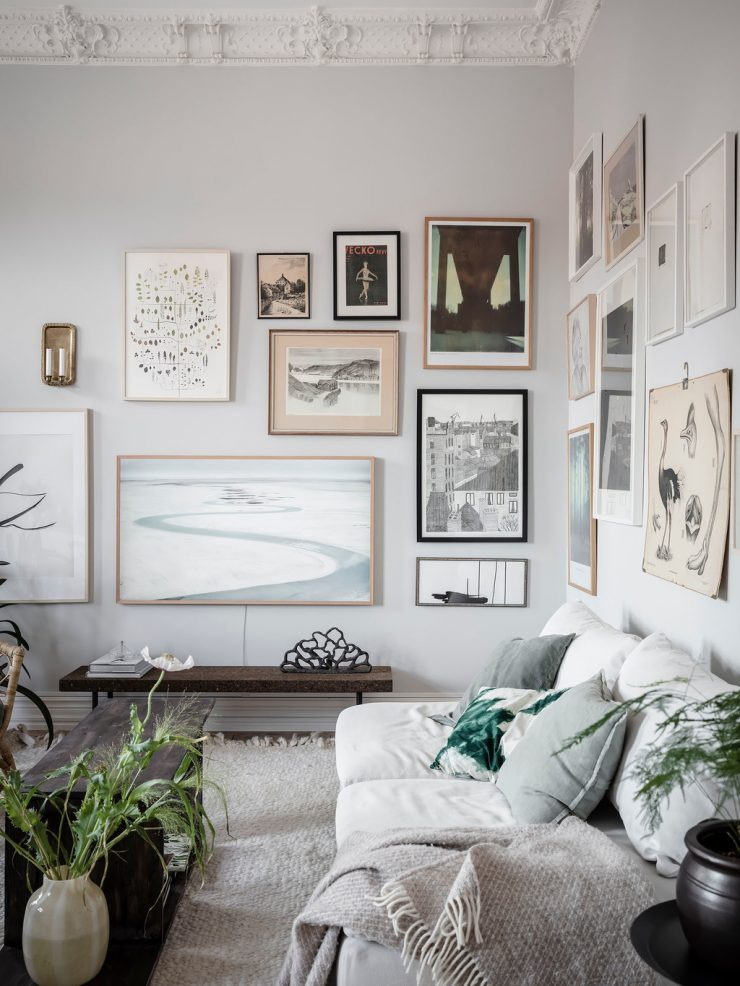
Think about it. When you look at a blank white wall, your brain has nothing to latch onto. It’s static. But when you look at a gallery wall of imperfect frames, your eye dances around. It engages. This engagement is crucial for feeling "at home." In 2026, mental health principles are being applied to home organization more than ever before. We aren’t just organizing for aesthetics; we are organizing for serenity. A space that reflects your personality acts as a sanctuary. It tells your subconscious that you are allowed to take up space. You are allowed to have interests. You are allowed to be complex.
However, this only works if the clutter is intentional. Random piles of mail or laundry don’t provide this comfort. They signal unfinished tasks, which spike stress. The key is distinguishing between "active clutter" (things you need to deal with) and "display clutter" (things that bring joy). Active clutter drains you. Display clutter fuels you. By making this distinction, you transform your home from a source of guilt into a source of strength. It’s a subtle shift, but it changes everything. You stop fighting your stuff and start working with it.
Curating Your Story, Not Just Your Stuff
The biggest mistake people make when trying to achieve this look is buying new things to fill space. Don’t do that. The heart of intentional clutter is memory. Look around your house right now. What items have a story? Maybe it’s a rock you picked up on a hike in 2019. Maybe it’s a cookbook stained with sauce from a dinner party that went wrong but felt right. These are the gems. HouseBeautiful noted recently that the key to cluttercore is surrounding yourself with objects that remind you of great memories. These items act as anchors.
Start by gathering these storytelling pieces. Put them in a pile. Now, look at them critically. Do they still spark that memory? If yes, keep them. If no, let them go. This process is less about decluttering and more about editing your life’s narrative. You are the curator of your own museum. A museum doesn’t display every artifact it owns. It displays the best ones, arranged in a way that tells a coherent story. Your home should do the same. Group items by theme or color, but keep it loose. A strict grid feels corporate. A loose cluster feels organic.
For example, instead of hiding your collection of vintage cameras in a box, put them on a open shelf alongside your current digital camera. Show the evolution of your hobby. Or, stack your favorite novels next to a plant that’s barely surviving. The contrast creates interest. It shows life. In 2026, perfection is out. Character is in. When you curate based on story, you automatically avoid the trap of generic decor. Your home becomes unmistakably yours. No one else could live in it quite the same way. That uniqueness is what creates the cozy factor. It’s intimate. It invites conversation. It says, "This is who I am," without saying a word.
The Power of Negative Space
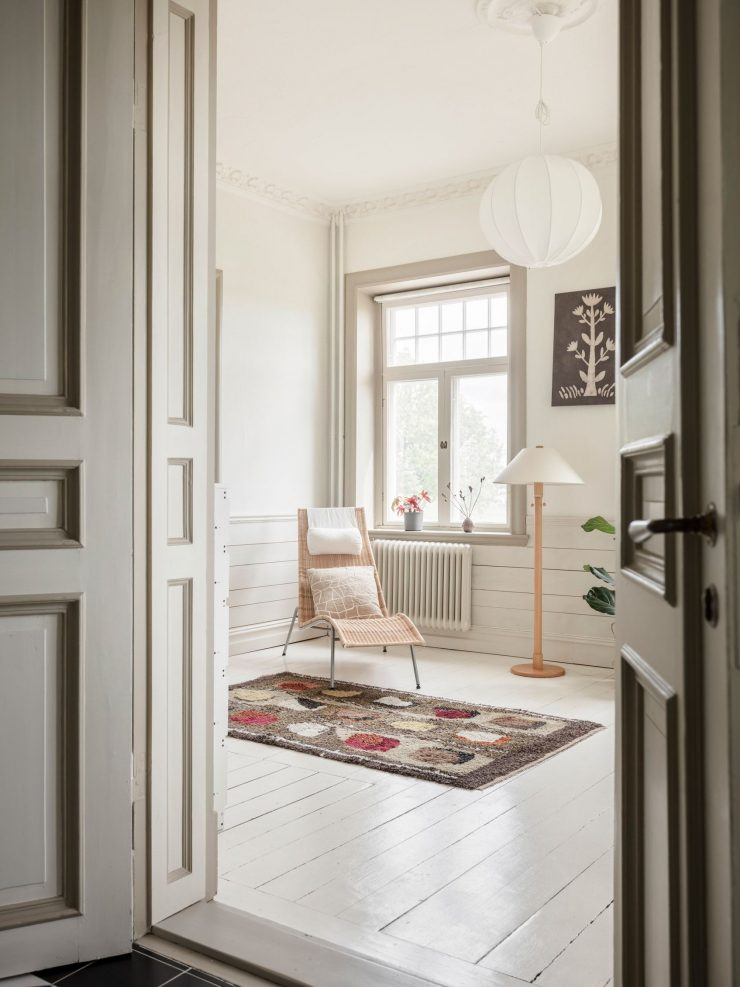
Here is the paradox: to make clutter feel calm, you need empty space. Lots of it. If every surface is covered, the eye has nowhere to rest. It becomes visual noise. Think of negative space as the silence between musical notes. Without the silence, the music is just noise. In your home, empty walls, clear corners, and open tabletop areas allow your curated items to breathe. They give each object importance. This is where many people fail. They think "more is more," so they fill every inch. But "more" only works if there is "less" to balance it.
Identify your "breathing zones." These are areas where you deliberately keep surfaces clear. Your nightstand might be a breathing zone, keeping only a lamp and a book. Your kitchen counter might be another, kept clear except for a fruit bowl. By protecting these spaces, you create a rhythm in your home. Eye moves from busy to calm, busy to calm. This rhythm is soothing. It prevents the feeling of being trapped by stuff. NeatNathalie emphasizes that clearing clutter creates room for true comfort. It’s not about removing personality; it’s about framing it.
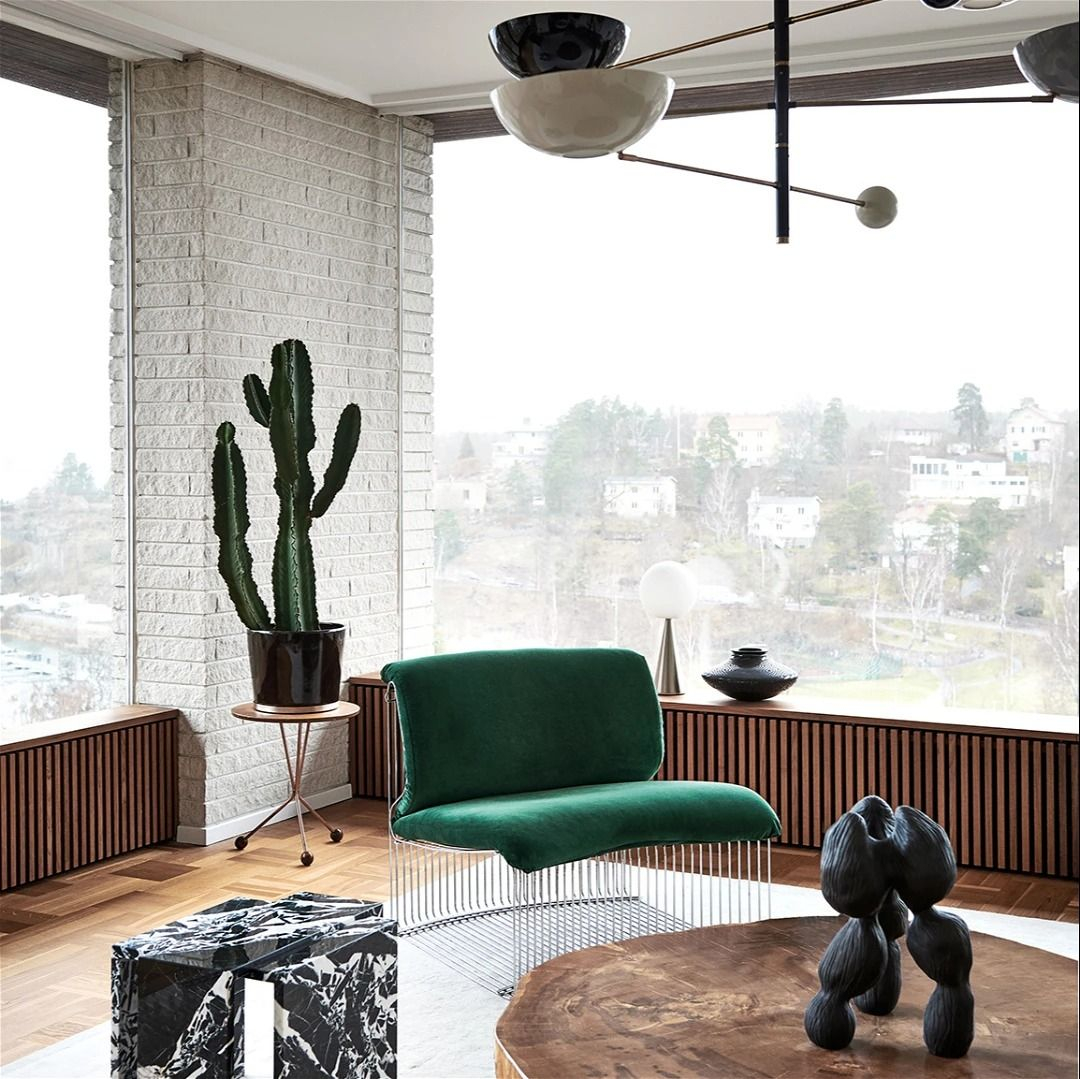
Practically, this means you have to be ruthless about what goes on display. If you have a beautiful collection of ceramics, don’t put them on a shelf that’s already packed with books and photos. Give them their own stage. Light them well. Let them stand alone. This elevation turns "clutter" into "art." It signals to your brain that these items are valued, not just accumulated. In 2026, design trends are favoring asymmetry and balance over symmetry and uniformity. Use this to your advantage. A single large piece on a wide shelf looks more intentional than ten small pieces crammed together. Less really is more, but only if the "less" is powerful.
Texture and Layers: The Sensory Experience
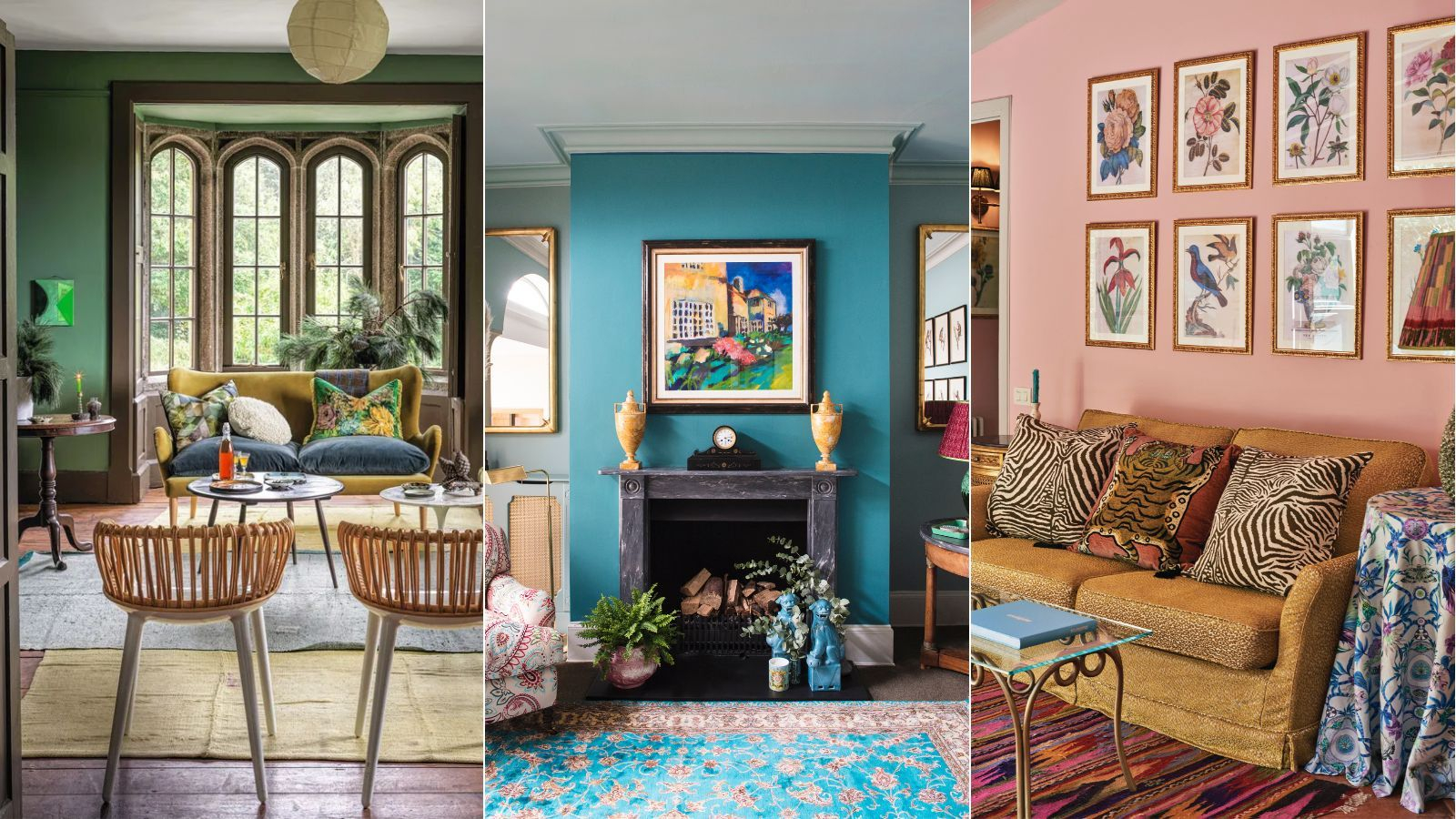
Cozy isn’t just visual. It’s tactile. Intentional clutter relies heavily on texture to soften the edges of a room. Hard surfaces reflect sound and light, creating a cold atmosphere. Soft surfaces absorb them, creating warmth. This is why throws, rugs, and cushions are essential tools in this aesthetic. But don’t just throw them anywhere. Layer them with purpose. Mix materials. Combine a chunky knit blanket with a smooth silk pillow. Pair a rough jute rug with a plush velvet ottoman. These contrasts create depth. They invite you to touch, to sit, to stay.
Lighting plays a huge role here too. Harsh overhead lights kill coziness. They expose every flaw and make clutter look like mess. Instead, use multiple low-level light sources. Table lamps, floor lamps, string lights. Warm bulbs (2700K or lower) cast a golden glow that softens shadows and blends objects together. This lighting trick makes disparate items feel like a cohesive group. It hides the "chaos" and highlights the "charm." In the colder months, this becomes even more critical. As noted in recent design blogs, creating warm corners is essential for winter comfort. Light and texture work together to build these nests.
Consider the vertical space as well. Walls shouldn’t just be flat paint. Add woven baskets, hanging plants, or textile art. These elements break up the monotony and add softness to hard architectural lines. When you layer textures vertically and horizontally, you create a cocoon effect. It feels protective. This is particularly important in small spaces. A small room filled with hard, flat surfaces feels cramped. A small room filled with varied textures feels rich and expansive. It draws the eye around the room, exploring the details rather than focusing on the limited square footage. It’s a simple hack with a massive impact on how calm a space feels.
Functional Zones for Mental Clarity
Clutter feels stressful when it interferes with function. If you can’t find your keys, or if you can’t work because your desk is buried under papers, the coziness vanishes. Intentional clutter requires functional zones. Each area of your home should have a primary purpose, and the items in that zone should support that purpose. Your reading nook should have books and a lamp, not laundry. Your dining table should be for eating, not for sorting mail. By defining these zones, you contain the clutter. It doesn’t spread like a virus. It stays in its lane.
Use containers to manage the "active" clutter. Baskets, boxes, and trays are your best friends. They corral the small, annoying items that tend to scatter. A tray on the coffee table holds remotes and coasters. A basket by the door holds scarves and gloves. This keeps surfaces looking curated rather than chaotic. The Container Store and similar experts have long preached this, but in 2026, the focus is on using beautiful containers that add to the decor, not hide it. A wicker basket is part of the aesthetic. A plastic bin is not. Choose materials that fit your style.
This zoning also helps with mental clarity. When you enter a specific zone, your brain knows what to expect. The bedroom is for rest. The office is for work. This separation reduces cognitive load. You don’t have to constantly filter out distractions because the distractions are contained. ShareToInspireBlog highlights that decluttering with purpose leads to a lifestyle of intention. This means maintaining these zones daily. It takes five minutes to reset a room. Put the books back on the shelf. Fold the throw. Clear the tray. These small acts maintain the balance between lived-in and messy. They preserve the calm.
Creating cozy clutter is not a one-time project. It’s an ongoing practice. Life changes. Your interests change. Your home should reflect that. Regularly audit your spaces. Ask yourself: Does this still bring me joy? Does it still serve a purpose? If the answer is no, let it go. CottageOnBunkerHill suggests that every item you release creates space for what truly matters. This doesn’t mean you have to be a minimalist. It means you have to be selective. Be willing to rotate items in and out of storage. Keep the fresh eyes of a guest by swapping out decor seasonally.
Also, be kind to yourself. Some days, life is messy. Laundry piles up. Dishes stack. That’s okay. Intentional clutter is about the baseline, not the momentary state. As long as your foundational layers are thoughtful, the temporary mess won’t ruin the vibe. In fact, a little bit of real-life mess adds to the authenticity. A perfectly styled home feels fake. A home with a half-read book on the armchair feels real. Embrace the imperfection. It’s part of the charm. The goal is not to be perfect. The goal is to be comfortable.
Finally, remember that this is your home. Trends come and go. In 2026, intentional clutter is popular, but the principle is timeless. Surround yourself with what you love. Edit ruthlessly. Leave space for breath. Add texture for warmth. Define your zones. And keep adjusting. Your home is a living organism. It grows with you. Treat it with care, and it will care for you. It will be the place where you can finally exhale. And isn’t that what home is supposed to be? A place where you can just be. No performance. No perfection. Just you, your stuff, and a whole lot of calm.