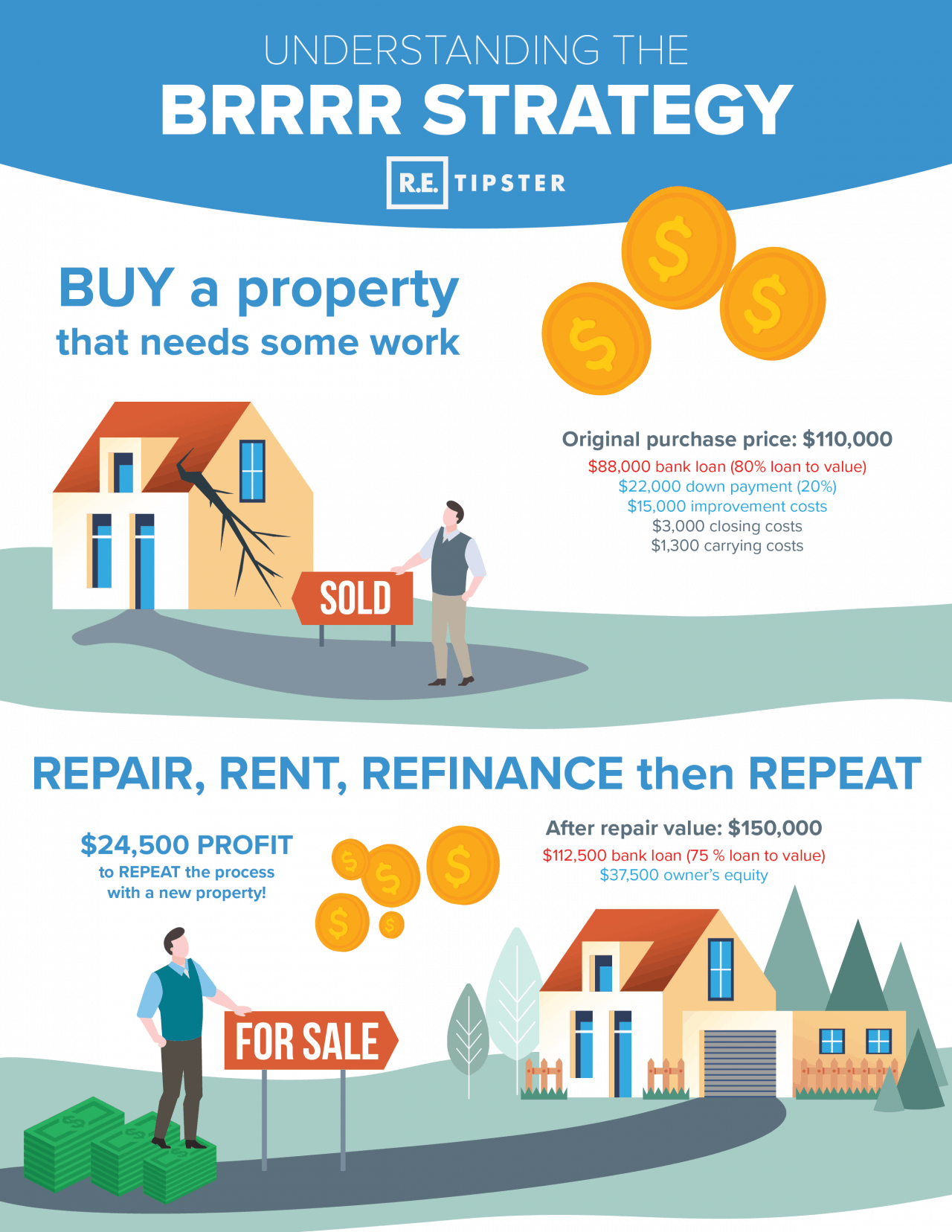
You’ve probably heard the whispers. Maybe you saw a post on social media claiming that real estate investing is dead because interest rates are too high. Or perhaps a friend told you that banks just aren’t lending like they used to. It’s easy to get discouraged. But if you look past the noise, something interesting is happening. The old playbook isn’t dead; it just got an upgrade.
The BRRRR method—Buy, Rehab, Rent, Refinance, Repeat—isn’t just surviving in 2026. It’s thriving. But not for the lazy investor. The days of buying any shack, slapping on some paint, and refinancing for a huge profit are over. Today, it’s about precision. It’s about math. And honestly? It’s more rewarding than ever for those willing to do the work.
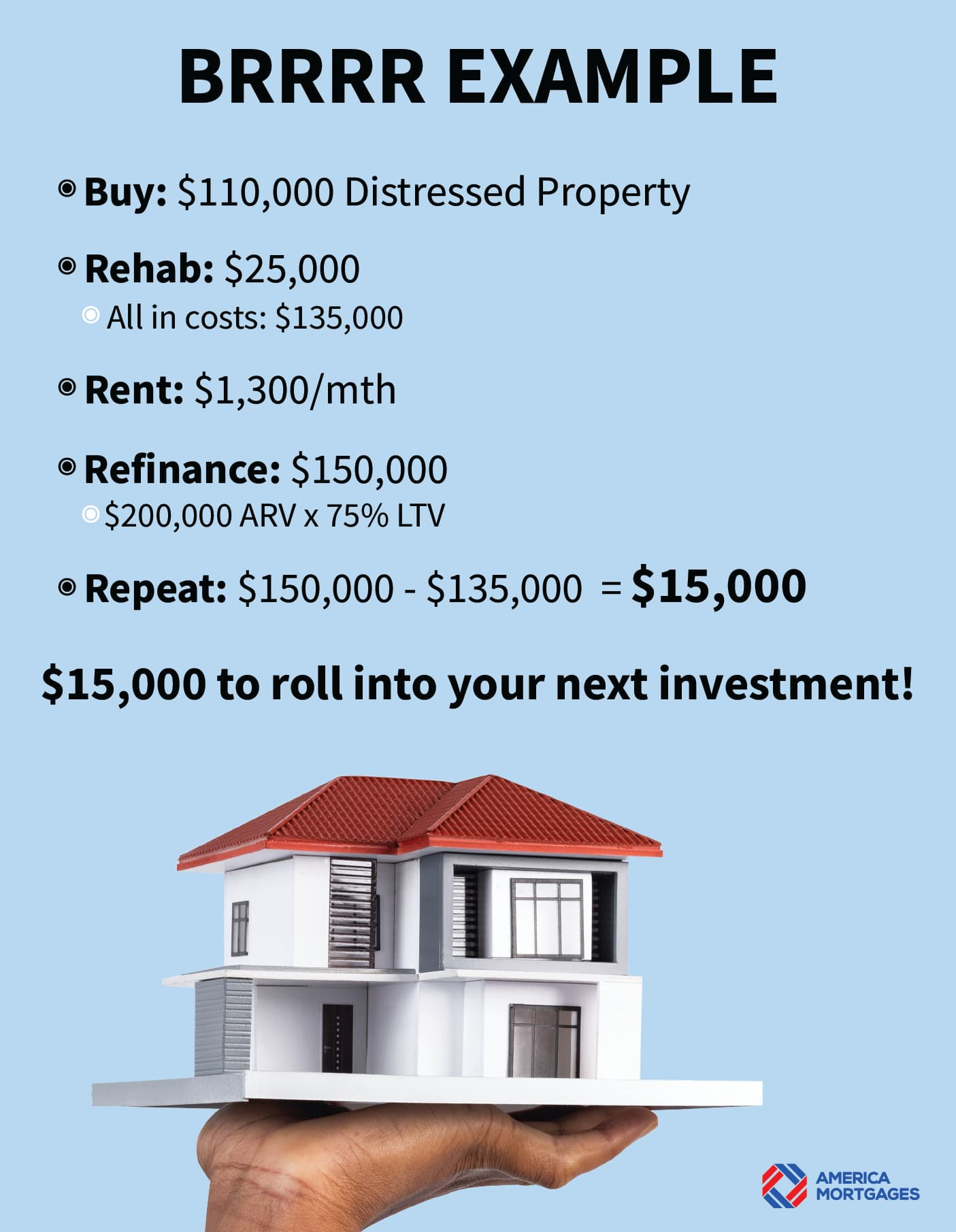
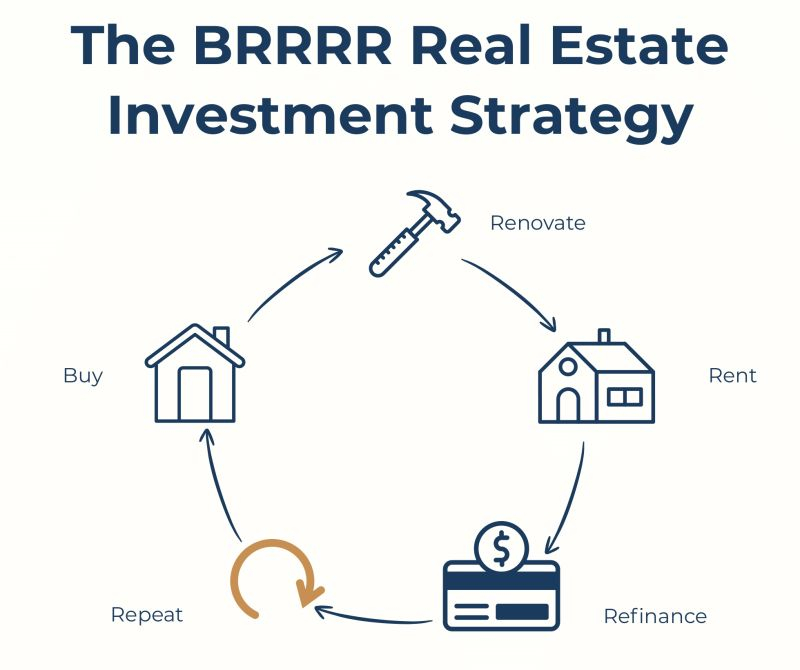
Let’s be real for a second. Building a portfolio from scratch requires capital. Lots of it. If you have to come up with a fresh down payment for every single house, you’ll hit a ceiling fast. That’s where BRRRR changes the game. It allows you to recycle your money. You buy a place, fix it up, rent it out, and then pull your cash back out through a refinance. That cash goes into the next deal. And the next. It’s a cycle that builds momentum.
The New Reality of Buying Right
In 2026, you can’t just guess on the purchase price. You have to be smarter. The margin for error has shrunk. With inventory remaining low in many secondary markets, competition for good deals is still fierce. But here’s the thing: most buyers are scared off by the headlines. They see high rates and freeze. That leaves opportunities for those who understand the numbers.
Successful investors are focusing heavily on accurate rehab estimates. This is crucial. If you underestimate the cost of a new roof or HVAC system, your entire deal falls apart. You need to know exactly what it costs to bring a property up to standard before you even make an offer. Tools and data are better now than they were five years ago. Use them. Don’t rely on gut feelings.
Also, look for distressed properties that actually fit the model. Not every fixer-upper is a BRRRR candidate. You need homes in areas where rental demand is peaking. Remember, first-time homebuyers are at a historic low of 21%, according to recent National Association of Realtors data. That means millions of people are renting for longer periods. They want quality homes. If you can provide that, you’re golden.
Navigating the Refinance Maze
The "Refinance" step is where many people get stuck. In the past, you could walk into any bank and get a loan based on your personal income. Today, it’s different. Lenders are tighter. They want to see that the property pays for itself. This is where DSCR (Debt Service Coverage Ratio) loans have become a lifeline for investors.
DSCR loans look at the rental income of the property, not your personal W-2. If the rent covers the mortgage and expenses with some leftover, you qualify. It’s a game-changer for scaling because it doesn’t matter how many properties you already own. As long as the numbers work on the specific house, you can get funded. This removes the bottleneck of personal debt-to-income ratios.
However, you need to be aware of seasoning requirements. Some lenders want to see that you’ve owned the property for six months or a year before they’ll refinance. Others might let you refinance immediately based on the after-repair value (ARV). Know your lender’s rules before you buy. Don’t assume. Ask questions. Get it in writing. This planning prevents nasty surprises when you’re trying to pull your cash out.
The Power of Secondary Markets
Where are the best deals in 2026? It’s not necessarily in the big coastal cities. The highest ROI for the BRRRR strategy is currently found in secondary markets. These are places with growing populations, strong job markets, but lower entry prices. Think cities in the Southeast, parts of the Midwest, and emerging hubs in the Southwest.
Inventory in these areas remains low, which keeps property values stable or rising. At the same time, demand for high-quality rentals is surging. People are moving to these areas for affordability and lifestyle changes. They need places to live. By focusing on these markets, you reduce your risk. You aren’t betting on a hyper-expensive market to keep climbing. You’re betting on steady, consistent demand.
Data is your friend here. Use tools to analyze rental yields and vacancy rates in specific neighborhoods. Don’t just pick a city; pick a zip code. Look for areas with low crime, good schools, and access to amenities. These factors attract long-term tenants who pay on time and take care of your property. It’s about building a sustainable business, not just flipping a house.
Mastering the Rehab Process
Rehabbing is an art and a science. In 2026, accuracy is everything. Over-improving a property is a common mistake. You don’t need marble countertops in a neighborhood where rents are modest. You need durable, attractive finishes that appeal to the average renter. Keep it simple. Keep it clean.
Contractor relationships are key. Finding reliable workers is hard, but keeping them is harder. Treat them well. Pay them on time. Communicate clearly. If you have a go-to team, you can move faster. Speed matters in BRRRR because every day the property sits empty or under construction, it’s costing you money. Holding costs eat into your profits.
Also, consider the energy efficiency of your rehabs. Tenants are more conscious of utility bills now. Installing efficient windows, insulation, or appliances can make your property more attractive. It might cost a bit more upfront, but it can justify higher rents and reduce turnover. Happy tenants stay longer. That stability helps when you go to refinance, as lenders love to see consistent rental history.
Scaling with Confidence
Once you’ve completed one BRRRR deal, the real fun begins. Scaling. This is where the strategy shines. You’ve pulled your initial capital back out (hopefully all of it, plus some extra). Now you have that same money to use again. You haven’t spent it; you’ve just moved it. This is the power of leverage.
But scaling requires organization. You can’t manage ten properties with the same loose systems you used for one. You need better software for tracking expenses. You might need a property manager if you’re expanding into new geographic areas. Don’t try to do everything yourself forever. Your time is valuable. Focus on finding deals and managing the big picture.
Financing partners become critical as you grow. Build relationships with multiple lenders. Don’t rely on just one bank. Having options gives you leverage. If one lender tightens their standards, you have another ready to go. Keep your credit strong. Keep your financial records clean. The easier you make it for lenders to say yes, the faster you can scale.
It’s not all smooth sailing. There are traps. One big mistake is ignoring the "Repeat" part. Some investors do one deal and stop. They get comfortable. But the magic of BRRRR is in the repetition. Another pitfall is bad math. If you don’t leave enough cushion for unexpected repairs or vacancies, you’ll run out of cash. Always stress-test your deals. What if rent is 10% lower? What if repairs cost 20% more?
Also, don’t ignore the local laws. Regulations around rentals are changing in many cities. Some places have strict rules about inspections or rent increases. Know the laws in your market. Ignorance is not an excuse. Stay compliant. It protects your investment and your peace of mind.
Finally, avoid emotional attachment. These are business assets, not your dream homes. Make decisions based on numbers, not feelings. If a deal doesn’t pencil out, walk away. There will always be another deal. Patience is a virtue in this game. Rushing leads to mistakes. And mistakes are expensive.
So, does the BRRRR method still work in 2026? Absolutely. But it demands respect. It requires diligence, accurate data, and smart financing. The landscape has shifted, but the opportunity is still there for those who adapt. By focusing on secondary markets, leveraging DSCR loans, and mastering the rehab process, you can build a portfolio that lasts.
Don’t let the fear of higher rates paralyze you. Instead, let it sharpen your focus. Look for the deals others miss. Do the math twice. Build your team. And keep moving forward. The path to financial independence through real estate is still open. You just have to be willing to walk it with your eyes wide open.
Start small if you need to. Learn the ropes. Then scale. The cycle waits for no one, but it rewards those who play the long game. Here’s to your next deal.