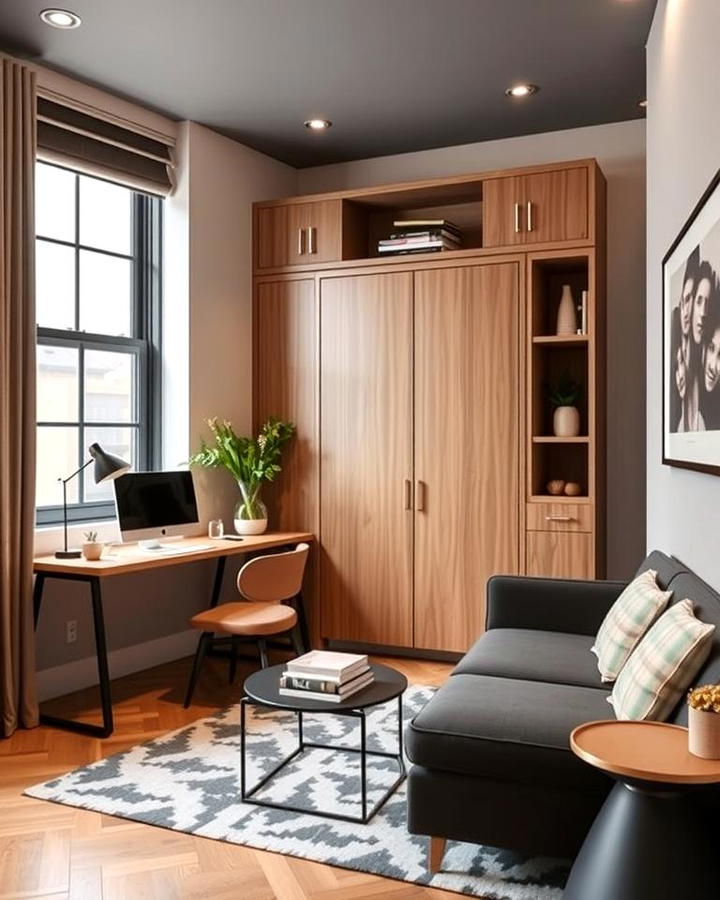
There is a specific kind of magic that happens when you hold a perfectly wrapped present. It’s not just about the paper. It’s about the anticipation. The weight of it in your hands. The crisp sound of the ribbon being pulled tight. But let’s be honest for a second. For most of us, the actual act of wrapping is… well, it’s stressful. We are kneeling on the floor, surrounded by tangled tape, fighting with scissors that don’t quite cut, and trying to keep the cat from sitting on the half-folded box. It feels less like magic and more like a wrestling match with cardboard.
Why do we accept this chaos? Why do we relegate one of the most thoughtful acts of giving to a cramped corner of the kitchen table or a messy desk? In 2026, as we continue to value our home spaces more than ever, the idea of a dedicated "wrapping zone" has shifted from a luxury to a necessity for anyone who loves to give. It isn’t about spending a fortune. It is about creating a space that respects the gesture. A place where you can breathe, think, and create something beautiful without the friction of disorganization.
Imagine walking into a room—or even just a well-defined nook—where everything has its place. The light is soft but bright enough to see what you are doing. The surfaces are clear. The tools are within arm’s reach. This isn’t just about aesthetics. It is about function meeting feeling. When your environment is calm, your mind is calm. And when your mind is calm, the love you put into that gift shines through a lot clearer. Let’s explore how you can build this sanctuary, piece by piece.
Lighting That Sees the Details
Lighting is often the first thing we overlook, yet it is the single most important factor in whether your wrapping looks professional or sloppy. You cannot fix a crooked fold if you cannot see it. In 2026, the trend in home office and craft lighting has moved away from harsh, overhead fluorescents toward layered, adjustable illumination. You need light that mimics natural daylight. Why? Because artificial yellow tones can distort the true color of your paper and ribbons, leading to clashing combinations you didn’t intend.
Start with a primary source. A large window is ideal, but if you are working at night or in a basement, you need a strong overhead fixture with a high Color Rendering Index (CRI). Look for bulbs rated 90 CRI or higher. This ensures that the emerald green paper actually looks emerald, not muddy. But overhead light casts shadows. That is where task lighting comes in. An adjustable architect lamp or a sleek LED bar mounted under a shelf can provide direct, shadow-free light exactly where your hands are working.
Don’t forget the mood. While you need brightness for precision, you also want the space to feel inviting. Consider adding a small, warm-toned accent light in the corner. Maybe a small table lamp with a fabric shade. This creates a cozy atmosphere that makes you want to linger. It turns the chore into a ritual. When the lighting is right, you stop squinting. You start noticing the texture of the paper. You see the sheen on the ribbon. It changes the entire experience from frantic to focused.
Surface Area and Ergonomics
Let’s talk about the back pain. Seriously. How many hours have you lost hunched over a coffee table that is too low? Or balancing a box on your lap while trying to tape it? A functional wrapping area demands a proper surface. In 2026, ergonomic design principles have trickled down from corporate offices into our creative spaces. You need a table that is at waist height. This allows you to use your body weight to hold the paper in place rather than straining your wrists and shoulders.
If you don’t have space for a permanent desk, look for modular solutions. A sturdy folding table with a smooth, hard surface works wonders. But here is the key: it needs to be big. Really big. You should be able to lay out a large sheet of wrapping paper flat without any part of it hanging off the edge. If the paper hangs, it tears. If it tears, you get frustrated. Measure your largest typical gift box and double those dimensions. That is your minimum table size.
Comfort extends beyond the table. Think about your feet. A anti-fatigue mat can make a huge difference if you are standing for long periods. If you prefer sitting, invest in a chair with good lumbar support. This might seem excessive for wrapping gifts, but remember, you are creating a space for creativity. If your body is uncomfortable, your mind will rush to finish the task. If your body is supported, you can take your time. You can enjoy the process. Add a small side table nearby for your coffee or tea. Hydration matters, even when you are just folding paper.
Smart Storage for Visual Calm
Clutter is the enemy of luxury. Nothing kills the vibe faster than digging through a bin of tangled ribbons to find the one you want. The goal of your storage system is visual calm. You should be able to see what you have, access it easily, and put it back without effort. In recent years, vertical storage has become the gold standard for small spaces. Use wall-mounted shelves or pegboards to keep rolls of paper off the floor and off the main work surface.
For wrapping paper, consider a dedicated rack. There are beautiful wooden racks available now that hold multiple rolls horizontally. This prevents the paper from getting crushed or unrolled accidentally. Label the ends of the rolls if you have similar patterns. It saves so much time. For ribbons, spools should be stored on dowels or in clear acrylic bins. If you use loose ribbon scraps, keep them in a glass jar or a woven basket. Seeing the colors pop against each other can inspire new combinations.
Small items like tape dispensers, scissors, tags, and pens need their own homes. Drawer organizers are fantastic for this. Use dividers to separate different types of tape (double-sided, clear, decorative). Keep your best scissors in a designated spot. Never throw them in a drawer with other tools; they will get dull. In 2026, sustainable materials are huge. Look for storage boxes made from bamboo, recycled cardboard, or felt. They add texture and warmth to the space, reinforcing the luxurious feel. Everything should have a "home." When everything has a home, cleanup takes two minutes instead of twenty.
The Toolkit: Quality Over Quantity
You do not need a hundred tools. You need five good ones. This is a principle that applies to cooking, gardening, and definitely gift wrapping. Cheap tools fight you. Good tools glide. Start with scissors. Invest in a pair of high-quality fabric shears or dedicated paper scissors. They should be sharp enough to cut through thick cardstock without jagged edges. Keep them sharp. Dull scissors tear paper and fray ribbon. It is a small detail that makes a massive difference in the final look.
Tape is another area where people skimp. Don’t. Get a weighted tape dispenser. The weight holds the roll in place and allows you to pull tape with one hand. It is a game-changer for efficiency. Use acid-free, archival-quality tape if you are wrapping heirlooms or items that might be stored for a long time. For invisible seams, double-sided tape is essential. Keep a refillable dispenser for this too. Nothing ruins a clean wrap like a visible strip of glossy tape.
Other essentials include a bone folder. This is a simple, flat tool used to crease paper sharply. It gives your wraps that crisp, professional edge that looks so satisfying. A good ruler or measuring gauge helps ensure your folds are straight. And don’t forget embellishments. Keep a selection of high-quality tags, wax seals, or dried flowers. In 2026, natural elements are very popular. A sprig of eucalyptus or a cinnamon stick tied with twine can elevate a simple brown paper wrap to something stunning. Keep these items accessible but protected from dust.
Atmosphere and Sensory Experience
Luxury is not just about what you see. It is about what you feel, hear, and smell. Your wrapping area should engage all the senses. Think about the sounds. Is the room quiet? Can you hear the scratch of the scissors? Some people love silence. Others prefer background music. Set up a small speaker with a playlist of instrumental jazz or lo-fi beats. Music sets a pace. It slows you down. It makes the time pass pleasantly.
Scent is powerful. The smell of fresh paper, pine, or vanilla can trigger memories and emotions. Use a subtle diffuser with a calming scent like lavender or cedarwood. Avoid overpowering fragrances that might cling to the gifts themselves. You want the scent to enhance the atmosphere, not mask it. In winter, the smell of cinnamon or clove adds a festive touch. In spring, try citrus or floral notes. Change the scent with the seasons to keep the space feeling fresh.
Texture plays a role too. Surround yourself with materials that feel good to touch. A wool rug underfoot. A velvet cushion on the chair. Smooth wooden tools. These tactile experiences ground you in the moment. They remind you that this is a special activity. It is not just a task to check off a list. It is a moment of care. When you engage your senses, you stay present. And when you are present, the love you put into the gift becomes tangible. The recipient might not know why the package feels so special, but they will feel it.
Finally, make the space yours. A sterile workspace feels like a factory. A personalized space feels like a studio. Display things that inspire you. Frame a few examples of beautiful wraps you have done in the past. Hang a mood board with color palettes you love. Keep a stack of beautiful books or magazines nearby for when you need a creative break. In 2026, personalization is key. We are moving away from mass-produced perfection toward unique, handcrafted imperfection.
Leave room for experimentation. Have a "practice corner" where you can test new folding techniques or ribbon combinations without pressure. Keep a sketchbook nearby to jot down ideas for future gifts. Maybe you want to try Japanese Furoshiki cloth wrapping. Maybe you want to learn how to make your own paper flowers. Having the space to play encourages growth. It keeps the hobby alive and exciting.
Don’t be afraid to add whimsy. A small plant on the shelf. A quirky mug for your pencils. A photo of a loved one you are wrapping gifts for. These small details connect the space to your life. They remind you of the purpose behind the action. You are not just wrapping objects. You are wrapping relationships. You are wrapping memories. The space should reflect that warmth. It should feel like a hug before the gift is even opened.
Creating a functional and luxurious gift wrapping area is not about buying the most expensive things. It is about intention. It is about respecting the act of giving enough to give it a proper stage. By focusing on light, surface, storage, tools, atmosphere, and personal touch, you create more than just a station. You create a ritual. You create a space where stress melts away and creativity flows.
So, where will you start? Maybe it is just clearing off a table. Maybe it is buying that one good pair of scissors. Maybe it is just turning on a better light. Take it one step at a time. The goal is not perfection. The goal is joy. Joy in the making. Joy in the giving. And when you stand back and look at your new space, you will realize that the best gift you have wrapped so far is the experience itself. Happy wrapping.