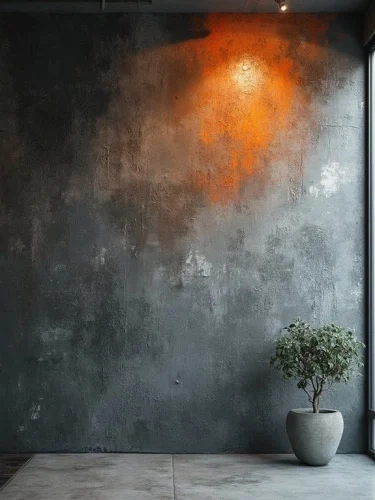
You walk into a room. The first thing that hits you isn’t the smell of fresh paint or the gleam of polished wood. It’s the weight. The silence. The sheer, unapologetic presence of a gray wall that refuses to hide what it is. For years, critics called it cold. They said it looked like a parking garage had crashed into a penthouse suite. But here we are in 2026, and that same gray surface is everywhere. From high-end lofts in Berlin to cozy suburban renovations in Ohio, exposed concrete isn’t just surviving. It’s thriving.
Why? It’s not just about looking cool, though let’s be honest, it does look pretty sharp. It’s about something deeper. We’re tired of things that feel fake. We’re done with drywall that cracks if you look at it wrong and paint that chips after a year. We want honesty in our homes. We want materials that age with us, that tell a story, and that don’t pretend to be something they’re not. Concrete has become the ultimate symbol of this shift. It’s raw, it’s real, and surprisingly, it’s warmer than you’d think.
The Rise of "Green Brutalism
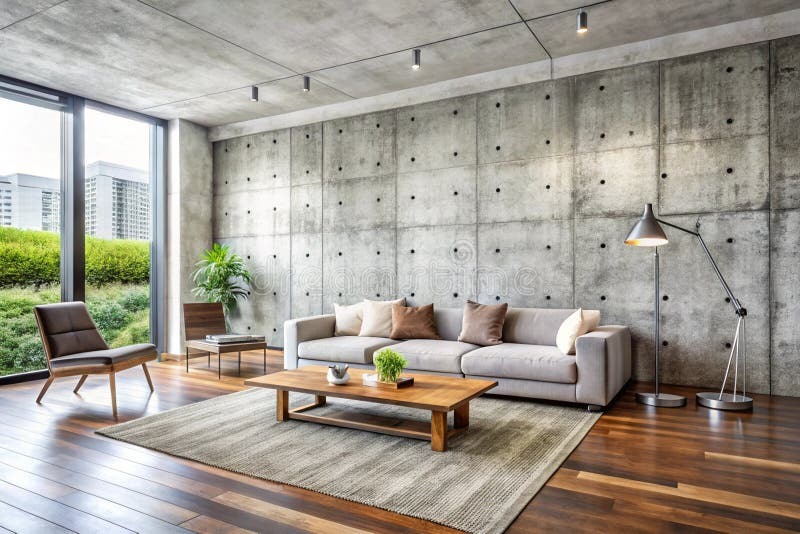
Remember when brutalism was just those scary, blocky government buildings from the 70s? Yeah, me too. But in 2026, the narrative has flipped completely. We’re seeing a movement designers are calling "Green Brutalism." It’s exactly what it sounds like. It’s the marriage of raw, industrial concrete with lush, sustainable natural elements. Think massive, textured concrete walls softened by hanging pothos plants, reclaimed timber beams, and warm, earthy textiles.
This isn’t just an aesthetic choice; it’s a philosophical one. As climate anxiety remains a huge part of our daily lives, people are craving spaces that feel grounded and eco-conscious. Concrete, when done right, is incredibly durable. It doesn’t need replacing every decade. By pairing it with living greenery and natural light, we strip away the "cold" reputation and replace it with a sense of organic calm. It’s rugged beauty meeting soft sustainability. The contrast creates a space that feels both strong and nurturing, which is pretty much what everyone wants their home to be right now.
Sustainability That Actually Lasts
Let’s talk about the elephant in the room: is concrete actually green? Well, it’s complicated. But in 2026, the industry has made huge strides. We aren’t just pouring new cement willy-nilly. The trend is heavily leaning towards adaptive reuse. That means taking existing concrete structures—old factories, warehouses, even parking structures—and exposing what’s already there instead of covering it up with new, resource-heavy materials.
By leaving the concrete exposed, you eliminate the need for drywall, plaster, paint, and wallpaper. That’s a massive reduction in waste and chemical off-gassing inside your home. Plus, concrete has high thermal mass. In plain English? It absorbs heat during the day and releases it slowly at night. This helps regulate indoor temperatures naturally, cutting down on energy bills. It’s a future-proof option. Homeowners are realizing that investing in a material that stands the test of time is far more sustainable than chasing fast-fashion interior trends that end up in landfills in five years.
Texture Over Perfection
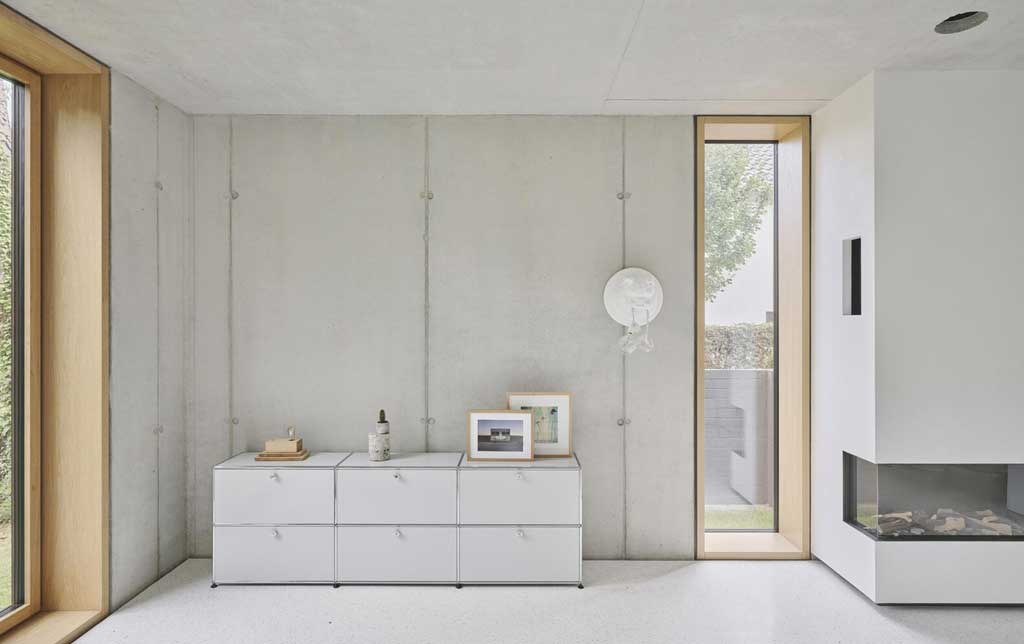
We’ve spent decades obsessing over smooth, flawless surfaces. Perfectly painted white walls. Glossy cabinets. But perfection is boring. And frankly, it’s stressful. Who wants to live in a museum where you’re afraid to touch anything? Exposed concrete brings texture back into our lives in a big way. Every pour is unique. You get little pits, air bubbles, and variations in color that make the wall feel alive. It’s tactile. You want to run your hand along it.
This textural depth adds a layer of sophistication that flat paint just can’t match. It plays with light in fascinating ways. As the sun moves across the room throughout the day, the shadows on the concrete shift, changing the mood of the space. It’s dynamic. Designers in 2026 are celebrating these "imperfections" as features, not bugs. It’s about embracing the wabi-sabi concept—finding beauty in the incomplete and the imperfect. It makes a house feel like a home, not a showroom. And honestly, who doesn’t want a break from the pressure of being perfect?
Versatility Beyond the Industrial Look
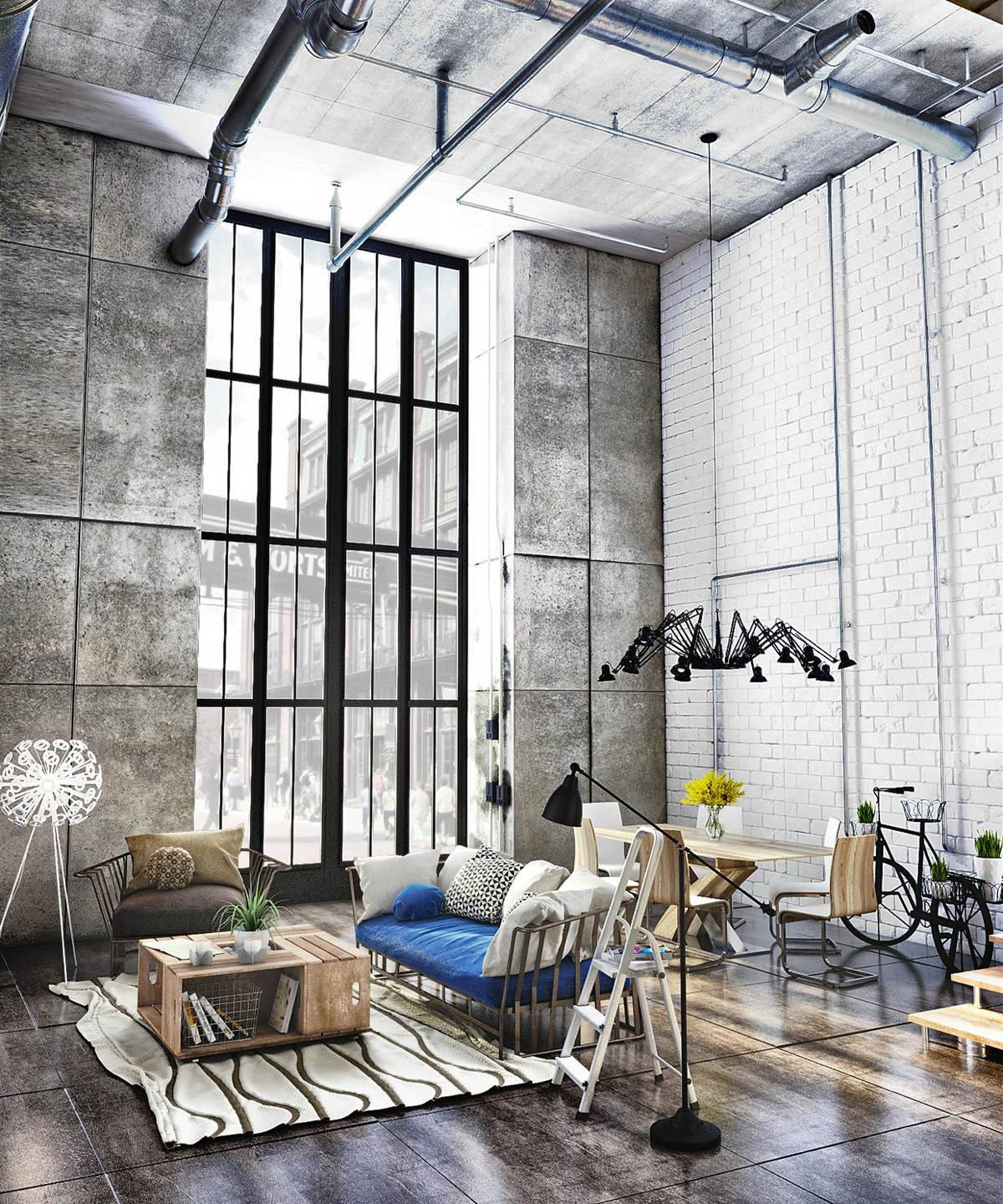
There’s a myth that concrete only works in industrial-style lofts with exposed pipes and metal fixtures. That idea is so 2015. Today, concrete is chameleon-like. It’s being used in farmhouse styles, Scandinavian minimalism, and even traditional settings. The key is in how you pair it. If you’re worried it’ll feel too harsh, you soften it. Add a plush, cream-colored rug. Use warm wood furniture. Install soft, ambient lighting.
Lighting is crucial here. You can’t just slap a single overhead bulb in a room with concrete walls and expect it to feel cozy. You need layers. Floor lamps, sconces, and hidden LED strips can wash the wall in warm light, highlighting the texture without making it feel like a cave. Concrete also acts as a neutral backdrop that lets other design elements pop. A vibrant piece of art looks incredible against gray. A bright blue sofa sings when it’s set against that muted, earthy tone. It’s versatile because it doesn’t compete; it supports.
The Tech and Craft Behind the Wall
It’s not just about stripping away drywall to find concrete underneath (though that’s a fun surprise if you’re renovating an old building). In 2026, the technology for creating beautiful exposed concrete has gotten really good. We’re seeing advanced micro-cements and polished concrete techniques that allow for thinner applications and smoother finishes if that’s your vibe. There are also decorative stamps and stains that can customize the look. Want a subtle logo stamped into your feature wall? You can do that. Want a specific shade of warm gray? There’s a mix for that.
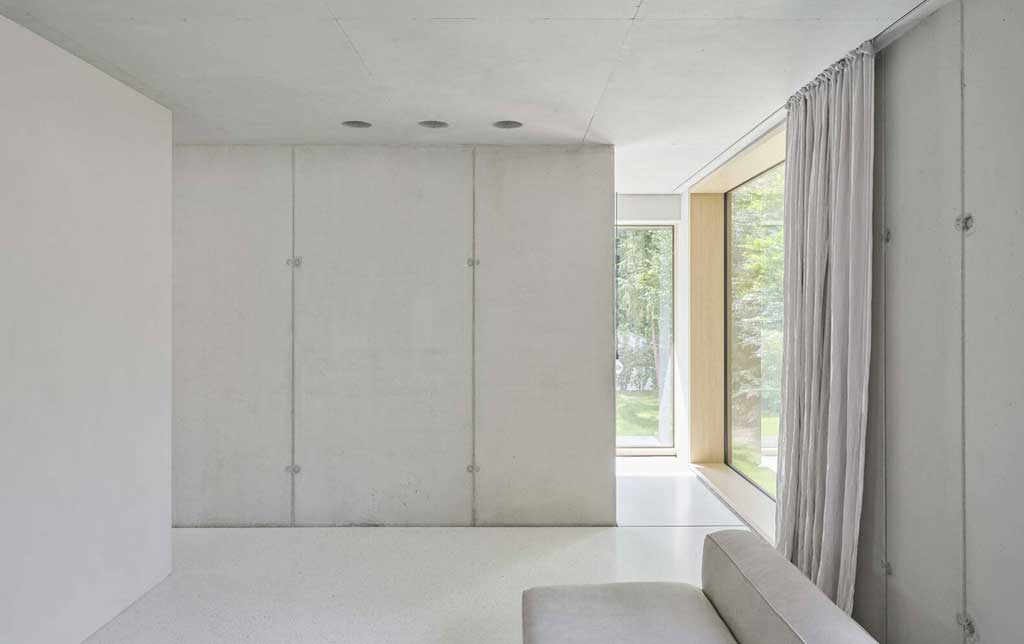
But it’s not all high-tech. There’s still a huge appreciation for the craft of formwork. The wood boards used to hold the wet concrete leave their grain pattern on the finished wall. It’s a fingerprint of the construction process. Architects and designers are working closely with builders to ensure the "exposed" look is intentional and high-quality. It’s not just rough slurry; it’s a curated finish. This blend of modern chemical advancements and old-school carpentry skills results in walls that are both structurally sound and visually stunning. It’s engineering meets art.
So, you’re thinking about trying this out. Maybe you’re building new, or maybe you’re remodeling. Where do you start? First, don’t go crazy. You don’t need every wall to be concrete. That can feel overwhelming. Start with one accent wall. Maybe behind the bed or in the living area where you entertain. See how it feels. Second, think about acoustics. Concrete is hard and reflects sound. If you have a lot of it, you’ll need soft furnishings—curtains, rugs, cushions—to absorb noise and keep the room from echoing like a gymnasium.
Also, consider the maintenance. Sealed concrete is easy to clean, but it’s not invincible. It can stain if you spill red wine and don’t wipe it up. A good sealant is your best friend. And finally, trust your instincts. If it feels too cold, add warmth. A wooden shelf, a wool throw, a plant. Balance is everything. The goal isn’t to live in a bunker; it’s to create a space that feels solid, calm, and authentically you. It’s about creating a sanctuary that feels grounded in a world that often feels chaotic.
In the end, the dominance of exposed concrete in 2026 isn’t a fluke. It’s a response to our times. We want durability in a disposable world. We want nature in our urban lives. We want truth in our surroundings. Concrete offers all of that. It’s not just a trend; it’s a shift in how we value our spaces. It’s okay if it’s not for everyone. But for those who embrace it, it offers a kind of peace that’s hard to find elsewhere. So, next time you see a raw gray wall, don’t turn away. Look closer. Feel the texture. You might just find it’s the most welcoming thing in the room.