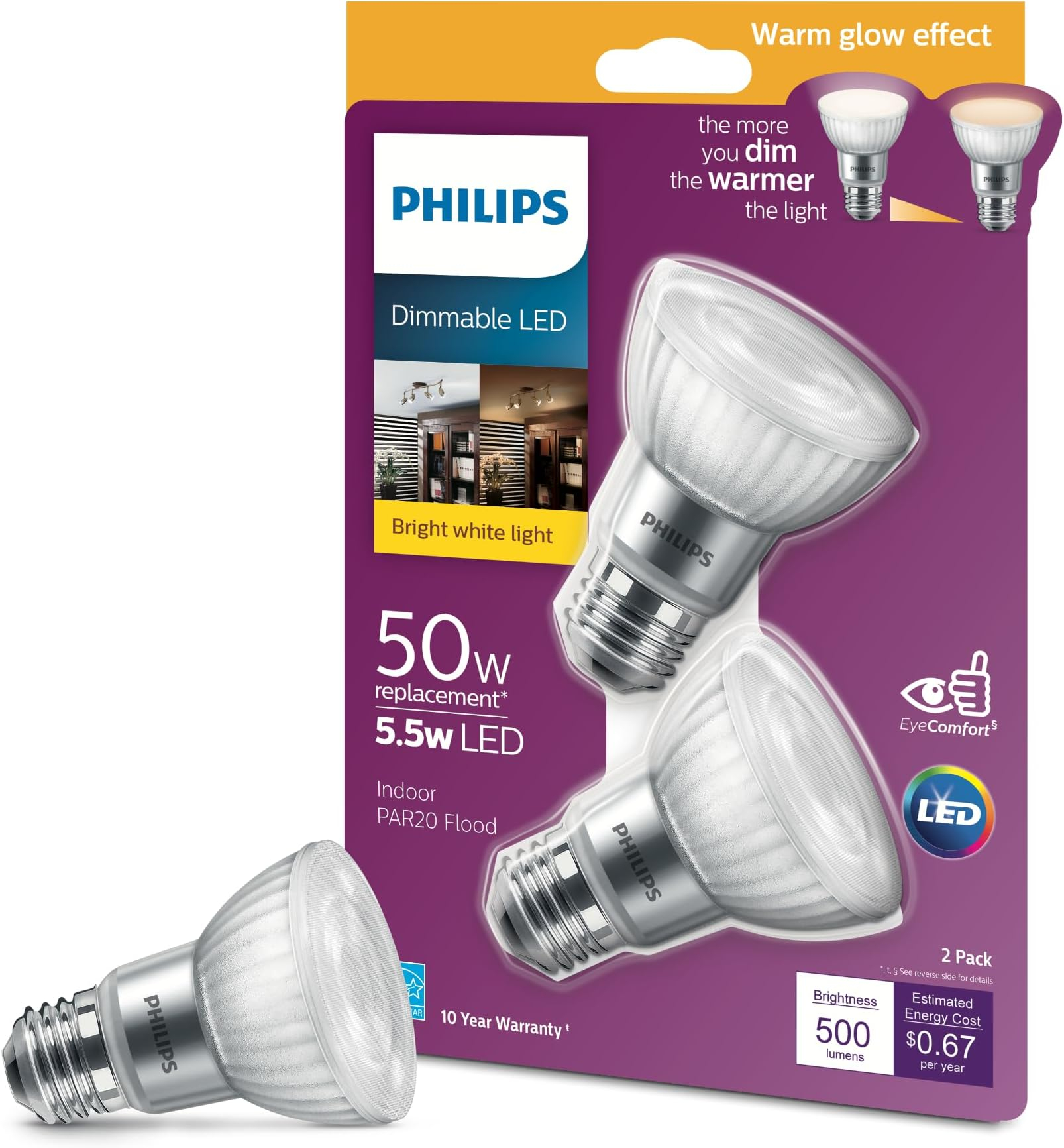
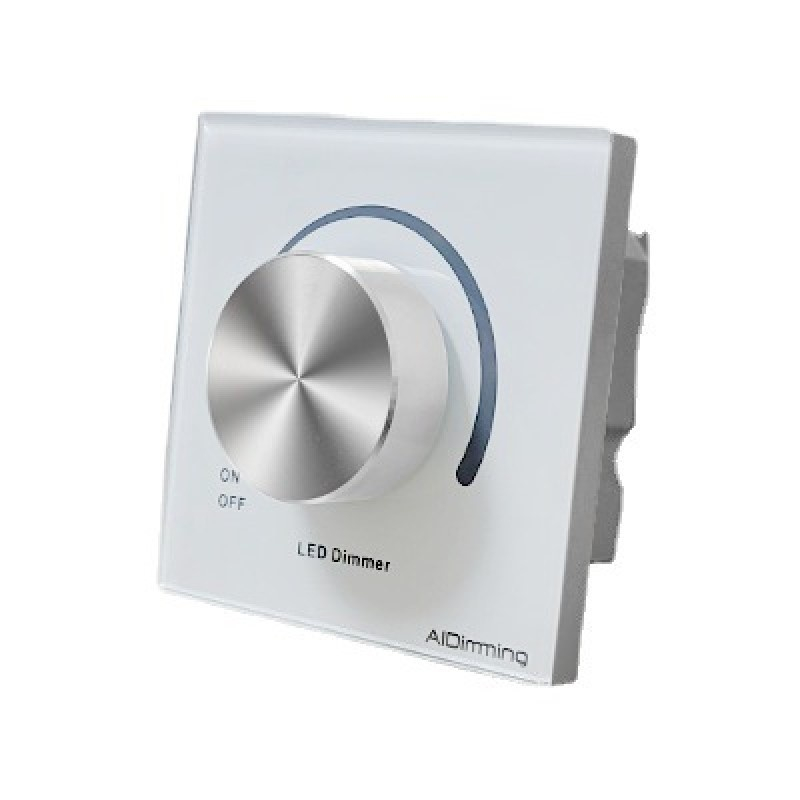
You know that sound. It’s late at night, you’re trying to wind down, and you slide the dimmer switch down to create a cozy glow. But instead of silence, you get it. A low, electric hum. Maybe a faint buzz. Or worse, the light starts strobing like a bad disco party from the nineties. It’s annoying. It’s distracting. And honestly, it makes your expensive new LED bulbs feel like a waste of money.
We’ve all been there. You buy the "dimmable" bulb, you install it, and you expect magic. You get noise instead. Most people think the bulb is broken. They swap it out. They try another brand. They even call an electrician, who shrugs and says, "It’s just how LEDs are." But that’s not true. Not anymore. In 2026, lighting tech has moved on. The problem isn’t usually the bulb. It’s the switch on your wall. Specifically, it’s the difference between a cheap, old-school dimmer and a modern, buzzless model designed for the digital age of lighting.
Let’s talk about what’s actually happening inside that wall box. Because once you understand the tiny electronic handshake between your switch and your bulb, the fix becomes obvious. And it’s cheaper than you think.
The Ghost in the Machine: Why Old Dimmers Hate New Bulbs
To understand the buzz, you have to look back. Way back. For decades, our homes were lit by incandescent bulbs. These were simple things. A filament, a glass shell, and electricity. When you wanted less light, a traditional dimmer—called a "leading-edge" dimmer—would literally chop off the front part of the electrical wave. It was a brute force method. It worked because incandescent bulbs are basically resistors. They don’t care much about how the power arrives, as long as it gets there. They just get cooler and dimmer. Simple. Rugged. Cheap.
Then came LEDs. Light Emitting Diodes are not simple. They are complex little computers. Inside every LED bulb is a driver, a tiny circuit board that converts high-voltage AC power from your wall into low-voltage DC power the chip can use. This driver expects a clean, smooth flow of electricity. When you put a cheap, leading-edge dimmer in the mix, it sends those chopped-up, jagged waves of power to the LED driver. The driver tries to make sense of it. It struggles. It vibrates. That vibration? That’s the buzz. It’s the physical component inside your bulb or switch shaking because it’s being fed power in a way it wasn’t designed to handle.
It’s like trying to drink a milkshake through a straw that keeps getting kinked. You can do it, but it’s noisy, messy, and frustrating. The cheap dimmer was built for a different era. It’s a analog tool in a digital world. And while it might work okay at 100% brightness, the moment you try to dim, the mismatch becomes audible. And visible. That flicker you see? That’s the driver turning on and off rapidly because the power supply is unstable. It’s not just annoying; it can actually shorten the life of your bulb. So, the first step to silence is recognizing that the old tech is the culprit, not the new bulb.
Leading Edge vs. Trailing Edge: The Tech Split
So, if leading-edge is the old villain, what’s the hero? Enter the "trailing-edge" dimmer. If leading-edge chops off the front of the wave, trailing-edge chops off the back. Sounds similar, right? But the effect is totally different. Trailing-edge dimmers use a different type of transistor (usually a MOSFET) that allows for a much smoother cut-off of the power. This creates a cleaner signal that plays nice with the sensitive electronics inside modern LED drivers.
Think of it like this: Leading-edge dimming is like slamming a door. It’s abrupt. Trailing-edge dimming is like closing it with a soft-close hinge. It’s gentle. It’s precise. Because the power cut is smoother, the LED driver doesn’t have to work as hard to regulate the current. There’s less stress on the components. Less vibration. And consequently, no buzz. This is why you’ll often see trailing-edge dimmers labeled as "LED compatible" or "buzzless." They are engineered specifically for the low-wattage, high-tech nature of LEDs.
But here’s where it gets tricky. Not all "LED dimmers" are created equal. In the early days of the LED revolution, manufacturers slapped "LED Compatible" on boxes that were still using older technology with just a few tweaks. They added minimum load resistors to trick the dimmer into thinking there was more power being used (since LEDs use so little). It was a band-aid solution. Today, in 2026, a true buzzless model is almost always a trailing-edge design. It’s not just about compatibility; it’s about the fundamental way the electricity is managed. If you’re buying a dimmer today, look for the words "trailing edge" or "ELV" (Electronic Low Voltage) on the spec sheet. That’s the gold standard for silence.
The Minimum Load Trap
Here’s a weird quirk of physics that trips up a lot of homeowners. Old incandescent dimmers needed a certain amount of power to work correctly. Usually, they needed at least 40 or 60 watts of load. If you had a single 60-watt bulb, it was fine. But LEDs? They sip power. A bright LED might only use 8 or 10 watts. If you put three of them on a circuit, that’s only 30 watts. That’s below the minimum threshold for many older dimmers.
When the load is too low, the dimmer can’t "see" the bulbs properly. It gets confused. The result? Flickering. Or the lights might not turn off completely—they might glow faintly even when the switch is down. Or they might flash on and off like a strobe light. This is the "minimum load" issue. Cheap dimmers often struggle with this because they weren’t designed for such low energy draws. They need more juice to keep their internal circuits stable.
Buzzless, modern LED dimmers are designed with a much lower minimum load requirement. Some can handle loads as low as 5 watts. This means you can have just one or two bulbs on a circuit and still get smooth, silent dimming from 100% all the way down to 1%. It’s a huge difference in usability. If you’re retrofitting an old home, this is critical. You can’t just swap the bulbs and hope for the best. You have to check if your dimmer can handle the tiny footprint of LED power. If it can’t, no amount of bulb swapping will fix the flicker. You need a switch that respects the low-load reality of modern lighting.
Smart Dimmers and the New Standard
By 2026, the line between "dumb" dimmers and smart home controls has blurred. A lot of people are moving toward smart switches—things like Lutron Caséta, Leviton Decora Smart, or Philips Hue dimmers. These are almost universally trailing-edge or hybrid designs. They use digital communication to talk to the bulbs, or they manage the power curve with extreme precision via software.
The beauty of these modern smart dimmers is that they often self-calibrate. When you install them, they run a quick test to see what kind of bulbs are on the circuit. They adjust their own internal settings to match the load. This eliminates a lot of the guesswork. You don’t have to worry about dip switches or manual adjustments. The switch figures it out. And because they are digital, they can maintain a consistent dimming curve. No sudden jumps in brightness. No dead spots where the light won’t go any lower.
But even with smart tech, quality matters. There are cheap smart switches and premium ones. The cheap ones might still use inferior components that can introduce noise into the system. They might not have the same robust filtering as the higher-end models. So, while "smart" is a good proxy for "modern," it’s not a guarantee of silence. Look for brands that explicitly state they are designed for LED/CFL loads. Read the reviews. Look for mentions of "quiet operation" or "no hum." The market has matured enough that there’s no excuse for buying a switch that hasn’t been tested with LEDs. The technology is there. It’s just about choosing the right implementation.
The Cost of Silence: Is It Worth It?
Let’s talk money. A cheap, generic dimmer from the big box store bin might cost $10 or $15. A high-quality, buzzless, trailing-edge LED dimmer might cost $25 to $40. Smart dimmers can go even higher, up to $60 or more. Is the extra cost justified?
Absolutely. Think about it this way: You’re likely spending $20 to $50 on each LED bulb. If you have a four-bulb fixture, that’s $100 to $200 in bulbs. If you pair those with a $10 dimmer that causes them to flicker and buzz, you’re ruining the experience. Worse, the electrical stress from the incompatible dimmer can shorten the lifespan of those expensive bulbs. You might find yourself replacing them every year or two instead of every five or ten.
Plus, there’s the peace of mind factor. Lighting sets the mood. It’s foundational to how a room feels. A buzzing light is a subconscious irritant. It raises stress levels. It breaks the ambiance. Investing in the right dimmer ensures that your lighting design actually works. It’s the difference between a room that feels professional and polished, and one that feels like a temporary fix. In the grand scheme of home improvement, $20 per switch is a tiny price to pay for silence and reliability. It’s one of the highest-return upgrades you can make for your lighting system.
And don’t forget the energy savings. While LEDs are efficient, a poorly matched dimmer can cause inefficiencies in the driver, wasting small amounts of power as heat. It’s negligible on your bill, sure, but it’s wasteful. A proper match ensures the system runs as efficiently as possible. It’s the right thing to do for your wallet and the planet. Small details add up.
How to Upgrade Without the Headache
So, you’re convinced. You want the buzz gone. How do you do it? First, turn off the power. Seriously. Go to the breaker box. Flip the switch. Verify it’s off with a non-contact voltage tester. Safety first. Always.
Next, pull out your old dimmer. Take a picture of the wiring. It’s usually simple: two black wires (or one black and one red) and a ground wire. Note which wire goes where. Then, buy your new trailing-edge LED dimmer. Make sure it’s rated for the wattage of your bulbs. Check the box. It should say something like "Compatible with Dimmable LEDs and CFLs."
Install the new switch. Connect the wires exactly as they were on the old one. Tuck everything back in the box. Screw the plate on. Turn the power back on. Now, here’s the pro tip: Many modern LED dimmers have a calibration mode. Consult the instructions. Often, you hold down the button or flip the switch in a certain pattern to let it "learn" the load. Do this. It makes a huge difference in performance.
If you still have issues, check your bulbs. Are they definitely dimmable? Not all LEDs are. If they aren’t, no dimmer in the world will help. You need bulbs marked "Dimmable." Also, try to stick to one brand of bulb on a single dimmer circuit. Mixing brands can sometimes cause compatibility hiccups because their drivers react slightly differently. Keep it uniform. Keep it simple. And if all else fails, most reputable dimmer manufacturers have compatibility lists online. Check your bulb model against their list. It’s a quick search that can save you hours of frustration.
At the end of the day, lighting is emotional. It’s about comfort. It’s about creating a space where you can relax, read, cook, or connect with family. When your lights buzz, they intrude on that space. They remind you of the machinery behind the magic. But when they’re silent, when they fade smoothly from bright to soft without a stutter or a sound, they disappear. They just become light.
The difference between a cheap dimmer and a buzzless model isn’t just technical jargon. It’s the difference between a frustrating DIY project and a seamless home upgrade. It’s about respecting the technology we’ve adopted. LEDs are here to stay. They’re better, brighter, and more efficient. But they demand a partner that understands their language. Trailing-edge dimmers are that partner.
So, take a listen to your home tonight. If you hear that hum, don’t ignore it. Don’t blame the bulbs. Swap the switch. It’s a small change, but the impact is immediate. You’ll wonder why you tolerated the noise for so long. And in the quiet, you’ll finally get the ambiance you paid for. It’s time to let your lights do their job, silently and beautifully.