So, you’re staring at your electric bill again. It’s got that familiar sting, doesn’t it? Maybe you’ve been tossing around the idea of solar panels for a while now. You’ve seen the ads, heard the neighbors talking about their "free" electricity, and wondered if the hype matches reality. In 2026, the conversation has shifted. It’s not just about saving the planet anymore—though that’s still a huge plus—it’s about cold, hard cash. But here’s the thing: the numbers aren’t as simple as the sales brochures make them look.
Everyone wants to know the magic number. How long until this big investment actually pays for itself? If you listen to some installers, it’s three years. If you talk to a skeptical uncle, he’ll say it never pays off. The truth, as usual, is somewhere in the messy middle. This year, with changing incentives and fluctuating energy costs, figuring out your real break-even point requires a bit more digging than just glancing at a headline. Let’s cut through the noise and look at what the math actually says for homeowners right now.
The Baseline Numbers: What Are We Looking At?
When we talk about payback periods in 2026, we are generally seeing a range between 5.5 and 12.5 years. That’s a pretty wide gap, right? It depends heavily on where you live and how much sun hits your roof. A system that pays for itself in six years in sunny Arizona might take closer to eleven years in cloudy Seattle. But even within those averages, there’s a lot of variation. The key isn’t just the sticker price of the panels; it’s the net cost after you factor in every single rebate and tax credit available to you.
Modern panels are built to last, too. Most come with warranties stretching from 25 to 30 years. Think about that for a second. If your system pays for itself in seven years, you’re looking at nearly two decades of essentially free electricity. That’s a massive chunk of time where your only cost is minimal maintenance. It changes the perspective from "how much does this cost?" to "how much am I losing by not doing it?" But you have to get the initial calculation right. Overestimating your savings or underestimating the installation cost can throw off your entire timeline.
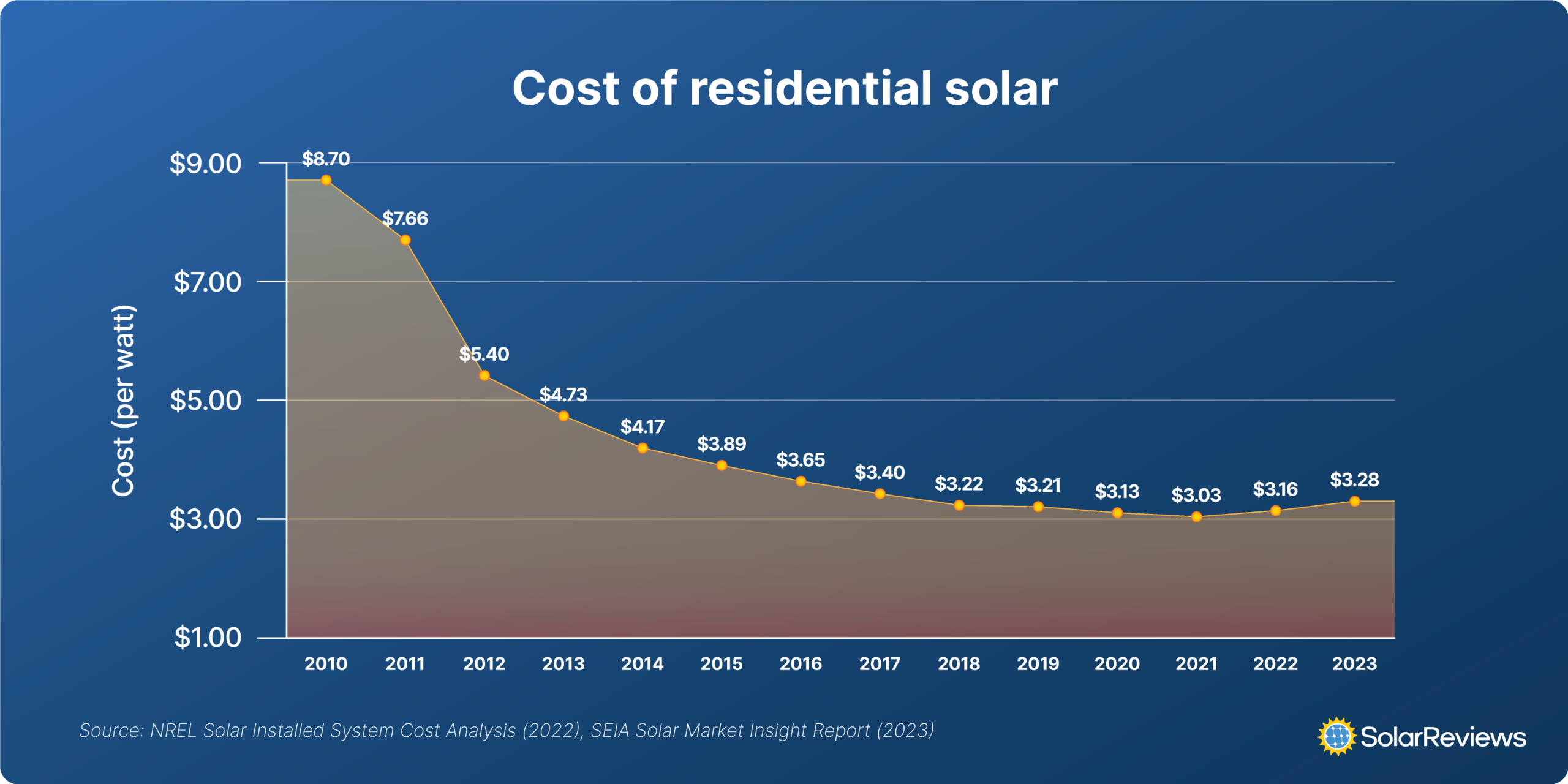
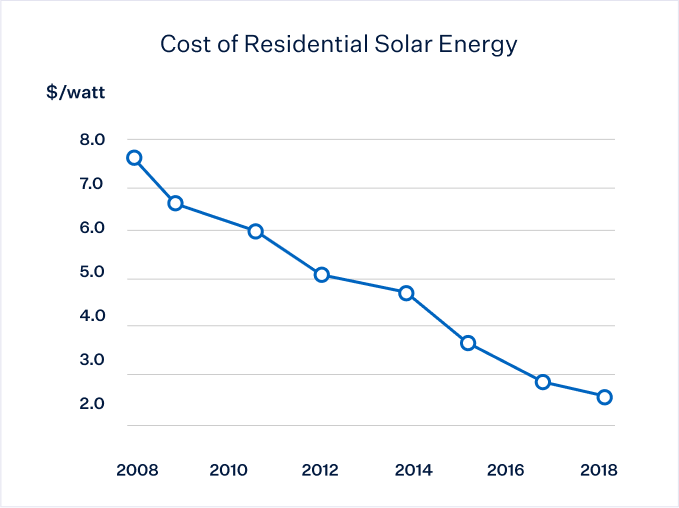
It’s also worth noting that the "sticker shock" has softened a bit compared to previous years, but inflation has kept labor and hardware costs from dropping as fast as some hoped. So, while the technology is better and more efficient, the upfront price tag remains significant. This is why understanding the real payback period—rather than the optimistic one—is crucial. You need a conservative estimate, not a best-case scenario. Because let’s be honest, life rarely goes according to the best-case plan.
The Incentive Landscape: Navigating the 2026 Rules
Let’s talk about the free money. Or, well, the tax credits and rebates. In 2026, the federal landscape has shifted. The era of the full, uncapped federal tax credit is winding down or has changed structure depending on recent legislative adjustments. This means you can’t just assume a flat 30% off anymore without checking the current specifics. Some sources point out that the end or reduction of certain federal credits impacts the bottom line significantly. You have to do your homework here. Missing out on a credit you qualified for is like leaving a thousand dollars on the table.
But it’s not just about the feds. State-level incentives are playing a bigger role than ever. Places like California, New York, and Massachusetts often have their own robust programs. Then there are the HOMES rebates and other local utility incentives that can stack on top of federal benefits. These can shave thousands off the initial cost. However, these programs are often first-come, first-served or subject to budget caps. Timing matters. If you wait too long, that extra rebate might vanish. It’s a bit of a race, and being informed gives you the edge.
Don’t forget about net metering rules, either. This is how you get credited for the extra power your panels send back to the grid. In some states, utilities are paying less for that excess energy than they used to. This directly impacts your monthly savings and, by extension, your payback period. If your utility company slashes the buy-back rate, your panels take longer to pay for themselves. It’s a variable that often gets overlooked in the initial excitement but becomes very real when the bills start coming in. Always check your local utility’s current policy before signing anything.
The Hidden Variables: Batteries, Roofs, and Usage
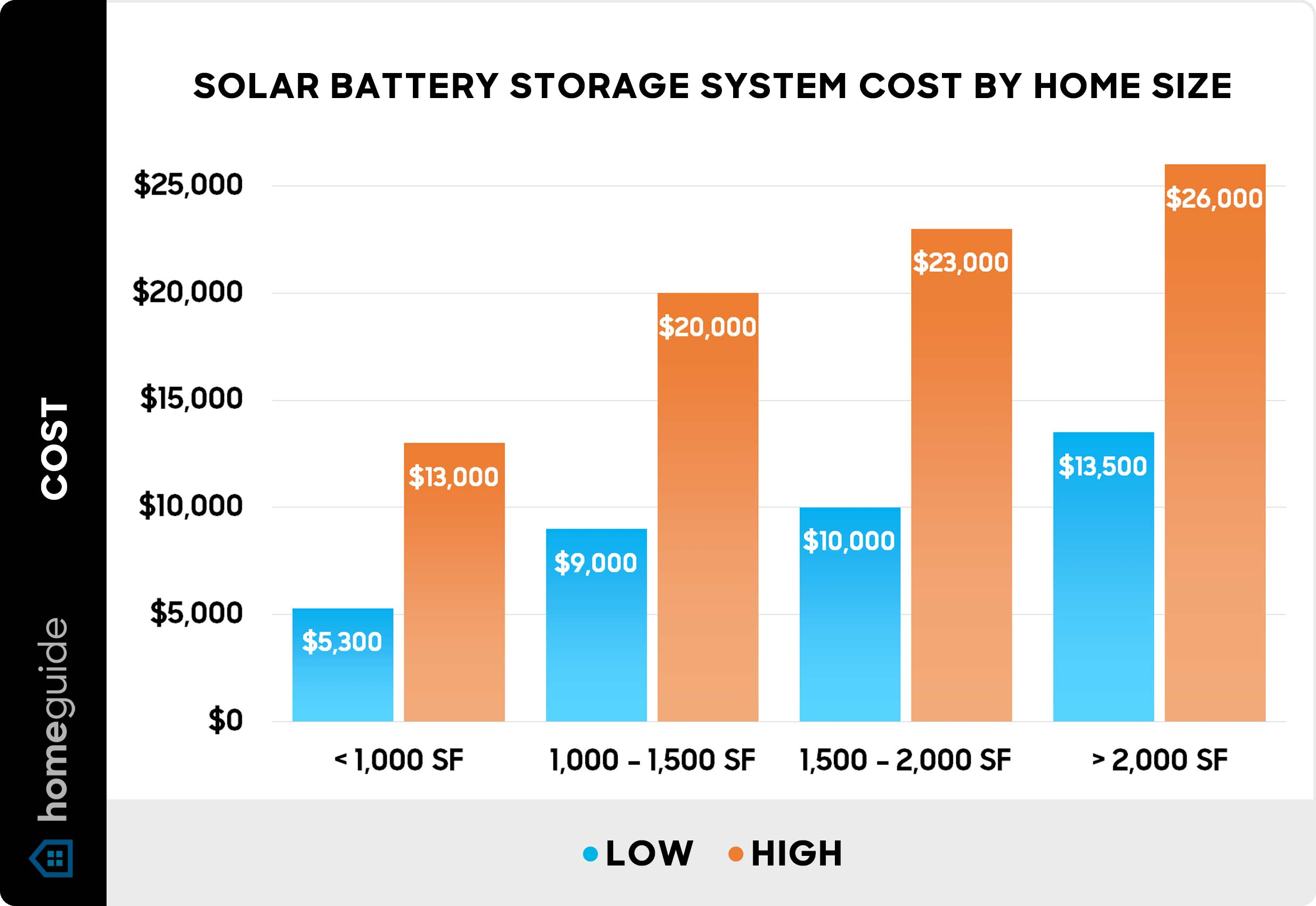
Here’s where things get complicated. Adding a battery storage system is a game-changer for energy independence, but it definitely extends your payback period. Batteries are expensive. While they protect you during outages and let you use your solar power at night, they add a significant chunk to the upfront cost. In 2026, battery tech is better and slightly cheaper than before, but it’s still a premium add-on. If your main goal is financial ROI, you might want to crunch the numbers with and without a battery. Sometimes, the peace of mind is worth the extra few years of payback time, but it’s a trade-off.
Your roof condition is another silent budget-killer. If your roof is old or shaded by those beautiful oak trees in your backyard, your system won’t perform as well. Shading can drastically reduce output, meaning you save less money each month. And if you need to replace your roof before installing solar, that cost needs to be part of your calculation. It’s not just about the panels; it’s about the entire ecosystem of your home’s energy setup. Ignoring roof health can lead to nasty surprises later, like having to remove and reinstall panels for repairs.
Then there’s your personal usage. Do you work from home? Do you have an electric vehicle? These factors spike your energy consumption. On one hand, solar helps offset that high usage. On the other, if you’re using way more power than the average household, you might need a larger, more expensive system to cover your needs. The "average" payback period assumes average usage. If you’re an energy hog, your system needs to be bigger, which changes the math. Be honest about your habits. Underestimating your future energy needs is a common mistake that leads to disappointment.
The Home Value Bonus: An Often-Ignored Perk
Let’s step back from the monthly bills for a moment. What happens when you sell your house? Recent real estate data from 2026 suggests that solar panels increase a home’s resale value by an average of 4.1%. That’s not chump change. If your home is worth $500,000, that’s a $20,500 boost. This aspect of the ROI is often ignored in simple payback calculations, but it’s real money in your pocket. It effectively shortens your payback period if you plan to move within the next decade or so.
Think of it this way: you’re not just saving on electricity; you’re upgrading your asset. Buyers are increasingly looking for energy-efficient homes. They know utility rates are volatile, and a house with solar offers a degree of predictability. It’s a selling point. However, this only works if the system is owned, not leased. Leased panels can actually complicate a sale, as the new buyer has to take over the lease agreement. Ownership is key to capturing that home value bonus. Make sure you understand the difference before you sign on the dotted line.
This value add also provides a safety net. If you have to move before your system has fully paid for itself, you aren’t necessarily losing money. You’re transferring that remaining value to the next owner, ideally at a higher home price. It turns the solar installation from a sunk cost into a home improvement project, similar to a kitchen remodel. You might not get every penny back, but you’re certainly not starting from zero. It’s a crucial piece of the puzzle that makes the investment feel less risky.
Regional Reality Checks: It Depends on Where You Live
You can’t talk about solar payback without talking about geography. In states with high electricity rates, like Hawaii or California, solar pays for itself much faster because you’re replacing expensive grid power. In states with cheap coal or hydro power, the savings per kilowatt-hour are smaller, so the payback takes longer. It’s simple supply and demand. The more you save per unit of energy, the quicker you recoup your investment. This is why a "national average" is almost useless for your specific situation.
Local weather patterns matter, too. Sure, solar panels work on cloudy days, but they don’t work as well. A state with consistent sunshine will naturally generate more power than one with frequent overcast skies. But it’s not just about sun. It’s about policy. Some states have aggressive renewable energy goals and offer better incentives. Others are lagging behind. Your state’s political and regulatory environment plays a huge role in your financial outcome. It’s worth looking up state-specific data rather than relying on general guides.
For example, a homeowner in Texas might face different challenges than one in New Jersey. Texas has a deregulated market and varying utility rates, while New Jersey has strong state incentives but higher installation costs due to labor and permitting. These nuances create a patchwork of ROI possibilities across the country. That’s why using a calculator that accounts for your specific zip code is so important. Generalizations can lead you astray. You need data that reflects your local reality, not a national stereotype.
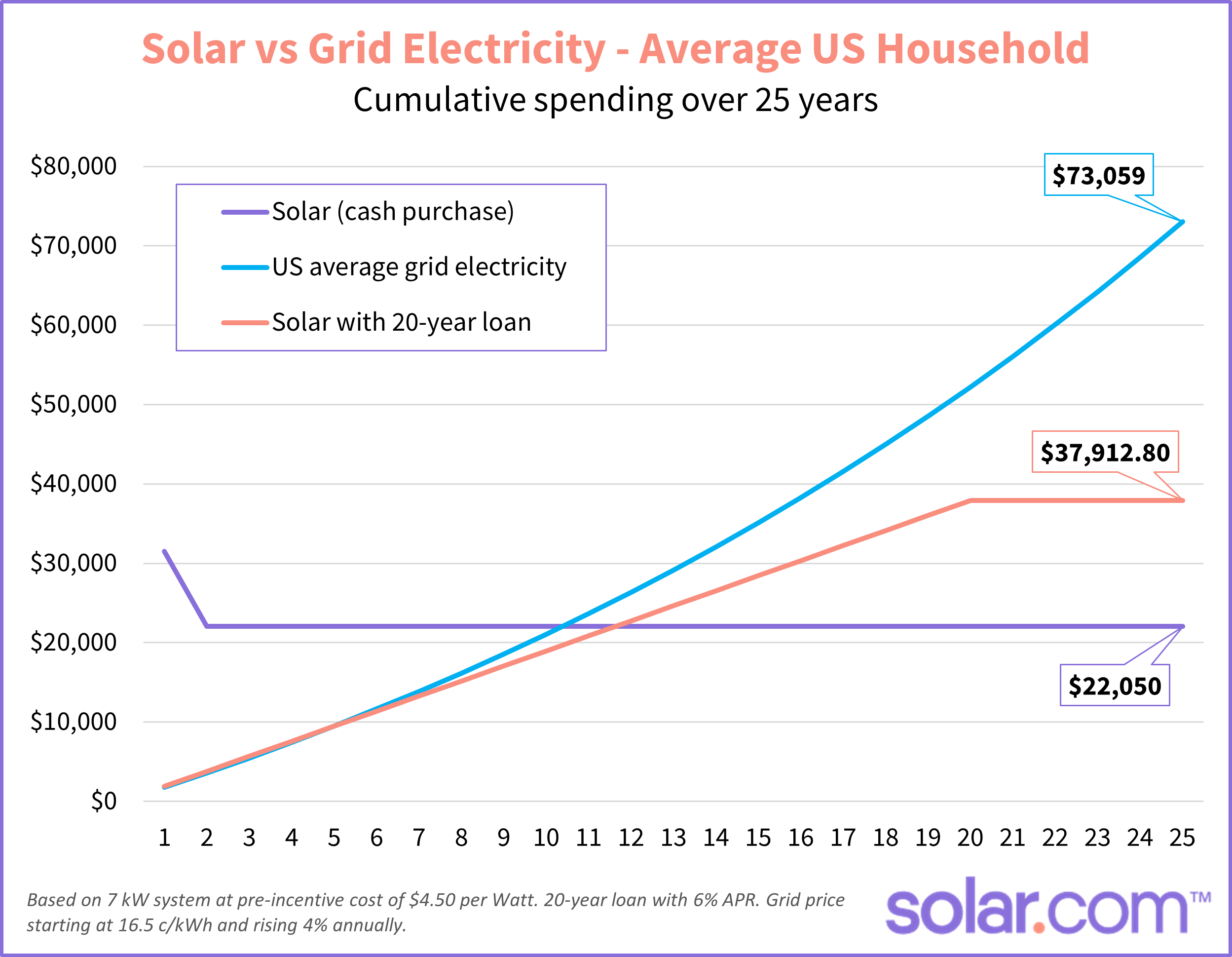
So, how do you actually calculate this? Start with the total installed cost. Then, subtract all confirmed incentives—federal, state, and local. This gives you your net cost. Next, estimate your annual savings. Look at your current electric bill and multiply it by 12, but be careful. Utility rates tend to rise over time, which actually helps your savings grow, but don’t bank on extreme hikes. A conservative estimate might assume a modest annual increase in electricity prices. Divide your net cost by your annual savings, and you get your basic payback period.
But wait. There’s more. Factor in maintenance costs. They’re low, but they aren’t zero. Inverters might need replacing after 10-15 years. Panels might need cleaning. Add a small buffer for these expenses. Also, consider the degradation of the panels. They lose a tiny bit of efficiency each year. It’s small, but over 20 years, it adds up. A truly conservative math approach builds in these buffers. It’s better to be pleasantly surprised by a shorter payback period than disappointed by a longer one.
Many online calculators can help with this, but treat them as starting points. They often use averages that might not fit your home. Getting quotes from multiple installers is the best way to get accurate numbers. Ask them to show you the breakdown: gross cost, incentives, estimated production, and payback timeline. Compare these quotes. If one looks too good to be true, it probably is. Look for transparency. A good installer will walk you through the assumptions they’re making. Don’t be afraid to ask questions. It’s your money, after all.
In the end, the decision to go solar in 2026 is a personal one. It’s about more than just the break-even date. It’s about locking in your energy costs, increasing your home’s value, and reducing your carbon footprint. The real payback period is a useful metric, but it’s not the only one. For many, the stability of knowing their electricity bill will be predictable is worth the investment, even if the financial payback takes a decade. It’s a long-term play. And in a world of uncertainty, that kind of stability is pretty valuable.
So, take your time. Do the research. Look at your specific situation, not just the national trends. Check your roof, review your bills, and explore your local incentives. The right answer for your neighbor might not be the right answer for you. But for most homeowners, the math still works out in their favor. It just requires a bit of patience and a lot of attention to detail. Don’t rush it. Get it right.