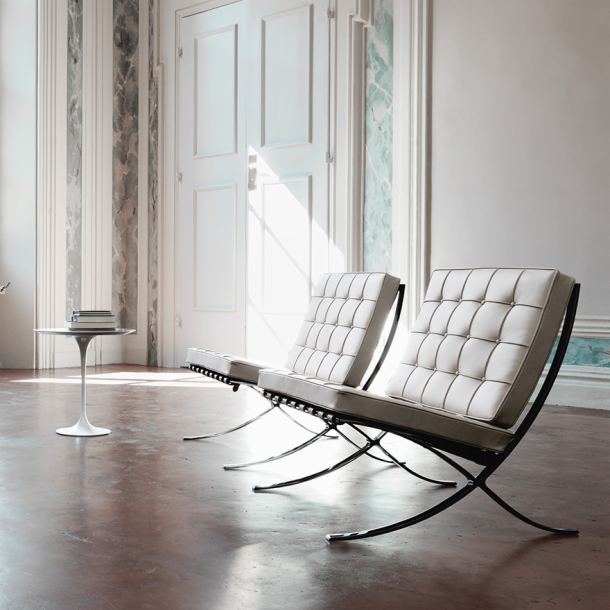
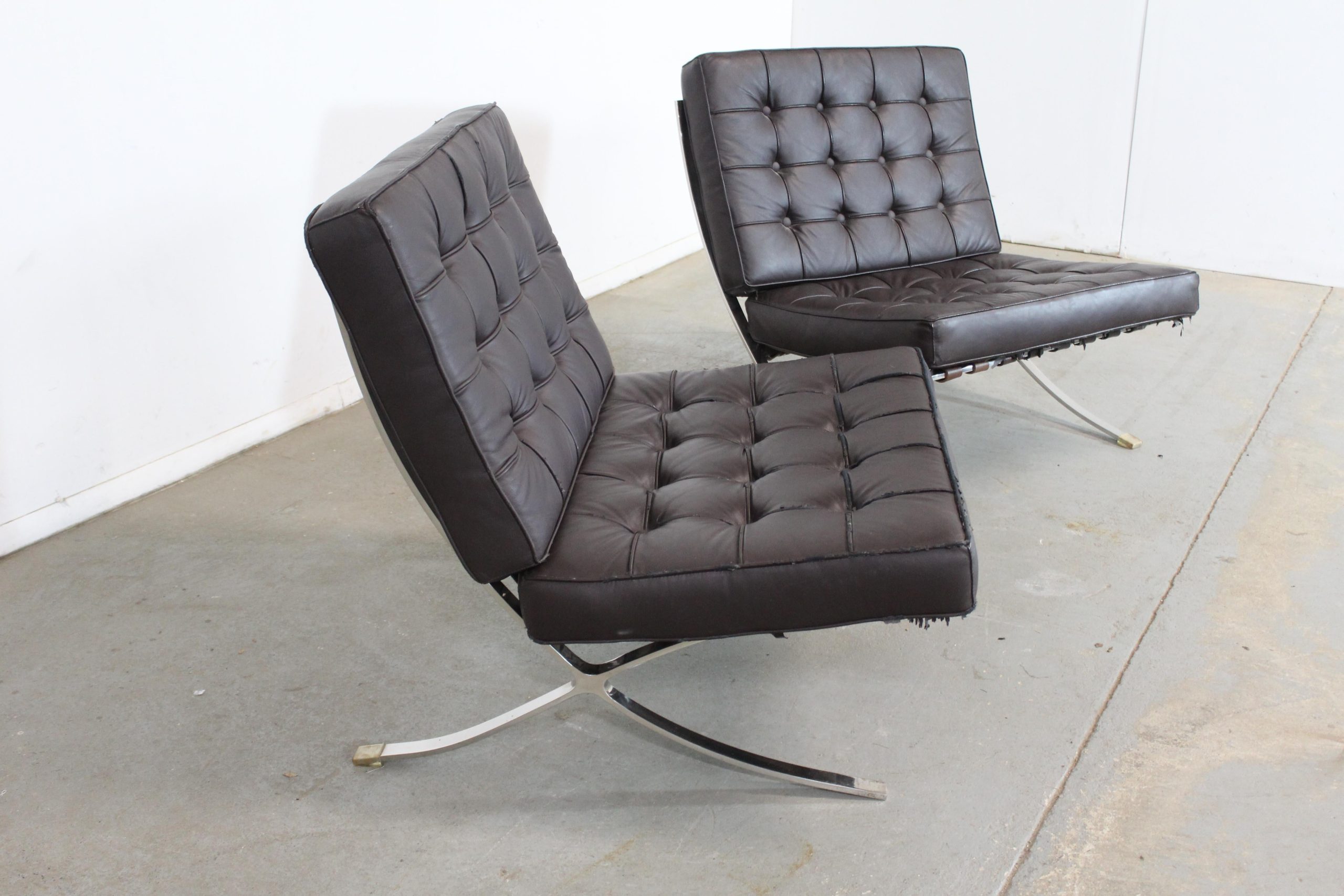
It’s iconic. You know the one. Two curved steel bars, crossing like an X, holding up four perfect squares of leather. It’s the Barcelona Chair. Designed by Mies van der Rohe and Lilly Reich back in 1929, it is arguably the most recognizable piece of furniture on the planet. But let’s be honest for a second. It can feel a bit… cold. Like, museum-cold. Gallery-cold. "Don’t touch the art" cold.
We love it because it’s beautiful. But do we actually live in it? Not always. In 2026, our homes have shifted. We aren’t trying to look like a sterile corporate lobby anymore. We want comfort. We want hygge. We want spaces that hug us back after a long day. So, how do you keep that stunning mid-century modern cred without freezing out the cozy vibe? You mix it with warmth. You bring in texture. You soften the edges.
This isn’t about hiding the chair. It’s about giving it a partner. A soft, fuzzy, warm-hearted partner. When you pair that crisp, architectural steel with the right textiles and materials, something magical happens. The chair stops being a statue and starts being a seat. A place to curl up. Let’s dig into how to make that happen, without ruining the design integrity.
Understanding the Cold Hard Truth of Modernism
First, we have to respect what the chair is. It’s not just a chair; it’s a statement. It’s minimalism personified. The leather is usually taut, smooth, and cool to the touch. The chrome or stainless steel is reflective and hard. There are no cushions to sink into, no arms to rest your elbows on comfortably (unless you count the wide leather straps). It demands posture. It demands attention.
In the early days of modern design, this was the point. It was about clarity. About stripping away the excess. But today, in our living rooms, that clarity can feel a bit stark. If you put a Barcelona Chair in a room with white walls, glass tables, and concrete floors, you’re going to feel like you’re waiting for a dentist appointment. It’s too much echo. Too much shine.
The key isn’t to change the chair. Never paint the steel. Never slipcover the leather. That’s a crime against design. Instead, you need to understand that the chair acts as an anchor. It’s the visual weight. Because it’s so visually "quiet" and structured, it can handle a lot of noise around it. It can handle pattern. It can handle pile. It can handle mess. Knowing this gives you permission to go wild with the stuff surrounding it.
Think of the chair as the skeleton. Strong, rigid, essential. Now you need to add the muscle and the skin. That’s where the textures come in. You aren’t fighting the modernism; you’re wrapping it in a blanket. It’s a juxtaposition. The harder the chair looks, the softer the room needs to feel. That balance is what makes a space feel curated, not just furnished.
The Floor Beneath: Anchoring with Rugs
Let’s start at the bottom. Literally. The Barcelona Chair has a very small footprint. Those X-legs take up minimal visual space on the floor. If you put it on bare hardwood or tile, it can look like it’s floating awkwardly. Or worse, sliding around. You need groundings. You need a rug.
But not just any rug. A flat-weave synthetic blend won’t cut it. You need depth. Think high-pile wool, shag, or even a thick jute if you’re going for something more organic. The goal is to create a pool of softness that the chair sits in. When your feet step off the hard floor and onto the rug before you sit down, the psychological shift begins. You’re entering a zone of comfort.
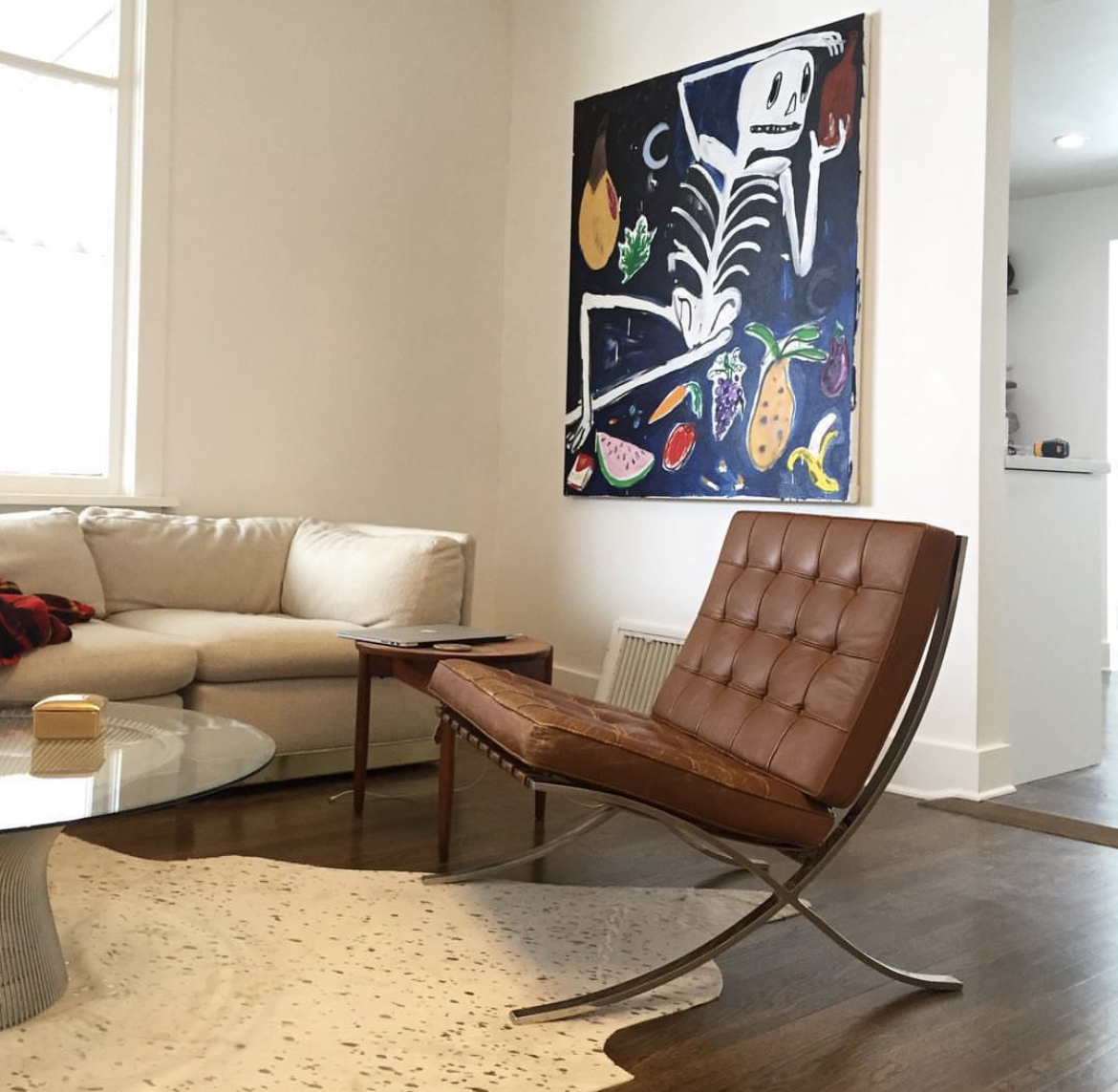
In 2026, we’re seeing a huge return to natural fibers. Wool is king here. A cream or oatmeal-colored sheepskin rug underneath the chair creates an instant layer of luxury. It contrasts beautifully with the black or white leather. If your chair is black leather, try a light grey or beige rug. If it’s white leather, go for a deep charcoal or a warm terracotta. The color contrast highlights the shape of the chair, while the texture contrast softens its presence.
Don’t be afraid to layer, either. Put a larger, flat kilim or Persian-style rug down first, then place a smaller, fluffier hide or wool rug on top, slightly off-center. Place the Barcelona Chair so its front legs are on the soft top layer. This breaks up the rigidity. It adds history and soul to the piece. Suddenly, the chair isn’t just a 1929 design; it’s part of a story that includes travel, tradition, and comfort.
Fabric Friends: Throws and Pillows
Here is the secret weapon. The throw blanket. A Barcelona Chair is wide. It’s almost bench-like. This means it has real estate. Use it. Draping a textured throw over the back or across the seat instantly humanizes the chair. It says, "Someone lives here. Someone gets cold."
Choose materials that beg to be touched. Chunky knit cotton. Alpaca wool. Faux fur (if you’re ethical about it, or vintage real fur if that’s your jam). Avoid silky, slippery fabrics. They slide off the smooth leather and look messy. You want friction. You want the fabric to catch on the leather slightly, to look intentional.
Color matters here too. If your room is neutral, use the throw to bring in a pop of warmth. Mustard yellow. Burnt orange. Deep forest green. These earthy tones play well with the metallic sheen of the steel. They ground the space. In recent years, we’ve moved away from bright, primary pops and toward these muted, nature-inspired hues. They feel calmer. More restful.
Pillows are tricky. The chair doesn’t have a backrest in the traditional sense, so a standard pillow will just fall off. But you can use a lumbar pillow. Place it vertically against the back strap. Choose one with a heavy weave or embroidery. Or, forget the pillow and use a large floor cushion nearby. Create a little nest. The chair becomes the perch, and the floor cushions become the lounge. It invites people to sit on the floor, to relax, to not worry about posture. It takes the pressure off the icon.
Wood Tones: Warming the Visual Palette
Steel is cool. Leather is cool. What’s warm? Wood. Introducing wooden elements near the Barcelona Chair is one of the fastest ways to raise the temperature of the vignette. You don’t need a wooden chair next to it. That’s too much seating. You need wooden accents.
Think about a side table. A small, round table in walnut or teak placed right next to the chair. The grain of the wood adds visual complexity. It breaks up the smooth surfaces. The rich, brown tones of the wood complement the leather, especially if it’s a tan or cognac color. Even if the leather is black, the wood adds a natural element that feels organic and alive.
In 2026, we’re loving raw, unfinished woods. Live-edge shelves. Rough-hewn stools used as tables. These imperfect shapes contrast with the perfect geometry of the Barcelona Chair. The chair is math; the wood is nature. Together, they create a balanced ecosystem. It’s not just about color; it’s about origin. One comes from a factory (in a good way), the other from a tree.
You can also look at the flooring itself. If you can’t change the floor, use wooden decor items. A stack of coffee table books with wooden spines (okay, that’s rare, but you get it). A wooden bowl on the table. A sculptural wooden object on the shelf behind the chair. These small touches accumulate. They create a warm halo around the chair.
Lighting the Mood: Soft Glows Overhead
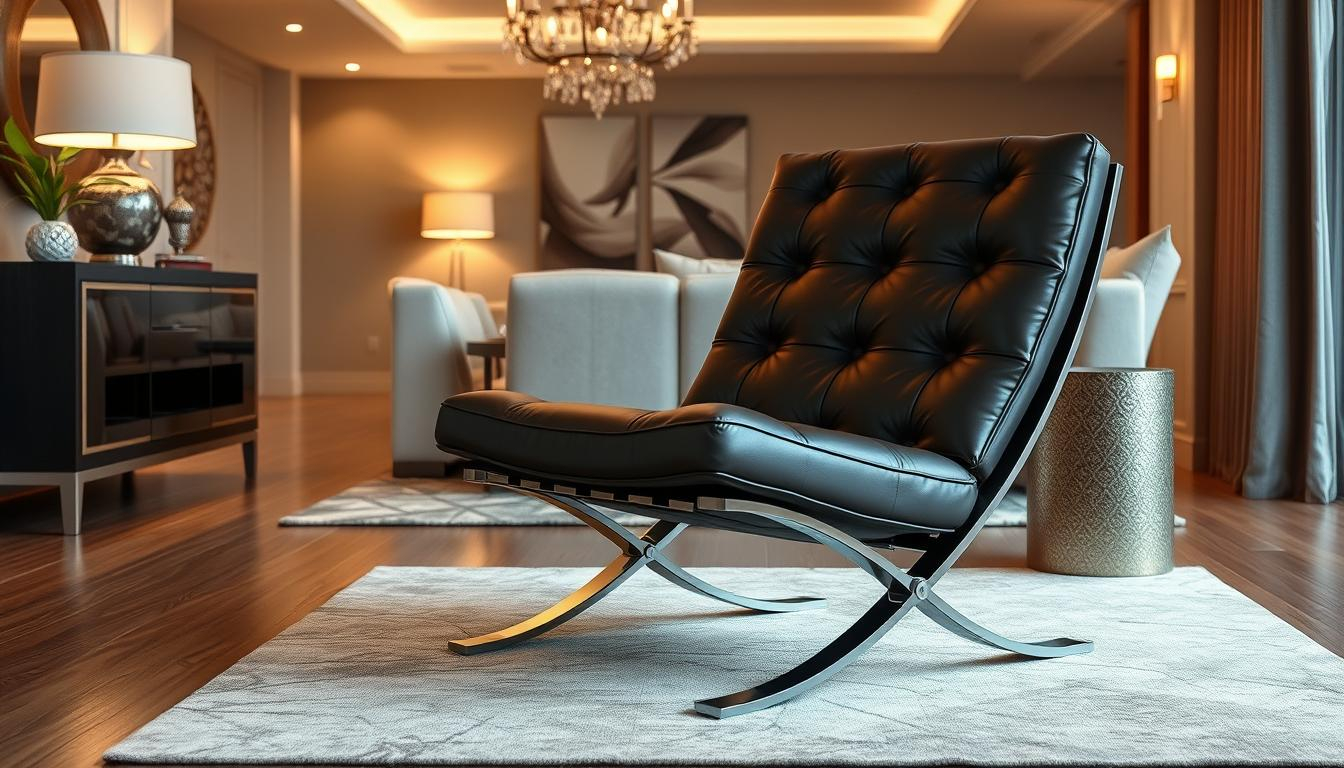
Lighting can make or break the cozy factor. Overhead fluorescent lights are the enemy of the cozy Barcelona Chair setup. They highlight the glare on the steel. They make the leather look plastic. You need soft, diffused, warm light.
Place a floor lamp behind or beside the chair. Look for shades made of fabric, paper, or rattan. These materials scatter the light, creating a glow rather than a beam. A rattan lampshade, in particular, adds another layer of texture. It’s woven, intricate, and warm-toned. It pairs beautifully with the industrial steel of the chair.
The color temperature of your bulbs matters. Stick to 2700K or lower. This is the "warm white" range. It mimics candlelight. It makes skin tones look better and makes the room feel intimate. In the evening, turn off the big lights and let the lamp do the work. The steel of the chair will catch the low light and glimmer softly, rather than glaring harshly.
Consider a table lamp on that wooden side table we talked about. A ceramic base with a linen shade. Ceramic is earthy. It’s handmade. It adds weight and warmth. The combination of the ceramic lamp, the wooden table, and the steel chair is a trifecta of material diversity. It keeps the eye moving. It keeps the brain engaged. It feels rich.
Finally, remember that a space isn’t cozy because of the objects. It’s cozy because of how it’s used. A Barcelona Chair covered in perfect, untouched throws is a showroom. A Barcelona Chair with a book left on the seat, a mug ring on the table, and a throw slightly crumpled is a home.
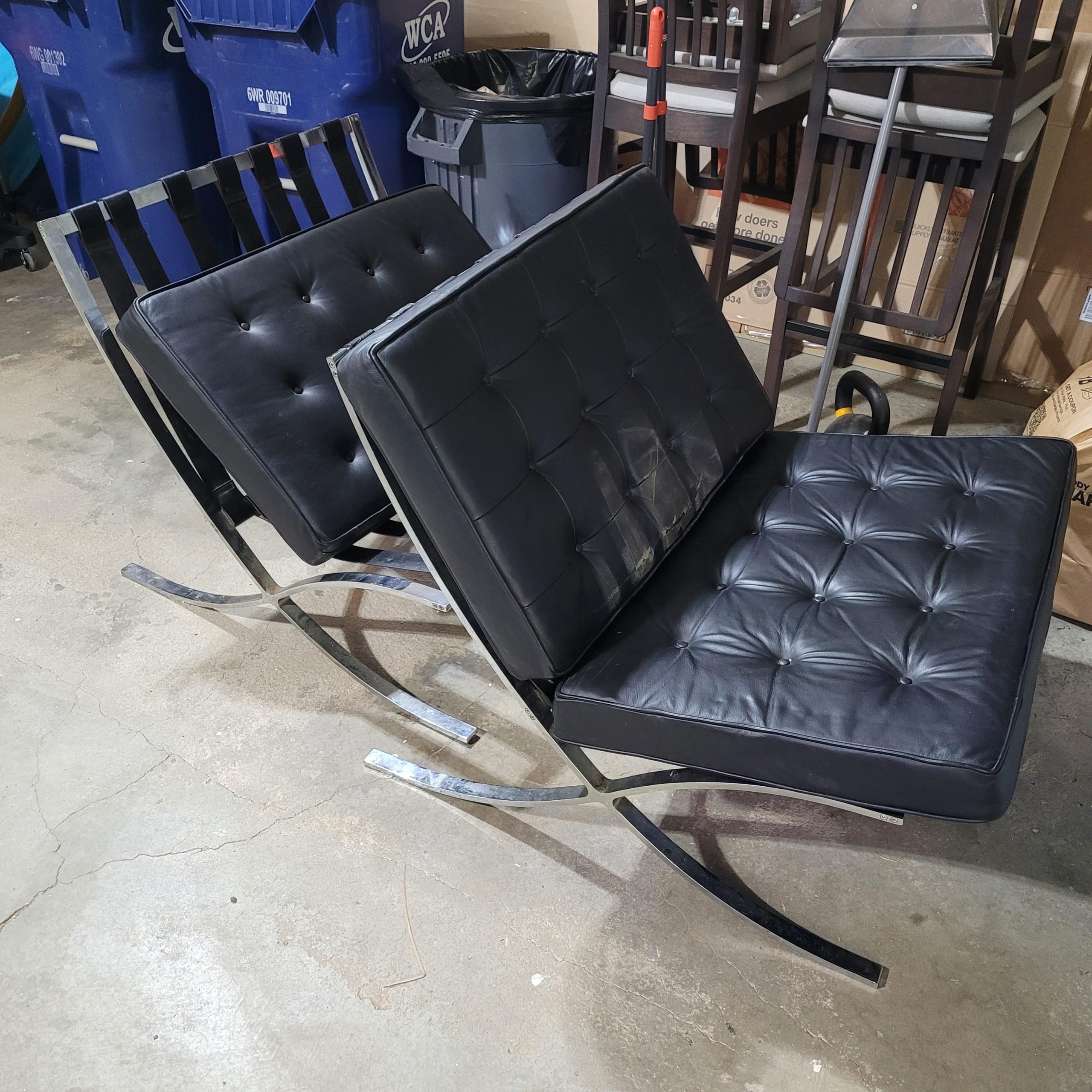
Don’t be precious. Let the leather crease. That’s called patina. It’s beautiful. Let the wool pill a little. It means it’s being used. The goal of mixing warm textures isn’t to create a pristine display. It’s to create a sanctuary. A place where you can read, nap, think, or chat.
Invite people to sit. Watch how they interact with the chair. Do they pull the throw closer? Do they kick their shoes off onto the rug? These are signs you’ve got it right. If they hesitate, if they look afraid to wrinkle the fabric, you’ve gone too far in the other direction. Loosen up. Add more softness. Make it inviting.
In 2026, we value authenticity. We value spaces that reflect who we are, not just what we buy. The Barcelona Chair is a masterpiece, but it’s just a tool. You are the designer of your life. Use the chair to support you, literally and figuratively. Wrap it in the things you love. The soft blankets, the warm woods, the gentle lights. Make it yours.
So, go ahead. Buy the chair if you haven’t. Or dust off the one you’ve had for years. Then, go find the roughest, softest, warmest throw you can find. Drape it over the back. Turn on the lamp. Sit down. Take a breath. Feel the difference. It’s not just furniture. It’s feeling. And that’s what home is all about.