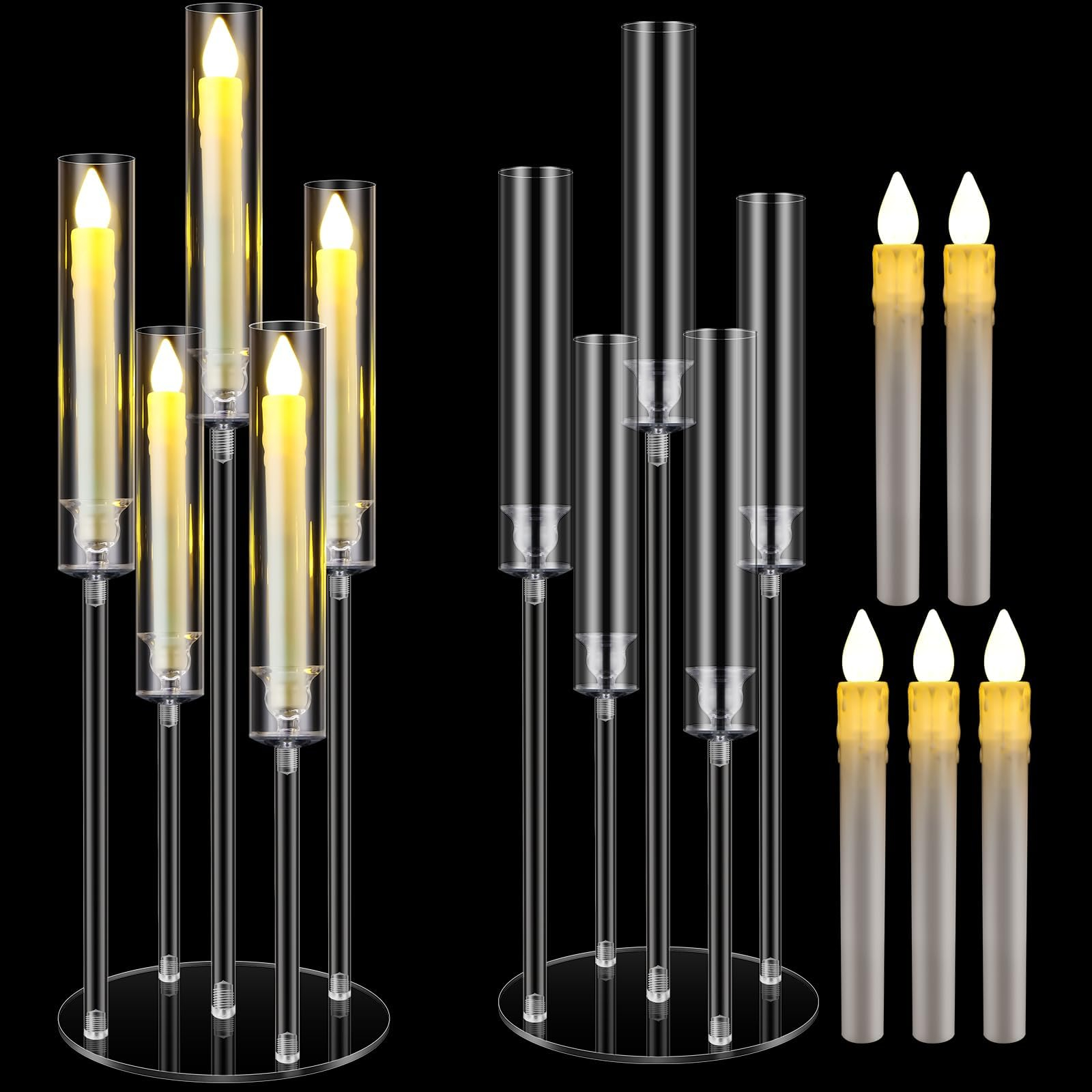
There’s something undeniably primal about fire. We gather around it. We stare into it. It makes us feel safe, warm, and a little bit mesmerized. For decades, if you wanted that flickering, dancing light in your home, you had two choices: deal with the soot and danger of real candles, or settle for those tacky, plastic-looking electric imitations that buzzed and smelled like burning dust. But things have changed. Drastically.
Today, the humble light bulb has undergone a quiet revolution. Specifically, the flame tip LED. You’ve probably seen them in chandeliers or vintage-style sconces, mimicking the shape of a candle flame. But do they actually work? Do they look cheap? Or have we finally cracked the code on artificial ambiance? Interior designers have been wrestling with this question for years, and by 2026, the verdict is in. It’s not just about saving energy anymore. It’s about capturing a feeling. And surprisingly, these little bulbs are getting really good at it.
Let’s be honest though. Lighting is tricky. Get it wrong, and your beautiful living room feels like a dentist’s office. Get it right, and it feels like a hug. So, what do the pros know that the rest of us might be missing? It turns out, it’s less about the bulb itself and more about how you use it. The flame tip LED isn’t just a replacement; it’s a design tool. And like any tool, you need to know how to wield it.
The Evolution from Gimmick to Genuine Ambiance
Remember those old "flame effect" bulbs from the nineties? They were bright orange, rotated mechanically, and looked nothing like real fire. They were a novelty, sure, but no self-respecting designer would put one in a client’s dining room. Fast forward to 2026, and the technology has matured. We aren’t talking about spinning plastic flags inside a glass shell anymore. We’re talking about sophisticated LED filaments that mimic the irregular, organic dance of a real flame.
The key difference lies in the randomness. Real fire doesn’t flicker in a pattern. It jumps, dips, and flares unpredictably. Early LEDs tried to simulate this with simple on-off cycles, which felt robotic. Newer generations use micro-processors to create chaotic flicker patterns that are nearly indistinguishable from the real thing at a glance. This subtle shift matters. When the light behaves naturally, our brains accept it as natural. We relax. The space feels alive.
Designers have embraced this because it solves a major aesthetic problem. We love the look of exposed bulbs in pendant lights and chandeliers. But standard clear LEDs can look harsh, like tiny stars staring back at you. The flame tip shape diffuses that intensity. It softens the source. Plus, with advances in color temperature control, these bulbs now offer that coveted 2200K to 2700K glow—the sweet spot that mimics incandescent warmth without the heat output. It’s a huge win for creating intimate spaces.
Choosing the Right Color Temperature and Brightness
One of the biggest mistakes homeowners make is assuming all "warm" lights are created equal. They aren’t. In the world of LED flame tips, color temperature is everything. If you buy a bulb labeled "warm white" but it sits at 3000K, it’s going to look clinical in a cozy setting. Designers typically hunt for bulbs in the 2200K to 2400K range for these specific fixtures. This ultra-warm spectrum replicates the glow of a candle or a sunset, triggering a psychological response of calm and relaxation.
Brightness, or lumens, is the other half of the equation. Here’s a pro tip: dimmer is usually better for flame effects. A blazing bright flame-tip LED defeats the purpose. You want the illusion of a gentle glow, not a spotlight. Most designers recommend bulbs between 200 and 400 lumens for table lamps and sconces. If you’re lighting a large chandelier, you might go slightly higher, but only if the fixture has multiple arms to distribute the light. Over-lighting kills the mood. It’s about shadows as much as it is about illumination.
Also, pay attention to the CRI, or Color Rendering Index. This measures how accurately a light source reveals colors compared to natural light. For flame tip LEDs, a CRI of 90 or above is ideal. Why? Because low-CRI bulbs can make skin tones look washed out and wood finishes look dull. High-CRI LEDs ensure that the warm glow enhances the richness of your furniture and decor, rather than flattening it. It’s a small spec on the box, but it makes a massive difference in how the room feels.
Fixture Compatibility and Visual Integration
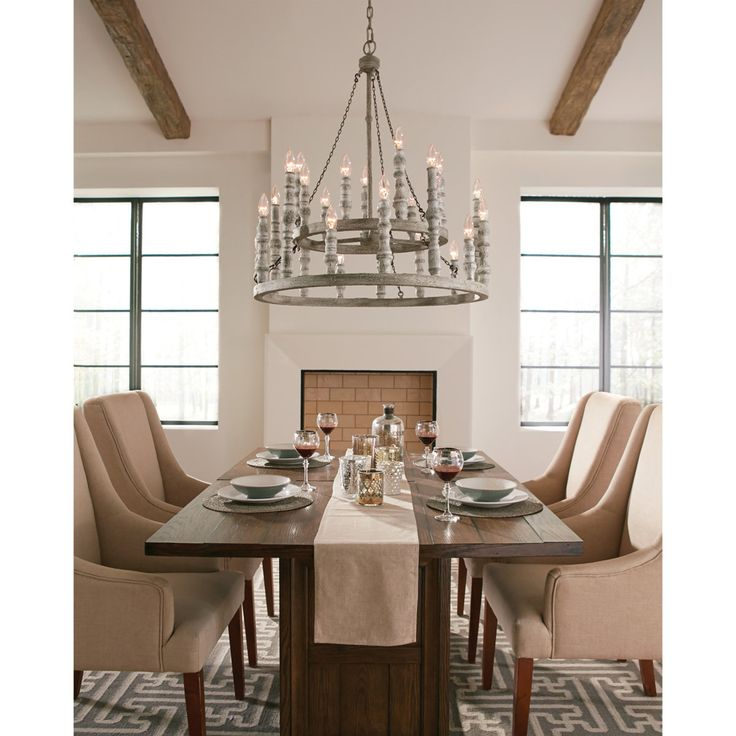
You can have the best bulb in the world, but if it’s in the wrong fixture, it’s going to look awkward. Flame tip LEDs are designed to be seen. They are decorative elements first, light sources second. This means the fixture needs to showcase the bulb’s shape. Open-arm chandeliers, wall sconces with upward-facing shades, and minimalist pendant lights are perfect candidates. Avoid enclosed fixtures where the bulb is hidden behind frosted glass; you’ll lose the flame effect entirely.
Scale is crucial too. A tiny flame tip bulb in a massive, industrial-style fixture will look lost. Conversely, a large, bulky LED in a delicate crystal sconce will look clunky. Designers often bring physical samples to site visits to check proportions. They look at the ratio of the bulb to the socket and the surrounding hardware. The goal is harmony. The bulb should feel like an intentional part of the design, not an afterthought.
Another consideration is the base type. While E26 (standard medium) and E12 (candelabra) are common, not all flame tip LEDs fit every socket snugly. Some have larger housing units due to the internal electronics needed for the flicker effect. Always check the dimensions before buying. There’s nothing worse than installing a bulb only to find it sticks out two inches past the shade, ruining the silhouette. Attention to these details separates a polished look from a DIY disaster.
The Psychology of Flicker and Mood Setting
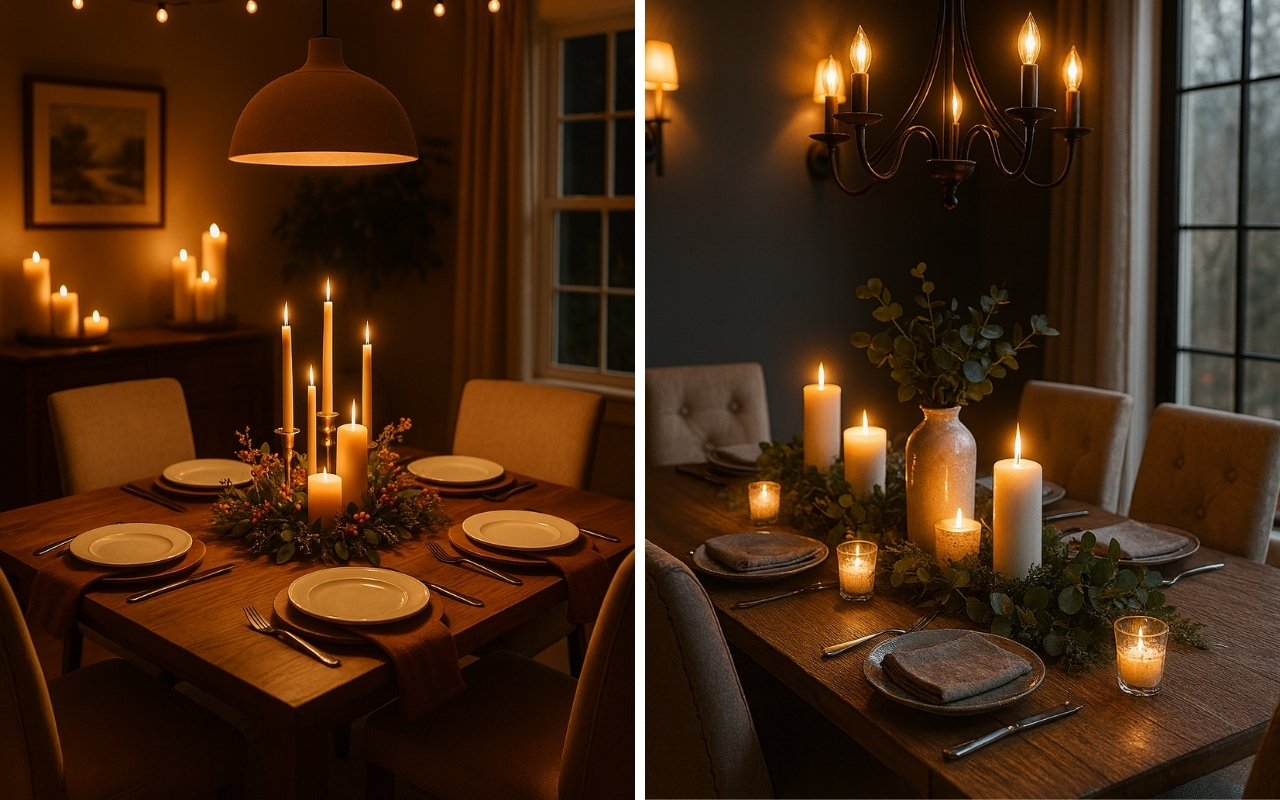
Why do we love fire? It’s not just the heat. It’s the movement. Static light is functional; moving light is emotional. The subtle flicker of a flame tip LED engages our peripheral vision in a way that steady light does not. It creates a sense of dynamism in a still room. This is why designers use them in spaces meant for conversation and relaxation—living rooms, dining areas, and bedrooms. The flicker slows down our perception of time. It encourages us to linger.
However, there’s a fine line between soothing and seizure-inducing. Poorly made LEDs flicker at a frequency that can cause eye strain or headaches, even if you don’t consciously notice it. This is known as invisible flicker. High-quality designer-grade bulbs use high-frequency modulation to ensure the flicker is smooth and natural, not jagged or rapid. When shopping, look for terms like "smooth dimming" or "flicker-free technology" (in the context of steady states) alongside the flame effect feature. Reviews are your friend here.
In 2026, we’re also seeing smart integration play a role. Some advanced flame tip LEDs can sync with music or adjust their flicker intensity based on the time of day. Imagine a dinner party where the lights subtly pulse slower as the evening progresses, guiding the energy of the room from lively to intimate. It’s not just lighting; it’s atmospheric storytelling. Designers are using these tools to craft experiences, not just illuminate spaces. The bulb becomes a participant in the social dynamic.
Energy Efficiency Meets Aesthetic Luxury
For a long time, there was a trade-off. You could have efficient lighting, or you could have beautiful lighting. Rarely both. LED technology has shattered that myth. Flame tip LEDs use a fraction of the energy of incandescent candelabra bulbs—often 80-90% less. This means you can leave them on longer without guilt. For designers, this opens up creative possibilities. You can use more fixtures, layer light more aggressively, and create deeper pools of illumination without worrying about the electric bill skyrocketing.
Longevity is another factor. Traditional incandescent flame bulbs burn out quickly, especially when used in enclosed fixtures or on dimmers. LEDs last for years, sometimes decades. This reduces maintenance hassle, which is a huge selling point for clients with high ceilings or hard-to-reach chandeliers. No one wants to drag out a ladder every three months to change a bulb. The reliability of LEDs allows designers to specify them in commercial spaces and high-traffic residential areas with confidence.
But let’s talk about the luxury aspect. Sustainability is increasingly seen as a hallmark of modern luxury. Clients want homes that are not only beautiful but responsible. Using high-efficiency LEDs aligns with these values. It shows a thoughtful approach to design that considers both aesthetics and impact. When a designer specifies a premium flame tip LED, they’re signaling that the project is forward-thinking. It’s a small detail, but it contributes to the overall narrative of a well-curated, conscientious home.
Despite the advancements, there are still traps to avoid. One common issue is the "orange tint" problem. Some cheaper flame effect bulbs rely heavily on orange-colored coatings to simulate fire, which distorts the light quality and makes everything in the room look jaundiced. Stick to bulbs that use filament technology rather than colored glass. The light should be warm, yes, but it should still render whites and neutrals accurately. If your white walls look yellow, you’ve got the wrong bulb.
Another pitfall is mixing incompatible technologies. Don’t mix flame tip LEDs with standard clear LEDs in the same fixture unless you’re very careful about color matching. The difference in hue and brightness will be jarring. Consistency is key. If you’re retrofitting an existing chandelier, replace all the bulbs at once. Also, be wary of non-dimmable flame bulbs on dimmer switches. Even if they say they’re compatible, some older dimmers cause buzzing or uneven fading. Invest in LED-compatible dimmers to ensure smooth performance.
Finally, don’t ignore the context. A flame tip LED might look amazing in a rustic farmhouse kitchen, but it could feel out of place in a sleek, ultra-modern minimalist apartment. Context matters. Designers consider the architectural style and the existing decor before specifying these bulbs. They ask: Does this enhance the story of the space? Or does it distract from it? If it feels forced, it probably is. Trust your instincts. If it looks weird, it probably is. Step back, look at the whole picture, and adjust accordingly.
Lighting is the jewelry of the home. It’s the final touch that brings everything together. Flame tip LEDs, when chosen and placed with care, offer a unique blend of nostalgia and modernity. They remind us of simpler times—gatherings around the hearth, quiet evenings with a book—while leveraging the best of today’s technology. They’re not just bulbs; they’re mood setters.
So, next time you’re updating a fixture or refreshing a room, don’t just grab the cheapest bulb off the shelf. Think about the feeling you want to create. Do you want sterile efficiency? Or do you want warmth, movement, and life? The right flame tip LED can transform a flat, static room into a space that breathes. It’s a small change, but the impact is profound.
Experiment. Try different temperatures. Play with placement. See how the light interacts with your textures and colors. You might be surprised by how much a single bulb can change the vibe of a room. After all, design isn’t just about what you see. It’s about how you feel. And sometimes, that feeling starts with a gentle, flickering glow.