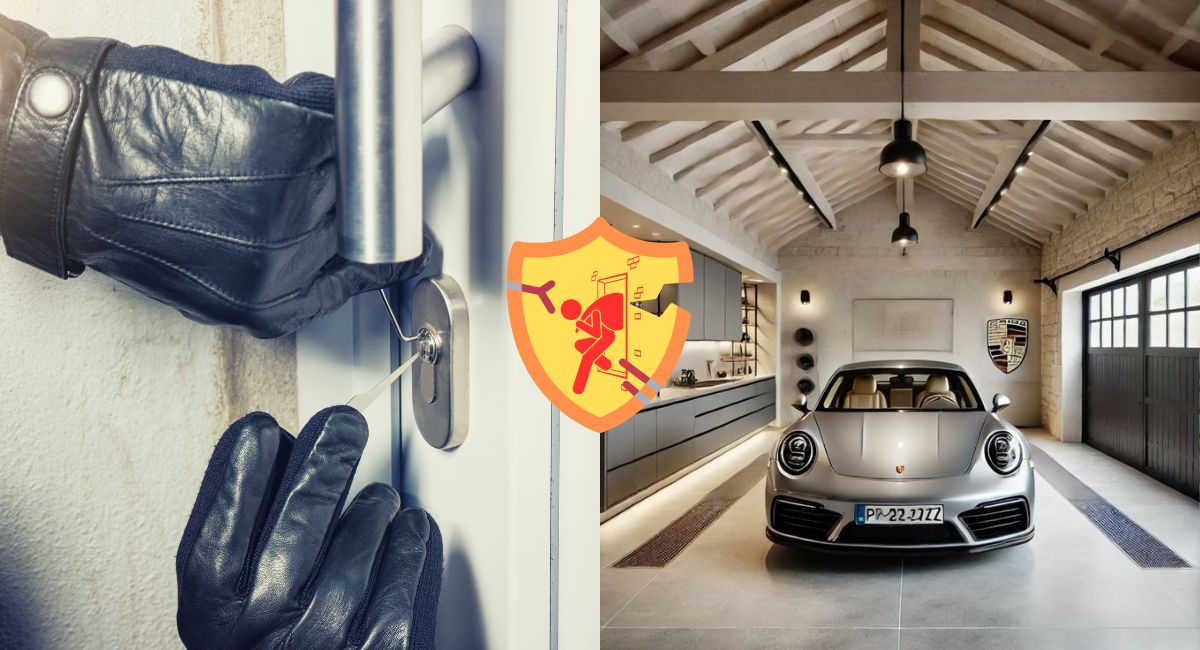
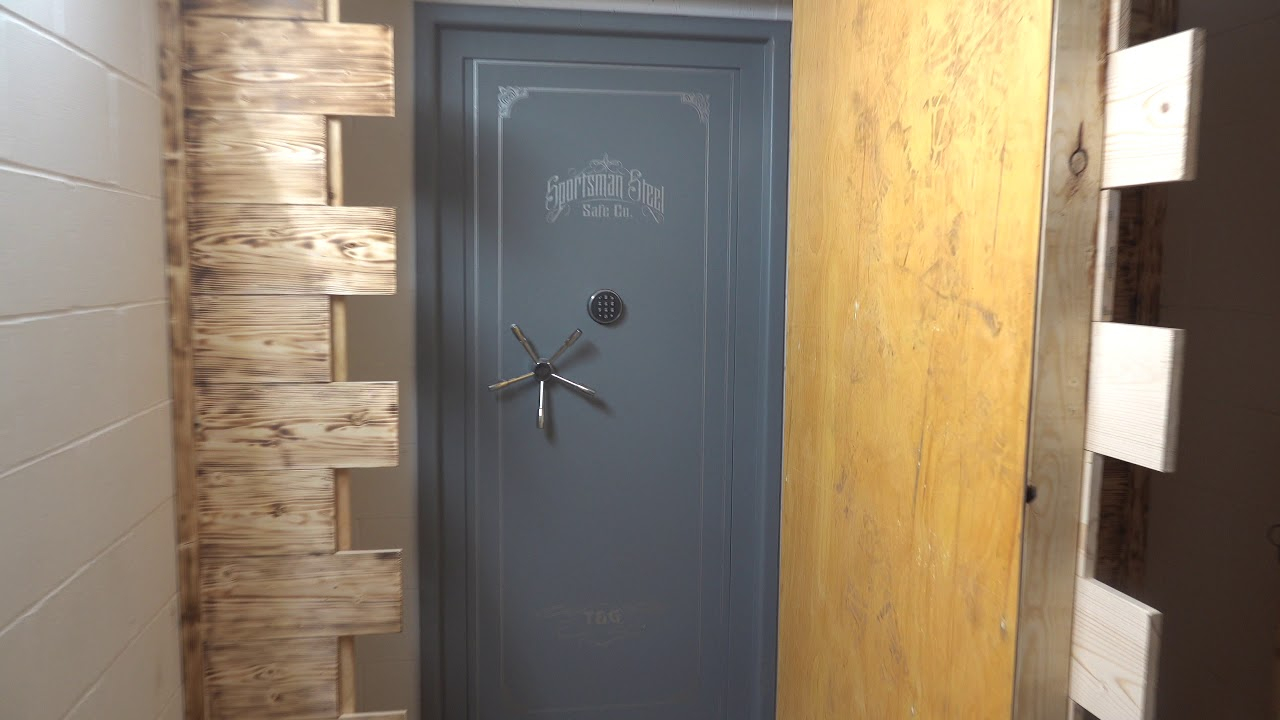
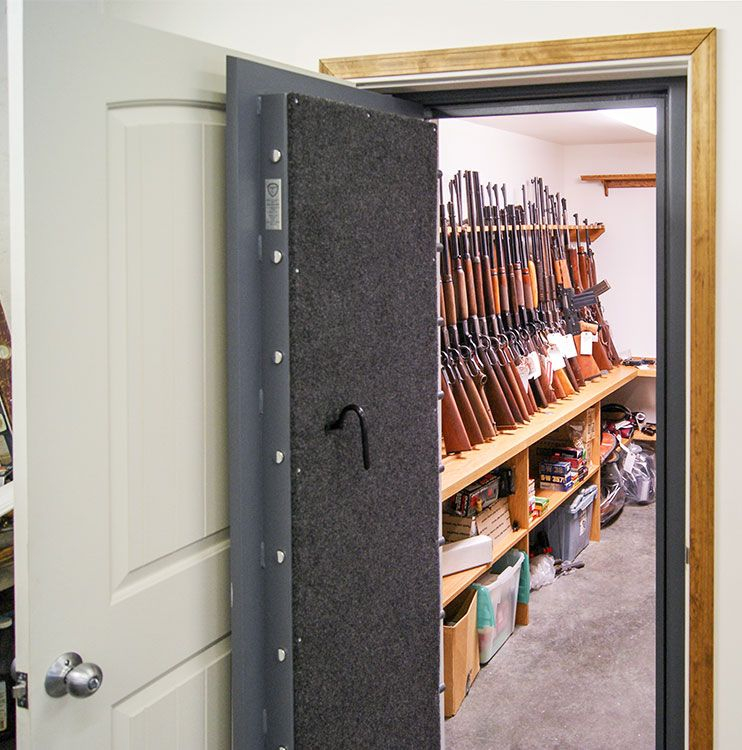
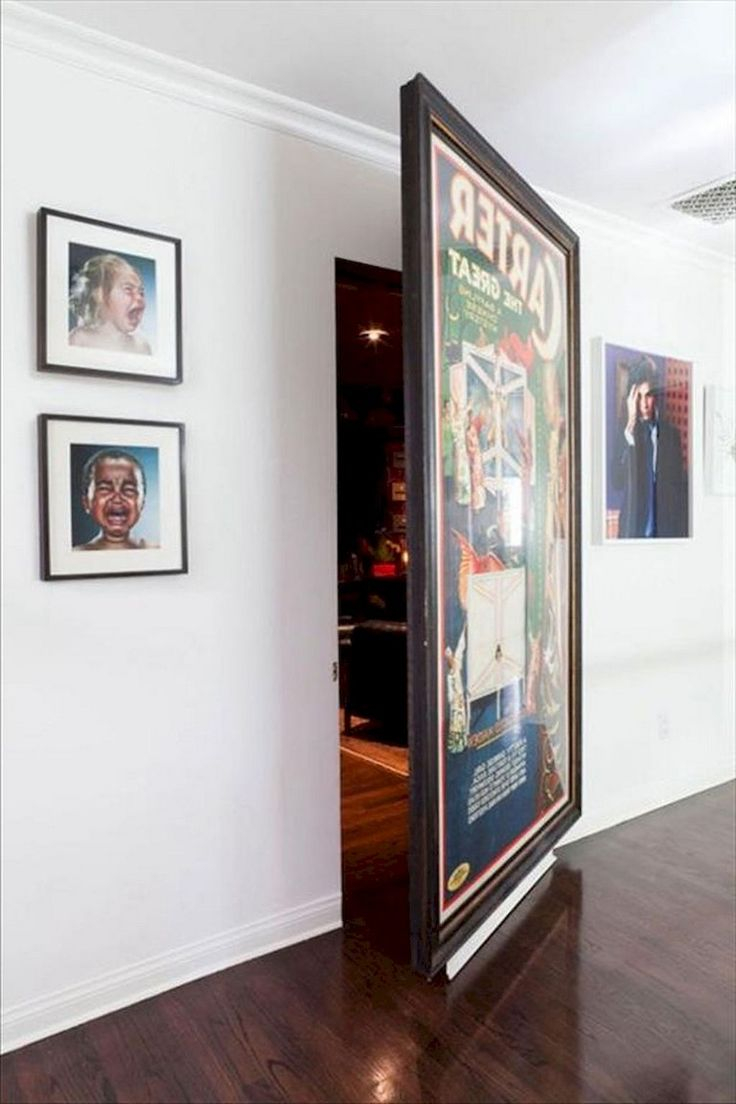
We’ve all seen the movies. The hero sprints down a dark hallway, slides into a hidden door behind a bookshelf, and locks themselves in a steel-lined vault beneath the floorboards. It looks cool. It feels secure. But if you’re thinking about building a real-life sanctuary for your family in 2026, that cinematic instinct might be leading you astray. Specifically, it’s leading you downstairs.
For decades, the basement has been the default choice for safe rooms. It’s out of sight, often reinforced with concrete, and feels like a bunker. But modern security experts and emergency planners are shifting their tune. The risks of flooding, limited access, and poor air quality are turning these underground fortresses into potential traps rather than refuges. Let’s talk about why going up—or staying on the main level—might just save your life.
The Water Problem You Can’t Ignore
Let’s be honest: water is everywhere. And it wants to get into your basement. Whether it’s a burst pipe, a heavy storm overwhelming local drainage, or a sewage backup, below-ground spaces are inherently vulnerable to moisture. In a panic room, this isn’t just about ruined carpet. It’s about survival gear.
Imagine storing weeks’ worth of non-perishable food, critical medical supplies, and expensive communication equipment in a room that smells faintly of damp earth. Now imagine a flash flood hitting your neighborhood. Even with the best sump pumps and waterproofing sealants, the risk remains. Fortified Estate notes that water damage can compromise perishable foods and drinks, but it goes deeper than that. Electronics fail in humidity. Paper documents mold. And if sewage backs up? That space becomes uninhabitable instantly.
You might think, “I’ll just raise everything off the floor.” But in a true emergency, you don’t have time to move items. You need to grab and go. If your safe haven is sitting in six inches of murky water, it’s not a haven. It’s a hazard. Modern builds in 2026 prioritize dry, stable environments for exactly this reason. Why gamble your family’s health on a foundation that fights a constant battle against the water table?
Access Is Everything When Seconds Count
Hollywood gets one thing right: panic rooms need to be hidden. But they get the location wrong. Most basements are accessed via a single staircase. Often, that staircase is at the back of the house, near the kitchen or a side door. If an intruder enters through that side door, you’re cut off. You’re trapped upstairs while your safe room is downstairs.
Nightlock® points out that access tends to be limited in basement setups. In a high-stress situation, fine motor skills deteriorate. Running down a narrow, potentially cluttered staircase while adrenaline is pumping is a recipe for a fall. A broken ankle doesn’t help you escape. Furthermore, if the threat is already in the lower level—say, a garage intrusion—you’re running directly toward danger to reach your safety zone.
Consider the layout of your daily life. Where do you spend most of your evening hours? Likely the living room or master bedroom. A panic room should be close to these primary living spaces. An interior room on the main floor or even a reinforced closet on the second story offers quicker, more intuitive access. You shouldn’t have to navigate a maze to find safety. The path needs to be short, clear, and defensible.
Air Quality and Ventilation Challenges
A panic room isn’t just a box; it’s a life-support system. You need fresh air. Basements are notorious for poor ventilation. They rely on mechanical systems to cycle air, and if the power goes out—which it often does during storms or targeted attacks—you’re relying on battery-backed fans or passive vents.
Passive vents in a basement are tricky. They need to be high enough to avoid floodwater but low enough to be inconspicuous. It’s a engineering headache. Worse, basements often suffer from radon accumulation or mold spores circulating in the HVAC system. In a sealed room, CO2 levels can rise quickly if the scrubbing system fails.
Modern safe rooms integrate tech like independent oxygen supplies or advanced filtration, but these are expensive and complex to maintain underground. On an upper floor, you can utilize existing roof vents or window wells (if reinforced) more easily. Securing The Universe highlights that modern rooms integrate technology for resilience. But that tech works best in a dry, accessible environment. Trying to keep a basement air-tight and breathable simultaneously is like trying to plug a leak with a sieve. It’s possible, but it’s fighting physics.
The Psychological Toll of "The Dungeon
Let’s talk about how it feels. Really feels. Being locked in a windowless, concrete-walled room underground can be psychologically taxing. For adults, it’s claustrophobic. For children, it’s terrifying. If you’re sheltering in place for hours or even days, the environment matters.
Custom Security Doors mentions that basement safe rooms can be "frankly, depressing." There’s truth to that. Lack of natural light disrupts circadian rhythms. The hum of dehumidifiers becomes maddening. In contrast, a well-designed safe room on the main floor can mimic a normal bedroom or office. It can have simulated daylight, comfortable seating, and a less oppressive atmosphere.
Mental resilience is part of survival. If your family is panicking because the space feels like a tomb, you’re adding stress to an already traumatic event. A room that feels like a part of the home, rather than a bunker buried beneath it, helps keep everyone calmer. Calm people make better decisions. Don’t underestimate the power of a window view—even if it’s bulletproof glass looking out at your garden.
Structural Realities and Cost Efficiency
You might assume building underground is cheaper because the walls are already there. Sometimes, that’s true. But reinforcing a basement against modern threats often costs more than you’d think. You’re fighting hydrostatic pressure from the outside soil. You need specialized waterproofing, heavy-duty sump pumps, and often, structural underpinning to prevent cracking.
Prepper Press suggests that while underground is protective, the ideal location depends on the existing layout. Retrofitting a basement door to be ballistic-rated is difficult. The frame needs to be anchored into concrete that might already be compromised by age or moisture. On the main floor, you’re working with wood or steel studs, which are easier to reinforce with Kevlar panels or steel plating.
Plus, consider egress. Building codes in many areas require two ways out of a habitable space. Basements often lack this. Adding a second exit means digging an exterior stairwell or installing an egress window, which breaks the "hidden" aspect of the room. On an upper floor, you can design a hidden passage to an adjacent closet or bathroom, providing a secondary escape route without major excavation. In 2026, smart design favors adaptability over brute force.
Context Matters: Tornadoes vs. Intruders
Here is the nuance: not all threats are the same. If you live in tornado alley, the basement is still king. Lake Martin Storm Shelters notes that for tornadoes, underground is ideal. The wind speeds and debris impact are so severe that above-ground rooms, even reinforced ones, carry higher risk. In that specific case, the water and access issues are secondary to not being blown away.
But for most homeowners, the primary concern isn’t an EF5 tornado. It’s home invasion, civil unrest, or localized disasters like fires. For these threats, the basement’s disadvantages outweigh its benefits. Fire smoke rises, but heat and toxic fumes can also sink into basements if ventilation fails. Intruders can block stairwells.
Know your risk profile. If you’re in an urban neighborhood, a reinforced interior room on the second floor keeps you away from street-level break-ins and gives you a vantage point. If you’re in a flood zone, the basement is a no-go. Tailor the location to the most likely threat. Don’t build a tornado shelter if you’re worried about burglars. Don’t build a burglary safe room if you’re worried about hurricanes. One size does not fit all.
So, where should you put it? Start by walking through your home. Identify the rooms furthest from exterior doors and windows. Look for interior spaces on the main or second floor. Consider a large walk-in closet in the master suite or a bathroom without external walls. These spots offer natural concealment and quick access.
Remember, a panic room doesn’t need to be a fortress. It needs to be a delay tactic. It buys you time until help arrives. A solid-core door with a heavy-duty lock and a simple communication device is often more effective than a million-dollar underground vault that you can’t reach. Focus on accessibility, air quality, and mental comfort.
In the end, safety is about more than steel and concrete. It’s about clarity, speed, and calm. By moving your safe space out of the damp, hard-to-reach basement and into the heart of your living area, you’re not just building a room. You’re building a realistic, usable lifeline. And that’s worth far more than any movie-style bunker.