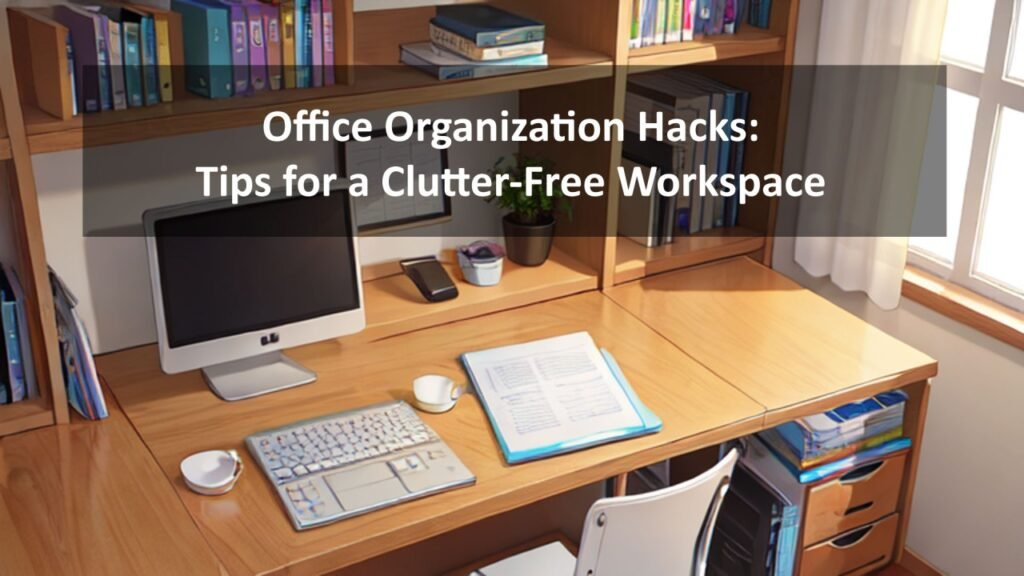
We’ve all been there. You sit down to work, ready to tackle the day, but your eyes drift downward. Instead of inspiration, you see a nest. A writhing, plastic snake pit of chargers, HDMI cords, and power bricks tangled beneath your monitor. It’s frustrating, isn’t it? That visual noise doesn’t just look bad; it actually clutters your mind. In 2026, where our home offices have become permanent fixtures for so many, the state of our desk reflects the state of our headspace.
But here is the good news. You don’t need to be an electrician or spend a fortune on high-tech gear to fix it. Organizing your wires isn’t about hiding them perfectly; it’s about creating a system that works for how you actually live and work. It’s about moving from chaos to clean, one cable at a time. Let’s dive into how you can reclaim your space without losing your sanity.
The Psychology of the Mess
Why do we let the wires get so bad in the first place? It’s usually because we treat cable management as an afterthought. We buy a new mouse, plug it in, and toss the extra cord behind the desk. We add a second monitor and drape the cable over the edge. Over months, these small decisions compound into a massive headache. Research consistently shows that visual clutter competes for your attention, making it harder to focus and increasing stress levels. When your environment feels out of control, your work often follows suit.
Think about the last time you had to unplug something to charge your phone or swap out a peripheral. Did you have to crawl under the desk? Did you pull the wrong cord by mistake? That friction adds up. It creates a subtle resistance to starting tasks. By taking control of the physical infrastructure of your workspace, you remove those tiny barriers. It’s not just about aesthetics; it’s about reducing cognitive load. A clean desk signals to your brain that it’s time to focus, not time to untangle.
Moreover, there is a safety aspect that often gets ignored until it’s too late. Tripping hazards are real, especially in smaller home offices where space is tight. Dust bunnies love to cling to static-charged cables, creating fire risks or overheating issues for power bricks that are buried under piles of other wires. Addressing the mess is a proactive step toward a safer, healthier work environment. It’s a form of self-care that doesn’t involve a spa day, just some velcro ties and ten minutes of effort.
Audit and Declutter Before You Buy
Before you rush out to buy cable sleeves or adhesive clips, stop. Take a look at what you actually have. Most of us are holding onto cables "just in case." That mini-USB cord from a camera you sold in 2019? Toss it. The proprietary charger for a device you no longer own? Recycle it. This audit phase is crucial because you can’t organize clutter. You have to eliminate it first. Gather every single cable connected to your desk setup and lay them out on the floor.
As you sort through them, ask yourself two questions: Do I use this daily? And does it need to be plugged in right now? If the answer to the first question is no, store it in a labeled box away from your desk. If the answer to the second is no, unplug it. You might be surprised by how many ports on your power strip are occupied by devices you haven’t touched in weeks. This simplification makes the actual organizing part much easier. You’re left with only the essential lifelines of your workflow.
This is also the perfect time to check the condition of your remaining cables. Are any frayed? Is the insulation cracking? Replace them now. It’s better to invest in a high-quality, durable cable than to deal with a faulty connection mid-presentation. While you’re at it, measure the lengths. One of the biggest mistakes people make is using cables that are way too long. Excess length creates loops and slack that are difficult to hide. If a six-foot cable reaches with room to spare, swap it for a three-foot one. Shorter cables are naturally tidier.
Choose the Right Tools for the Job
Now that you know what you’re working with, let’s talk tools. You don’t need expensive, proprietary systems. In fact, some of the best solutions are surprisingly simple. Velcro ties are the gold standard for a reason. Unlike zip ties, which are permanent and can damage cables if cut incorrectly, velcro is reusable and adjustable. They allow you to bundle cables together neatly while still leaving room for changes. Get a pack of various sizes; you’ll use them more than you think.
For routing cables along the edges of your desk, adhesive clips are invaluable. Look for ones with a strong adhesive backing, but be careful with placement. Test a small area first to ensure they don’t peel off your desk’s finish. These clips keep individual cables from sliding off the back of the desk and dangling into the abyss. Another great tool is the cable sleeve or wrap. This is a flexible tube that bundles multiple cables running in the same direction into a single, clean line. It’s particularly useful for the main trunk of wires going from your desk to the wall outlet.
Don’t forget about power management. A standard power strip is often the source of the bulkiest mess. Consider a mounted power strip holder that attaches to the underside of your desk. This lifts the heavy brick off the floor and keeps it accessible. Alternatively, look into a desktop power hub with USB-C ports built-in. This reduces the number of bulky AC adapters you need to plug in, streamlining the whole setup. The goal here is to reduce the number of distinct items you have to manage. Fewer bricks mean less clutter.
The Under-Desk Strategy
The area beneath your desk is the engine room of your setup. It’s out of sight, but if it’s a mess, it will eventually cause problems. Start by identifying the main pathways. Where do the cables need to go? Usually, they travel from the devices on the desk down the legs to the floor or wall. Create a "spine" for your cables using a cable tray or a simple tension rod installed between the desk legs. This gives you a dedicated place to rest the bulk of your wiring, keeping it off the floor and away from your feet.
Group your cables by function. Keep power cables separate from data cables if possible, as this can sometimes reduce interference, though for most modern home setups, the bigger benefit is organizational clarity. Use your velcro ties to bundle cables that run parallel to each other. For example, tie the monitor power cord and the HDMI cable together every few inches. This prevents them from splaying out and looking messy. Leave a little slack near the devices themselves so you can move your monitor or keyboard slightly without pulling the plugs out.
Labeling is a step many people skip, but it’s a lifesaver. Use simple tags or even pieces of masking tape to label both ends of critical cables. "Monitor Left," "PC Power," "Printer." When something goes wrong—and it will—you won’t have to trace a wire from the wall to the device to figure out which one to unplug. This small investment of time saves huge amounts of frustration later. It turns a potential hour-long detective game into a five-second fix.
Managing the Desktop Surface
While under-desk organization is key, the surface of your desk is what you see all day. The goal here is invisibility. Cables should disappear as soon as they leave the device. Use grommets if your desk has them. If not, consider adding a cable pass-through box. These are sleek containers that sit on the desk or mount underneath, hiding the power strip and the excess coil of wires. They provide a clean exit point for cables, preventing them from spilling over the edge.
For peripherals like keyboards and mice, wireless options are obviously the cleanest choice. However, if you prefer wired connections for latency or reliability reasons, use a mouse bungee or a simple clip to keep the cord lifted off the desk surface. A dragging cable creates friction and looks messy. Keeping it elevated allows for smooth movement and maintains that minimalist aesthetic. Same goes for headphones; a simple stand or hook keeps the cord from coiling into a knot when not in use.
Pay attention to the charging station. This is often the biggest offender on the desktop. Instead of having three different charging bricks plugged into a strip, use a multi-port GaN charger. These compact devices can charge your phone, tablet, and laptop simultaneously from a single plug. Place it in a designated spot, perhaps on a small tray or inside a cable box, and route the short charging cables neatly to your devices. This consolidates the clutter into one manageable unit rather than letting it spread across the entire desk.
Organization isn’t a one-time event; it’s a habit. Set a reminder in your calendar for every six months to do a quick "wire check." Dust accumulates, velcro loses its stickiness, and new devices arrive. A quick five-minute tidy-up prevents the slow creep of chaos from returning. During this check, re-tie any loose bundles and wipe down the cables. It’s surprising how much cleaner everything looks when the dust is gone.
As technology evolves, so will your needs. In 2026, we’re seeing more wireless charging surfaces built directly into desks and monitors. Embrace these technologies where they make sense, but don’t feel pressured to upgrade everything at once. The best system is the one that adapts to you. If you find a certain clip isn’t working, replace it. If a cable is too short, get a longer one. Treat your setup as a living organism that grows and changes with your work habits.
Finally, be kind to yourself. Perfection is not the goal. Functionality is. If a cable is hidden but hard to reach, it’s not a good system. If it looks perfect but falls apart when you plug in your phone, it’s failed. The aim is a balance between form and function. A workspace that supports your productivity without demanding constant maintenance. When you achieve that balance, you’ll find that the calm in your workspace translates to a calm in your mind. And really, isn’t that what we’re all looking for?