Let’s be honest for a second. Your back hurts. Maybe it’s that dull ache right above your hips, or perhaps it’s the sharp pinch between your shoulder blades after a long Tuesday of Zoom calls. We’ve all been there. You scroll through social media, and suddenly you’re convinced that the only way to fix your posture is to drop twelve hundred dollars on a chair with a name you can’t pronounce. It feels like everyone is selling you a lifestyle, not just a piece of furniture. But here’s the thing: you don’t need a luxury price tag to sit comfortably. Not anymore.
The landscape of home office gear has shifted dramatically in 2026. Hybrid work isn’t a temporary glitch; it’s the new normal. And with that permanence comes a sobering stat from the Ergo Institute: nearly 72% of remote workers are dealing with chronic back pain due to poor seating choices. That’s a lot of sore spines. But while the problem is widespread, the solution doesn’t have to break the bank. The market is flooded with options that promise the moon but deliver dust. So, how do you find the gold? You stop listening to the hype and start looking at the mechanics.
This isn’t about finding the cheapest chair possible. It’s about finding the right chair. We’re talking about models under $500 that actually adjust to your body, support your lumbar region, and don’t fall apart after six months. It’s about value, not vanity. In this guide, we’re cutting through the flashy ads and influencer sponsorships to look at what really matters when you’re sitting down for eight hours a day. Let’s get into the nitty-gritty of how to sit better, spend less, and avoid the traps that catch so many of us.
The Great Chair Illusion: Why Price Doesn’t Equal Comfort
We have been conditioned to believe that expensive equals better. It’s a mental shortcut we take because we assume big brands have secret formulas for comfort. But in the chair world, that logic often fails. A huge chunk of the price tag on those famous high-end chairs goes toward branding, celebrity endorsements, and sleek marketing campaigns. You aren’t paying for extra cushion; you’re paying for the logo. In 2026, this gap is wider than ever. Many mid-range and budget brands are now using the same manufacturing techniques and materials as the giants, just without the massive advertising budget.
Take a look at some of the "overrated" chairs flagged by industry watchers recently. They often feature gimmicky features—like built-in speakers or RGB lighting—that add zero ergonomic value. These distractions inflate the cost while compromising on the basics. When you strip away the noise, what you’re left with is a seat, a backrest, and some adjustments. If those three things aren’t dialed in, no amount of leather stitching is going to save your lower back. The illusion is that you need premium materials to feel good. The reality? You need proper alignment.
This shift in consumer awareness is forcing traditional manufacturers to rethink their strategies. Newer disruptors like SIHOO and Nochaus are gaining traction precisely because they focus on function over form. They aren’t trying to sell you a status symbol; they’re selling you a tool for work. By skipping the hype, you free up your budget to prioritize what actually impacts your health: adjustability, support, and durability. It’s a liberating realization. You don’t have to be rich to sit well. You just have to be smart.
What Actually Matters: The Non-Negotiables for Your Spine
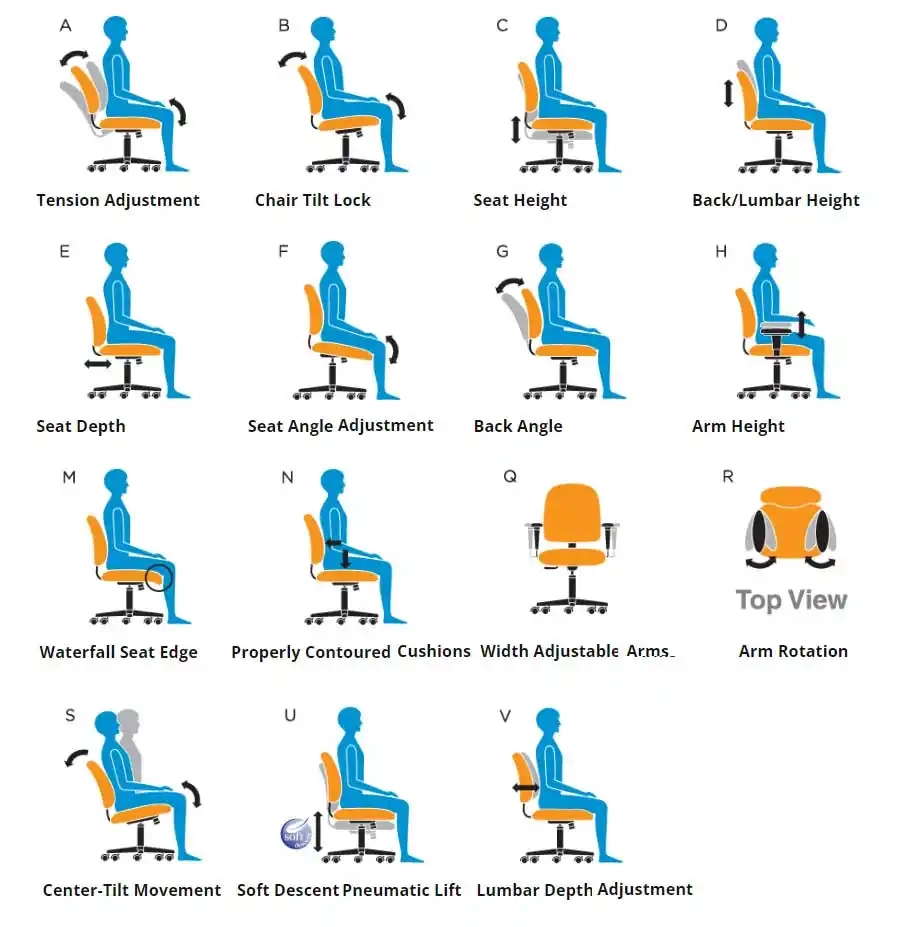
So, if we ignore the brand name, what should we look for? It boils down to a few critical features. First and foremost is lumbar support. This isn’t just a fancy term for a pillow. True lumbar support maintains the natural inward curve of your lower spine. Without it, your pelvis tilts backward, slouching your entire upper body. In 2026, the best budget chairs offer adjustable lumbar depth and height. Fixed lumbar supports are a gamble—they might hit the right spot for someone who is five-foot-ten, but if you’re shorter or taller, they’ll likely miss the mark entirely. Don’t settle for fixed if you can help it.
Next up is seat depth and material. Many people overlook seat depth, but it’s crucial for circulation. If the seat pan is too deep, it presses against the back of your knees, cutting off blood flow and causing numbness. If it’s too shallow, you lose thigh support. Look for chairs with sliding seat pans or at least a standard depth that fits your leg length. As for material, mesh is king for most home offices. It breathes. Foam and leather trap heat, turning your chair into a sauna after an hour. Breathable mesh keeps you cool and focused, which is a huge plus during those long afternoon slumps.
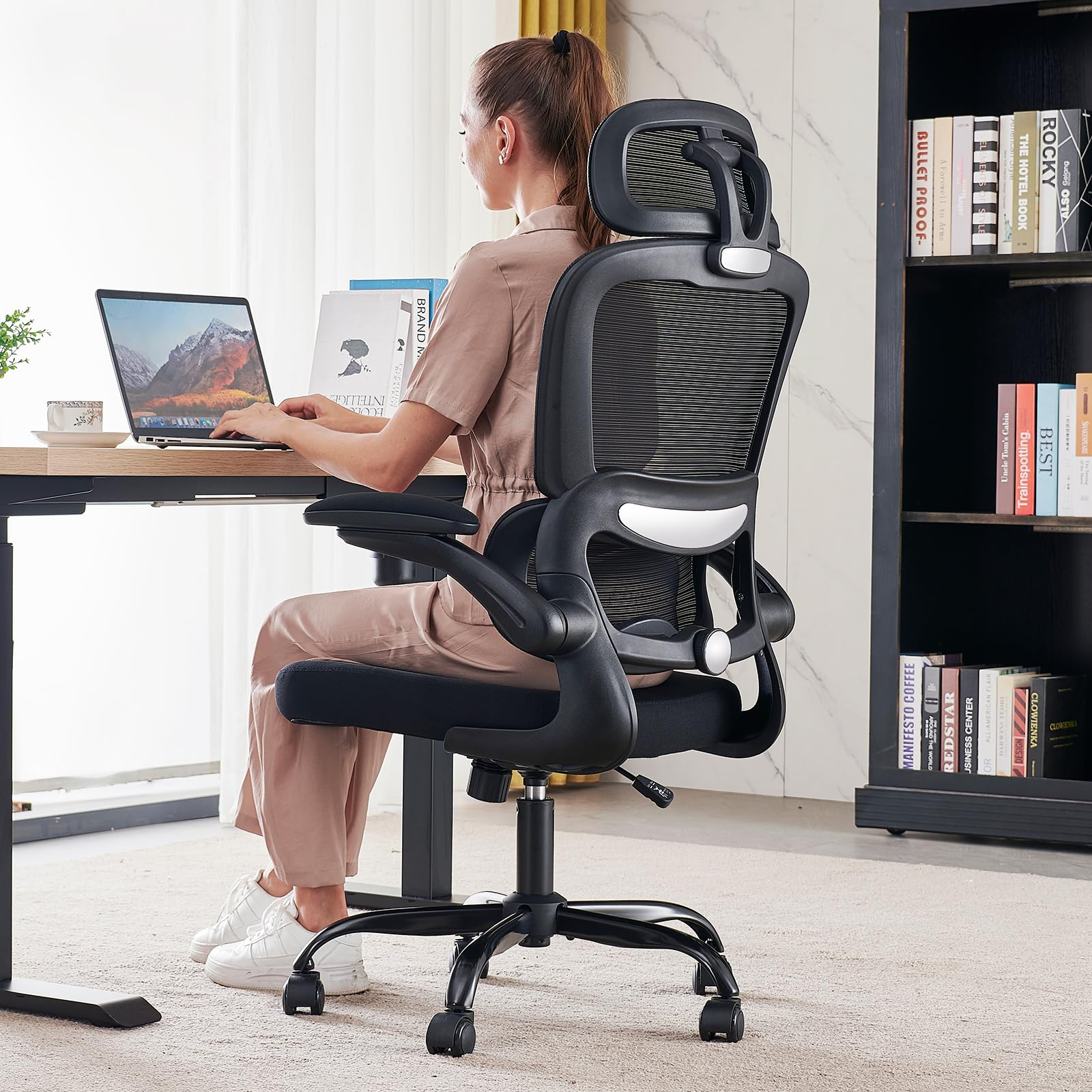
Armrests are another area where corners are often cut. Cheap chairs have fixed arms that force your shoulders up or out, leading to tension headaches and neck strain. You want 4D armrests—meaning they move up, down, forward, backward, and pivot. This allows your elbows to rest at a 90-degree angle while your hands are on the keyboard. It sounds minor, but over thousands of hours, those small adjustments prevent massive amounts of strain. When you’re hunting for a chair under $500, prioritize these mechanical adjustments over aesthetic flourishes. A ugly chair that fits your body is infinitely better than a pretty one that fights it.
Top Contenders: The Best Value Picks of 2026
Now for the part you’ve been waiting for. Which chairs actually deliver? Based on extensive testing and user feedback from early 2026, a few models stand out as clear winners in the sub-$500 category. First, let’s talk about the SIHOO Doro C300. It’s become a bit of a cult favorite for good reason. It offers dynamic lumbar support that moves with you, which is rare at this price point. The mesh is taut and supportive, not saggy. Users report that it holds up well even after daily use for over a year. It’s not perfect—the armrests could be slightly more robust—but for the price, it’s hard to beat the ergonomic package it offers.
Another strong contender is the Autonomous ErgoChair Core. While sometimes flirting with the $500 mark depending on sales, it frequently dips below that threshold. It’s known for its simplicity and solid build quality. The recline function is smooth, and the headrest is actually useful, unlike many add-on pillows that slip around. It’s a great option for people who want a no-fuss setup. Then there’s the Branch Ergonomic Chair. It leans a bit more into aesthetics, looking sleek in modern home offices, but it doesn’t skimp on function. The seat cushion is denser than typical mesh seats, which some people prefer if they don’t like the feeling of mesh against their legs.
Don’t sleep on the newer entrants either. Brands like Nochaus are pushing boundaries with modular designs. Their entry-level model allows you to swap out parts as they wear down, extending the life of the chair significantly. This sustainability angle is becoming more important to buyers in 2026. Instead of tossing a broken chair, you replace the cylinder or the armrest pad. It’s a smarter way to buy. Each of these chairs has its quirks, but they all share a common trait: they prioritize the human body over the marketing brochure. They are tools designed to help you work, not just objects to fill a room.
Common Traps: Mistakes That Cost You Comfort
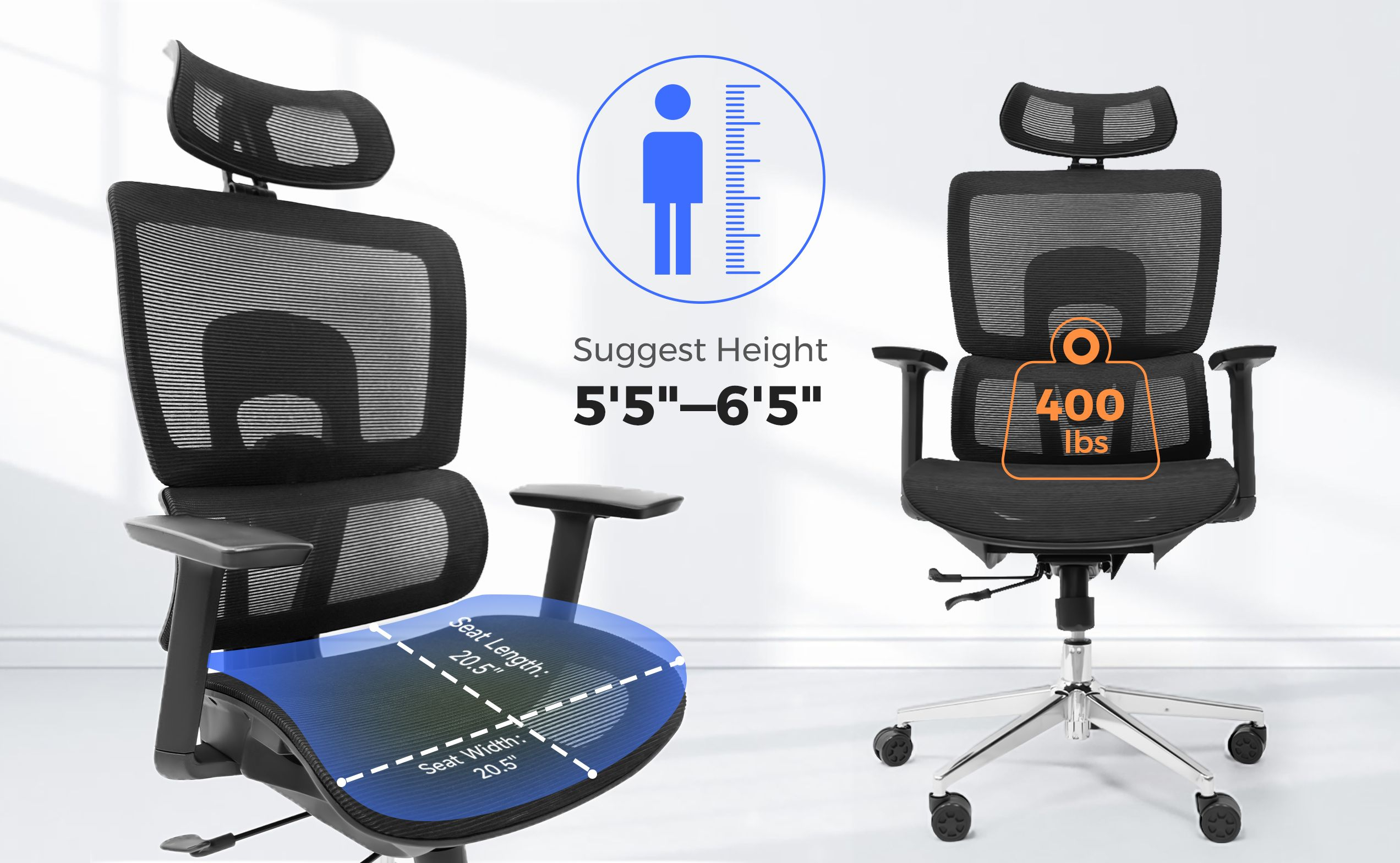
Even with the right information, it’s easy to mess up the purchase. One of the biggest mistakes people make is ignoring their own body dimensions. We tend to buy based on reviews from people who are average height and weight. But if you’re six-foot-four or under five-foot-two, "average" specs won’t work for you. Always check the weight capacity and the recommended height range. A chair rated for 250 pounds might feel flimsy if you’re near that limit, even if it’s technically within spec. Similarly, a chair designed for someone five-foot-nine will leave a five-foot-two person dangling, with their feet barely touching the floor.
Another trap is the "more features is better" myth. You don’t need a chair with massagers, heating elements, or app connectivity. In fact, these electronic components are often the first things to break. They add complexity and potential failure points without improving your posture. Stick to mechanical adjustments. Levers, knobs, and tension dials are reliable. They don’t need software updates, and they don’t run out of battery. Keep it simple. The best ergonomic chair is often the one with the fewest gadgets and the most precise mechanical fit.
Finally, don’t forget about the break-in period. Many people sit in a new chair for ten minutes, decide it’s uncomfortable, and return it. But your body needs time to adjust to proper posture, especially if you’ve been slouching for years. And the chair itself needs to settle. Mesh stretches slightly; foam compresses. Give any new chair at least two weeks of consistent use before judging it. If it still hurts after that, then it’s probably not the right fit. But don’t confuse the discomfort of correction with the discomfort of a bad product. Patience is key here.
Assembly and Setup: Getting It Right From Day One
You’ve bought the chair. It’s in boxes. Now what? Poor assembly can ruin even the best ergonomic design. I’ve seen countless forums filled with people complaining about wobbly bases or squeaky backs, only to find out they missed a washer or didn’t tighten the bolts in the correct order. Take your time. Lay out all the parts. Use the right tools. Most chairs come with a cheap Allen key, but using a proper ratchet can ensure you get a tighter, more secure fit. Make sure the gas lift is seated correctly in the base before you attach the seat mechanism. It sounds obvious, but it’s a common error.
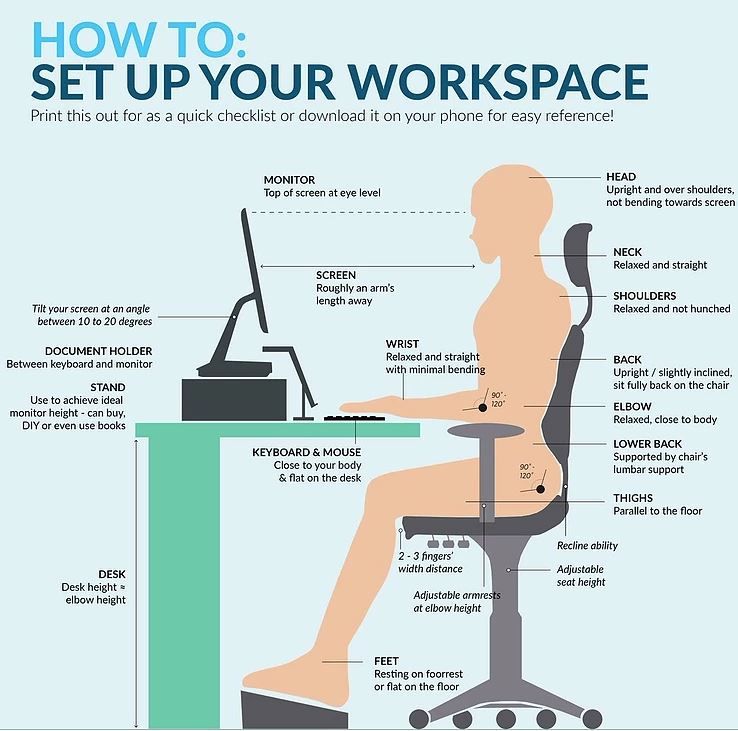
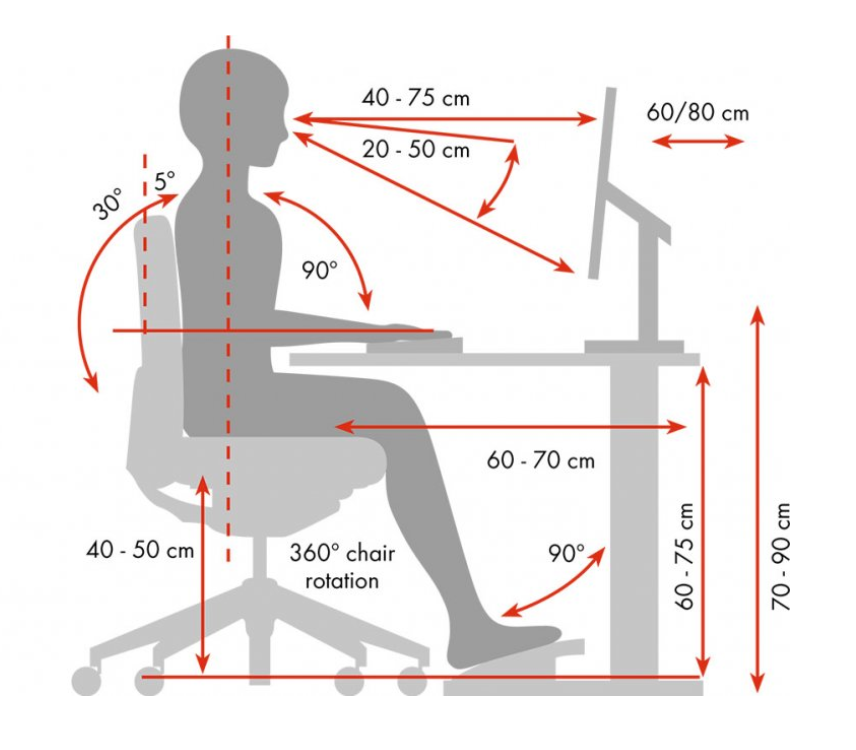
Once it’s built, the setup is crucial. Adjust the seat height so your feet are flat on the floor and your knees are at a 90-degree angle. If your feet dangle, get a footrest. Don’t compromise on this. Next, set the lumbar support. Sit all the way back in the chair. The support should hit the curve of your lower back, not your tailbone or your mid-back. Adjust the armrests so your shoulders are relaxed and your elbows are bent at 90 degrees. Your wrists should be straight when typing, not angled up or down. This alignment takes the load off your neck and shoulders.
Don’t forget the recline tension. Many people leave this too loose, causing them to slump, or too tight, making it hard to lean back. The ideal tension allows you to lean back with slight resistance, supporting your weight without effort. This encourages movement. Static sitting is bad for you, even in a perfect chair. You should be able to shift positions easily. Rock back gently. Stretch. The chair should facilitate movement, not restrict it. Taking fifteen minutes to dial in these settings can make the difference between a chair you love and one you dread.
A chair under $500 is an investment, but it’s not indestructible. To get the most out of it, you need to maintain it. Start with cleaning. Mesh chairs collect dust and skin oils. Vacuum the mesh regularly with a brush attachment. Wipe down plastic and metal parts with a damp cloth. Avoid harsh chemicals that can degrade the materials. If your chair has a foam seat, consider using a cushion cover to protect it from sweat and wear. These small habits keep the chair hygienic and prevent premature degradation of the materials.
Check the bolts and screws every few months. Vibrations from daily use can loosen them over time. A quick tightening session can eliminate squeaks and wobbles before they become serious problems. If the gas lift starts to sink, don’t try to fix it yourself. It’s a pressurized component and can be dangerous. Most manufacturers offer replacement parts for a reasonable fee. Replacing a single part is much cheaper than buying a new chair. This is where those modular designs from brands like Nochaus shine. Being able to swap out a worn armrest pad or a faded mesh panel extends the life of the chair significantly.
Finally, listen to your body. If you start noticing pain again, re-evaluate your setup. Have you gained or lost weight? Has your desk height changed? Your needs might have shifted. Ergonomics isn’t a one-time fix; it’s an ongoing practice. By taking care of your chair and paying attention to how you feel, you ensure that your workspace remains a source of productivity, not pain. It’s about building a sustainable relationship with your environment. And honestly, isn’t that what we’re all trying to do?
Sitting well doesn’t require a fortune. It requires awareness. In 2026, the options are better than ever, provided you know where to look. Ignore the flashy ads. Skip the overpriced logos. Focus on the mechanics: lumbar support, adjustability, and breathability. Choose a chair that fits your body, not your ego. Assemble it with care, set it up with precision, and maintain it with consistency. Your back will thank you. And maybe, just maybe, you’ll finish your workday feeling energized instead of exhausted. That’s worth more than any hype.