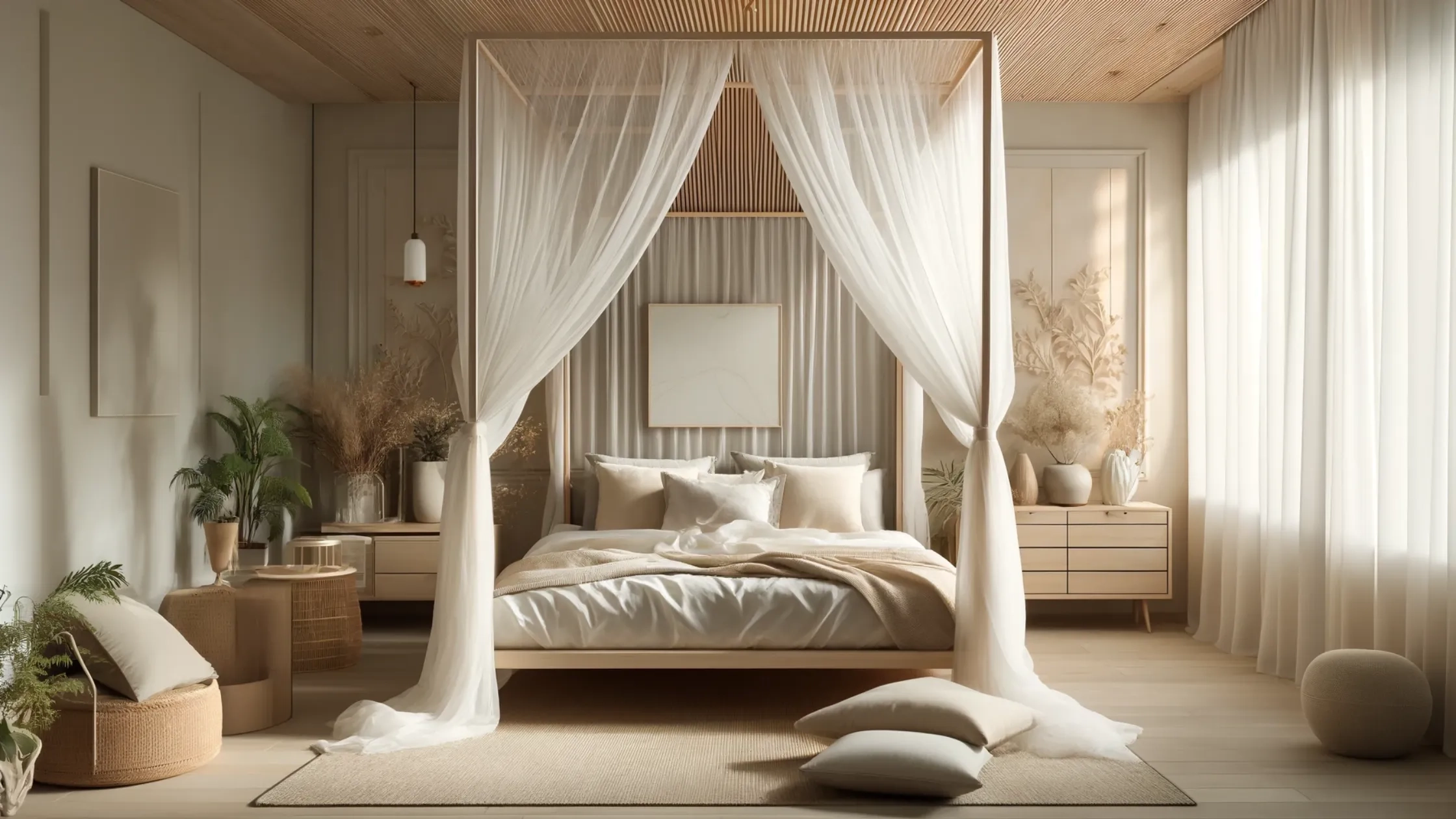
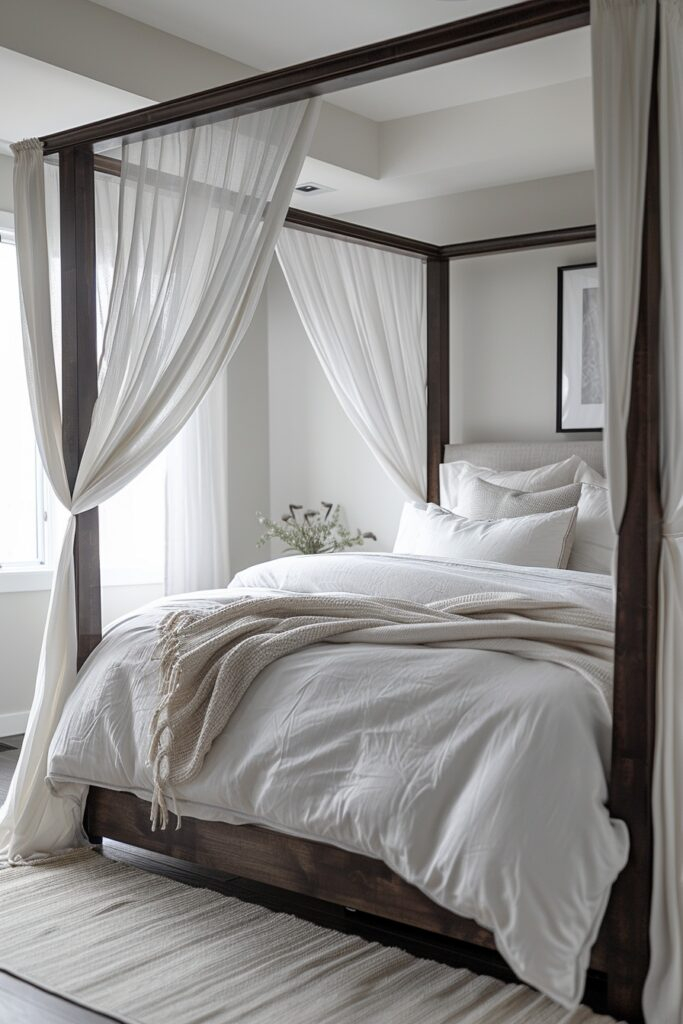
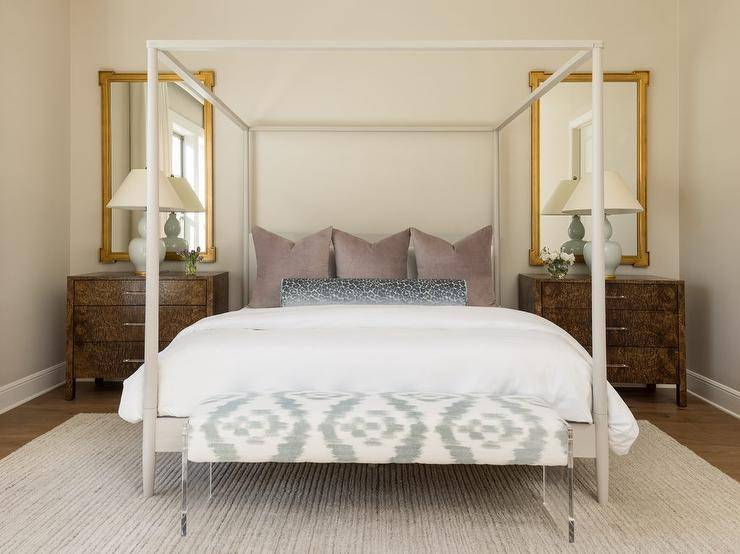
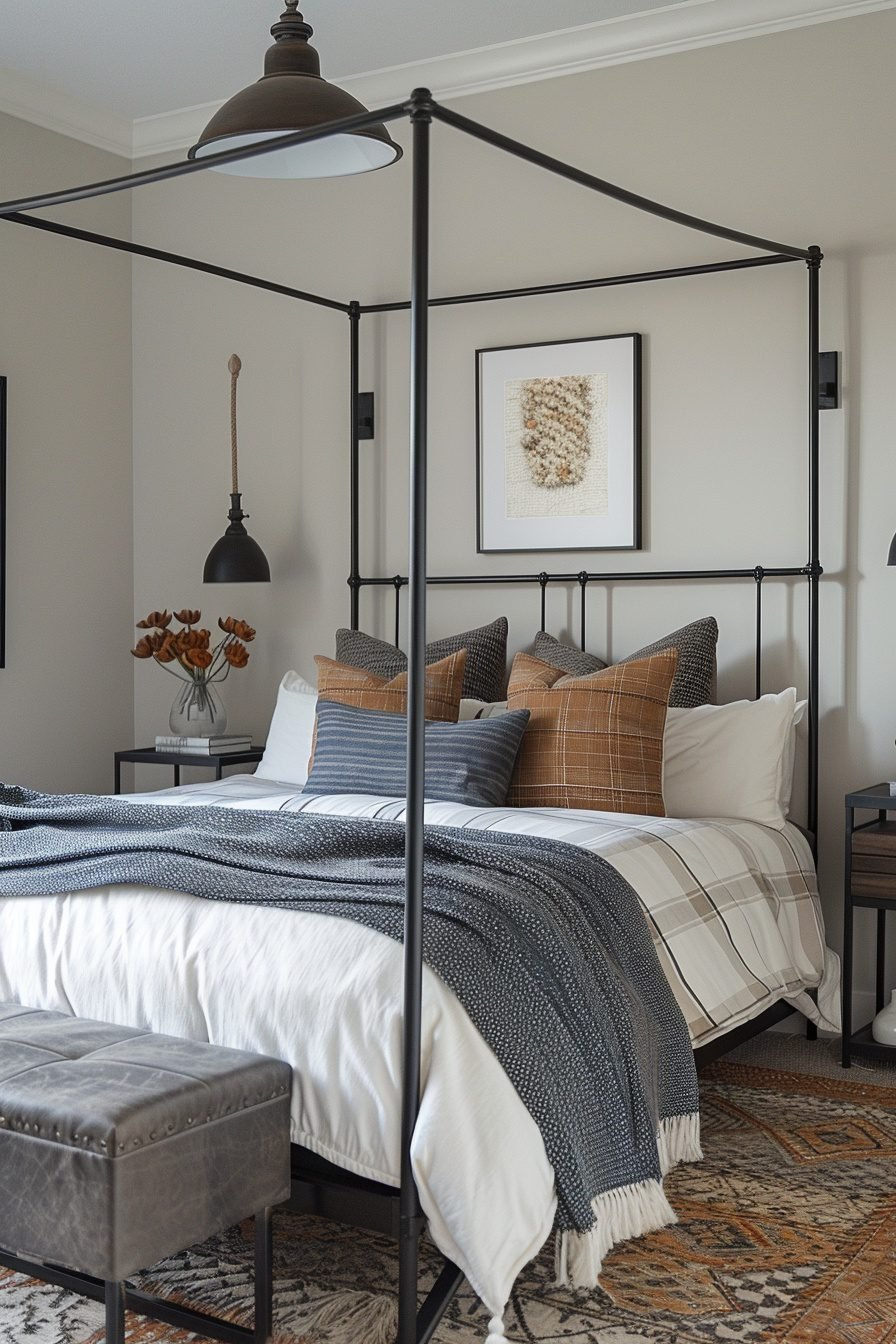
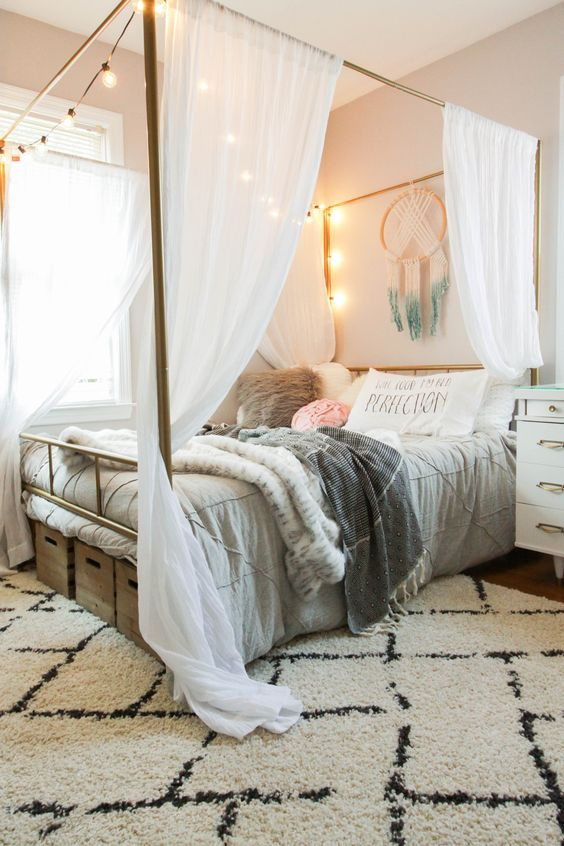
You walk into a bedroom, and your eyes go straight to the bed. Not just any bed, but one with four tall posts reaching up, maybe connected by a frame, maybe draped in soft fabric. It feels different. Heavy? No. Intentional. In 2026, this isn’t just a piece of furniture; it’s an anchor. For years, we chased minimalism. We wanted our rooms to look like empty galleries. Clean lines. Cold surfaces. But something shifted. Maybe it was the collective exhaustion from a world that never stops buzzing. Maybe we just got tired of sleeping in boxes that felt like storage units. Whatever the reason, the canopy bed is back. And it’s not just back; it’s taking over.
It’s everywhere you look right now. From sleek urban lofts in Brooklyn to beachy bungalows in California, the silhouette is unmistakable. Designers can’t stop talking about it. Homeowners are ripping out their standard platform beds to make room for these dramatic structures. It feels a bit surprising, doesn’t it? After all, canopy beds used to be seen as stuffy. Old-fashioned. Something you’d find in a museum or a very serious historic hotel. But the version we’re seeing in 2026 is softer. More approachable. It’s less about showing off wealth and more about creating a vibe. A feeling of safety. A place to hide away from the noise.
This resurgence isn’t a fluke. It’s a direct response to how we live now. Our homes have become our offices, our gyms, our schools, and our sanctuaries. The bedroom, specifically, has had to work harder than ever to be a place of rest. The canopy bed answers that call. It creates a visual boundary. A psychological door that says, "When you step in here, the world stops." It’s simple, really. Four posts. A top rail. Maybe some curtains. But the effect is profound. It turns a flat, open space into a cozy nook. A nest. And in 2026, everyone wants a nest.
The Psychology of Enclosure: Creating a Sleep Sanctuary
Let’s talk about why this actually works for our brains. Humans are weird creatures. We say we want open spaces, but when it comes to sleep, we crave enclosure. Think about it. We pull the covers up to our chins. We curl into balls. We like corners. The canopy bed taps into this primal need for protection. House Beautiful noted recently that it’s this sense of enclosure—both visual and physical—that makes them so appealing. It’s not just decoration; it’s functional comfort.
In modern homes, where open-concept living is still king, bedrooms can sometimes feel too exposed. Too much wall. Too much floor. A canopy bed breaks up that emptiness. It adds vertical interest. It draws the eye up, making the ceiling feel higher and the room feel grander, even if the square footage is small. It creates a "room within a room," as designers like to say. This layering adds warmth and dimension that a low-profile bed just can’t match. It’s like building a little fort, but with expensive linens and good lighting.
There’s also the light factor. Let’s be honest, streetlights are bright. Neighbors have porch lights on at weird hours. A canopy bed gives you options. You can hang sheer curtains to diffuse the morning sun, turning a harsh wake-up call into a gentle glow. Or you can use heavier drapes to block out the world entirely for a midday nap. It’s control. In a life where we often feel like we have little control over our schedules or our news feeds, controlling your immediate environment feels powerful. It’s a small luxury, but it matters.
From Aristocratic Opulence to Modern Minimalism
It’s funny to think that these beds started as symbols of extreme wealth. Centuries ago, only the ultra-rich could afford the fabric and the craftsmanship for a proper canopy. They were status symbols. Cold, stiff, and intimidating. But the 2026 version has shed that aristocratic baggage. Today’s canopy beds are being re-imagined for real people. They’re showing up in apartments with eight-foot ceilings and houses with slanted roofs. The materials have changed, too.
Gone are the heavy, dark woods that weighed down a room. In their place, we’re seeing light oak, rattan, and even matte black metal. The lines are cleaner. Thinner. Less ornate. This shift allows the bed to fit into modern aesthetics without clashing. You can have a super minimalist room with white walls and concrete floors, and a slender, wooden canopy bed fits right in. It adds presence without adding clutter. Bone Inlay Furnitures pointed out that these iconic silhouettes offer something most furniture doesn’t: presence. They command attention, but quietly.
This versatility is key to its dominance. It’s not just one look. You can go full Rococo romance with swishy curtains and floral prints, leaning into the Marie Antoinette vibe that’s also popping up in fashion. Or you can keep it stark and architectural, letting the frame stand alone as a sculpture. Apartment Therapy highlighted this shift toward unabashed romanticism, but also noted how retailers are moving away from industrial poster beds. The canopy is the middle ground. It has structure, but it invites softness. It’s historical charm meets contemporary ease.
Styling the 2026 Canopy: Color, Texture, and Drama
So, how do you actually style one without it looking like a costume party? That’s the question everyone is asking. The answer lies in the details. In 2026, we’re seeing a bold use of color. Designers are embracing vivid shades for bedding that pops against the frame. Think Kelly green or deep red. These colors add energy and personality. They break up the monotony of neutral tones that dominated the last decade. If your frame is light wood, a rich emerald duvet looks incredible. If it’s black metal, crisp white linen creates a striking contrast.
Texture is another huge part of the equation. A canopy bed is a large structure, so you need softness to balance it out. Layering is your friend. Start with high-quality sheets. Add a chunky knit throw at the foot of the bed. Pile on the pillows. The goal is to make it look inviting, not stiff. Housedigest mentioned swishy curtains surrounding plush mattresses, and that image is spot on. The movement of fabric adds life to the room. Even if you don’t use curtains, the texture of the bedding itself should feel luxurious. Touch matters.
Lighting plays a role, too. Don’t just rely on overhead lights. String fairy lights along the top rails for a whimsical touch. Hang a pendant light from the center of the canopy frame if it’s sturdy enough. Or place tall floor lamps on either side to frame the bed. The canopy creates a natural zone for lighting, allowing you to create pools of light that enhance the cozy atmosphere. It’s about creating a mood. When you dim the lights and see the silhouette of the posts against the wall, it feels cinematic. It feels special.
Adapting to Space: Small Rooms and High Ceilings
A common myth is that canopy beds are only for massive master suites. That’s simply not true anymore. In fact, they can be a lifesaver in smaller rooms. The vertical lines draw the eye upward, which makes a small room feel taller and airier. It tricks the brain. Instead of focusing on the limited floor space, you focus on the height. Hunker noted that these beds work in larger or smaller rooms, as long as the ceiling isn’t too low or sloped. If you have standard eight-foot ceilings, just choose a frame with thinner posts and skip the heavy drapery. Keep it airy.
For those with high ceilings, the canopy bed is a dream. It fills the vertical void. Without it, a room with ten-foot ceilings can feel cavernous and cold. The bed grounds the space. It connects the floor to the ceiling. You can go bolder here. Thicker posts. Heavier fabrics. Maybe even a upholstered canopy top. It becomes the centerpiece of the room, anchoring everything else around it. Homes and Gardens emphasized that while once reserved for grand manors, these beds are now far more versatile. They adapt to the architecture they’re in.
Placement matters, too. In a small room, centering the bed might not be possible. Pushing it against a wall can still work if the frame is open on three sides. Or, use a half-canopy design that only covers the headboard area. This gives the feeling of enclosure without overwhelming the footprint. It’s about proportion. Measure your space. Visualize the height. Don’t be afraid to try it. The impact on a small, cramped bedroom can be transformative. It turns a closet-sized room into a boutique hotel suite.
The Shift Away from Industrial and Toward Romance
Why now? Why 2026? Part of it is a reaction against the industrial trend. For years, we loved exposed brick, metal pipes, and raw wood. We liked things that looked unfinished. But there’s a fatigue setting in. People want comfort. They want beauty. They want romance. The canopy bed is inherently romantic. It evokes stories. Dreams. Softness. It’s a rejection of the cold, hard edges of modern life. The Spruce highlighted that designers are ushering in an era where unabashed romanticism is celebrated. We’re done with pretending we don’t care about aesthetics. We want our homes to feel good.
This shift is visible in other areas, too. Fashion is seeing a return to corsets and lace. Furniture is getting curvier. Colors are getting warmer. The canopy bed fits perfectly into this broader cultural moment. It’s not just a bed; it’s a statement of values. It says, "I value rest. I value beauty. I value my private space." It’s a gentle rebellion against the hustle culture that told us to sleep less and do more. Now, we’re saying, "No. I’m going to sleep in a castle. Even if it’s just a metaphorical one."
It’s also about individuality. Mass-produced furniture all looks the same. A canopy bed stands out. It has character. It’s a conversation starter. Guests notice it. You notice it every time you walk in. It adds a layer of personality that a standard bed frame lacks. In a world of algorithms and sameness, having a piece of furniture with history and flair feels refreshing. It’s unique. It’s yours. And that feeling of ownership and pride in your space is something we’re all craving more of.
Ready to jump in? Here’s how to do it right. First, measure your ceiling height. You need at least nine feet to comfortably drape fabric without it feeling claustrophobic. If you have lower ceilings, opt for a frame without fabric, or use very sheer, light material. Second, consider the scale. A king-size canopy needs a big room. A twin or full size can work in a guest room or a child’s room. Don’t overcrowd the space. Let the bed breathe.
Third, think about maintenance. Fabric collects dust. If you’re allergic, maybe skip the curtains or choose materials that are easy to wash. Wooden frames need occasional dusting. Metal frames are low maintenance. Be realistic about how much effort you want to put into upkeep. Fourth, invest in good bedding. The bed frame is the skeleton, but the bedding is the flesh. Cheap sheets will ruin the look. Go for natural fibers. Linen, cotton, silk. Things that feel good against your skin.
Finally, don’t be afraid to mix styles. A modern canopy bed can look great with vintage nightstands. Or pair a traditional wooden frame with modern art on the walls. Eclectic is in. Personal is in. There are no strict rules anymore. Just what feels right to you. Trust your instincts. If it makes you want to crawl into bed and stay there all day, you’ve done it right. That’s the goal. Comfort. Joy. Rest.
The canopy bed’s dominance in 2026 isn’t just a trend; it’s a reflection of where we are as a society. We’re seeking comfort in uncertain times. We’re valuing our rest. We’re embracing beauty in our daily lives. It’s a simple piece of furniture, but it carries a lot of weight. Literally and figuratively. It transforms a bedroom from a place to sleep into a place to dream. And isn’t that what a home should be? A place where you can let your guard down. Where you can be soft. Where you can rest.
So, if you’ve been thinking about refreshing your bedroom, consider the canopy. It might seem like a big change. A bold move. But the payoff is huge. It’s a daily reminder to slow down. To appreciate the quiet moments. To treat yourself with a little bit of luxury. You don’t need a mansion. You don’t need a fortune. You just need four posts and a willingness to embrace the cozy. The world outside can wait. Inside your canopy, it’s peaceful. And that’s worth everything.