It’s 3 AM. You’re awake again. That familiar burn is creeping up your throat, or maybe you just gasped yourself awake, heart pounding, wondering if you actually stopped breathing for a second. It’s exhausting. Really exhausting. For millions of people dealing with gastroesophageal reflux disease (GERD) or obstructive sleep apnea (OSA), bedtime isn’t a retreat; it’s a battleground. We’ve been told to prop ourselves up on pillows, but let’s be honest—those towers of cushions usually collapse by midnight, leaving you slumped and sore.
But what if the solution wasn’t about fighting gravity with fluff, but working with it using furniture? Sleeping in a recliner has moved from a last-resort hack for the sickly to a legitimate, doctor-recommended strategy for managing these conditions. In 2026, the conversation around sleep health has shifted. It’s not just about the mattress anymore. It’s about angle, support, and keeping your airway open while keeping stomach acid down. This isn’t just about getting comfortable; it’s about reclaiming your rest.
Why Gravity Is Your Best Friend at Night
Let’s talk physics for a minute, but keep it simple. When you lie flat on your back, your stomach and esophagus are on the same level. There’s no barrier stopping acid from flowing backward into your throat. It’s like trying to keep water in a tilted cup. But when you elevate your upper body, gravity does the heavy lifting for you. It keeps the gastric juices where they belong—in your stomach. This is why sleeping in a recliner can provide such immediate, almost magical relief for acid reflux sufferers.
The same principle applies to sleep apnea. When you’re flat, gravity pulls the soft tissues of your throat downward, narrowing your airway. If you already have narrow passages or relaxed muscles during sleep, this can cause blockages. By sleeping at an incline, you reduce that pull. Your airway stays more open, naturally. It’s not a cure, sure, but it’s a powerful mechanical assist. Studies and expert guidance from sources like Consumer Reports highlight that position matters just as much as the equipment you use.
It’s not just about being upright, though. It’s about the right kind of upright. Slouching in a chair can compress your abdomen, which might actually push acid up. The goal is a gentle, supported incline. Think of it as a ramp, not a wall. This subtle difference changes everything. It allows your diaphragm to move freely, helping you breathe deeper and easier. For anyone who has felt that panic of not getting enough air, this small adjustment can feel like a lifesaver.
Choosing the Right Recliner for Therapeutic Sleep
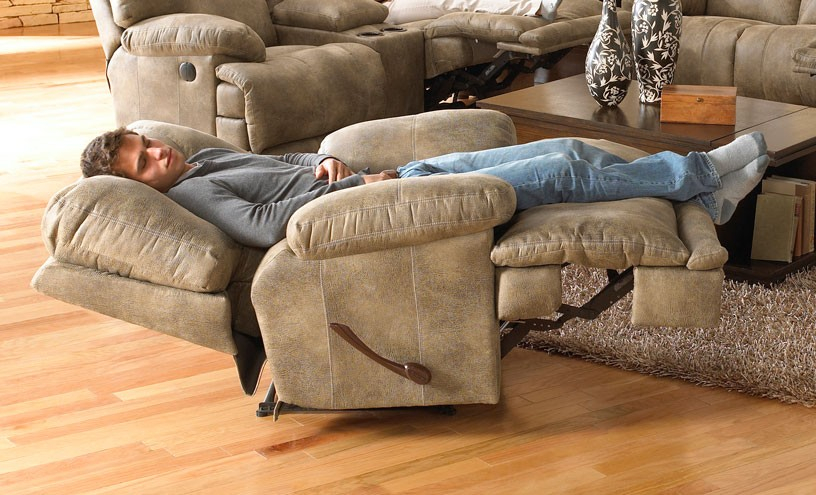
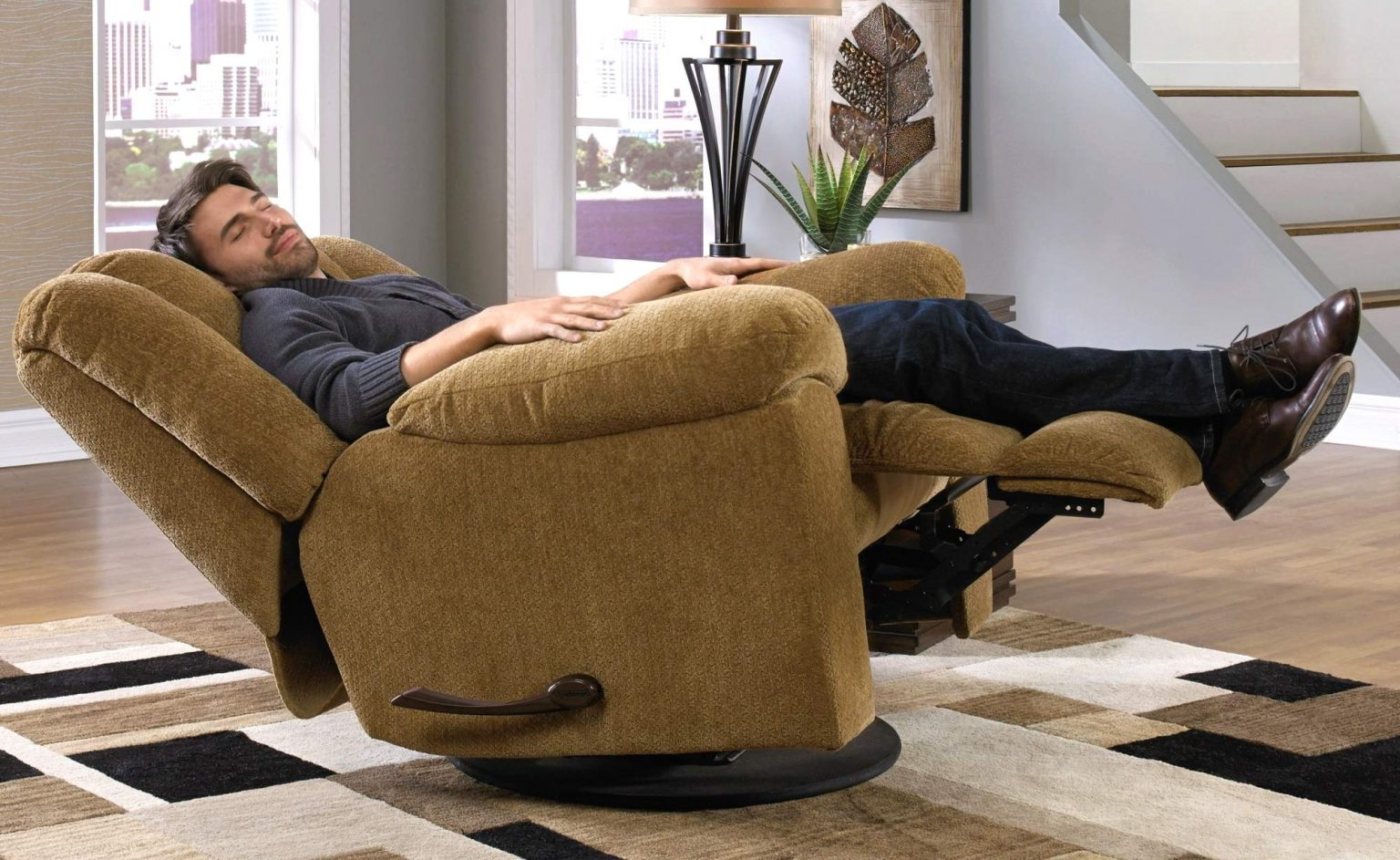
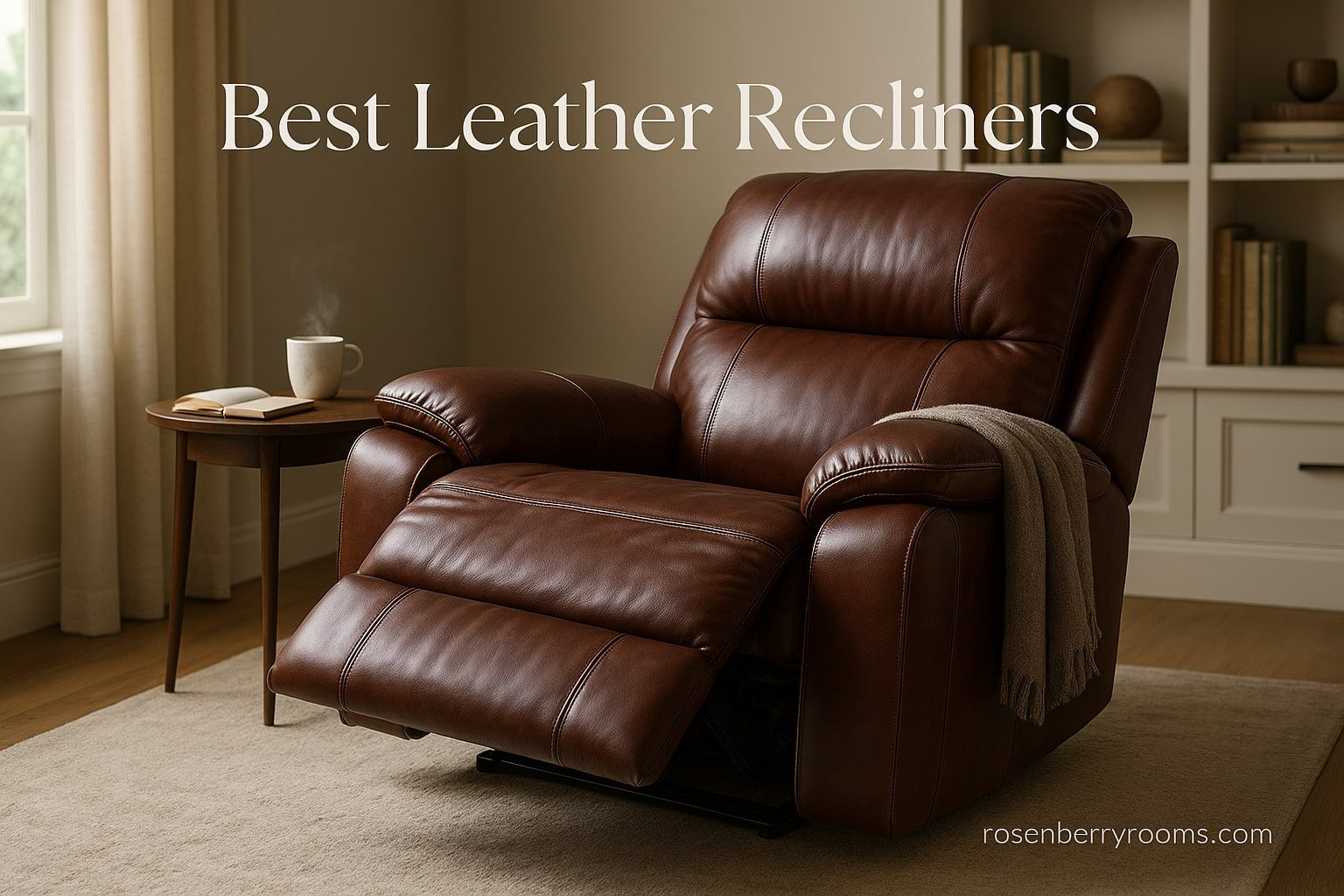
Not all recliners are created equal. In fact, most standard living room recliners are terrible for sleeping. They’re designed for watching TV, not for eight hours of rest. If you’re looking to use a recliner for medical relief, you need to look for specific features. First, check the range of motion. Can it go back far enough to be comfortable, but still keep your head above your stomach? You want a chair that offers multiple locking positions or, even better, infinite adjustability.
Look for "wall-hugger" designs if space is tight, but be careful. Some of these don’t recline fully or might pinch. More importantly, consider the seat depth and leg support. Your legs need to be elevated too. Why? Because if your legs are dangling or flat, you might slide down. Elevating the legs helps anchor your body and improves circulation, which is a nice bonus. Sources like Rosenberry Rooms note that the right setup transforms miserable nights into restful ones, but only if the chair supports your whole body.
Comfort is king, but support is queen. You need firm cushioning that won’t bottom out after a few weeks. Memory foam is popular, but make sure it’s high-density. Soft, fluffy chairs feel nice for ten minutes, but they’ll leave you achy by morning. Also, check the headrest. Does it support your neck in a neutral position? If your head falls forward, you’re closing your airway again. Defeating the purpose. It’s a balancing act, but finding the right chair is half the battle.
Mastering the Angle: Finding Your Sweet Spot
So, what’s the magic number? How high should you be? Generally, experts recommend an incline of 30 to 45 degrees for acid reflux. This is steep enough to let gravity work but low enough to let you relax. For sleep apnea, the angle might be slightly lower, around 20 to 30 degrees, depending on severity. But here’s the thing: everyone is different. You have to experiment. Start lower and go up until you find the spot where you feel no pressure in your chest and can breathe easily.
In 2026, technology has made this easier. Many modern "sleep recliners" come with digital controls that let you save your favorite positions. You can tweak the backrest and footrest independently. This fine-tuning capability is crucial. As Zecliner and other specialized brands point out, the ability to control the upper body angle separately from the legs allows for a customized therapeutic position. Don’t just guess. Pay attention to how you feel in the morning. Did you wake up with heartburn? Raise the angle. Did your neck hurt? Lower it or add support.
It’s also important to maintain this angle throughout the night. One common complaint is sliding down. If you slide, you lose the elevation benefit. To prevent this, ensure the seat pan (the part you sit on) is tilted slightly backward, or use a non-slip mat. Some people use a small pillow behind their lower back to fill the gap and keep them anchored. It’s about creating a cocoon that holds you in place without restricting movement too much. You want to be secure, not trapped.
Supporting Your Body: Pillows and Accessories
Even the best recliner might need a little help. This is where accessories come in. A lumbar pillow can make a huge difference. Most recliners have a gap between the lower back and the chair. Filling this space supports your spine’s natural curve and prevents that nagging ache. It also helps keep you from slumping forward. Think of it as filling in the blanks. Your body will thank you.
Neck support is critical, especially for apnea sufferers. If your head tilts to the side, your airway can kink. A cervical pillow or a specialized neck brace can keep your head aligned. Neurolaunch suggests that using a neck brace alongside a recliner can prevent the head from falling sideways, maintaining that optimal airway angle. It might look a bit medical, but if it stops the snoring and the gasping, who cares? Comfort includes breathing easy.
Don’t forget the knees. A small pillow under your knees can relieve pressure on your lower back and hamstrings. It’s a small touch, but it adds to the overall comfort. And if you tend to get cold, remember that air circulates differently in a chair. You might need a heavier blanket. The goal is to create a supportive ecosystem around your body. Every point of contact should feel intentional. No dangling limbs, no unsupported gaps. Just steady, consistent support.
Navigating the Trade-offs: Stiffness and Movement
Let’s be real. Sleeping in a chair isn’t perfect. You’re not going to toss and turn like you do in a bed. This lack of movement can lead to stiffness. Your hips and shoulders might feel tight in the morning. It’s a trade-off. You’re exchanging some mobility for better breathing and less reflux. But there are ways to mitigate this. Stretching before bed and immediately upon waking can help. Simple hamstring stretches and shoulder rolls can get the blood flowing.
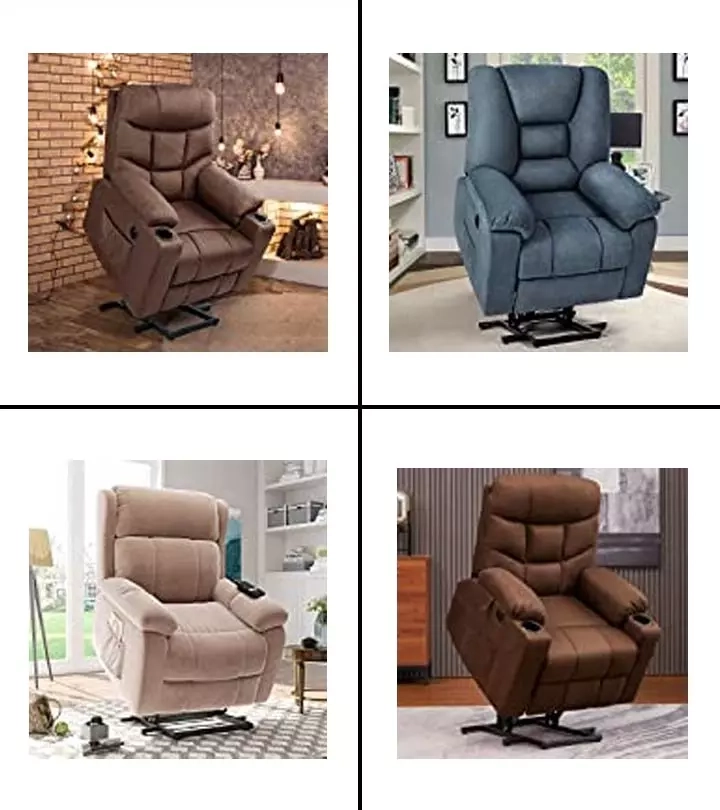
Another issue is restricted movement. If you need to get up to use the bathroom, it’s not as simple as rolling out of bed. You have to sit up, stand, and navigate. For older adults or those with mobility issues, this can be a challenge. Make sure the path around your recliner is clear. Consider a recliner with a power lift feature if standing is difficult. Safety first. Always.
Also, monitor your skin. Sitting in one position for hours can create pressure points. While rare, it’s possible to develop sores if you’re immobile for too long. Shift your weight slightly if you wake up. Use cushions to redistribute pressure. Listen to your body. If something hurts, adjust it. Don’t ignore pain. The goal is relief, not new problems. It takes time to adapt. Give your body a few weeks to get used to the new position.
Switching to a recliner for sleep is a big change. It might feel weird at first. You might miss the sprawl of a king-sized bed. That’s normal. Start by napping in the recliner during the day. Get used to the feeling. Then, try sleeping the first half of the night in the chair and the second half in bed. Gradually increase the time in the recliner. This gradual approach helps your mind and body adjust without the shock of a cold turkey switch.
Create a routine. Just because you’re in a chair doesn’t mean you can’t have a bedtime ritual. Read a book, listen to calming music, or do some deep breathing. Signal to your brain that it’s time to sleep. Keep the room dark and cool. Use an eye mask if needed. The environment matters just as much as the furniture. Make the space around your recliner inviting. It’s your sanctuary now.
Finally, be patient. It might take a few nights to find the perfect setting. Don’t give up if the first night isn’t perfect. Tweak the angle. Add a pillow. Move the lamp. It’s a process of elimination. And remember, you’re not alone. Thousands of people are making this switch in 2026. Share tips with online communities. Learn from others. It’s a journey toward better health, and every small victory counts. You’ve got this.
Sleeping well is fundamental to living well. When acid reflux or apnea steals your rest, it steals your energy, your mood, and your health. Using a recliner isn’t just a workaround; it’s a strategic move to take control of your night. By understanding the mechanics of gravity, choosing the right gear, and supporting your body properly, you can transform your sleep experience. It’s not about giving up on comfort. It’s about redefining it. So tonight, try the incline. Breathe deep. And maybe, just maybe, you’ll finally get the rest you deserve.