You walk into an empty apartment. It echoes. The light hits the bare walls in a way that feels cold, maybe even a little accusing. You try to picture your sofa there, but the room feels too big. Or too small. It’s hard to tell. This is the reality for thousands of renters scrolling through listings right now. And for landlords? It’s a nightmare scenario.
We often think of vacancy as just "no rent coming in." Simple math, right? If rent is $2,000 a month and it sits empty for two months, you lost $4,000. But that’s just the tip of the iceberg. The real cost is far more insidious. It’s the slow bleed of maintenance issues going unnoticed. It’s the psychological toll on potential tenants who can’t envision a life in a sterile box. It’s the compounding loss of momentum in a market that moves fast. In 2026, with housing dynamics shifting faster than ever, leaving a property vacant isn’t just a pause button. It’s an active financial hazard.
So, what’s the fix? For years, the answer was traditional staging. Drag in some furniture, hang some art, hope it sells. But today, we have smarter options. We have technology that lets us show potential without the heavy price tag of physical goods. We’re talking about a hybrid approach that respects both the budget and the buyer’s imagination. Let’s dig into why empty rooms are costing you more than you think, and how smart staging is becoming the non-negotiable standard for savvy property owners.
The Illusion of Saving Money by Doing Nothing
It’s tempting to leave a place empty. After all, furniture costs money. Movers cost money. Why spend cash on a place that isn’t making cash? It feels logical. But this mindset ignores the invisible taxes of vacancy. When a property sits empty, it doesn’t just sit there. It decays. Literally. Without the regular presence of humans, small issues become big problems. A tiny leak under the sink goes unnoticed for weeks, turning into mold. Dust settles into carpets that aren’t being vacuumed. Pests find an unguarded entry point.
Then there’s the market perception. In 2024, nearly 23% of homes sold were vacant properties. That’s a huge chunk of the market. But here’s the kicker: vacant homes attract far fewer showings. Why? Because they’re boring. They’re hard to visualize. Online, an empty room looks like a thumbnail of nothing. Scroll past. Next. Potential tenants are looking for a home, not a construction site. If they can’t see themselves living there in the first three seconds of viewing a photo, you’ve lost them. And losing them means another week, or month, of zero income.
The cost of this delay is staggering. Studies consistently show that vacant properties sell slower and often for less than staged ones. For rentals, the dynamic is similar. A vacant unit might sit for 45 days instead of 15. That’s 30 days of lost rent. On a $2,500/month unit, that’s $2,500 gone. Plus, you’re still paying utilities, insurance, and possibly HOA fees. Suddenly, that "savings" from not staging looks pretty thin. You’re paying to keep the lights on for an audience that isn’t showing up.
The Heavy Price Tag of Traditional Physical Staging
Okay, so you decide to stage. You call a pro. They bring in a truckload of mid-century modern chairs, a sleek sofa, some abstract art. It looks great. But then you get the bill. A mid-range physical staging package typically runs between $2,500 and $5,000 for the initial setup. That covers the furniture rental, delivery, arrangement, and eventual pickup. It’s a significant upfront hit. And if the property doesn’t lease immediately? You’re on the hook for monthly rental fees.
These ongoing costs add up fast. You’re looking at $500 to $1,000 per month just to keep the furniture there. I’ve seen staging bills climb to $8,000 on properties that took three months to lease. That’s a massive chunk of your potential profit margin. For a landlord with just one or two units, this can feel prohibitive. It’s a gamble. You’re betting that the staged look will bring in a tenant quickly enough to offset the high cost of the staging itself.
There’s also the logistical headache. Coordinating deliveries, dealing with damaged furniture, ensuring the stagers don’t scratch the floors. It’s a lot of management overhead. And let’s be honest, physical staging isn’t always perfect. Sometimes the furniture feels impersonal. It looks like a hotel lobby, not a home. Tenants want to feel warmth, not just see expensive taste. If the staging feels too curated, it can actually alienate people who feel they can’t afford that lifestyle. It’s a delicate balance, and one that costs a premium to get right.
Why Virtual Staging is Changing the Game in 2026
Enter virtual staging. This isn’t just photoshopping a couch into a corner. Today’s AI-driven virtual staging is sophisticated. It understands light, shadow, and scale. It creates images that look so real, most people can’t tell the difference until they walk in the door. And the cost? It’s a fraction of physical staging. We’re talking a few dollars per image. Some services offer packages for under $100 for an entire unit. That’s a 97% cost reduction compared to traditional methods.
For landlords, this is a game-changer. You can take photos of the empty unit, send them to a virtual staging service, and have beautifully furnished listings back in 24 to 48 hours. No movers. No rental fees. No risk of damage. If the first set of photos doesn’t work, you can try a different style. Maybe swap the modern minimalist look for something cozier and more traditional. You can A/B test your marketing without spending a fortune. It’s agile. It’s cheap. And it’s effective.
But it’s not just about cost. It’s about speed. In a fast-moving rental market, time is money. Virtual staging allows you to list the property almost immediately after turnover. You don’t have to wait for furniture delivery. You can get your listing live while the painters are still drying. This means more eyes on your property sooner. And since vacant listings get skipped online, having those furnished images puts you back in the game. You’re competing with occupied homes on a level playing field.
The Psychology of Space: Helping Renters Visualize Life
Let’s talk about why this works on a human level. Humans are visual creatures. We struggle to imagine space. When we see an empty room, our brains have to work hard to fill in the blanks. Most people aren’t interior designers. They can’t look at a bare box and see their dining table fitting perfectly. They see emptiness. They see risk. Will my bed fit? Is there enough room for a desk? It creates anxiety.
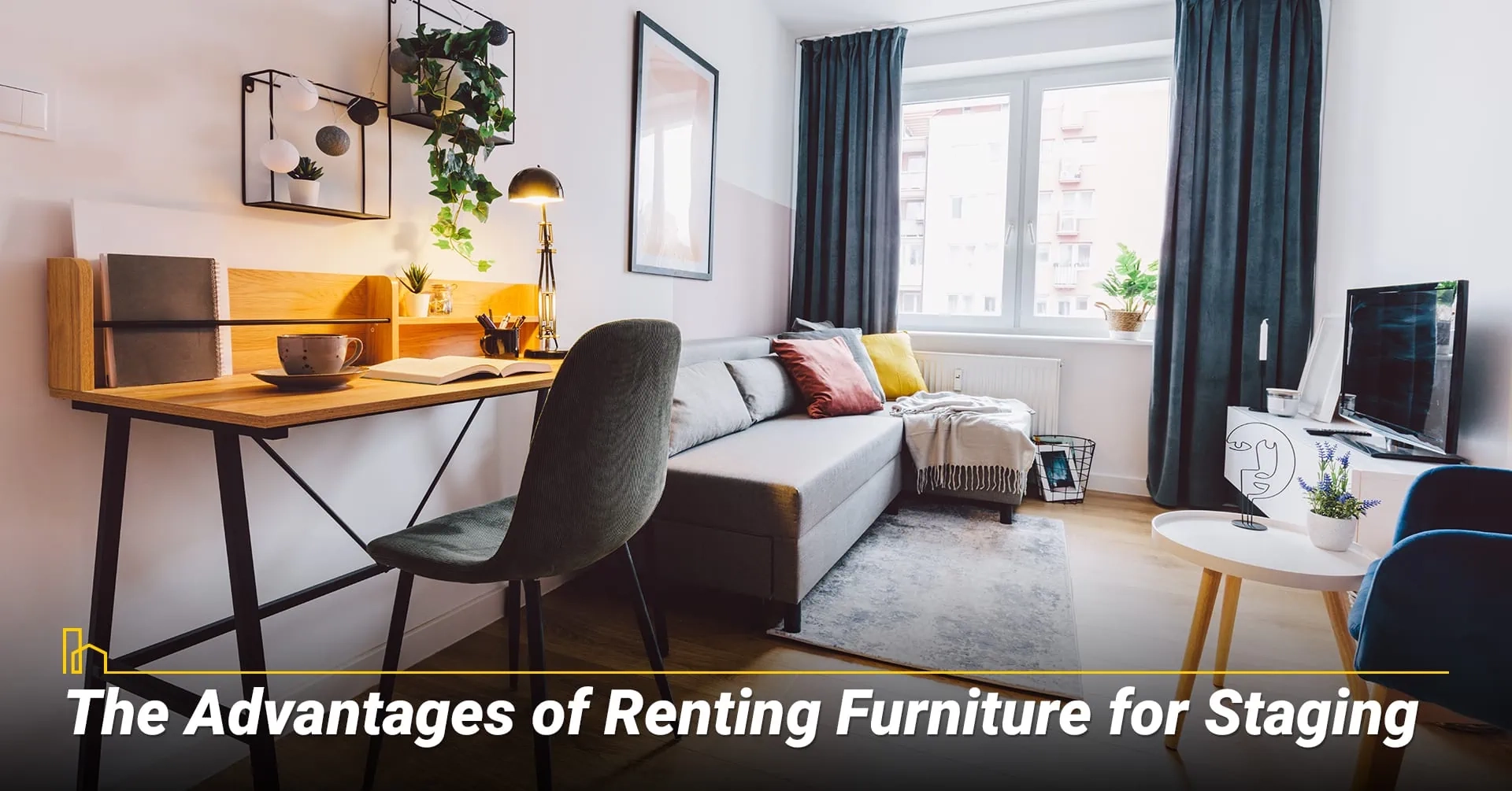
Staging, whether physical or virtual, removes that anxiety. It shows scale. It shows function. It tells a story. A virtual dining set says, "This is where you’ll eat dinner with friends." A virtual desk in the corner says, "Here’s your work-from-home spot." It triggers an emotional response. Renters start to project their lives onto the space. They stop thinking about the square footage and start thinking about their morning coffee on that balcony.
This emotional connection is what drives decisions. People don’t rent apartments because of the floor plan alone. They rent because they feel something. They feel comfort. They feel possibility. An empty room feels cold and transactional. A staged room feels like a home. By providing that visual cue, you’re not just showing a property. You’re selling a lifestyle. And in 2026, where remote work and flexible living are the norms, showing those specific lifestyle possibilities is more important than ever.
When to Use Physical vs. Virtual: A Strategic Mix
So, should you ditch physical staging entirely? Not necessarily. There’s still a place for it. High-end luxury rentals often benefit from the tactile experience of real furniture. If you’re charging top-tier rent, tenants might expect to feel the quality of the finishes and the weight of the furnishings. Physical staging can convey a sense of substance that pixels can’t quite match. It’s about trust. For ultra-luxury markets, the real thing still holds weight.
But for the vast majority of rentals—mid-range apartments, suburban homes, student housing—virtual staging is the smart play. It’s cost-effective and low-risk. You can even use a hybrid approach. Use virtual staging for the online listing to generate interest and get people in the door. Then, if the unit is still vacant after a few weeks, consider bringing in a few key physical pieces for open houses. A real rug. A real chair. Something to anchor the space.
Another strategy is to use virtual staging to target specific demographics. If you’re near a university, stage the second bedroom as a study nook. If you’re in a family neighborhood, stage it as a nursery. You can create multiple versions of the same listing to appeal to different audiences. Try this with physical staging, and you’d be moving furniture in and out every week. With virtual, it’s just a click. It allows for precision marketing that physical goods simply can’t match without breaking the bank.
Ready to try it? Start with good photography. Virtual staging is only as good as the base photo. Make sure the empty unit is clean, well-lit, and decluttered. Hire a professional photographer if you can. The angles matter. You want wide shots that show the flow of the room, but also detail shots that highlight features like hardwood floors or new appliances. Bad photos will ruin even the best virtual staging.
Next, choose a reputable virtual staging provider. Look for services that use advanced AI, not just basic copy-paste templates. Check their portfolio. Do the shadows look real? Does the furniture perspective match the room? Ask for a sample if you’re unsure. Many services offer a money-back guarantee if you’re not happy with the result. It’s worth spending a little extra time here to ensure quality.
Finally, be transparent. While virtual staging looks real, it’s ethical to note that the furniture is not included. You don’t want tenants showing up expecting a free sofa. A simple disclaimer in the listing description works wonders. "Photos virtually staged to show potential. Unit leased unfurnished." This builds trust. It shows you’re honest. And when they walk in, the empty space won’t feel like a bait-and-switch. It’ll feel like a blank canvas, which is exactly what you want them to see.
Vacancy doesn’t have to be a drain on your resources. It’s a marketing challenge, sure. But it’s one we have the tools to solve. By understanding the true costs of empty spaces and leveraging smart staging solutions, you can turn a liability into an asset. Whether you go full virtual, stick to physical, or mix the two, the goal is the same: help people see themselves home. Because when they can see it, they’ll sign the lease. And that’s when the bleeding stops.