You know the feeling. You’re halfway through a crucial video call, or maybe just settling in for a movie night, and suddenly—nothing. The little spinning wheel appears. Your heart sinks. You move three feet to the left, and it’s fine. You move three feet to the right, and you’re back in the digital void. We’ve all been there. It’s frustrating, sure, but it’s also solvable. The internet isn’t magic; it’s radio waves, and like any wave, it can be blocked, reflected, or simply run out of steam.
For years, the go-to advice was "buy a bigger router." But in 2026, that’s rarely the answer. Our homes have changed. We have more devices, thicker insulation, and layouts that confuse standard signals. The real question isn’t about power; it’s about architecture. Do you build a single, powerful tower (an Access Point), or do you create a village of smaller towers talking to each other (Mesh)? Getting this wrong costs you money and patience. Getting it right means seamless connectivity from the basement to the attic. Let’s figure out which one fits your life.
Mapping the Invisible Enemy
Before you spend a dime on new gear, you need to know exactly where the problem lives. Most people guess. They say, "The Wi-Fi is bad in the kitchen," but is it? Or is it actually fine in the kitchen but terrible in the hallway leading to it? You can’t fix what you can’t see. In the past, this required expensive professional tools. Today, you probably have a pro-grade scanner in your pocket.
Grab your smartphone and download a Wi-Fi analyzer app. There are plenty of free ones, like NetSpot or even simple signal meter apps. Walk through your house slowly. Watch the signal strength number (usually measured in dBm). You want to see numbers closer to zero (like -50 or -60). If you drop below -75 or -80, you’re in trouble. That’s your dead zone. Map it out. Is it a single room? A whole floor? A specific corner of the yard? This map is your blueprint. Without it, you’re just throwing hardware at a wall and hoping something sticks.
Also, look for patterns. Does the signal die when you walk behind the fridge? That’s interference from metal and water. Does it vanish in the master bedroom? That might be thick drywall or insulation blocking the path. Understanding why the signal dies helps you choose the right cure. If it’s a single, isolated spot, you might not need a whole new system. If the whole second floor is weak, you’ve got a structural issue. Don’t skip this step. It takes ten minutes and saves you hours of troubleshooting later.
The Case for the Wired Access Point
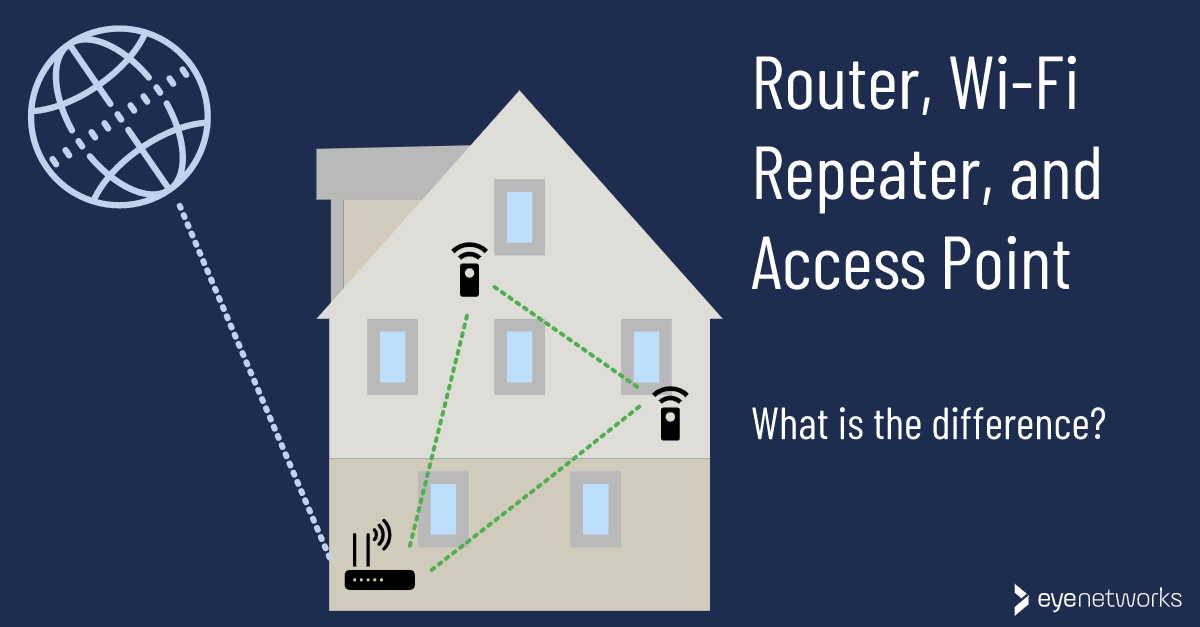
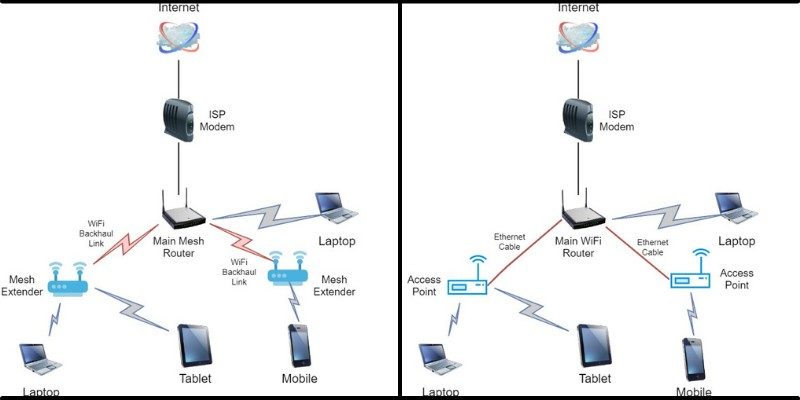
Let’s talk about the old-school hero: the Access Point (AP). Think of an AP as a dedicated sprinkler head in your garden. It doesn’t care about the rest of the garden; it just blasts water (or data) in one specific direction with high pressure. To work, it needs a direct line to the source. That means an Ethernet cable running from your main router to the AP. This is the catch. If you can’t run a cable, an AP is basically a paperweight.
But if you can run a cable, an AP is often superior. Why? Stability. A wired connection doesn’t suffer from the wireless handshake delays that mesh systems do. It offers full speed, low latency, and rock-solid reliability. Gamers and home office warriors love APs for this reason. You aren’t sharing bandwidth with other nodes to keep the network alive. You’re getting a pure, unadulterated stream of data. It’s like having a private highway instead of a shared road.
Placement is key here. You don’t just plug it in anywhere. You want to place the AP centrally within the area you’re trying to cover, ideally high up on a wall or ceiling. Avoid hiding it behind TVs or inside cabinets. Line-of-sight is your friend. If you can see the AP, your devices can probably see it too. For many people, especially those in apartments or smaller homes with existing wiring, a single well-placed AP is cheaper and faster than a fancy mesh system. It’s surgical. Precise. And when done right, it’s invisible in its performance.
When Mesh Systems Shine
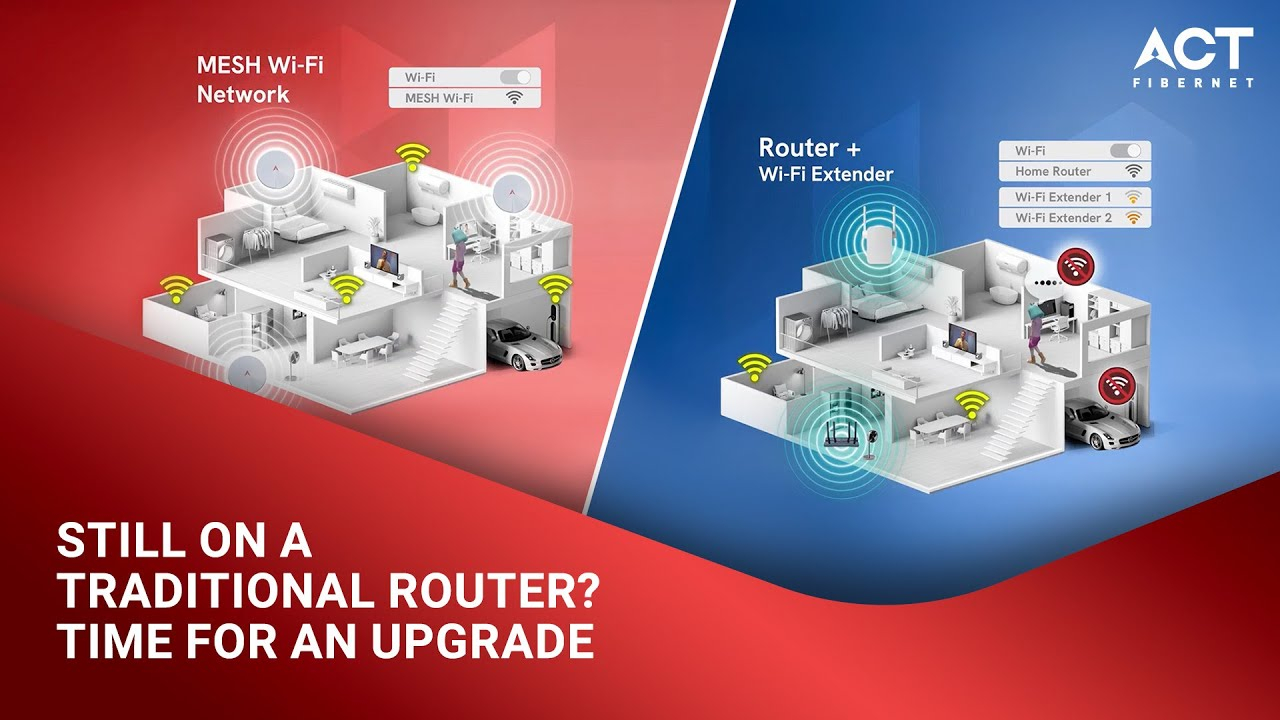
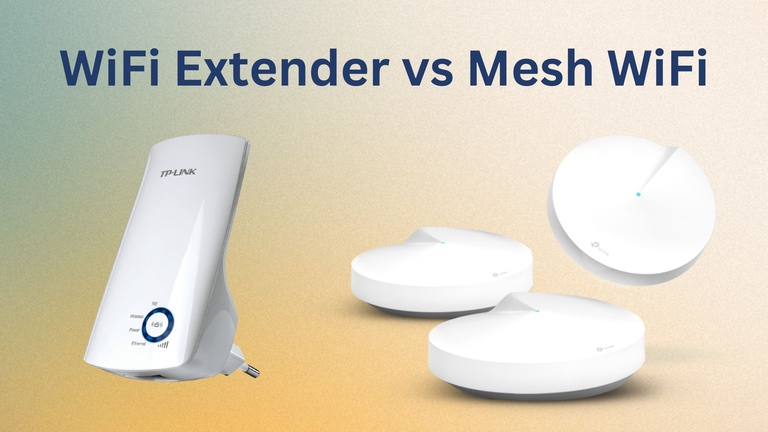
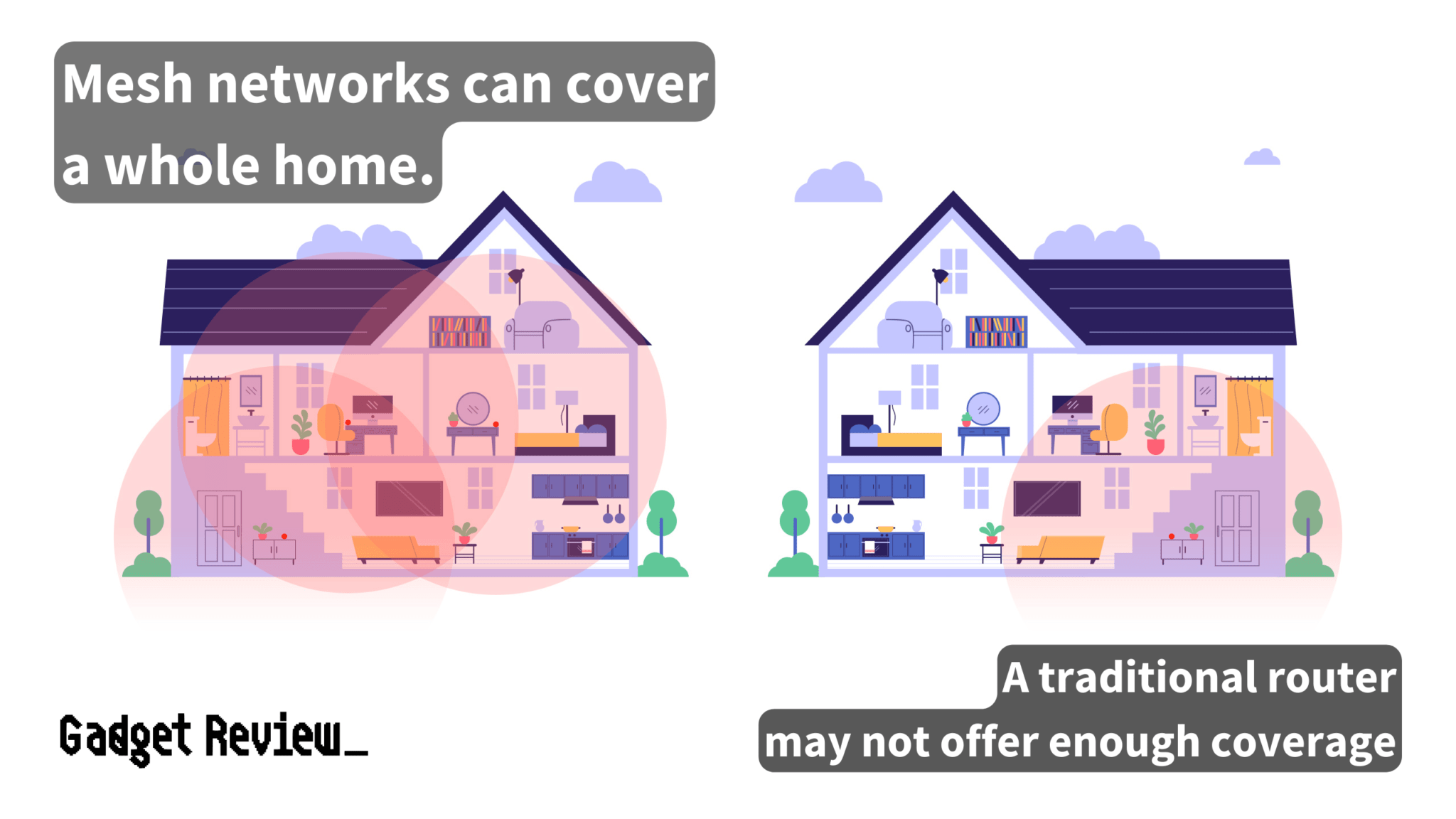
Now, let’s look at the other side of the coin: Mesh Wi-Fi. If an AP is a sprinkler, a mesh system is a misting network. It covers everything, gently and evenly. Mesh systems consist of a primary router and several "nodes" or satellites that talk to each other wirelessly. No cables required between them (usually). This is the huge selling point. If you live in a rental, or your walls are too thick to drill through, mesh is your best friend. It’s designed for ease of use and broad coverage.
In 2026, mesh technology has matured significantly. Early mesh systems were slow because the nodes had to use the same radio band to talk to each other and your devices. Modern systems use dedicated backhaul channels (often Wi-Fi 6E or Wi-Fi 7) to communicate, leaving the main bands free for your phone and laptop. This means you get near-wired speeds without the wires. They are perfect for multi-story homes where running Ethernet up three flights of stairs is a nightmare. You just plug a node into an outlet on the second floor, another on the third, and they form a seamless web.
However, mesh isn’t magic. It relies on the nodes being close enough to talk to each other clearly. If you put a node in the dead zone, it won’t help. You have to place it between the good signal and the bad signal. It’s a relay race. Each node passes the baton to the next. If the gap is too big, the baton drops. So, while mesh is flexible, it still requires thought. You can’t just scatter them like confetti. They need to be within range of each other, ideally in open spaces, off the ground, and away from heavy interference.
The Hybrid Approach: Best of Both Worlds
Here’s a secret most salespeople won’t tell you: you don’t have to choose just one. In fact, the best home networks in 2026 are often hybrids. Imagine using a mesh system for general coverage throughout the house, but then hardwiring one of the mesh nodes to act as a high-performance Access Point for your gaming rig or home theater. This gives you the flexibility of mesh with the raw power of a wired connection where it matters most.
Another hybrid option involves MoCA (Multimedia over Coax Alliance). If you have coaxial cable outlets in your rooms (from old cable TV setups), you can use MoCA adapters to turn those cables into Ethernet connections. This lets you place Access Points in rooms without dedicated Ethernet wiring, using the existing coax infrastructure. It’s a brilliant workaround for older homes. You get the stability of wired APs without the hassle of fishing new cables through walls. Combining MoCA with a mesh backbone creates a robust, future-proof network that handles everything from 4K streaming to VR gaming.
This approach does cost more upfront and requires a bit more technical know-how to set up. But the payoff is immense. You eliminate the weaknesses of pure wireless mesh (potential latency spikes) and the limitations of pure APs (difficulty in covering large, unwired areas). It’s about using the right tool for the right job. Use mesh for the living room and kitchen. Use a wired AP for the office. Use MoCA for the basement media room. Tailor the solution to your specific layout and needs.
Common Placement Mistakes to Avoid
Even the best hardware fails if placed poorly. I’ve seen people spend hundreds on top-tier mesh systems only to hide the nodes in cabinets or behind metal bookshelves. Wi-Fi signals hate metal. They also struggle with water (fish tanks are notorious killers) and thick masonry. Keep your nodes and APs out in the open. Elevate them. Shelf height is usually good; floor level is bad. Think of Wi-Fi like light—it spreads better from a high point and gets blocked by obstacles.
Another common error is overlapping channels incorrectly. If you have multiple APs or mesh nodes, they need to talk on different channels to avoid interfering with each other. Modern systems handle this automatically mostly, but it’s worth checking your settings. Ensure your 2.4GHz and 5GHz bands are optimized. The 2.4GHz band travels further but is slower and more crowded. The 5GHz (and 6GHz) bands are faster but have shorter range. Place your nodes so that devices can switch seamlessly between them as you move through the house.
Don’t forget about the "midway" rule for mesh. As mentioned earlier, don’t put the satellite node in the dead zone. Put it halfway between the router and the dead zone. It needs a strong signal from the main unit to repeat it effectively. If the node itself has a weak connection, it will just broadcast a weak signal. Test the signal strength at the node’s location before finalizing its position. Use that app we talked about. Verify, don’t assume. A few minutes of tweaking can double your effective coverage.
So, how do you decide? Start with your budget and your walls. If you have Ethernet ports in every room, or you’re willing to run cables, go with Access Points. They are cheaper per square foot of high-quality coverage and offer better performance for heavy users. If you rent, or your home is a maze of drywall and plaster with no wiring, go with Mesh. It’s easier to install, looks better, and provides consistent coverage for general use.
Consider your usage too. Are you just browsing social media and streaming Netflix? Mesh is probably fine. Are you competitive gaming, editing 8K video, or running a smart home with fifty devices? You might need the stability of wired APs or a high-end hybrid setup. Look at the size of your home. Under 1,500 square feet? A good router or single AP might suffice. Over 2,500 square feet or multi-story? Mesh or multiple APs are necessary.
Finally, think about the future. Wi-Fi standards evolve. Wi-Fi 7 is becoming mainstream in 2026. Whatever you buy now should support the latest standards to ensure longevity. Don’t buy obsolete tech just because it’s cheap. Invest in a system that can grow with you. Whether you choose the surgical precision of an Access Point or the blanket coverage of Mesh, the goal is the same: invisible, reliable connectivity. Make the choice that fits your life, not just your living room.
The dead zone doesn’t have to win. With a little planning and the right hardware, you can banish the buffering wheel forever. Take that map you made. Look at your walls. Decide if you need a sprinter (AP) or a marathon team (Mesh). Then, take action. Your future self, sitting in the backyard with full bars and zero lag, will thank you. It’s not just about internet; it’s about peace of mind. And honestly? That’s worth every penny.