Remember that feeling? You’re standing in your kitchen, phone in hand, trying to turn off the living room lights. But wait—those are Philips Hue bulbs, so you need the Hue app. Oh, but the thermostat is Nest, so that’s a different tab. And don’t get me started on the smart lock that only talks to Samsung. It was exhausting. For years, we were told our homes were getting "smarter," but honestly, they just felt more complicated. We became IT managers for our own houses, troubleshooting Wi-Fi drops and ecosystem lock-ins instead of actually enjoying the convenience.
But something shifted. Quietly at first, then all at once. By 2026, the chaos has largely settled. The walled gardens where Apple wouldn’t talk to Google and Amazon acted like a jealous sibling? They’re crumbling. Not because the companies suddenly became best friends, but because a new universal language emerged. It’s called Matter. And if you’ve been hesitant to buy another smart plug because you weren’t sure if it would work with your setup, this is the moment you’ve been waiting for. The promise of a truly interoperable smart home isn’t just marketing fluff anymore. It’s real. It’s here. And it actually works.
The End of the Protocol Wars
For over a decade, the smart home industry was defined by fragmentation. It was the Wild West. You had Zigbee, Z-Wave, Wi-Fi, Bluetooth, and proprietary protocols all fighting for dominance. If you bought a sensor from Brand A, it might not pair with the hub from Brand B. Consumers were stuck choosing sides early on, often regretting their choice when a cooler new device launched on a competing platform. It was messy, expensive, and frustrating. Manufacturers hated it too, having to build multiple versions of the same product just to cover all the bases.
Then came Matter. Developed by the Connectivity Standards Alliance (CSA), which includes heavyweights like Apple, Google, Amazon, Samsung, and hundreds of others, Matter wasn’t just another protocol. It was a truce. Launched initially in late 2022, it took a few years to mature. But by the time Matter 1.4 shipped in late 2024, the tide had turned. Two years later, in 2026, the reality is still a bit messier than the initial hype suggested, but the core promise has held up. The "protocol wars" are effectively over. While legacy devices still exist, new purchases are overwhelmingly Matter-certified. This convergence means you no longer have to check three different apps just to secure your home at night.
The shift hasn’t been perfect, of course. As noted by industry observers, the transition period was interesting. Some older hubs needed firmware updates. Some budget brands dragged their feet. But the momentum became undeniable. When the biggest players in tech agree on a single standard, the rest of the industry follows. Today, walking into an electronics store in 2026, you’ll see the Matter logo on almost everything. It’s become the baseline expectation, not a premium feature. This standardization has lowered costs for manufacturers and, more importantly, given power back to the consumer. You can now buy what you want, not just what fits your existing ecosystem.
How Matter and Thread Actually Work Together
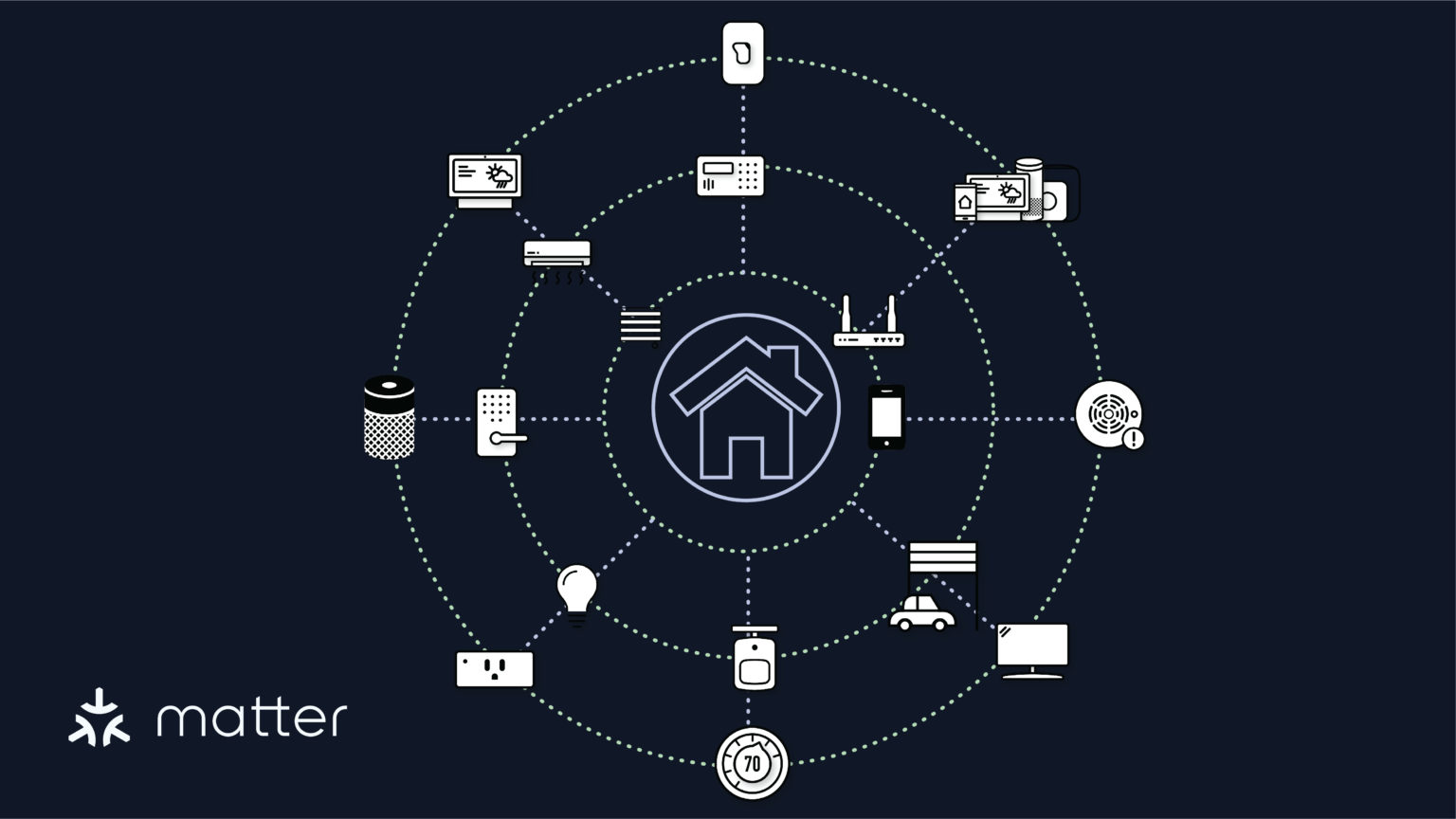
So, how does it actually function under the hood? It’s simpler than you might think, though there are two key terms you need to know: Matter and Thread. Think of Matter as the language everyone speaks. It’s the application layer that ensures your light bulb understands the command "turn on" regardless of whether it’s coming from an iPhone, a Pixel, or an Echo dot. But language needs a delivery method. That’s where Thread comes in.
Thread is a low-power, mesh networking protocol. Unlike Wi-Fi, which can get congested and drain batteries quickly, Thread creates a local mesh network using your devices themselves. Each Thread-enabled device acts as a node, passing signals along to others. This makes the network incredibly robust. If one device goes offline, the signal just routes around it. To use Matter over Thread, you need a Thread Border Router. This sounds technical, but you probably already have one. Modern smart speakers from Apple (HomePod mini), Google (Nest Hub), and Amazon (Echo 4th Gen) all act as border routers. They bridge the Thread network to your main Wi-Fi internet connection.
This combination is powerful. Because Matter runs locally on Thread, your commands don’t always need to go out to the cloud and back. This means faster response times. You flip a switch, and the light turns on instantly. No lag. No "waiting for server" errors. It also means your smart home keeps working even if your internet goes down. Local control is a huge deal for reliability. In 2026, this local-first approach has become the gold standard. It’s not just about convenience; it’s about resilience. Your home doesn’t stop being smart just because your ISP is having issues.
Breaking Down the Walled Gardens
The most exciting part of the Matter revolution is the death of ecosystem lock-in. Remember when buying a HomeKit-compatible device meant paying a "Apple tax"? Or when Alexa users felt left out of certain innovations? Those days are fading. In 2026, a single Matter-certified smart lock can be added to your Apple Home, Google Home, and Amazon Alexa apps simultaneously. You don’t have to choose one master controller. You can use Siri to lock the door, ask Google to check if it’s locked, and have Alexa announce when someone enters. They all talk to the same device, using the same standard.
This freedom changes how we shop. You’re no longer bound by the brand of your first smart speaker. If you love the sound quality of Sonos but prefer the interface of Apple Home, you can mix them without worry. If you want to try out a new Samsung SmartThings sensor because it has better battery life, you can add it to your existing Google setup without jumping through hoops. The barriers are gone. This interoperability extends to the "long tail" of device makers too. Small, innovative startups can now reach a massive audience without needing to build separate integrations for every major platform. They just build for Matter, and they’re in.
Of course, there are still nuances. Some advanced features specific to a brand might still require their native app. For instance, complex lighting scenes or detailed energy monitoring might look better in the manufacturer’s app. But for the core functions—on/off, status checks, basic automation—Matter handles it beautifully. The "jealous sibling" dynamic between tech giants has been replaced by a grudging but functional cooperation. They compete on services and AI, not on basic connectivity. And for us, the users, that’s a win. We get the best of all worlds.
The Role of AI in a Unified Home
With the connectivity problem solved, the focus has shifted to intelligence. 2026 is the year where adaptive AI finally made smart homes truly smart. When devices can reliably communicate, AI algorithms can process data more effectively. Instead of simple "if this, then that" rules, we now have systems that learn and adapt. Matter 1.4 and subsequent updates laid the groundwork for this by standardizing data types. Now, an AI assistant can understand that a motion sensor trigger, a drop in ambient light, and a change in temperature all relate to the same context: you’re watching a movie.
This convergence of Matter, Thread, and on-device processing represents a major tipping point. Your home system can now make decisions locally without sending every scrap of data to the cloud. This preserves privacy while enabling faster, more intuitive automation. Imagine your home noticing that you usually lower the blinds and dim the lights at 7 PM on weekdays. Over time, it starts doing this automatically, but it also checks if you’re actually home. If you’re away, it keeps the lights off to save energy. If you’re having guests, it adjusts based on noise levels. These aren’t pre-programmed scripts; they’re learned behaviors.
The result is a home that feels less like a collection of gadgets and more like a helpful partner. It saves money by optimizing energy use. It enhances comfort by anticipating needs. And because it’s built on Matter, these AI features aren’t locked to one brand. You can use Apple’s intelligence features alongside Google’s predictive models if you want. The open standard allows for a richer ecosystem of AI tools. Developers are creating third-party automation engines that plug into any Matter network, offering capabilities that no single tech giant could provide alone. We’ve moved beyond remote controls to genuine assistance.
What You Need to Get Started in 2026
If you’re ready to dive in, you might be wondering what you actually need. The good news is, you probably don’t need to rip out your entire system. Many devices purchased in the last two or three years are Matter-upgradable via firmware. Check your existing apps for updates. If you have newer smart speakers or hubs from Apple, Google, Amazon, or Samsung, you likely already have a Thread Border Router. That’s half the battle won.
When buying new devices, look for the Matter logo. It’s usually accompanied by a number indicating the version, but in 2026, most new gear supports at least Matter 1.3 or 1.4. Pay attention to whether the device uses Wi-Fi or Thread. For battery-powered sensors, locks, and small switches, Thread is the better choice due to its low power usage. For high-bandwidth devices like cameras or large displays, Wi-Fi is still necessary. Most modern hubs support both, so you can mix and match. Just ensure your router is decent; while Thread handles the local mesh, your main Wi-Fi network still needs to handle the internet traffic.
Setup is now remarkably uniform. You scan a QR code on the device or its packaging with your phone’s camera, and it prompts you to add it to your preferred smart home platform. You can often add it to multiple platforms during this initial setup. It’s fast, secure, and standardized. No more hunting for obscure pairing buttons or entering long PINs. If you’re starting from scratch, consider buying a few Thread-enabled bulbs or plugs first to test the mesh network. You’ll notice the difference in speed and reliability immediately. It’s a small step, but it opens the door to a much larger, more cohesive system.
Common Hiccups and How to Fix Them
Let’s be honest—it’s not all smooth sailing. Even in 2026, things can go wrong. Matter is a complex standard, and implementation varies. Sometimes a device drops off the network. Other times, an update breaks a specific automation. It’s rare, but it happens. The key is knowing where to look. Most connectivity issues stem from the Thread border router. If your automations are lagging, try restarting your smart speaker or hub. It often re-establishes the mesh connections more effectively.
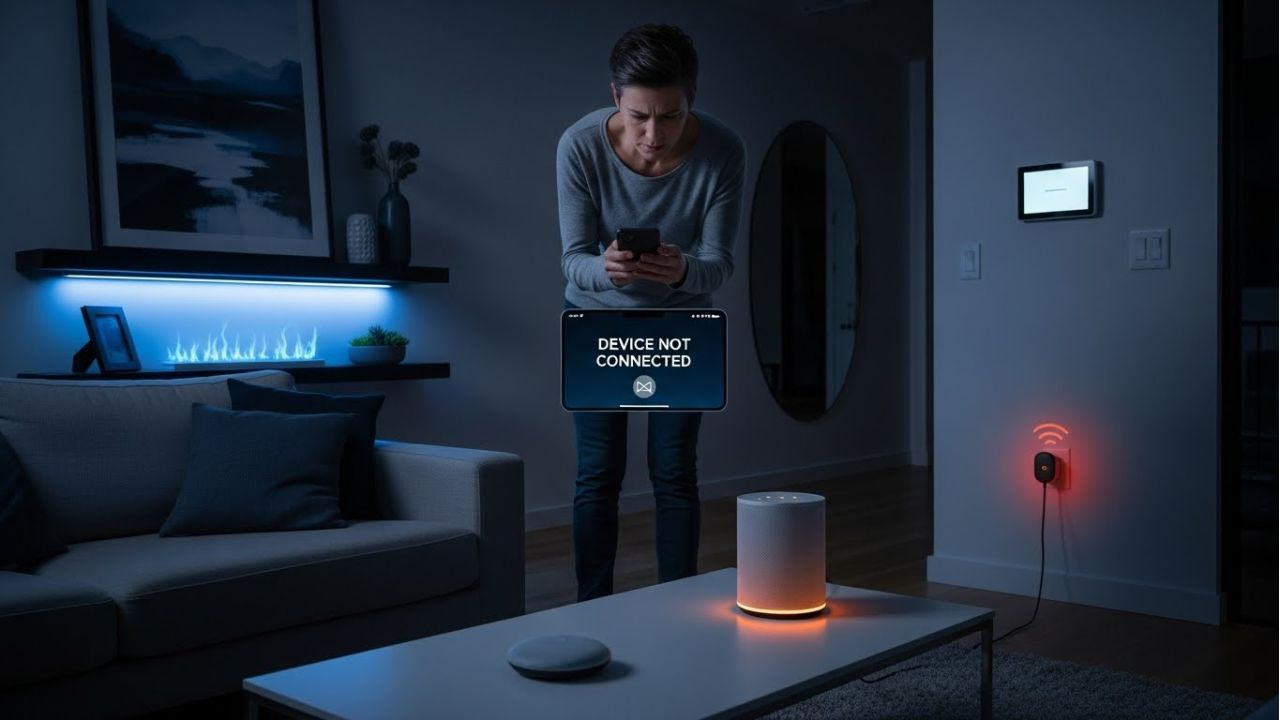
Another common issue is "commissioning" failures. This is the initial setup phase. If a device won’t pair, ensure your phone is on the same Wi-Fi network as your border router. Sometimes, 5GHz vs 2.4GHz bands can cause confusion during setup. Switching your phone to the 2.4GHz band temporarily can help. Also, keep your firmware updated. Manufacturers are still refining their Matter stacks. An update from six months ago might have fixed a bug that’s currently plaguing you.
Don’t ignore the human element either. Sometimes, the problem isn’t the tech; it’s the expectation. Matter unifies control, but it doesn’t magically make a cheap sensor high-quality. If a device has poor hardware, Matter won’t fix that. Buy from reputable brands, even if they’re budget-friendly. Read reviews specifically mentioning Matter performance. And remember, support communities are your friend. Forums dedicated to smart home tech are full of people solving the exact same problems. In 2026, the collective knowledge base is vast. You’re rarely the first person to encounter a glitch, and you’re rarely the last to find the fix.
Looking back, it’s easy to forget how fragmented things used to be. We accepted the inconvenience as the cost of innovation. But 2026 proves that we didn’t have to. The success of Matter shows that collaboration, even among fierce competitors, is possible when the goal is improving the user experience. Your smart home finally works together not because one company won, but because everyone agreed to play by the same rules. This shift has unlocked a level of convenience and reliability that was previously unimaginable.
The implications go beyond just turning lights on and off. With a unified foundation, developers can build more sophisticated applications. Health monitoring, elderly care, energy grid integration—all of these benefit from a standardized, reliable communication layer. Your home is becoming a platform for broader services, not just a collection of isolated toys. And because it’s open, innovation can come from anywhere. A startup in Berlin can create a sensor that works just as well in a home in Tokyo or New York, without needing permission from a tech giant.
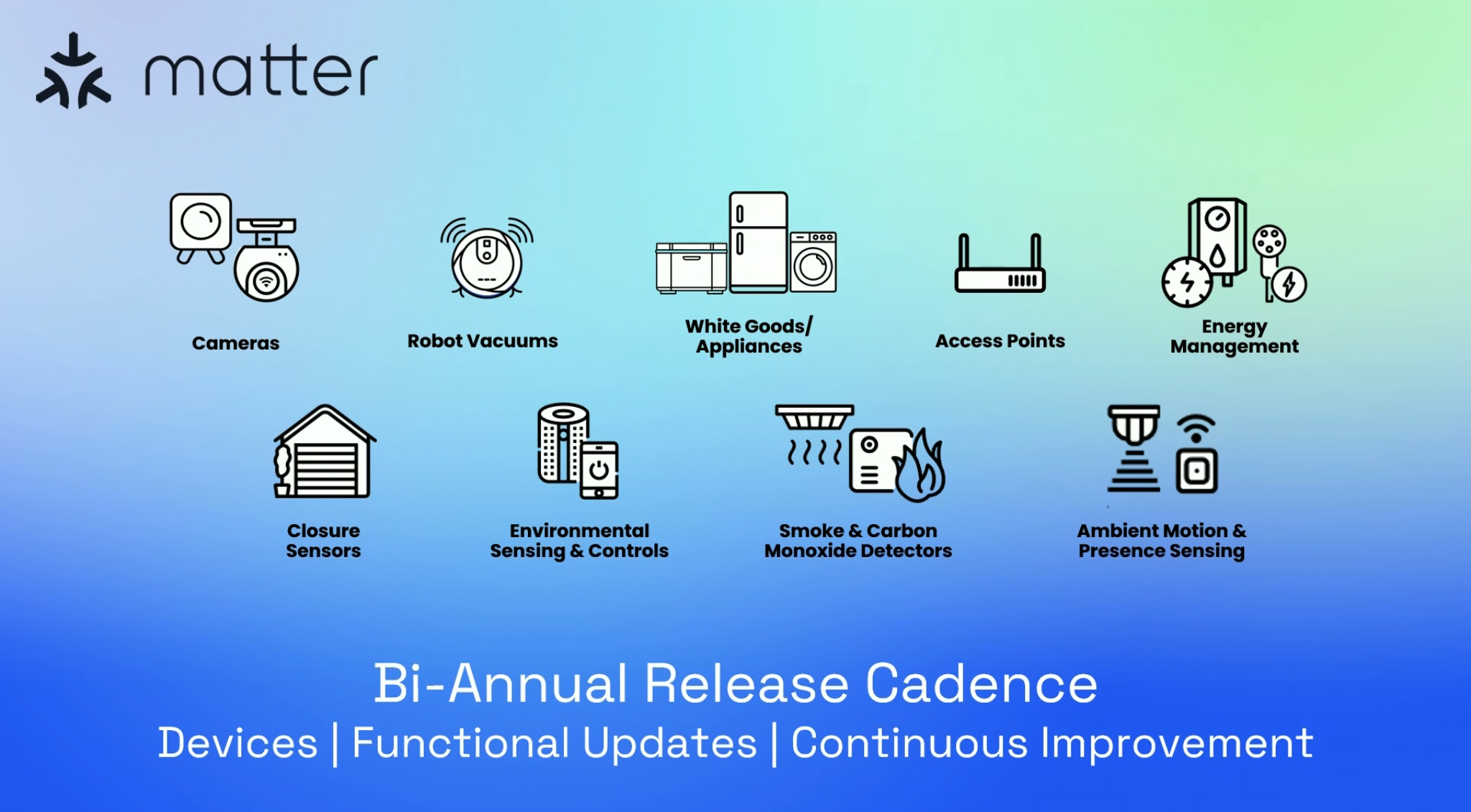
So, where do we go from here? The technology will continue to evolve. Matter 2.0 and beyond will add support for more complex devices and deeper AI integration. But the core principle remains: interoperability. The walled gardens are gone. The future is open, connected, and surprisingly simple. If you’ve been waiting on the sidelines, now is the time to jump in. Your home is ready to work for you, not against you. And honestly, isn’t that what it was supposed to be all along?