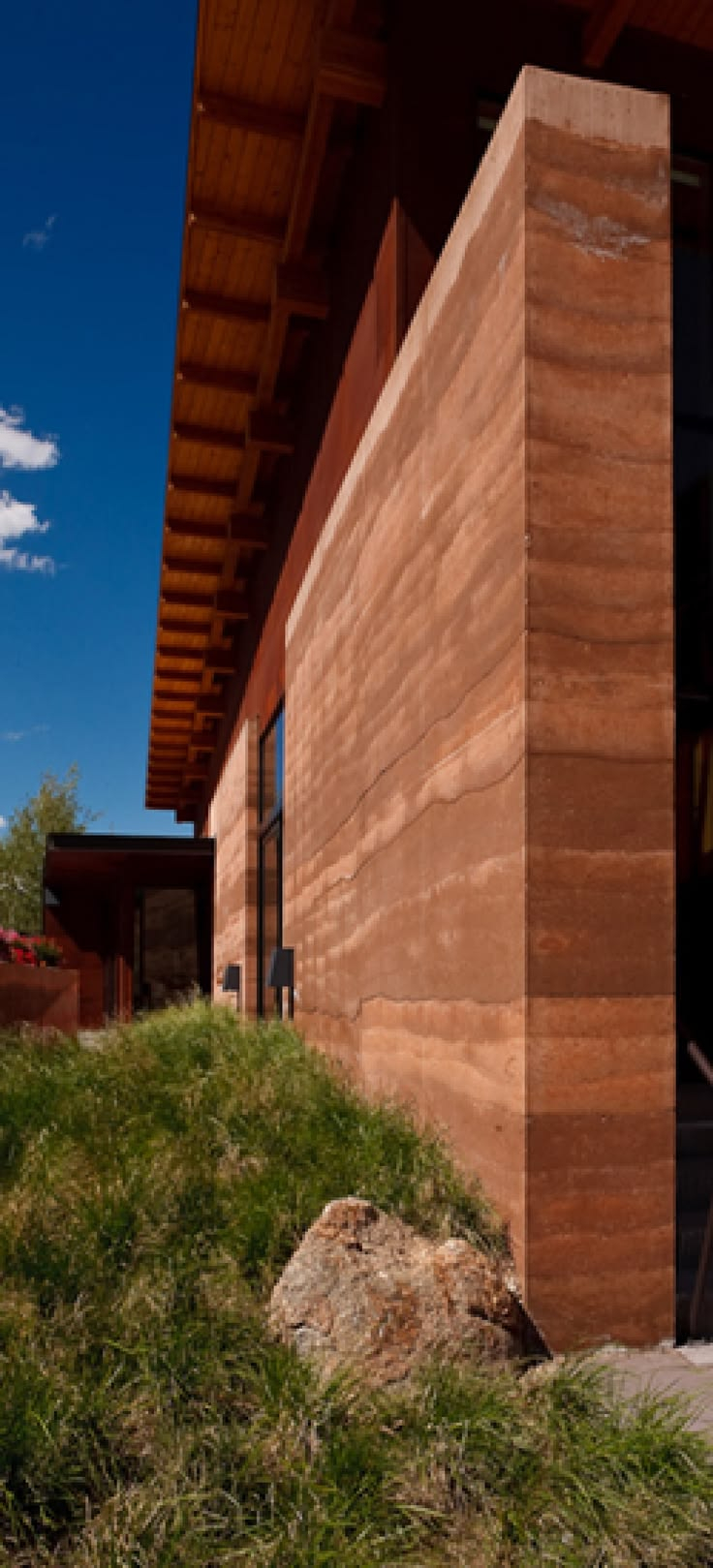
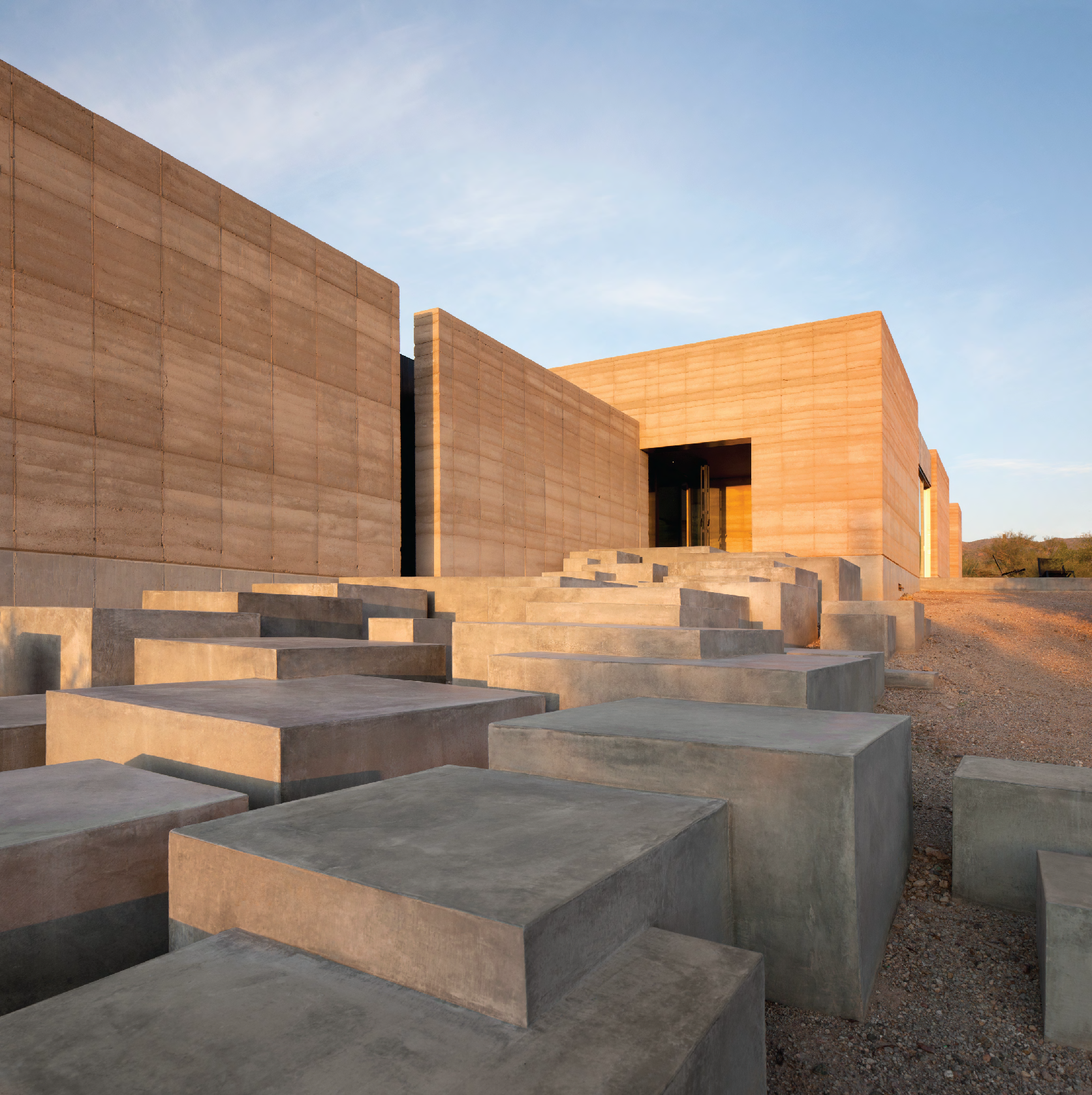
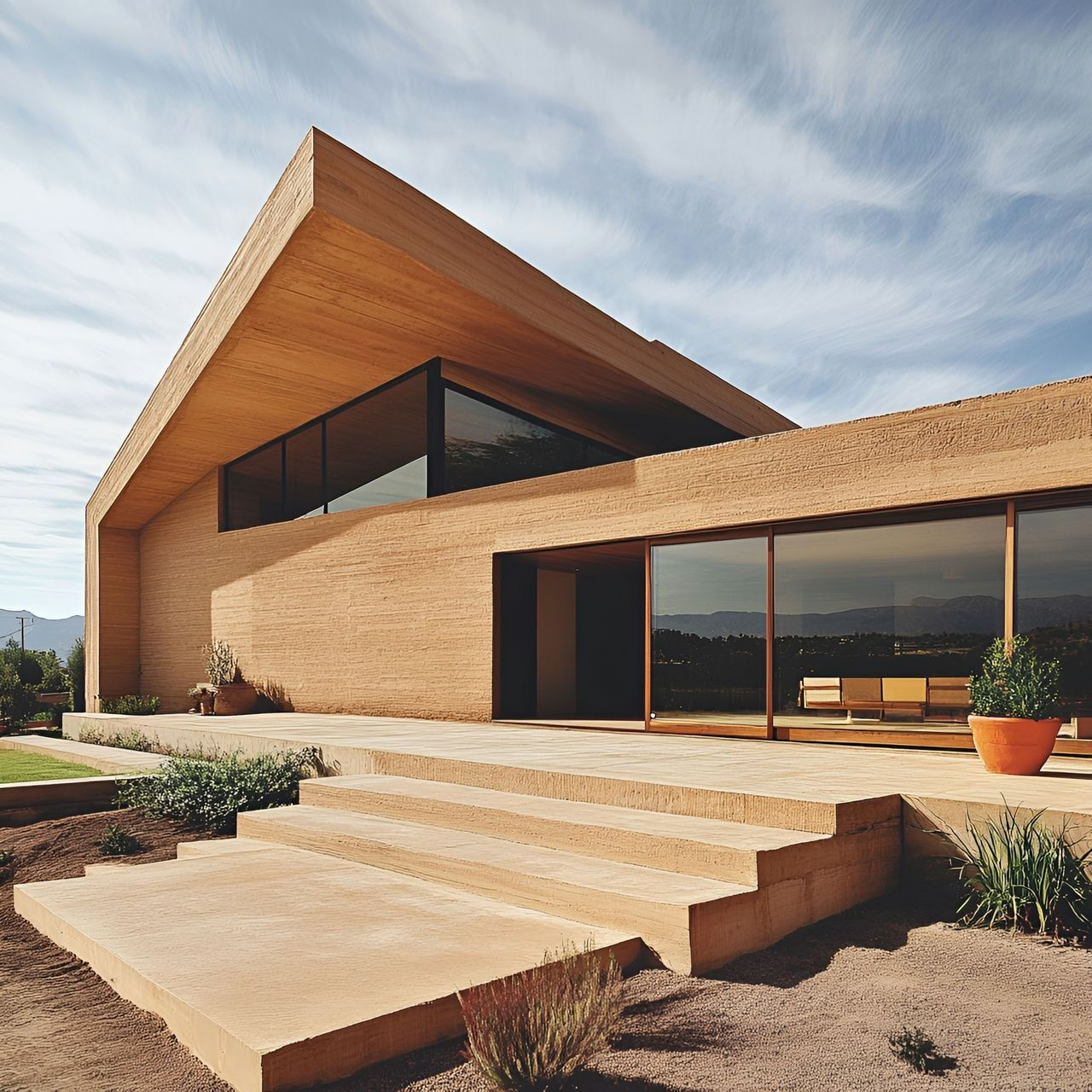
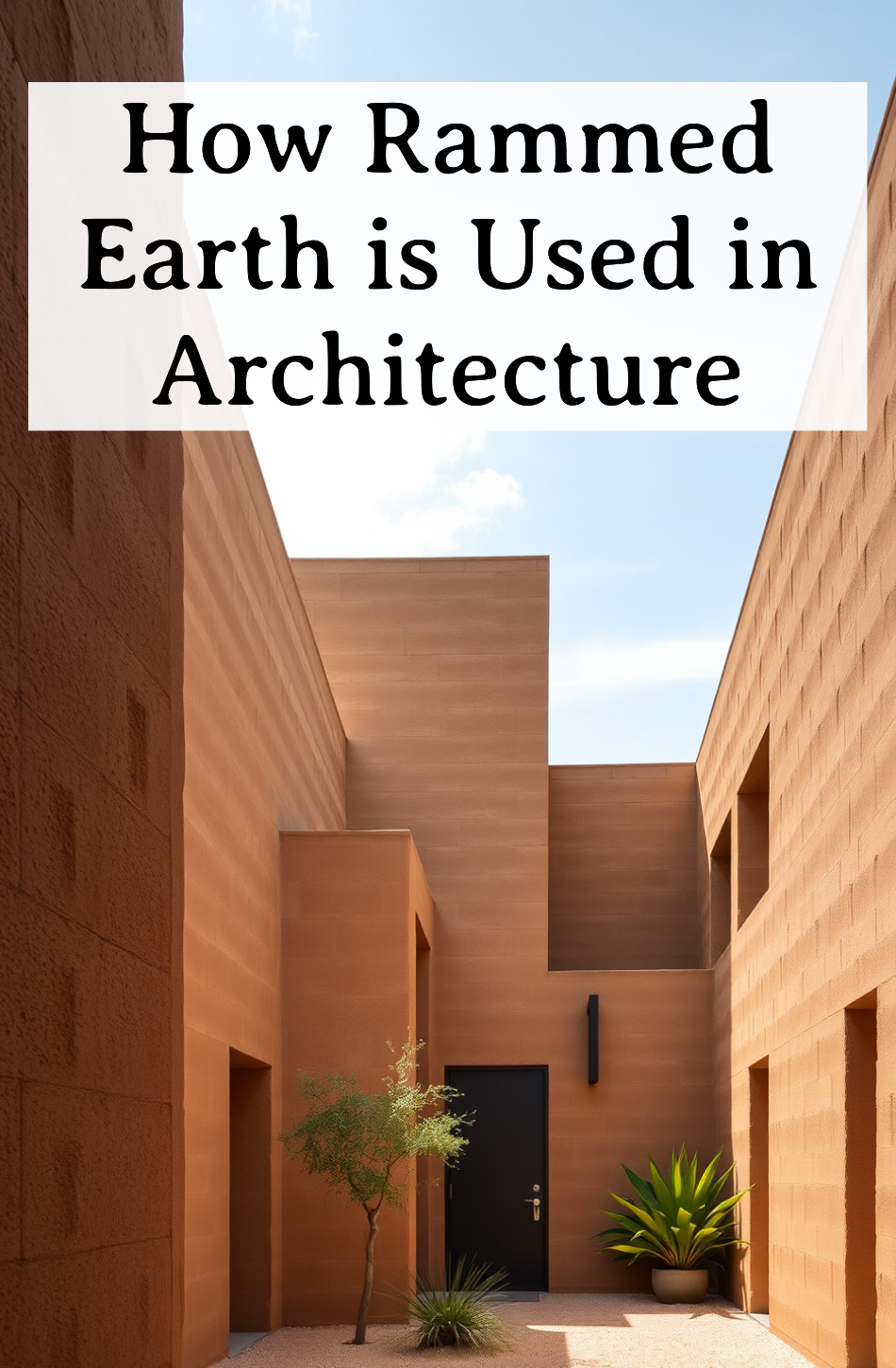
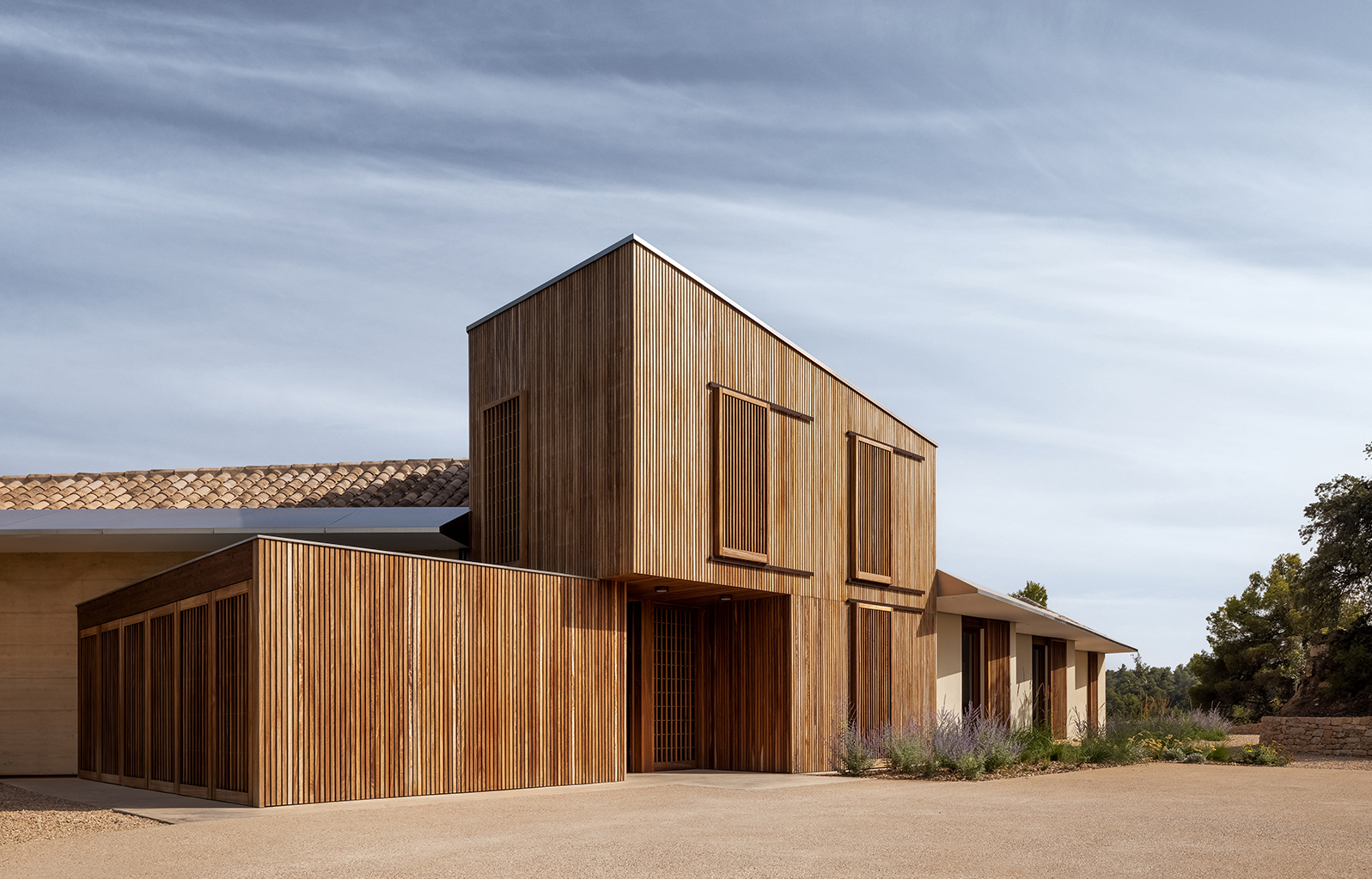
You’ve seen the photos. Those stunning, layered walls that look like geological cross-sections sliced open by a giant knife. They’re warm, textured, and undeniably cool. Instagram loves them. Pinterest boards are full of them. But when you actually talk to the people drawing the lines for these homes—the architects—you get a different story. It’s not just about aesthetics. It’s about physics, patience, and a whole lot of dirt.
Most people think rammed earth is just "old school" building. Like, something our grandparents did because they didn’t have concrete. And sure, it’s ancient. But in 2026, it’s also high-tech. It’s precise. It’s complicated. Architects spend hours calculating soil mixes and insulation values that most homeowners never see. They wish you knew that this isn’t just a style choice. It’s a commitment. A serious one.
So, why do they keep doing it? Why fight the uphill battle of explaining thermal mass to clients who just want quick drywall? Because when it’s done right, it’s magic. It breathes. It lasts for centuries. It connects you to the ground you’re standing on. But getting there requires stripping away the romance and looking at the mud, literally. Let’s dig into what’s really going on behind those beautiful striped walls.
It’s Not Just Dirt, It’s Chemistry
Here’s the first thing architects wish you’d stop saying: "It’s just packed dirt." If only it were that simple. You can’t just go out to your backyard, shovel some soil into a formwork, and hammer it down. That’s a recipe for a wall that crumbles when it rains or cracks when the sun hits it. Rammed earth is an engineered material. It’s a recipe. And like any good recipe, if you swap out the flour for sand without adjusting the liquid, your cake won’t rise.
The mix usually involves subsoil—stuff from below the topsoil layer that doesn’t have organic matter in it. Rotting leaves and roots are the enemy here. They decompose and leave holes. Architects work with geotechnical engineers to test the soil. They’re looking for a specific balance of clay, silt, sand, and gravel. Too much clay? The wall shrinks and cracks as it dries. Too much sand? It won’t stick together. It’s a delicate dance. In recent years, we’ve even seen stabilized rammed earth, where a small amount of cement or lime is added to boost durability. This isn’t cheating; it’s adapting ancient wisdom to modern building codes.
Think of it like baking bread. You need the right gluten structure. In rammed earth, the clay acts as the binder, the glue holding the aggregates together. Architects spend weeks, sometimes months, testing local soils. They make little sample blocks, crush them, soak them, and stress them. It’s tedious. It’s unglamorous. But it’s the difference between a wall that stands for five hundred years and one that fails in five. So next time you admire a rammed earth home, remember: it’s not just dirt. It’s science.
The Thermal Mass Misconception
Let’s talk about comfort. One of the biggest selling points of rammed earth is "thermal mass." You’ve probably heard the term. It sounds fancy. Basically, it means the walls absorb heat during the day and release it slowly at night. This keeps the house cool in summer and warm in winter. Sounds perfect, right? Well, yes and no. Architects wish you understood that thermal mass is not the same as insulation. This is a crucial distinction that trips up so many people.
Insulation stops heat from moving. Think of a cooler bag. It keeps the cold in and the heat out. Thermal mass stores heat. If you put a cooler bag in the sun, it eventually gets hot inside. But if you put a big rock in the sun, it gets hot and stays hot for a long time. Rammed earth is the rock. If you live in a place with huge temperature swings between day and night—like a desert—thermal mass is amazing. The wall soaks up the midday sun and releases it when it’s chilly at 3 AM. But if you live in a place that’s just cold all the time, like Seattle or London, thermal mass alone won’t save you. You still need insulation.
In fact, modern building codes in 2026 are strict about energy efficiency. You can’t just build a thick earth wall and call it a day. Architects often have to sandwich insulation between layers of rammed earth, or add rigid foam on the exterior. It complicates the look. It adds cost. But it’s necessary. Without proper insulation, a rammed earth house in a cold climate can feel like living in a cave. Damp. Cold. Uninviting. So, don’t assume earth walls mean you can skip the heating bill. They help regulate temperature, but they don’t create heat. You still need a plan for the weather.
The Cost Reality Check
Let’s address the elephant in the room. Money. Many people assume that because rammed earth uses "free" dirt, it must be cheap. Architects laugh at this. Actually, they sigh. It’s one of the most expensive ways to build a wall. Why? Labor. And time. Pouring concrete is fast. You truck it in, pump it into forms, and let it set. Framing with wood is fast. You cut studs, nail them up, and hang drywall. Rammed earth is slow. Painfully slow.
Each lift of earth—usually about four to six inches high—has to be poured, spread, and compacted. Then you wait. Then you pour the next lift. It’s manual labor, often done by hand or with pneumatic tampers. It takes weeks to raise a single wall. And the formwork? It’s heavy. It’s complex. You need steel or heavy-duty plywood systems that can withstand thousands of pounds of pressure. These forms aren’t cheap to rent or build. Plus, you need skilled crews. You can’t just hire any general contractor. You need specialists who understand the moisture content, the compaction rates, and the artistry of the layers.
In 2026, labor costs are higher than ever. Skilled tradespeople are scarce. Finding a crew that knows how to ram earth properly is like finding a needle in a haystack. This drives the price up. A rammed earth wall can cost two to three times more than a standard framed wall. Maybe more. Architects wish clients would budget for this upfront. Don’t fall in love with the idea of earth walls if your budget is tight. It’s a luxury item. It’s an investment in longevity and beauty, but it’s not a money-saver. If you’re doing it to save cash, stop. Go with straw bale or adobe if you want cheaper earth options. Rammed earth is the premium package.
Aesthetics Are Unpredictable (And That’s Okay)
We live in an age of perfection. We want straight lines. Uniform colors. Flawless surfaces. Rammed earth hates this. It’s organic. It’s variable. Even if you use the same soil mix from the same pit, the color can shift. Maybe it rained the week before you harvested the soil, changing the moisture content. Maybe the clay concentration varied slightly across the site. These subtle changes create bands of color. Some people love this. They call it "character." Others freak out. They see it as a defect.
Architects wish you knew that you can’t control everything. You can specify a color range. You can ask for consistent sourcing. But you can’t guarantee uniformity. And honestly, that’s the point. The beauty of rammed earth is its honesty. It shows the history of its creation. You can see the layers. You can see the texture of the aggregate. It’s tactile. It invites touch. But if you’re the kind of person who needs every inch of your house to match perfectly, this might drive you crazy.
There’s also the issue of shrinkage cracks. Tiny hairline cracks are normal. They happen as the water evaporates and the earth settles. Architects usually design details to hide or accommodate these. Maybe a wooden sill plate covers the bottom. Maybe the joinery allows for movement. But they’re there. They’re part of the material. In 2026, we’re seeing more clients embrace this wabi-sabi aesthetic. Imperfection as beauty. But it’s a mindset shift. You have to let go of the idea of "perfect." You have to accept the earth for what it is. Unpredictable. Wild. Real. If you can’t handle a little chaos in your walls, stick to drywall.
Maintenance Isn’t Zero, But It’s Low
Here’s a myth: "Rammed earth is maintenance-free." Nope. Nothing is maintenance-free. But rammed earth is low maintenance compared to many other materials. It doesn’t rot like wood. It doesn’t rust like steel. It doesn’t peel like paint. But it does need protection. Specifically, from water. Water is the kryptonite of earth walls. If water sits on top of a rammed earth wall, it will erode. It will soften the clay and wash it away. Over time, this creates divots. Weak spots.
Architects design big overhangs. Roofs that extend far beyond the walls to keep rain off. This is non-negotiable. You can’t have a flat roof with no eaves on a rammed earth house in a rainy climate. It’s suicide for the building. You also need good foundations. The wall needs to sit on a concrete stem wall that rises at least six to twelve inches above the ground. This prevents splashback from rain hitting the soil near the foundation. Gutters and downspouts are critical. They need to direct water away from the base of the walls.
Inside, it’s easier. But you still need to be careful. You can’t just hose down an interior earth wall. Cleaning is done with a soft brush or a dry cloth. Some people apply sealers. There’s debate about this. Some architects hate sealers because they block the wall’s ability to breathe. Moisture gets trapped inside, causing damage. Others recommend breathable, silicate-based sealers that protect against dusting without sealing the pores. It’s a balancing act. In 2026, we’re seeing more natural oil finishes, like linseed or tung oil, used sparingly. They enhance the color and provide a bit of protection. But remember: protection, not waterproofing. The wall needs to breathe.
Finally, let’s talk about the green aspect. Rammed earth is often marketed as the ultimate eco-friendly material. Low embodied carbon. Local sourcing. Recyclable. All true. But it’s not a silver bullet. Architects wish you understood the nuances. Yes, the soil itself has very low embodied energy. You’re not firing bricks in a kiln. You’re not melting steel. But the cement used in stabilized earth? That has a carbon footprint. The transportation of heavy machinery to the site? That burns fuel. The formwork systems? They require resources to manufacture.
However, compared to conventional concrete or steel, rammed earth is still a winner. Much of the time. Especially if you use unstabilized earth and source it locally. In 2026, with climate change accelerating, every ton of CO2 saved matters. Rammed earth walls can sequester carbon if you use lime instead of cement. Lime absorbs CO2 as it cures. It’s a slow process, but it helps. Plus, the durability factor. A rammed earth house can last for centuries. Think about the Roman ruins. Some of those are rammed earth (or similar techniques). If a building lasts 500 years, you don’t have to rebuild it every 50. That’s a huge environmental win.
But don’t do it just for the "green" label. Do it because it’s beautiful. Because it feels good. Because it connects you to your place. The environmental benefits are a bonus, not the sole justification. Architects see too many clients chasing LEED points or net-zero certifications without understanding the material. Rammed earth isn’t a checkbox. It’s a philosophy. It’s about slowing down. Using what’s around you. Building for the long haul. If you approach it with that mindset, you’ll get more than just a sustainable house. You’ll get a home that feels alive.
So, there you have it. The good, the bad, and the muddy. Rammed earth isn’t for everyone. It’s expensive. It’s slow. It’s unpredictable. But it’s also profound. It grounds you. Literally. When you walk into a rammed earth home, the air feels different. Quieter. Cooler. The light hits the textured walls and softens. It’s a sensory experience that drywall can’t match.
If you’re considering it, go in with your eyes open. Talk to architects who have done it. Visit existing homes. Touch the walls. Ask about the cracks. Ask about the bills. Understand the commitment. It’s not a trend. It’s a tradition. And in a world that’s moving faster and faster, there’s something deeply comforting about building with the earth beneath your feet. It reminds us that we’re part of the landscape, not separate from it. And maybe, just maybe, that’s exactly what we need right now.