You’re sitting there, staring at the spinning wheel of death on your screen. Again. It’s 2026, and while we have cars that drive themselves and phones that fold like origami, half of us are still stuck with internet speeds that feel like they’re running on hamster wheels. You’ve heard the whispers about "fiber." The magic word. The golden ticket to buffering-free life. But does it actually reach your house? Or is it just a myth told by people who live in the city center?
It’s frustrating, isn’t it? You see your neighbor posting about their lightning-fast uploads, and you wonder what you did wrong. Did you pick the wrong street? The wrong zip code? The truth is, fiber availability is weirdly specific. It’s not like cable or DSL, which blanket entire neighborhoods. Fiber is built strand by strand, house by house. So, checking for it requires a bit more detective work than just calling a generic hotline. But don’t worry. We’re going to walk through exactly how to find out if that sweet, sweet gigabit speed is waiting for you.
Start with the Big Picture: National Broadband Maps
Before you dive into individual provider websites, you need a bird’s-eye view. The best place to start in 2026 is still the FCC National Broadband Map. This tool has come a long way since its early days. It’s no longer just a rough estimate; it’s a detailed, address-specific database that shows exactly what services are reported as available at your location. Internet Service Providers (ISPs) are required to report this data, and the FCC updates it continuously based on public feedback and new provider submissions.
Why start here? Because it’s unbiased. Provider websites want to sell you something, so they might show you "available" even if it’s a waitlist six months long. The FCC map tells you what’s technically there. Just head over to broadbandmap.fcc.gov, type in your exact address, and look for the "Fiber" tag. If you see it, you’re in luck. If not, don’t panic yet. Sometimes the data lags behind reality, especially in rapidly developing areas. But it’s your best baseline. Think of it as checking the weather forecast before you step outside. It won’t tell you if it’s raining right this second, but it’ll tell you if you need an umbrella.
Also, keep in mind that the map allows you to filter by speed. You’re looking for gigabit, which means 1000 Mbps or higher. Make sure you’re not settling for a "high-speed" label that actually means 50 Mbps. In 2026, gigabit is becoming the standard for serious users, so don’t let them fool you with outdated definitions. If the map shows fiber but only at lower speeds, it might mean the infrastructure is there but hasn’t been upgraded for residential gigabit plans yet. That’s a clue worth noting.
Go Direct: Check Major Provider Tools
Once you have a hint from the FCC map, it’s time to go straight to the source. The most accurate way to confirm availability is through the official availability tools on provider websites. Companies like AT&T, Google Fiber, and Verizon Fios have invested heavily in their lookup engines. For instance, if you’re curious about Google Fiber, you can head to fiber.google.com and plug in your address. They’ll tell you instantly if you’re in a serviceable area and even show you the specific plans available, like their multi-gig options that go up to 5 Gbps in some cities.
AT&T is another big player. Their site, att.com, lets you check fiber availability by address too. They’ve been aggressive in expanding their fiber footprint, so even if you didn’t have it last year, you might have it now. The key here is precision. Don’t just enter your zip code. Enter your full street address, including apartment or unit numbers if applicable. Fiber is activated address by address, as noted by experts at Ting. Your neighbor across the street might have it, but if the line hasn’t been dropped to your specific pole or buried to your foundation, you’re out of luck.
Don’t stop at the big names, though. Regional providers often have better coverage in specific areas. Use aggregators like BroadbandNow or FiberAtMyAddress. These sites pull data from multiple providers, giving you a comprehensive list of who serves your area. BroadbandNow, for example, claims to track over 2,800 providers in the US. It’s a quick way to see if a local telecom you’ve never heard of is actually the one bringing fiber to your block. Just remember, these third-party sites are useful for discovery, but always double-check with the provider’s official site for the final word on pricing and installation timelines.
The Human Element: Ask Your Neighbors and Local Groups
Here’s a secret that algorithms can’t tell you: sometimes the best data comes from people. Online maps and provider tools are great, but they don’t always reflect the on-the-ground reality. Maybe the fiber box on your corner was installed last week, but the website hasn’t updated yet. Maybe there’s a construction delay that won’t be reflected in the database for months. This is where your neighbors come in.
Start by looking around. Do you see small, gray boxes on telephone poles or near sidewalks? Those are often fiber distribution points. If you see technicians working in your area, ask them. They usually know which streets are next in line for activation. But the best resource is your local community. Nextdoor, Facebook neighborhood groups, or even a simple chat over the fence can yield gold. Ask questions like, "Has anyone gotten fiber installed recently?" or "Who is your provider?" People love to share their wins, especially when it comes to faster internet.
You can also check local subreddits or city-specific forums. In 2026, these communities are more active than ever. Search for your city name plus "fiber" or "ISP." You’ll often find threads where residents discuss rollout schedules, complain about outages, or recommend specific providers. This qualitative data helps you gauge reliability, not just availability. After all, what good is gigabit fiber if it goes down every time it rains? Real user experiences give you the full picture that a simple "yes/no" availability check misses.
Decode the Jargon: Fiber vs. Fiber-Lite
Not all "fiber" is created equal. This is where things get tricky, and why you need to be a bit of a skeptic. When a provider says they offer "fiber," they might mean Fiber-to-the-Home (FTTH), which is the real deal. The fiber optic cable runs all the way into your house. This gives you symmetrical speeds (upload equals download) and ultra-low latency. But they might also mean Fiber-to-the-Node (FTTN) or Fiber-to-the-Curb (FTTC). In these cases, fiber runs to a nearby box, but the last stretch to your home is still copper wire.
Why does this matter? Because copper bottlenecks the speed. You might get decent download speeds, but your upload speeds will lag, and you won’t get the true gigabit experience. In 2026, true gigabit fiber should be FTTH. When you’re checking availability, look for terms like "pure fiber," "FTTH," or "symmetrical speeds." If the plan advertises 1000 Mbps download but only 50 Mbps upload, it’s likely not pure fiber. Be wary of marketing terms like "fiber-powered" or "high-speed fiber network." These are often red flags for hybrid connections.
You can also look at the technology specs. True fiber uses GPON or XGS-PON technology. If you’re talking to a sales rep, ask them directly: "Does the fiber cable enter my home, or does it stop at the street?" If they hesitate or give a vague answer, dig deeper. You’re paying for premium speed, so you deserve premium infrastructure. Don’t let them upsell you on a "gigabit" plan that’s actually running on old copper lines. It’s like buying a sports car with a lawnmower engine. Looks fast, doesn’t perform.
Watch for Rollout Maps and Waitlists
Sometimes, the answer isn’t "no," it’s "not yet." Many providers, especially newer ones or those expanding into suburban areas, use rollout maps. These maps show planned construction phases. You might find that your address is in "Phase 2" or "Coming Soon." This is crucial info. If you’re willing to wait, you might be able to pre-register or join a waitlist. Google Fiber and AT&T often have these lists. By signing up, you get notified when service becomes available in your specific cluster of homes.
But be careful with waitlists. They aren’t guarantees. Construction delays, permit issues, or budget cuts can push dates back. In 2026, supply chain issues have largely resolved, but labor shortages and local regulations can still slow things down. If you join a waitlist, ask for an estimated timeline and check in periodically. Don’t just set it and forget it. Also, see if there’s a deposit required. Some providers ask for a small fee to reserve your spot, which shows they’re serious about building in your area.
Keep an eye on local news too. City council meetings often discuss broadband expansion projects. Municipalities are increasingly partnering with private ISPs or building their own networks to bridge the digital divide. If your city is investing in fiber infrastructure, you’re more likely to see availability soon. Follow your local government’s social media or newsletter. They’ll announce groundbreaking ceremonies or completion dates. Being proactive here can save you months of waiting. You want to be the first to know when the switch is flipped.
Verify the Details: Speed Tests and Installation Reality
So, you’ve found a provider. They say they have gigabit fiber at your address. Before you sign the contract, verify the details. Ask about the installation process. Will they need to drill into your home? Is there a fee for running the drop line from the pole to your house? In some cases, if the infrastructure is close, installation is free. If it’s far, you might pay hundreds. Get this in writing. Also, ask about equipment. Do you need their router, or can you use your own? In 2026, many pro-users prefer their own high-end routers to maximize performance.
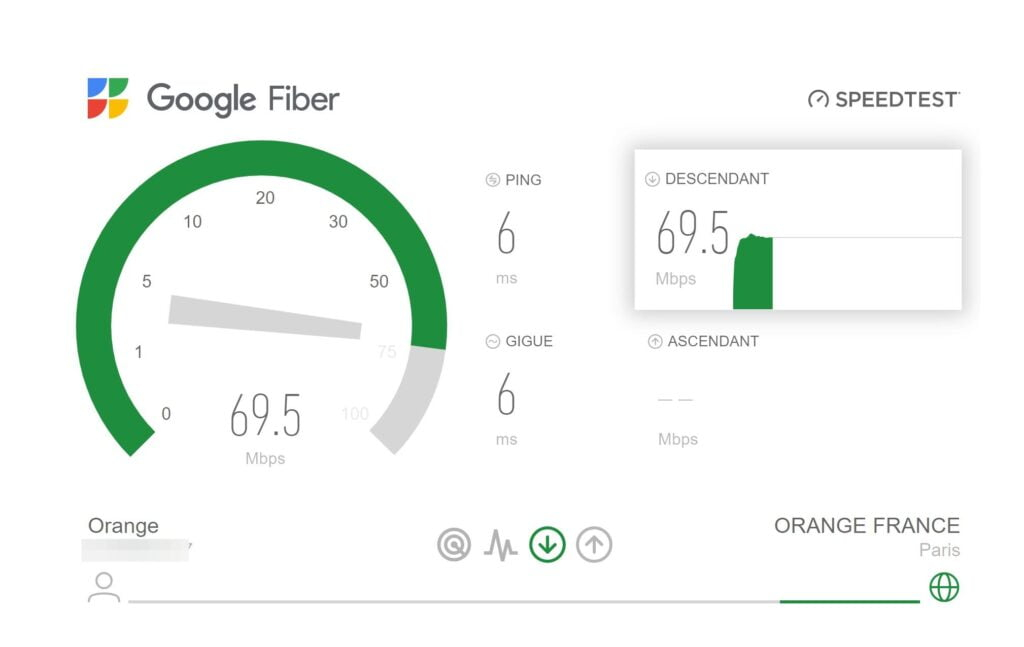
Once you’re installed, test it. Don’t just trust the bill. Use reputable speed test tools like Ookla or Fast.com. Run tests at different times of day. Gigabit fiber should consistently deliver close to 1000 Mbps download and upload. If you’re getting 800 Mbps, that’s normal due to overhead. If you’re getting 300 Mbps, something’s wrong. Contact support immediately. Also, check latency. Fiber should have ping times under 10ms for local servers. High latency means you’re not getting the full benefit of the technology, which matters for gaming and video calls.
Finally, read the fine print on data caps. True fiber plans in 2026 are mostly unlimited, but some providers still sneak in throttling policies after a certain usage threshold. Ensure you’re getting uncapped, unthrottled speeds. You’re paying for the whole gigabit, so make sure you can use it. If everything checks out, congratulations. You’ve joined the elite club of fiber users. Enjoy the buffer-free life. And if it doesn’t work out, remember, you can always switch. The market is competitive, and providers know it. Use that leverage.
Checking for gigabit fiber availability isn’t just a technical task; it’s a step toward upgrading your daily life. Whether you’re working from home, streaming 8K content, or just tired of waiting for pages to load, the right connection makes a difference. By using the FCC map, checking provider tools, talking to neighbors, and understanding the tech, you’ve armed yourself with the knowledge to make the best choice. Don’t settle for less than you deserve.
Remember, the landscape changes fast. What wasn’t available yesterday might be ready tomorrow. Keep checking, keep asking, and keep pushing for better connectivity. Your future self, sitting in a lag-free Zoom call or downloading a massive file in seconds, will thank you. Now, go plug in and power up.