You’ve spent months planning. Maybe even years. You’ve picked out the perfect projector, calibrated the audio so it hits just right, and built a room that feels like a sanctuary. It’s dark. It’s quiet. It’s yours. Now you’re staring at the final piece of the puzzle: the screen. And suddenly, you see these "Ambient Light Rejecting" (ALR) screens everywhere. They promise deeper blacks, better contrast, and a picture that pops like a high-end OLED TV. But here’s the thing. Your room is already dark. So, is dropping extra cash on an ALR screen just throwing money away? Or is it the secret sauce your setup is missing?
It’s a question that keeps popping up in forums and group chats all through 2026. People are confused. Marketing makes it sound like ALR is magic dust you sprinkle on any projector to make it perfect. But the reality is way more nuanced. If you have a dedicated theater—a room with no windows, blacked-out walls, and total control over the lights—an ALR screen might actually be working against you. Or, in some specific cases, it might be exactly what you need to fix a weird visual quirk. Let’s dig into the truth, strip away the hype, and figure out what’s really going on behind the curtain.
The Myth of the One-Size-Fits-All Screen
First off, let’s clear up a common misconception. Not all screens are created equal, but not all "premium" features are necessary. For decades, the industry standard for a dedicated home theater has been a simple, high-quality white screen. Why? Because it’s neutral. It reflects light evenly. It doesn’t try to be clever. When you project an image onto a good white surface in a pitch-black room, you get the colors exactly as the director intended. No tint, no shift, no weird hotspots. Just pure, unadulterated image quality.
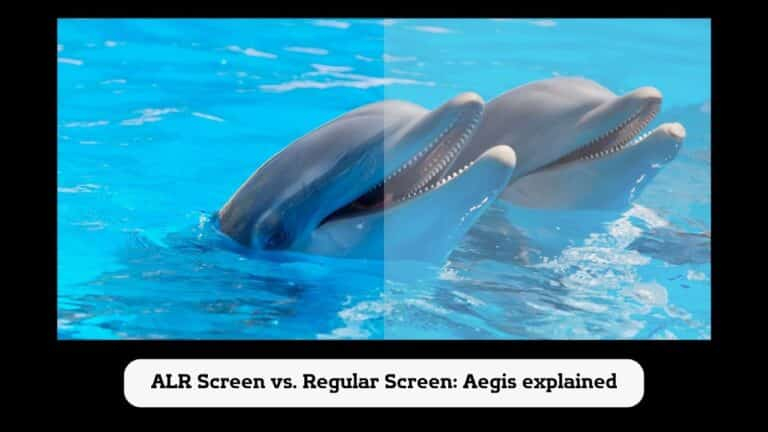
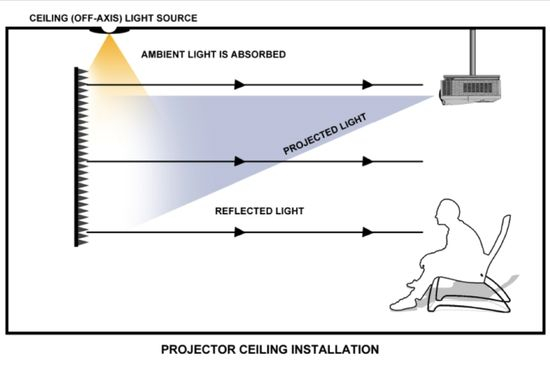
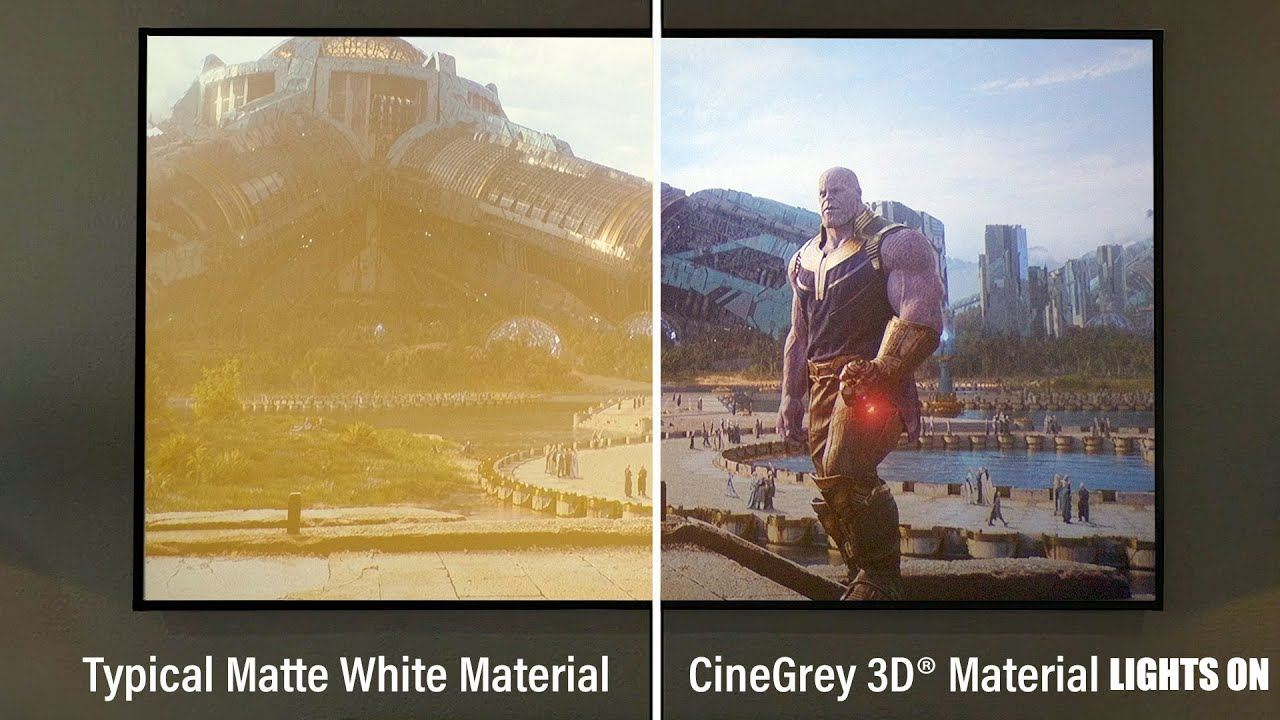
ALR screens, on the other hand, are engineered to fight light. They have special microscopic structures or coatings that bounce light from the projector toward your eyes while absorbing or deflecting light coming from other angles—like ceiling lights or windows. This is incredible for living rooms. If you’re watching a game on a Saturday afternoon with the blinds open, an ALR screen is a lifesaver. But in a dedicated theater? There is no ambient light to reject. So, what is the screen doing? Sometimes, it’s just getting in the way. It can narrow the viewing angle, meaning if you sit off to the side, the picture looks dimmer or washed out. In a room designed for immersion, that’s a trade-off you probably don’t want to make.
Think of it like wearing sunglasses indoors. Sure, they look cool. But if the room is already dark, you’re just making it harder to see. That’s essentially what happens when you pair a standard projector with an ALR screen in a controlled environment. You’re reducing the overall brightness and potentially altering the color accuracy without gaining any real benefit in contrast, because there’s no stray light to combat in the first place. It’s a solution looking for a problem that doesn’t exist in your space.
When White Screens Still Reign Supreme
Let’s talk about why white screens are still the go-to for purists. In 2026, projector technology has advanced massively. We have lasers, high-dynamic-range (HDR) support, and incredible color volume. A high-gain white screen or a standard matte white screen allows all that light to hit your eyes without interference. The result? A bright, vibrant image that fills the room. If you’re watching a blockbuster with lots of dark scenes, a white screen in a dark room will still produce deep, inky blacks because there’s no light bouncing around the room to wash them out.
The key here is "light control." If your dedicated theater is truly dedicated—meaning you’ve got blackout curtains, dark paint on the walls, and maybe even carpet to stop reflections—then a white screen is your best friend. It offers the widest viewing angle. Everyone in the room, whether they’re sitting dead center or lounging on the side sofas, gets the same high-quality experience. With many ALR screens, especially the older or cheaper ones, the "sweet spot" is tiny. Move your head six inches to the left, and the image might lose its punch. In a social setting, like a movie night with friends, that’s a buzzkill.
Also, consider color accuracy. White screens are generally neutral. They don’t add a gray tint or shift the color temperature. Some ALR screens, particularly the gray-ish ones designed to boost contrast perception, can make skin tones look a bit off or mute the vibrancy of colorful scenes. In a controlled environment, you don’t need that artificial contrast boost. Your projector’s native contrast ratio is enough. By sticking with white, you’re trusting the hardware you already bought to do its job, rather than trying to compensate for it with a screen that might introduce new issues. It’s simpler, and often, simpler is better.
The Specific Case for ALR in Dark Rooms
Wait, did I just say ALR is useless in a dark room? Well, hold on. There are exceptions. And this is where things get interesting. Some people swear by ALR screens in their dedicated theaters. Why? Usually, it comes down to two things: Ultra Short Throw (UST) projectors and the "black bar" issue. If you’re using a UST projector—those sleek boxes that sit right below the screen instead of hanging from the ceiling—you absolutely need a specialized ALR screen. These projectors shoot light up at a steep angle, and a standard white screen would reflect half that light into the ceiling, ruining the image. The ALR screen grabs that angled light and sends it straight to you. So, if your "dedicated theater" uses a UST setup, ALR isn’t overkill. It’s mandatory.
Then there’s the aspect ratio debate. Many movie lovers watch films in "Scope" format (2.39:1), which is wider than the standard 16:9 TV shape. If you have a 16:9 screen, you get big black bars at the top and bottom during movies. Some folks find these bars distracting, especially if the projector isn’t perfectly calibrated or if there’s any tiny bit of light leakage in the room. A specific type of ALR screen, often called a "contrast-enhancing" or gray ALR screen, can make those black bars look deeper and less noticeable. It absorbs some of the stray light from the projector’s lens flare or internal reflections, making the non-image areas look truly black.
However, this is a niche use case. If you’re watching mostly 16:9 content—like sports, TV shows, or modern streaming series—those black bars aren’t an issue. And if you have a constant aperture screen (a fancy motorized screen that changes shape), you don’t need ALR to hide the bars; you just move the mask. So, unless you’re locked into a UST projector or you’re obsessively focused on masking black bars in a mixed-use room, the argument for ALR in a dark theater starts to weaken. It’s not about rejecting ambient light anymore; it’s about managing projector quirks. And there are other ways to fix those quirks without spending a fortune on a specialized screen.
The Hidden Downsides of ALR Technology
Let’s talk about the stuff the brochures don’t highlight. ALR screens are complex pieces of engineering. That complexity comes with baggage. First, there’s the viewing angle. As mentioned before, many ALR screens have a narrow "cone" of optimal viewing. If you’re building a theater for family and friends, you want everyone to have a great seat. With a restrictive ALR screen, the person sitting on the far left might see a dimmer, color-shifted image compared to the person in the middle. In a dedicated theater, where seating is often arranged in rows, this can be a major disappointment. You’re basically penalizing your guests for not sitting in the "golden chair."
Then there’s the cost. Good ALR screens are expensive. Like, really expensive. We’re talking hundreds, sometimes thousands of dollars more than a comparable high-quality white screen. Is that extra money better spent elsewhere? Maybe on a better projector lens? Or acoustic treatment for the room? Or just a really comfortable recliner? In a dedicated theater, every dollar counts toward the overall experience. Spending a huge chunk on a screen that might actually reduce brightness or alter colors feels like a misallocation of resources. You could buy a top-tier white screen for half the price and still have money left over for calibration services.
Another downside is installation sensitivity. ALR screens often need to be perfectly flat and perfectly aligned. Any wave or wrinkle in the material can cause visible distortions or "hotspots" where the light reflects unevenly. White screens are more forgiving. They’re also heavier and harder to mount in some cases. If you’re DIY-ing your theater, wrestling with a rigid, fragile ALR panel is a lot tougher than hanging a flexible white vinyl screen. And if you mess up the alignment, the whole effect is ruined. It adds a layer of stress and potential failure points that you just don’t get with a standard screen. Why complicate your life if you don’t have to?
What the Experts and Users Are Saying in 2026
If you hop onto AVS Forum or Reddit’s home theater communities in 2026, you’ll see a split. But the consensus among seasoned calibrators and enthusiasts is leaning heavily toward white screens for true dedicated rooms. One common thread in discussions is the realization that "contrast" isn’t just about the screen. It’s about the whole chain. A high-contrast projector paired with a white screen in a blacked-out room will outperform a mid-range projector with an ALR screen in the same room. The screen can’t create contrast that isn’t there; it can only manage the light it’s given.
Users who switched from ALR to white in their light-controlled rooms often report a sense of relief. They mention brighter images, more natural colors, and less eye strain. One user noted, "I thought I needed the ALR for the ‘pop,’ but once I painted my walls Vantablack-ish and put up a white screen, the image was cleaner. The ALR was making everything look a bit muddy and gray." This is a recurring theme. The "gray" tint of many contrast-boosting screens can make the image feel less lively, even if the blacks are technically deeper. In a dark room, your eyes adjust, and the native black level of the projector becomes the limiting factor, not the screen.
However, there’s a growing trend of hybrid screens. These are materials that offer slight ambient light rejection without the harsh viewing angle limitations of traditional ALR. They’re becoming popular for "multi-purpose" dedicated rooms—spaces that are mostly dark but might have a small sconce light on for safety or intermission. These screens offer a middle ground. They aren’t full-blown ALR, but they aren’t purely white either. They’re worth considering if your "dedicated" theater isn’t 100% sealed off from the rest of the house. But for the purist cave? The old-school white screen is holding its ground firmly. It’s reliable, predictable, and proven.
So, how do you decide? It comes down to honesty. Look at your room. Really look at it. Is it truly dark? Can you stand in the middle of the room at noon with the lights on and see zero sunlight creeping in? If yes, go white. It’s the safer, brighter, and more accurate bet. You’ll thank yourself later when you’re watching a vibrant animated film and the colors sing without any gray haze. Plus, you’ll save money. And let’s be real, that saved cash can buy a lot of popcorn.
But, if your room has any light leaks—maybe a vent that glows, or a door that isn’t perfectly sealed—or if you’re using a UST projector, then lean toward ALR. Just be sure to pick one with a wide viewing angle if you have multiple seats. Test it if you can. Some retailers offer return policies or samples. Don’t just buy based on a spec sheet. Look at the gain number, check the viewing angle specs, and read reviews from people who have similar setups to yours. If most of your viewing is in total darkness, don’t let marketing scare you into thinking you’re missing out. You’re not.
Ultimately, the screen is just a surface. The magic happens in the combination of projector, room, and content. An ALR screen isn’t "overkill" in the sense that it’s bad—it’s just often unnecessary. It’s like buying a winter coat for a trip to Hawaii. It’s a great coat, but it’s not the right tool for the job. Trust your environment. If you’ve built a dark cave, let your projector shine. Keep it simple. Keep it white. And enjoy the show.
In the end, your home theater is about your enjoyment. If you love the look of an ALR screen and it makes you happy, go for it. There’s no "wrong" answer if you’re having fun. But if you’re looking for the most bang for your buck and the most accurate picture in a controlled environment, the humble white screen is still the king. Don’t overthink it. Don’t overspend. Just build a space that makes you want to hit play. That’s what matters most.