It’s been ten years. Can you believe it? When Denon first rolled out HEOS, the smart home audio landscape looked wildly different. Sonos was already the giant in the room, but there was a hunger for something that didn’t just play music, but played it well. Fast forward to 2026, and the platform has matured into something quite remarkable. It’s not perfect—nothing is—but for those of us who have stuck with it, or jumped on board recently, the experience is surprisingly robust.
You might be wondering if it’s still worth the investment. Or maybe you’re sitting on a stack of older HEOS speakers, worrying they’ve become obsolete bricks. The short answer? No. In fact, the opposite is true. With over five million products now carrying the "Powered by HEOS" badge, the ecosystem has evolved from a niche experiment into a serious contender for whole-home audio. But how does it actually hold up when you’re trying to stream lossless jazz to the kitchen while the kids blast pop in the living room? Let’s dig in.
The App Evolution: From Clunky to Competent
Let’s address the elephant in the room first. For years, the HEOS app was… well, let’s call it "functional but frustrating." If you were using it back in 2019 or 2020, you probably remember the lag. The menus felt deep and confusing. There were moments where you’d tap a speaker group and wait three seconds for it to respond. It made you worry. Was Denon going to abandon this? Were they just letting Sonos eat their lunch?
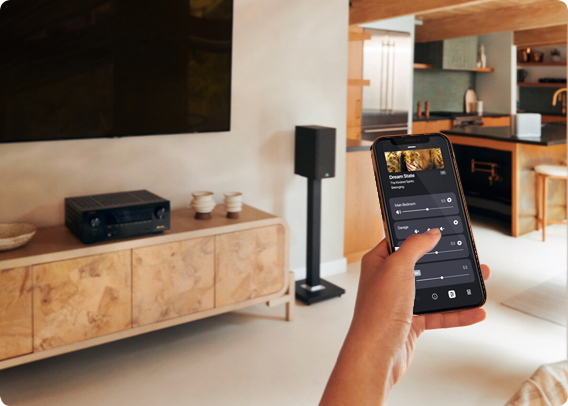
Thankfully, the major firmware updates rolled out over the last few years have changed the game. By 2024, and continuing strongly into 2026, the app feels snappier. The navigation is cleaner. They’ve stripped away some of the unnecessary clutter that used to make finding your local NAS files feel like a treasure hunt. It’s not quite as polished as some of the ultra-premium interfaces out there, but it’s reliable. You open it, you pick your music, and it plays. That sounds simple, but for a long time, it wasn’t.
The integration of streaming services has also smoothed out. Whether you’re into Spotify, Amazon Music, or Tidal, the handoff between the app and the service is much less glitchy. I’ve noticed fewer dropouts when switching sources. It’s not magic, but it’s a huge quality-of-life improvement. If you’re coming back to HEOS after a long break, you’ll barely recognize the software. It’s finally caught up to the hardware.
Stability and Network Performance in Real Homes
Here’s the thing about multiroom audio: it lives or dies by your Wi-Fi. HEOS uses a mix of Wi-Fi and proprietary wireless protocols to keep things synced. In the early days, people complained about sync issues. You’d hear an echo if you walked between rooms. That’s largely a thing of the past, provided your network is decent.
In 2026, most users report rock-solid stability. The system handles scaling incredibly well. You can start with one speaker in the bedroom and add a soundbar in the living room, then a receiver in the den, and eventually have dozens of devices talking to each other. The "Powered by HEOS" branding isn’t just marketing fluff; it signifies a standardized backbone that Denon, Marantz, and even Classé have refined through real-world use.
However, it’s not immune to bad router placement. If you have a massive house with thick walls, you might still hit dead zones. But unlike some competitors that require expensive mesh extenders to function, HEOS tends to be more forgiving. It prioritizes audio integrity. If the signal dips, it doesn’t just cut out; it buffers intelligently. For most people, once you set it up, you forget it’s even there. It just works. And isn’t that what we all want?
Audio Quality: The Audiophile’s Secret Weapon
This is where HEOS really separates itself from the pack. While other ecosystems focused on convenience, HEOS kept one eye on hi-fi. Even in 2026, this remains its strongest selling point. If you care about sound quality—really care—the difference is noticeable.
The support for lossless audio is genuine. We aren’t talking about compressed streams that sound "good enough." We’re talking about high-resolution files that retain the detail and dynamic range of the original recording. When you pair a HEOS speaker with a Marantz or Denon AV receiver, the synergy is palpable. The bass is tighter. The highs are clearer without being harsh. It’s not just loud; it’s accurate.
I’ve spoken to plenty of users who switched from other popular brands because they felt their music sounded "flat." HEOS brings a warmth and depth that appeals to music lovers. It’s not just background noise; it’s an experience. Whether you’re listening to vinyl ripps from a local server or streaming high-bitrate tracks from Qobuz, the ecosystem respects the source material. It’s a subtle difference, but once you hear it, you can’t unhear it.
Hardware Longevity and The "Powered by HEOS" Shift
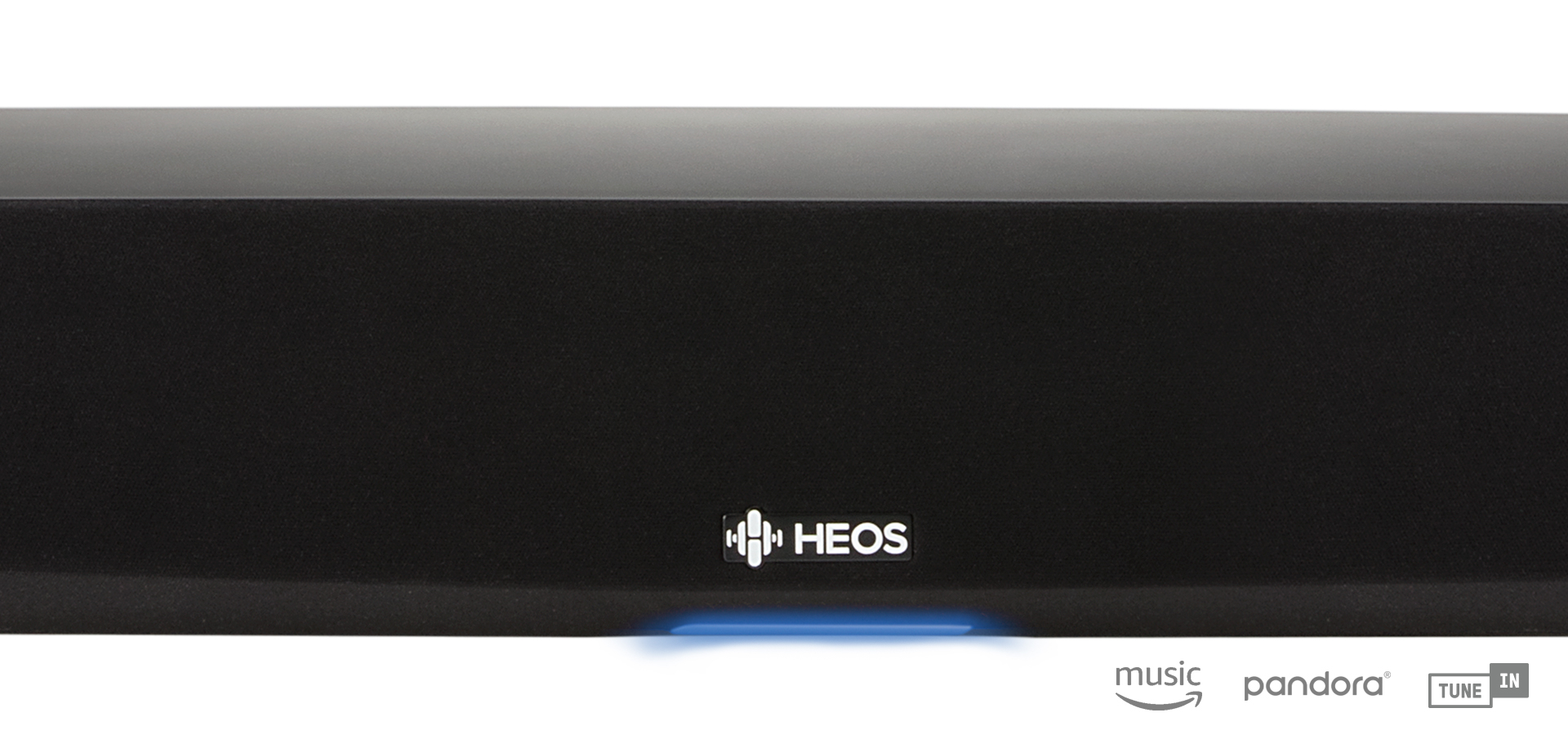
One of the biggest fears with tech is obsolescence. Will my speaker stop working in two years? With HEOS, that fear has largely vanished. The rebranding to "Powered by HEOS" signaled a shift from a single product line to a universal standard across Denon’s portfolio. This means your old HEOS 1 speaker from five years ago still talks perfectly to your new 2026 Denon soundbar.
This backward compatibility is huge. It protects your investment. You don’t have to throw away your old gear to get new features. The firmware updates roll out across the board, keeping older devices relevant. I know people who are still using their first-generation HEOS Link units as pre-amps, and they’re humming along just fine. It’s rare in the consumer electronics world to see this level of long-term support.
The hardware itself is built tough. These aren’t flimsy plastic toys. They’re designed to sit in your home for years. Dust them off, plug them in, and they’re ready to go. The sheer volume of five million units shipped globally means parts and support are likely to remain available for a long time. It’s a safe bet. You’re buying into a system that plans to stick around.
Where It Stumbles: The User Experience Gaps
Let’s be honest though. It’s not all sunshine and rainbows. HEOS still has some quirks that can drive you up the wall. The biggest one? Voice control. While it supports Alexa and Google Assistant, the integration isn’t as seamless as you might hope. Sometimes the voice commands lag. Sometimes they misunderstand which room you’re talking about. If you’re heavily invested in a smart home ecosystem that relies on voice, you might find yourself reaching for the phone app anyway.
Another pain point is the initial setup. It’s gotten better, but it’s not as plug-and-play as some competitors. You still need to mess with IP addresses occasionally. You might need to reboot your router if things get sticky. It requires a tiny bit of technical patience. If you’re not tech-savvy, you might need a hand getting started. It’s not difficult, but it’s not invisible either.
Also, the ecosystem is walled. You can’t easily mix HEOS with other non-HEOS wireless speakers in the same group. If you have a friend over with a different brand of speaker, you can’t just add it to the party. You’re locked into the Denon/Marantz/Classé universe. For some, this is a fair trade-off for stability. For others, it feels restrictive. It’s a limitation worth knowing before you buy.
So, here’s the verdict. After a decade of evolution, is HEOS worth your money? If you value sound quality above all else, absolutely. It offers a level of fidelity that many competitors skip in favor of flashy features. If you already own Denon or Marantz equipment, it’s a no-brainer. The integration is seamless, and the performance is top-tier.
If you’re looking for the absolute easiest, most idiot-proof setup possible, you might still lean towards other options. But if you’re willing to spend ten minutes setting it up properly, HEOS rewards you with years of reliable, high-quality audio. It’s grown up. It’s stable. It sounds amazing.
The community around it is active and helpful. You’re not alone if you run into issues. And with the continued support from Denon, it’s clear they aren’t going anywhere. In a world where tech companies often abandon products after a few years, that longevity is refreshing. It’s a system you can trust. And in 2026, trust is pretty valuable.
At the end of the day, HEOS has done what it set out to do. It brought high-fidelity audio to every room without the hassle of wires. It stumbled a bit along the way, sure. But it learned. It adapted. And now, it stands as a testament to what happens when you prioritize sound and stability over hype. If you’re on the fence, take the leap. Your ears will thank you.