Ever walked into a room and felt instantly calm? Or maybe you’ve snapped a photo that looked… off. The colors were weird. The shadows felt heavy. You checked your camera settings, tweaked the exposure, but something still wasn’t right. Chances are, the problem wasn’t your lens. It was the light.
We often blame our gear when pictures don’t turn out. But light is the invisible paintbrush of photography. And two numbers control that brush more than anything else: lumens and color temperature. If you’ve ever felt confused by these terms, you’re not alone. Most people mix them up. They sound technical. Scary, even. But once you get the hang of them, everything changes. Your portraits glow. Your food pics look delicious. Your living room snapshots feel warm and inviting.
Let’s break it down. No jargon. No complex physics lectures. Just real talk about how to make your pictures look the way you remember them. Because honestly? Good lighting isn’t about expensive equipment. It’s about understanding what you’re working with. And by the end of this, you’ll see light differently. I promise.
What Exactly Are Lumens Anyway?
So, what’s a lumen? Think of it as the "brightness bucket." In the old days, we bought light bulbs based on watts. A 60-watt bulb was bright. A 100-watt bulb was brighter. But watts measure energy use, not light output. That’s where lumens come in. Lumens measure the actual amount of visible light a source puts out. More lumens means more light. Simple, right?
But here’s the catch. More isn’t always better. Imagine trying to take a cozy portrait of your partner reading a book. If you blast them with a 2000-lumen studio light, you’ll wash out their face. The shadows disappear. The mood vanishes. It looks like a police interrogation, not a quiet evening. On the flip side, if you’re shooting a large group outdoors at dusk, 200 lumens won’t cut it. You’ll get grainy, dark mess.
In 2026, LED technology has made this even more nuanced. Modern LEDs can punch out huge lumen counts while staying cool to the touch. This gives photographers incredible flexibility. You can carry a tiny light that outputs 800 lumens—enough to fill a small room—without lugging around a heavy power pack. The key is matching the lumen output to your scene. Ask yourself: How much light do I actually need? Not how much can I get.
Decoding Color Temperature: The Mood Maker
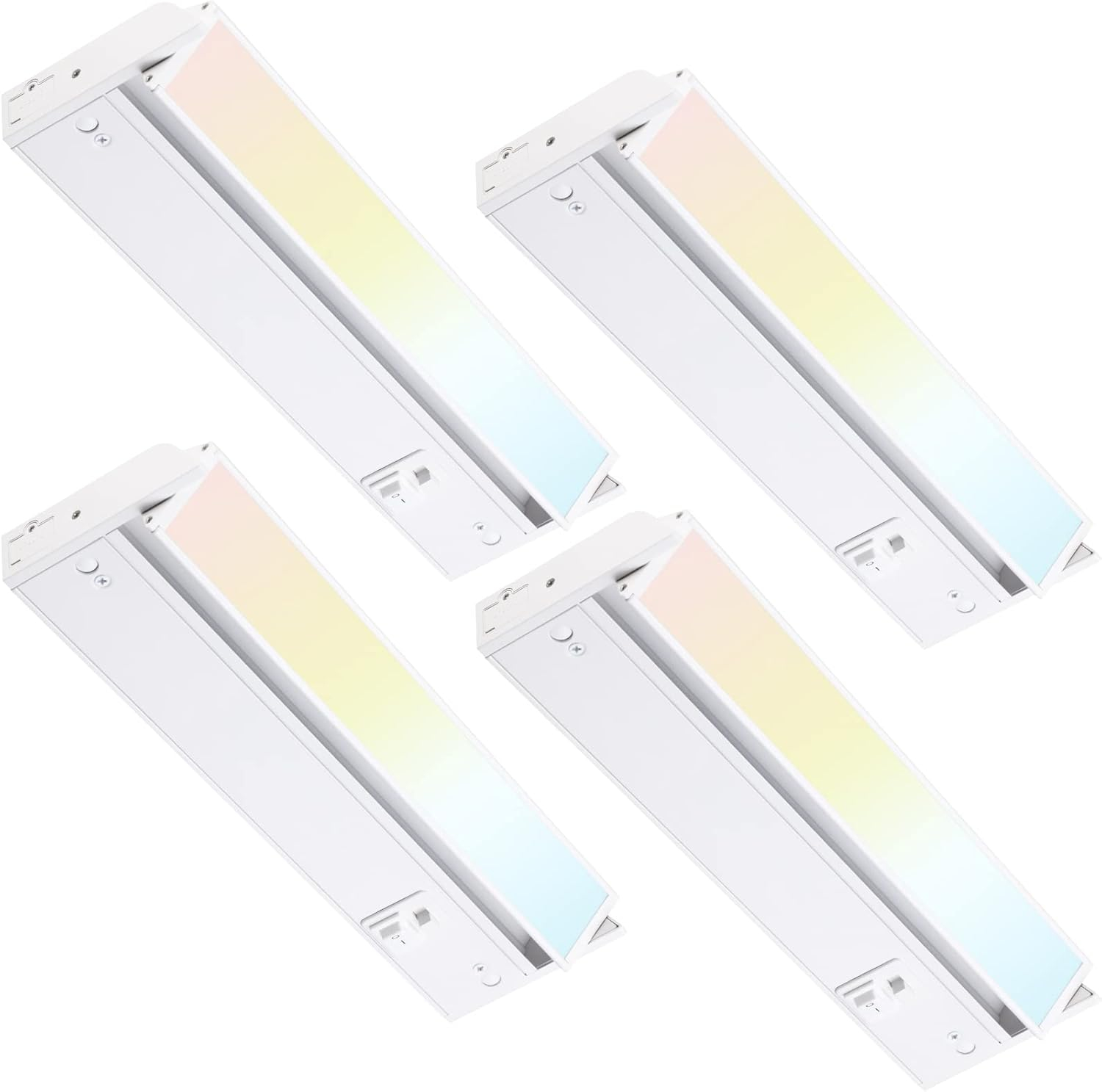
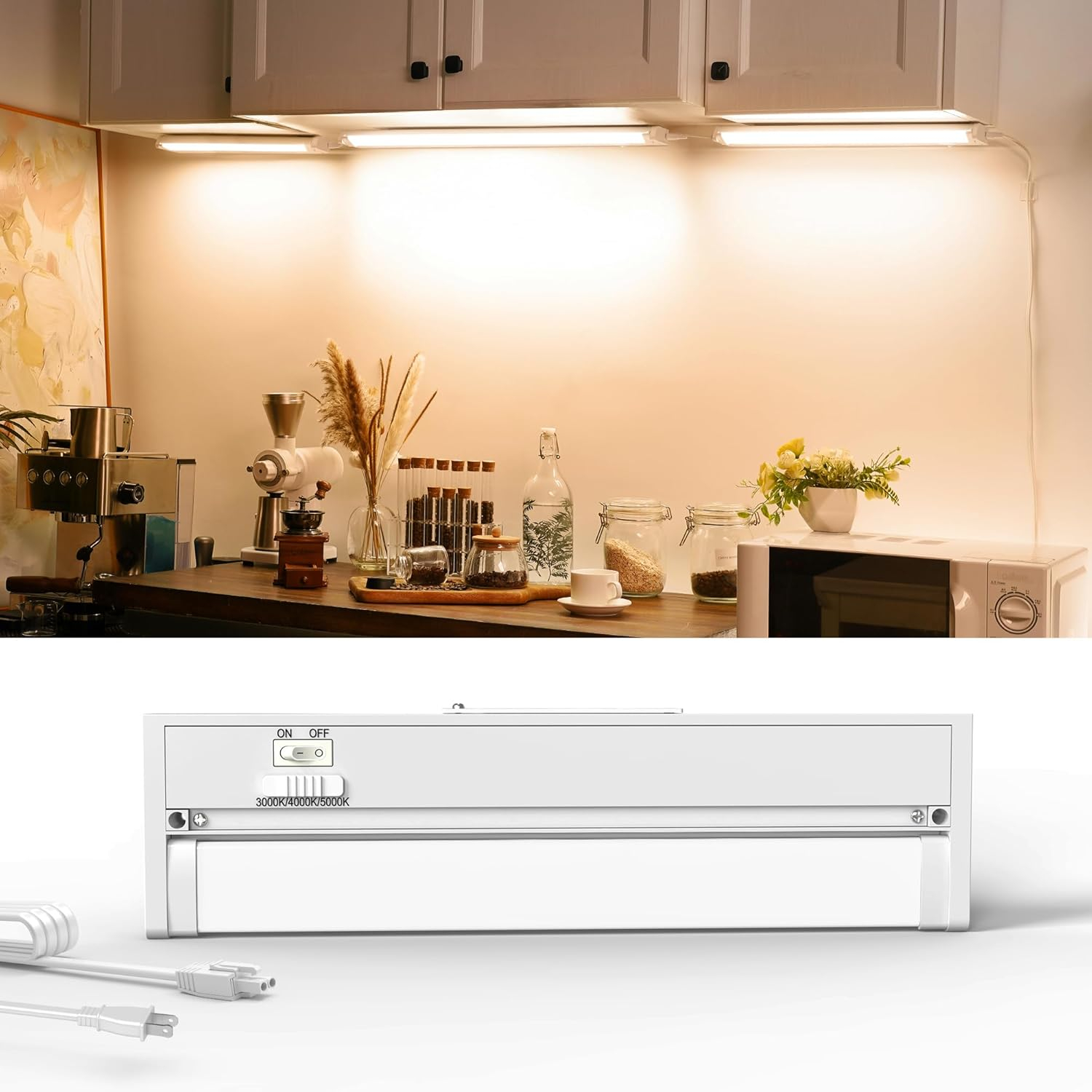
If lumens are the volume, color temperature is the tone. It’s measured in Kelvin (K). This scale tells us whether light looks warm (yellow/orange) or cool (blue). Low Kelvin numbers, like 2700K, are warm. Think candlelight or sunset. High Kelvin numbers, like 6500K, are cool. Think overcast sky or fluorescent office lights.
Why does this matter? Because our brains are tricky. We automatically adjust to different light colors. This is called "white balance." Our eyes see a white piece of paper as white, whether we’re under a yellow lamp or blue sky. But cameras? They’re dumb. They record exactly what they see. If you shoot under a 3000K bulb without adjusting, your photo will look orange. Shoot under a 7000K sky, and it’ll look blue.
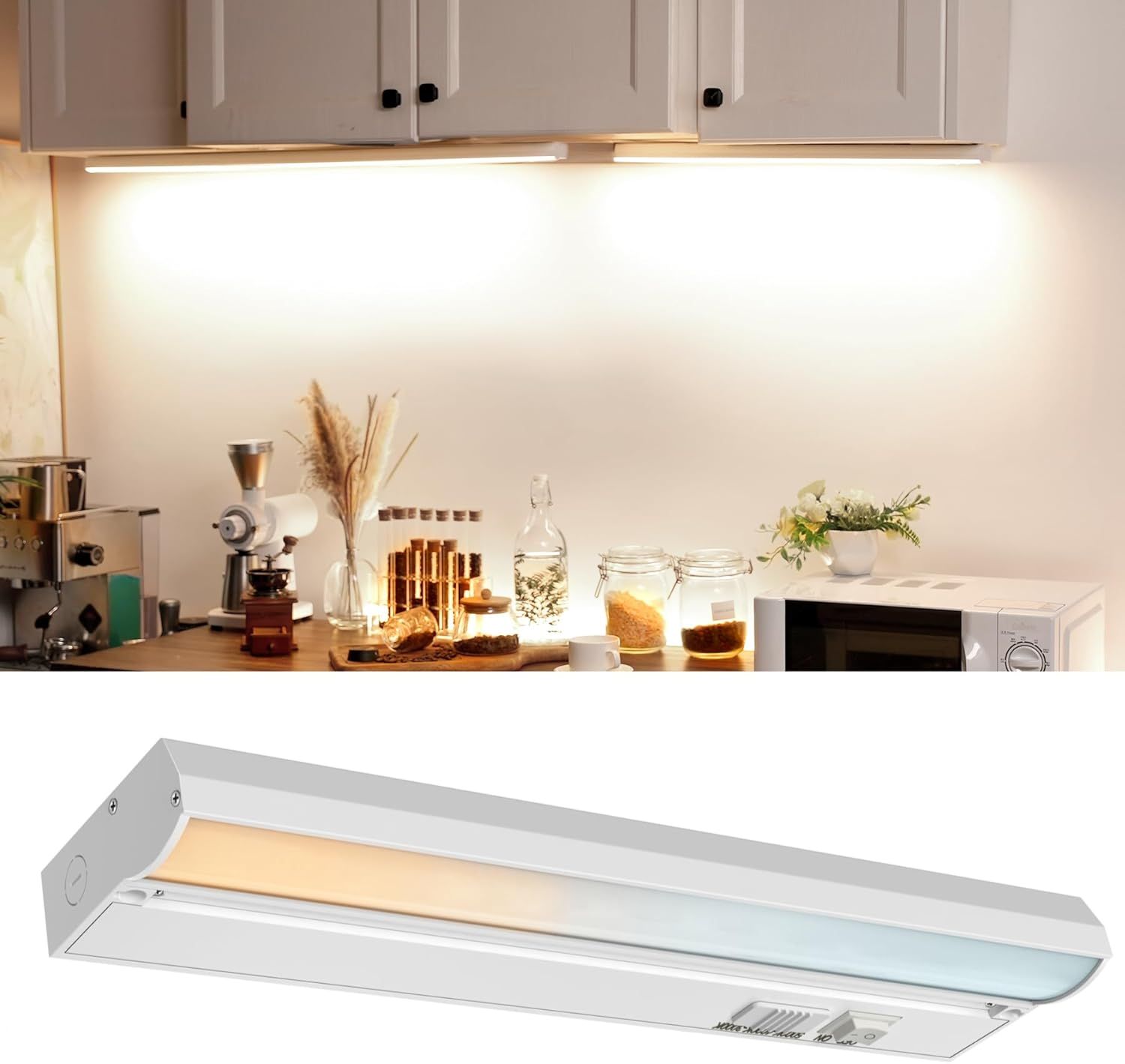
Getting the color temperature right sets the emotional tone. Want a romantic dinner shot? Stick to warm lights (2700K-3000K). It feels intimate. Shooting a crisp tech product review? Go cool (5000K-6000K). It feels clean and modern. Mixing temperatures accidentally is a common mistake. Imagine a room with warm lamps and cool daylight coming through the window. Your camera struggles to pick one white balance. The result? Some parts look orange, others look blue. It’s messy.
The Dance Between Brightness and Warmth
Here’s where it gets interesting. Lumens and color temperature don’t exist in a vacuum. They interact. And understanding this interaction is the secret sauce. For instance, did you know that as you dim many traditional lights, they get warmer? A dimmed incandescent bulb shifts from 2700K to maybe 2200K. It gets yellower. This is natural. Fire gets redder as it dies down.
Modern LEDs try to mimic this with "dim-to-warm" technology. But cheap LEDs often don’t. When you dim them, they just get darker, keeping the same cold blue tint. This looks unnatural. It feels wrong to our eyes. If you’re buying lights for photography or home ambiance in 2026, check for "dim-to-warm" features. It makes a huge difference in how natural your photos look.
Also, consider the subject. Skin tones reflect light differently depending on the color temperature. Warm light flatters most skin tones, hiding blemishes and adding a healthy glow. Cool light can make skin look pale or sickly if not balanced correctly. So, if you’re shooting portraits, lean towards warmer temps. But if you’re shooting jewelry or silverware, cool light makes metals sparkle and look crisp. It’s all about the goal.
Practical Tips for Indoor Shooting
Shooting indoors is where most people struggle. Why? Because homes have mixed lighting. You’ve got daylight from windows, warm lamps, and maybe some cool overhead LEDs. It’s a cocktail of color temperatures. Here’s how to tame it. First, pick a master light source. Decide if you want the photo to feel like day (cool) or evening (warm). Then, match your other lights to that.
If you’re using window light (around 5500K), turn off the warm lamps. Or, put orange gels on your artificial lights to match the window? No, wait. If you want a warm vibe, close the blinds and use only lamps. Consistency is key. Don’t fight the mix unless you’re doing it on purpose for artistic effect.
Second, watch your lumen output. Indoor spaces are small. You rarely need massive brightness. A small 300-lumen panel placed close to your subject is often better than a 1000-lumen light far away. Why? Because light falls off quickly. The inverse square law says that doubling the distance quarters the light intensity. So, get close. Use softer, lower-lumen sources. It creates gentle shadows and flattering light.
Outdoor and Natural Light Hacks
Outdoors, you can’t change the sun’s lumens. But you can control how you use it. The sun’s color temperature changes throughout the day. At noon, it’s harsh and cool (around 5500K-6000K). During golden hour (sunrise/sunset), it’s warm and soft (around 3000K-3500K). This is why photographers love golden hour. The light is naturally flattering.
But what if you have to shoot at noon? Use shadows. Find open shade under a tree or building. The light there is softer and slightly cooler, but much more even. You can also use reflectors. A white reflector bounces neutral light back onto your subject. A gold reflector adds warmth. This lets you tweak the color temperature without changing your camera settings too much.
Cloudy days are another beast. Overcast skies act like a giant softbox. The light is diffuse and cool (6500K+). It’s great for even lighting but can look flat. To add pop, introduce a warm artificial light. A small LED set to 3200K can create a beautiful contrast against the cool background. This separation makes your subject stand out. It’s a simple trick that pro photographers use all the time.
Even with good gear, mistakes happen. One biggie? Ignoring the background. You might light your subject perfectly, but if the background is lit by a different color temperature, it looks fake. Always scan the whole frame. Is that lamp in the back clashing with your main light? Turn it off or gel it.
Another mistake is over-lighting. We think more light equals better quality. Wrong. Too many lumens create harsh highlights and deep, ugly shadows. It flattens the image. Instead, use less light and shape it. Use flags or barn doors to block light from hitting areas you don’t want lit. This adds depth and dimension.
Finally, don’t trust your camera’s LCD screen blindly. It’s often calibrated poorly. Use a histogram to check exposure. And if possible, shoot in RAW format. This lets you adjust white balance and exposure in post-production. It’s a safety net. In 2026, editing software is smarter than ever. It can fix minor color casts easily. But it can’t fix bad lighting structure. Get the light right in-camera first. Editing should be the cherry on top, not the whole cake.
Lighting doesn’t have to be complicated. It’s just about seeing. Notice how light falls. Notice how it feels. Is it warm? Cool? Bright? Soft? Once you start paying attention, you’ll spot opportunities everywhere. A streetlamp at night. A cafe window in the rain. These aren’t just scenes. They’re lighting setups waiting to be used.
So, next time you pick up your camera, pause. Look at the light. Check the lumens. Check the temperature. Adjust. Tweak. Experiment. Don’t be afraid to get it wrong. Some of the best photos come from happy accidents. But now, you’ve got the tools to make those accidents less frequent and your intentional shots more stunning.
Go out there. Play with light. It’s the most powerful tool you have. And remember, perfect pictures aren’t about perfect gear. They’re about understanding the simple dance of brightness and color. You’ve got this. Now, go shoot something beautiful.