Ever stood in a room that felt just… off? Maybe the lighting was too harsh, creating sharp shadows that made everyone look tired. Or perhaps it was so dim and scattered that you couldn’t quite see the details of the artwork on the wall. We’ve all been there. Lighting is one of those invisible forces that shapes our mood, our focus, and even how safe we feel, yet most of us never give it a second thought until it’s wrong.
For years, the solution to this problem was simple but expensive: buy more lights. If you wanted a tight, dramatic spotlight on a sculpture, you bought a spot fixture. If you needed to wash a whole wall in soft color for a party, you bought a wash light. If you wanted those crazy, fast-moving beams in a club, you bought a beam light. It added up. Fast. And it meant your ceiling looked like a spaceship landing pad, cluttered with wires and heavy metal boxes.
But here’s the good news. The game has changed. In 2026, we aren’t stuck choosing just one job for a single fixture anymore. Thanks to advances in LED technology and smart optics, we now have "hybrid" or adjustable fixtures that can do it all. They can zoom from a pencil-thin beam to a soft, wide flood, often in the blink of an eye. It’s like having a camera lens that can switch from a telephoto to a wide-angle without changing the body. This isn’t just a cool tech trick; it’s a practical revolution for anyone who cares about how their space looks and feels.
The Magic Behind the Lens
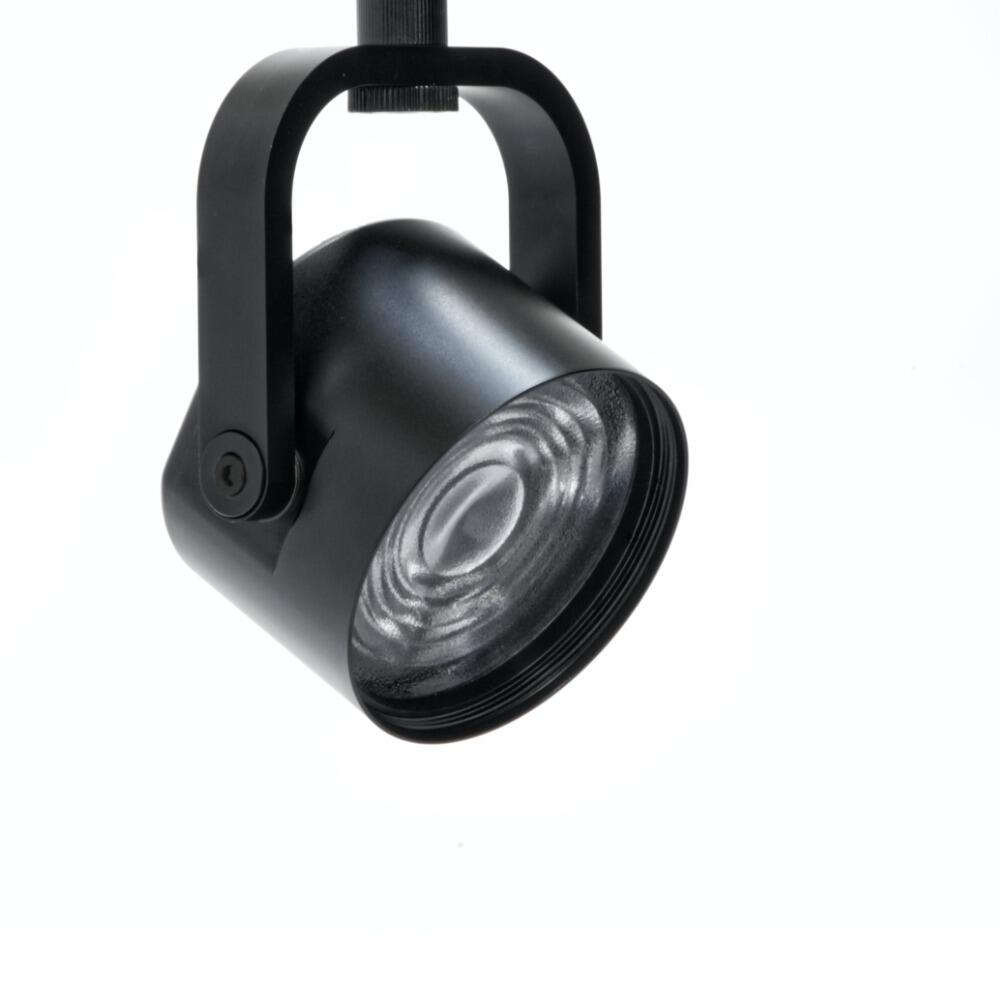
So, how does one little box manage to be three different lights? It’s not magic, though it sure feels like it. It comes down to two main things: the zoom mechanism and the LED source itself. Older lights used fixed lenses. You got what you bought. If you bought a 10-degree spot, that’s all you ever got. But modern adjustable fixtures use motorized lens systems. Think of it like the zoom ring on a high-end camera lens, but instead of your hand turning it, a quiet motor does the work, controlled by a computer or a simple app.
Inside these fixtures, you’ll often find a combination of lenses that can move closer together or further apart. When they are close, the light spreads out wide, creating that "wash" effect that covers a large area evenly. When they pull apart, the light gets squeezed into a tight, intense column. This is the "spot" or "beam" mode. Some advanced models even use interchangeable optics or prisms. A prism can split one beam into three or five, adding texture and movement that static lights just can’t match.
The LED chip itself plays a huge role too. In the past, swapping from a bright, focused beam to a soft wash might have meant losing a lot of brightness. Today’s high-output LEDs are powerful enough to maintain intensity even when spread wide. This efficiency is key. It means you don’t need ten fixtures to light a stage or a backyard; you might only need three or four, each doing the work of several older units. It’s cleaner, quieter, and frankly, a lot less hassle to install.
Why One Fixture Beats Three
Let’s talk about the real-world benefits, because specs on a page are one thing, but your actual experience is another. The biggest win here is versatility. Imagine you’re hosting a dinner party. During dinner, you want soft, warm light over the table to make the food look appetizing and the conversation feel intimate. That’s a wash. But later, when you’re showing off your new guitar or giving a toast, you want a tight spotlight on you. With an adjustable fixture, you just change the setting. No climbing ladders. No swapping bulbs.
Then there’s the issue of space and weight. If you’re working with a small venue, a home theater, or even just a residential ceiling with limited support points, every pound counts. Rigging three different types of lights requires three times the mounting hardware, three times the cabling, and three times the power outlets. By using one hybrid fixture, you cut that clutter down significantly. This is especially crucial in clubs or theaters where "rigging points" (the places you can safely hang stuff) are limited and expensive to add.
Budget is another massive factor. While a single high-end hybrid fixture might cost more than one basic static light, it almost always costs less than buying three separate specialized fixtures. Plus, you save on maintenance. Fewer units mean fewer things to break, fewer fans to clean, and fewer power supplies to fail. For small business owners or homeowners who want pro-level results without the pro-level headache, this consolidation is a lifesaver. It’s about working smarter, not harder.
Understanding Beam Angles in Plain English
Okay, let’s get a bit technical, but keep it simple. You’ll hear terms like "beam angle," "field angle," and "cut-off." It sounds complicated, but it’s really just about how wide the light spreads. A narrow beam angle—say, 5 to 15 degrees—is like a laser pointer. It goes far and stays tight. This is perfect for highlighting a specific object, like a statue in a garden or a lead singer on stage. It creates drama and focus. If you use a narrow beam to light a whole wall, though, you’ll get "hot spots"—bright circles with dark gaps in between. It looks messy.
On the other end, you have wide beam angles, usually 40 degrees and up. This is your "wash." It spreads the light out evenly, covering a broad area. It’s great for general illumination, lighting up a backdrop, or making a room feel open and airy. But if you try to use a wide wash to highlight a tiny detail from far away, the light will be too weak and scattered. It won’t have any punch.
The beauty of an adjustable fixture is that it bridges this gap. You aren’t stuck at 10 degrees or 50 degrees. You can slide anywhere in between. Need 25 degrees for a medium throw? Done. Need 35? Easy. This flexibility allows you to tailor the light to the exact distance and size of the object you’re lighting. As noted in recent industry guides, getting this angle right is what separates amateur-looking setups from professional ones. It’s the difference between light that looks scattered and light that looks intentional and clean.
Real-World Applications: From Clubs to Backyards
Where does this actually shine? Let’s look at a few scenarios. First, think about live music venues or nightclubs. In these spaces, energy is everything. During a high-tempo song, the lighting designer wants fast, sharp beams cutting through the haze, syncing with the beat. That’s the "beam" mode. But during a slow ballad, they need to soften the room, washing the crowd in a gentle blue or purple to change the mood. In the past, this required a complex array of different moving heads. Now, a few well-placed hybrid fixtures can handle both roles, syncing perfectly with the music tempo.
Now, let’s step outside to landscape lighting. This is a huge growth area in 2026. Homeowners are investing more in their outdoor living spaces. Imagine you have a long stone wall in your backyard. If you use narrow spotlights, you’ll need to place them every few feet to avoid dark patches, which looks cluttered and creates ugly shadows. But with an adjustable fixture, you can set a wider beam angle and space the lights further apart—maybe every 12 feet or so. This creates a smooth, even glow across the entire wall. It looks elegant and expensive, even if the setup is quite simple.
Retail stores are another big user. Think about a clothing boutique. In the morning, they might want bright, even wash lighting so customers can see all the colors clearly. But in the evening, for a special event or just to create a vibe, they might want to spotlight specific mannequins or display windows. With adjustable fixtures, the store manager can change the entire look of the shop without calling in a lighting technician. It’s dynamic, responsive, and helps sell products by controlling where the customer looks.
Common Pitfalls and How to Avoid Them
It’s not all smooth sailing, though. There are some traps to watch out for. The biggest one is expecting perfection. While hybrid fixtures are amazing, they do involve compromises. A fixture designed to do everything might not be quite as bright in beam mode as a dedicated beam light, or quite as smooth in wash mode as a dedicated wash light. It’s the jack-of-all-trades rule. However, for 90% of applications, the quality is more than good enough. Just don’t expect it to replace the absolute top-tier specialist gear used in Broadway productions unless you’re buying the very highest-end models.
Another common mistake is ignoring the control system. Having a light that can zoom is useless if you don’t know how to tell it to zoom. Many people buy these fixtures and leave them on a default setting, never using the adjustability. Make sure you invest time in learning the controller, whether it’s a DMX board, a smartphone app, or a simple preset remote. Take advantage of the presets. Set up your "Dinner Mode," your "Party Mode," and your "Cleanup Mode." Save them. Make it easy so you actually use the features.
Also, pay attention to heat. Even with efficient LEDs, cramming a zoom lens and a bright source into one box generates heat. Ensure your fixtures have good ventilation. Don’t pack them too tightly together in a enclosed ceiling can without checking the manufacturer’s spacing guidelines. Overheating can shorten the life of the electronics and the motor that drives the zoom. A little airflow goes a long way in keeping your investment running for years.
As we move further into 2026 and beyond, lighting is getting smarter. It’s not just about adjusting the beam angle manually anymore. New fixtures are integrating with home automation systems and AI-driven controllers. Imagine your lights automatically widening the beam when they detect more people entering a room, or narrowing to a spot when you sit down to read. This level of responsiveness is becoming more common and more affordable.
When you choose an adjustable fixture today, you’re also future-proofing your setup. If your needs change—maybe you renovate your kitchen, or your business expands—you don’t need to rip out all your lights. You just reprogram them. The hardware is already capable of handling new tasks. This adaptability is invaluable in a world where spaces are multi-use and budgets are tight. It’s a sustainable choice too, reducing e-waste by needing fewer physical units over time.
So, whether you’re a lighting pro looking to streamline your rig, or a homeowner who just wants their patio to look incredible, the shift toward adjustable, multi-role fixtures is the way forward. It’s less clutter, more creativity, and better value. The technology has matured to the point where the compromises are minimal and the benefits are massive. Don’t be afraid to experiment. Play with the angles. See what happens when you widen that beam or tighten that spot. You might just find that the perfect light was inside one flexible fixture all along.