You know that feeling when you walk into a hospital? The smell, the lighting, the floor under your feet. It’s supposed to feel safe. Clean. But for decades, designers have been fighting a losing battle against wear and tear. Scuffed linoleum. Cracked grout lines hiding god-knows-what. It’s stressful. And airports? They’re basically cities that never sleep, with millions of suitcases rolling over the same spots every day.
For a long time, we accepted this as just part of the deal. Buildings get old. Things break. But something has shifted in the last few years. Specifically, around 2024 and 2025, we started seeing a massive pivot toward engineered quartz. Not just for kitchen countertops, but for entire floors and walls in the most demanding environments on earth. It’s not just about looks anymore. It’s about survival. The material itself is changing how we build places where people are vulnerable or in a rush.
This isn’t a small tweak. It’s a fundamental rethinking of what a surface needs to do. We used to pick materials based on price or availability. Now, we’re picking them based on lifecycle cost and hygiene science. And quartz? It’s winning. Hard. Let’s dig into why this shiny, engineered stone is becoming the backbone of modern infrastructure.
The Hygiene Imperative in Healthcare Design
Hospitals are weird places. They need to feel warm and welcoming, but they also need to be sterile enough for surgery. It’s a tough balance. For years, ceramic tile was the go-to. It’s cheap. It’s easy to install. But those grout lines? They’re nightmares. Bacteria love them. Mold loves them. In a post-pandemic world, especially looking at standards in 2026, we just can’t have those microscopic hiding spots anymore.
Enter quartz. Specifically, the large-format slabs and tiles that can be thermoformed. This is a game changer. When you use 1.2cm quartz sheets for wall cladding in operating theaters, you aren’t just putting up a wall. You’re creating a seamless shield. By using epoxy-welded joints and thermoformed corners, designers eliminate grout lines entirely. There’s nowhere for germs to hang out. It’s a continuous vertical surface. Think about that. No cracks. No crevices. Just smooth, non-porous stone from floor to ceiling.
This "seamless mandate" isn’t just a nice-to-have feature. It’s becoming a requirement in many new acute care facilities and ambulatory surgical centers. The National Tile Authority has highlighted how crucial these spec requirements are for regulated environments. When a nurse wipes down a room between patients, she needs to know that one swipe actually cleans the surface. With traditional tile, she’s scrubbing grout. With quartz, she’s wiping a solid surface. It saves time. It saves lives. It reduces the anxiety for patients who know that cleanliness equals safety.
Engineering for the Airport Rush Hour
Airports are brutal on materials. Think about it. Thousands of people. Rolling luggage with hard plastic wheels. Spilled coffee. Snow tracked in from outside. Heat. Cold. It’s an obstacle course for flooring. In the past, we’d see terrazzo or heavy-duty ceramic. They held up okay. But they stained. They cracked. And replacing them meant shutting down parts of the terminal. Nobody wants that.
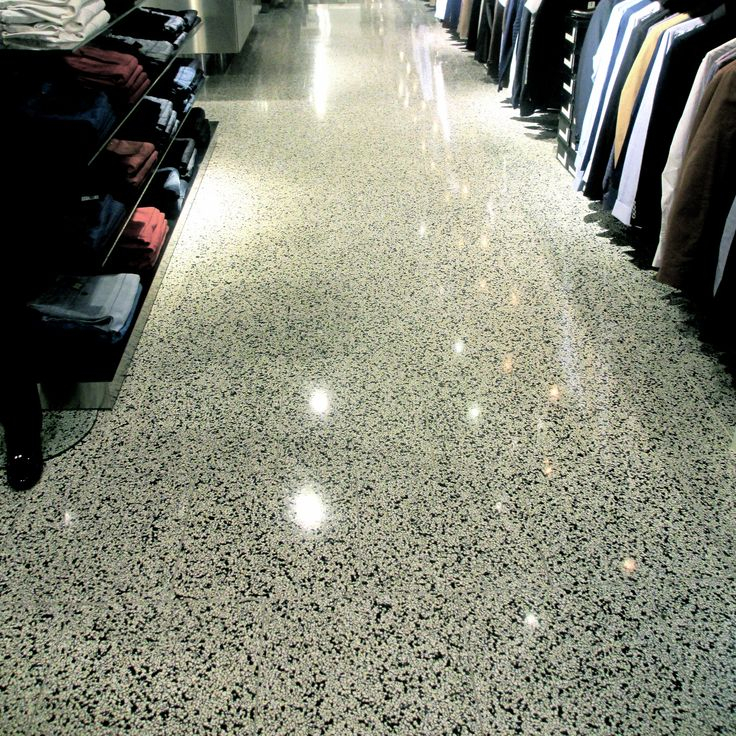
Quartz slabs have surged in popularity here because they’re tough. Like, really tough. They withstand heavy foot traffic and harsh conditions without blinking. Recent projects in major hubs show that quartz can handle the abuse of check-in lines and security queues better than almost anything else. It’s not just about hardness, though. It’s about consistency. Natural stone varies. One slab might be soft, another hard. Quartz is engineered. Every square inch performs the same way.
This reliability is huge for airport planners. They don’t want surprises. They want predictability. When you lay down quartz in a lounge or a corridor, you know it’ll look the same in five years as it did on day one. Maybe a little worn, sure, but not broken. Not stained. The aesthetic appeal remains high, which matters because airports are trying to be destinations now, not just transit points. People want to relax. They want nice spaces. Quartz delivers that high-end look without the high-maintenance headache.
The Economics of Long-Term Value
Let’s talk money. Because at the end of the day, these projects have budgets. Big ones. But smart budgets. In 2026, the conversation has shifted from "what costs less upfront" to "what costs less over ten years." This is called lifecycle costing. And quartz wins this argument hands down. Sure, the initial installation might be pricier than basic vinyl or ceramic. But think about the maintenance.
Advanced quartz flooring, like the Dura Quartz systems mentioned by industry groups, is engineered for long-term performance. You don’t need to wax it. You don’t need to seal it every year. You just clean it. That saves thousands of dollars in labor and materials annually. For a large hospital or airport, that adds up fast. We’re talking measurable returns on investment. It’s a strategic asset, not just a design choice.
Contractors are noticing this too. The standards for commercial tile flooring in 2025 and 2026 emphasize durability and slip resistance. Quartz meets these specs easily. It’s dense. It’s hard. It doesn’t absorb liquids. So when a janitorial crew comes through at night, they spend less time scrubbing and more time doing other things. Efficiency goes up. Costs go down. It’s simple math, but it’s often overlooked in the excitement of picking pretty colors.
Aesthetics That Heal and Calm
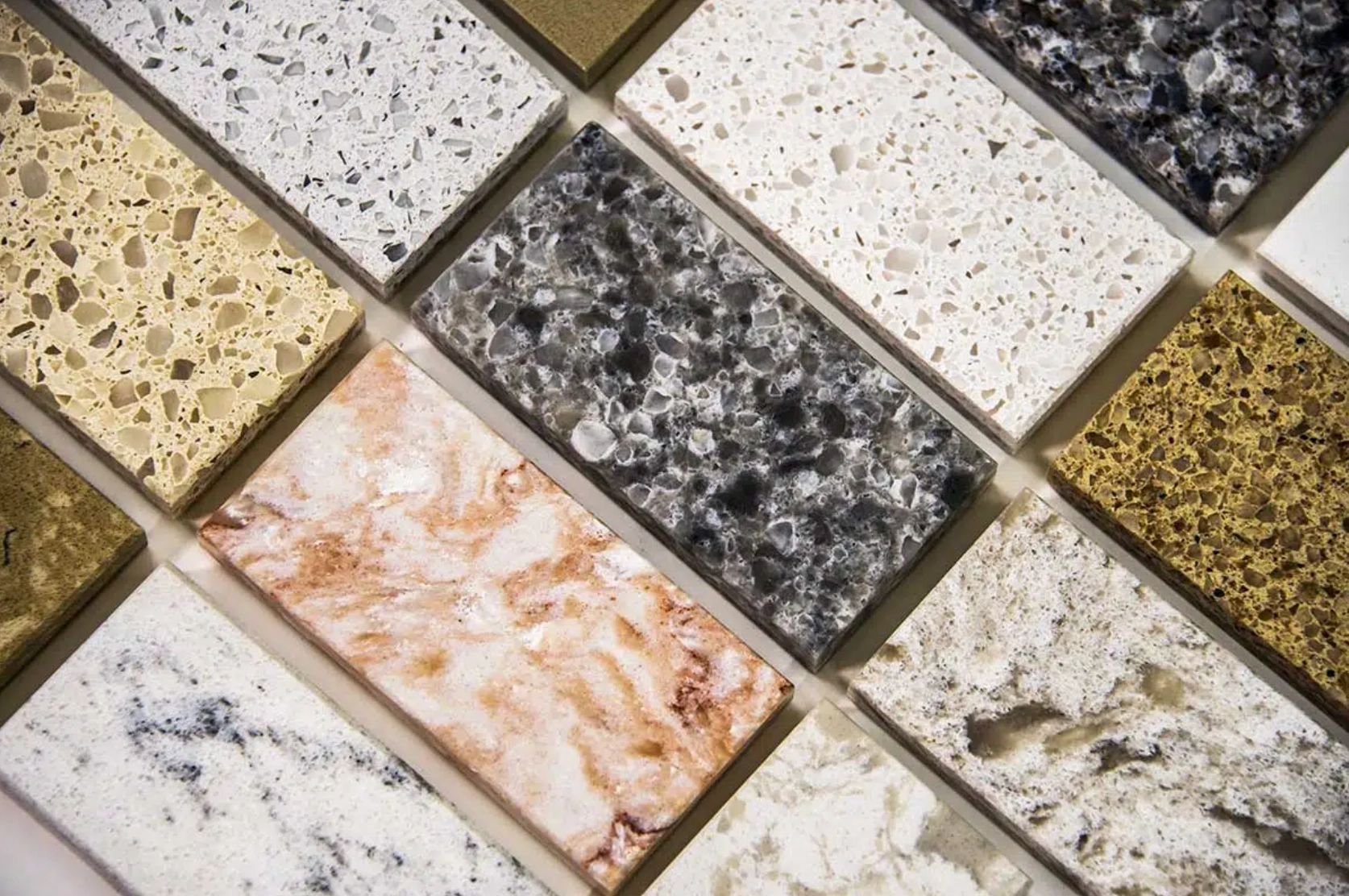
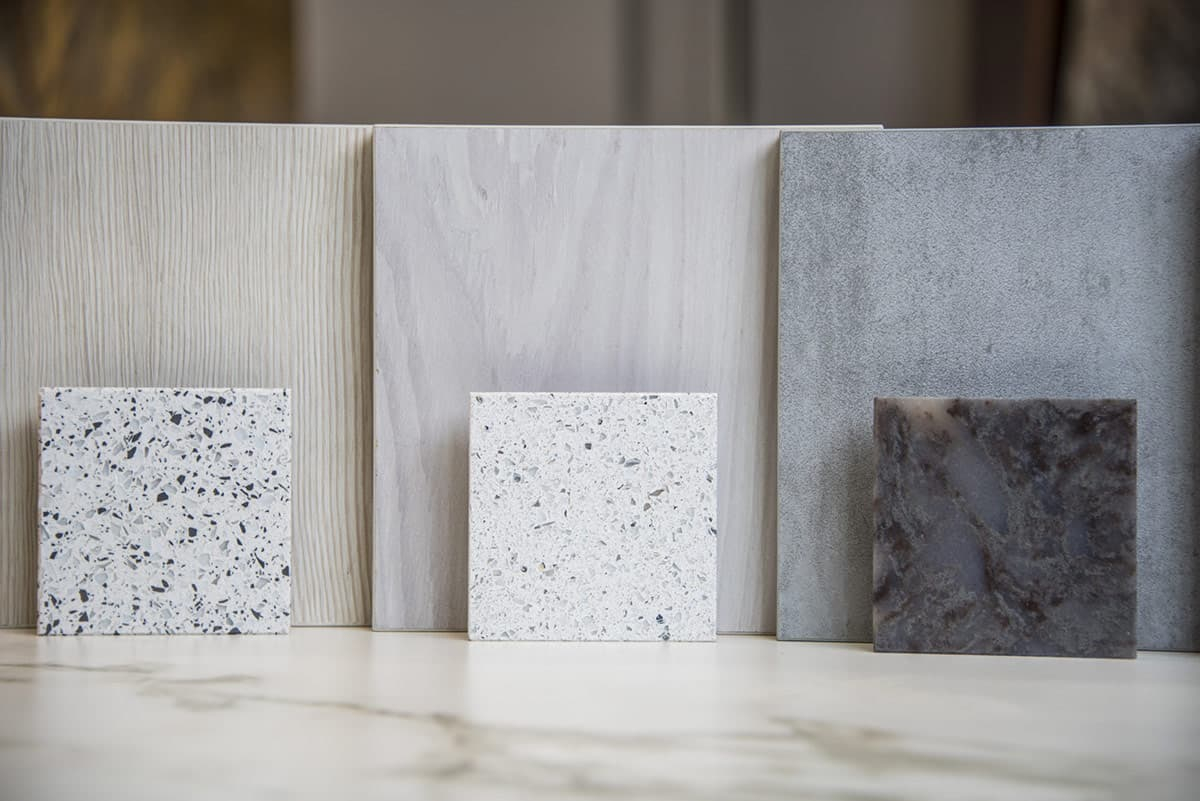
Here’s the thing about hospitals and airports: they’re stressful. People are sick. Or they’re late. Or they’re scared. Design plays a huge role in how people feel in these spaces. Cold, clinical whites can make anxiety worse. Warm, natural tones can calm people down. Quartz offers incredible design flexibility. Because it’s engineered, manufacturers can create patterns that mimic natural stone, wood, or even concrete. But without the weaknesses of those natural materials.
In healthcare, this is vital. Patient-centered environments need to feel human. Not industrial. Architects are using quartz to create soothing palettes in waiting rooms and recovery areas. The material can be backlit, textured, or polished to catch the light in gentle ways. It helps reduce the "institutional" feel. Patients report feeling more at ease in spaces that look and feel like high-end hotels rather than clinics. That’s not just fluff. Studies show that reduced stress leads to faster healing.
Airports use this too. Think about those quiet lounges with soft lighting and warm floors. Quartz can replicate the look of rare marbles or exotic stones without the environmental cost of quarrying them. It’s sustainable. It’s consistent. And it looks amazing. Travelers notice. They appreciate the effort. It makes the wait feel shorter. It makes the journey feel a bit more luxurious. And in an era where travel can feel chaotic, that luxury is a breath of fresh air.
Installation Innovations and Technical Specs
It’s not just about the material. It’s about how you put it together. Installing quartz in large commercial spaces requires skill. Specialized solutions from companies like MYK LATICRETE have become standard. These aren’t your grandma’s tile adhesives. They’re high-performance systems designed to handle movement, temperature changes, and heavy loads. If you install quartz wrong, it’ll crack. So the tech behind the installation is just as important as the slab itself.
The trend toward larger slabs means fewer seams. Fewer seams mean less chance for failure. But it also means you need bigger equipment and more precise planning. Contractors in 2026 are trained to handle these massive pieces. They use laser levels and digital templates. It’s a mix of old-school craftsmanship and new-school tech. The result is a floor that looks like one continuous piece of art.
Slip resistance is another big deal. Especially in airports where spills happen, or hospitals where fluids are common. Modern quartz tiles come with textured finishes that provide grip without sacrificing cleanability. It’s a delicate balance. Too rough, and it traps dirt. Too smooth, and people slip. The engineering today gets this right. It’s tested. It’s certified. You can walk on it with wet shoes and feel secure. That peace of mind is priceless.
We can’t talk about construction in 2026 without talking about the environment. Everyone wants green buildings. LEED certification. WELL building standards. Quartz fits nicely into this puzzle. It’s made from natural quartz crystals and resin. Many manufacturers are using recycled content in their mixes. It’s durable, so it doesn’t need to be replaced often. That reduces waste. Less waste means a smaller carbon footprint over the life of the building.
Also, because quartz is non-porous, you don’t need harsh chemicals to clean it. Standard pH-neutral cleaners work fine. This improves indoor air quality. No fumes. No volatile organic compounds (VOCs) off-gassing from sealers or waxes. For hospitals, this is critical. Patients with respiratory issues need clean air. For airports, it means healthier workers and travelers. It’s a small detail with a big impact.
The shift toward high-performance stone like quartz reflects a broader change in the architecture world. Professionals are seeking materials that combine durability, design, and sustainability. It’s no longer enough to just be strong. You have to be responsible. Quartz checks those boxes. It’s not perfect—no material is—but it’s a huge step forward. It shows that we can build beautiful, functional spaces without wrecking the planet. And that’s a win for everyone.
So, where does this leave us? Quartz isn’t a magic bullet. It won’t solve every problem in hospital or airport design. But it solves a lot of them. It offers a rare combination of hygiene, durability, beauty, and sustainability. As we move further into 2026 and beyond, expect to see more of it. More seamless walls in operating rooms. More resilient floors in terminals. More calming spaces for people in crisis.
The transformation is quiet. You might not notice the quartz specifically. But you’ll notice the cleanliness. The lack of cracks. The feeling of solidity. And that’s the point. Good design shouldn’t scream for attention. It should just work. It should support the humans using the space. Quartz does that. It’s a testament to how far we’ve come in understanding what our built environment needs to do. It’s not just about covering the ground. It’s about protecting the people on it.
Next time you’re in a hospital or rushing through an airport, look down. Look at the walls. See if you can spot the seams. If you can’t, you’re probably standing on quartz. And that’s a good thing. It means someone cared enough to choose the best tool for the job. It means they thought about the future. About the next patient. The next traveler. About you. And honestly? That’s worth noticing.