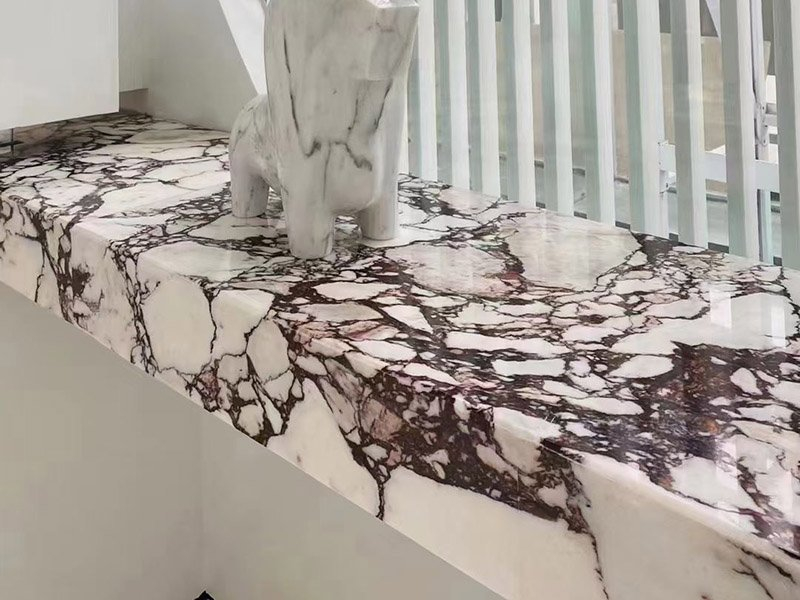
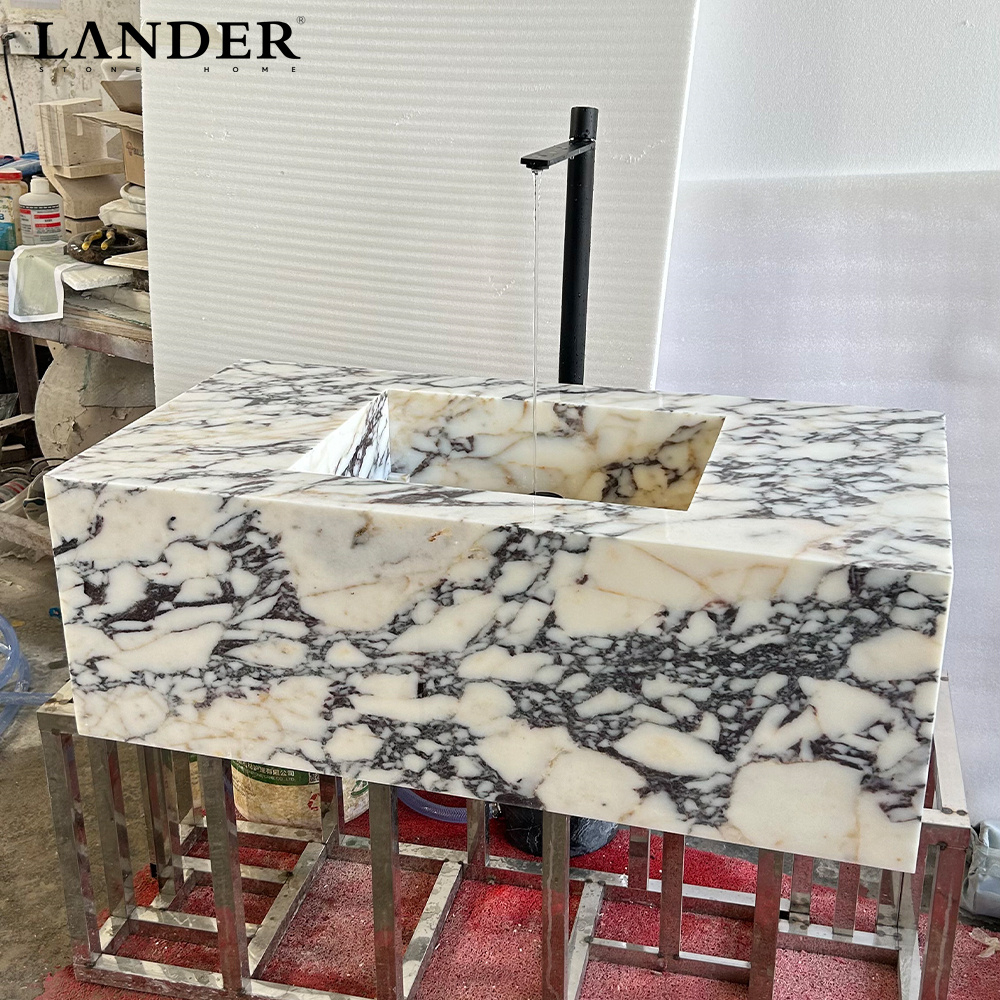
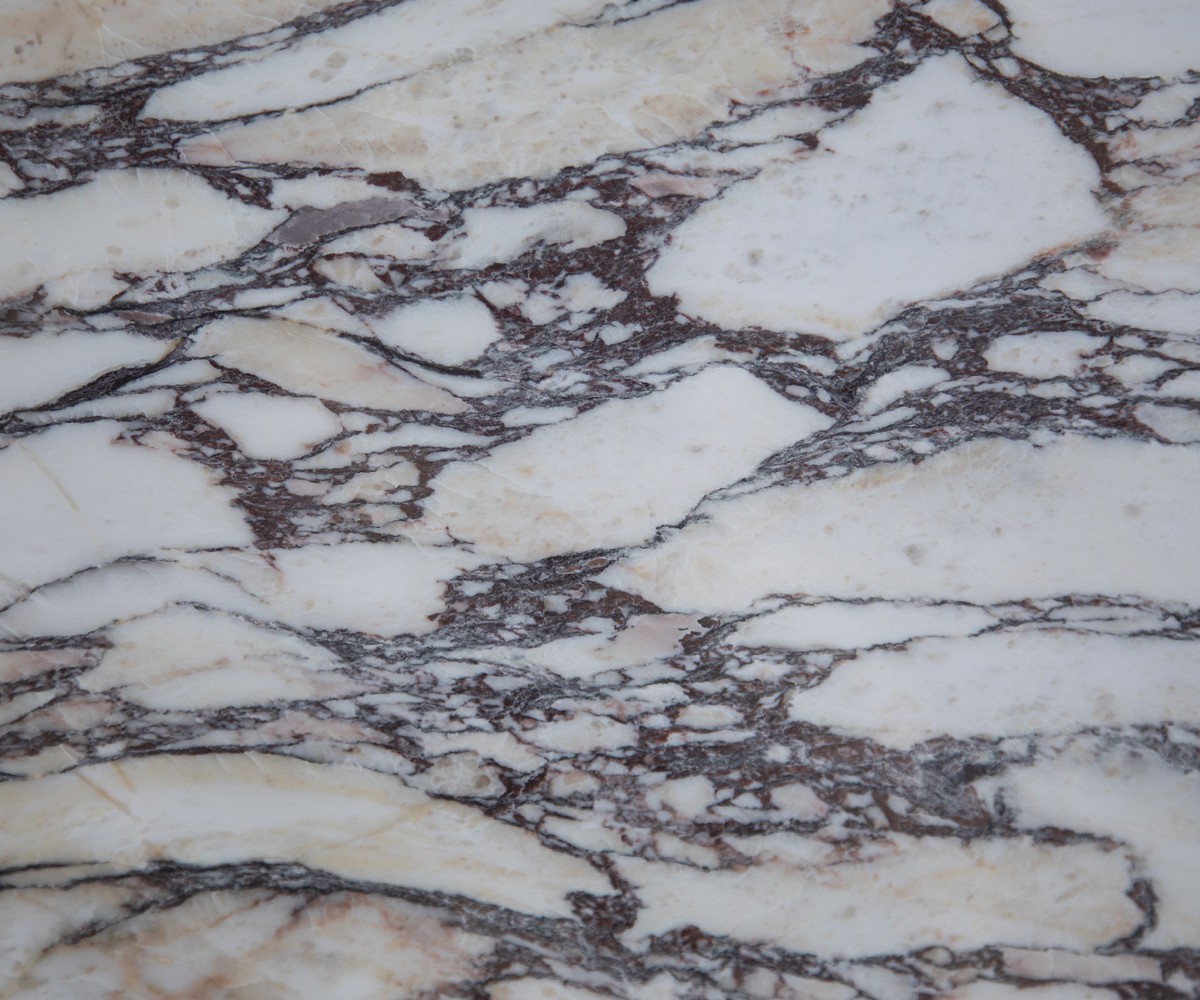
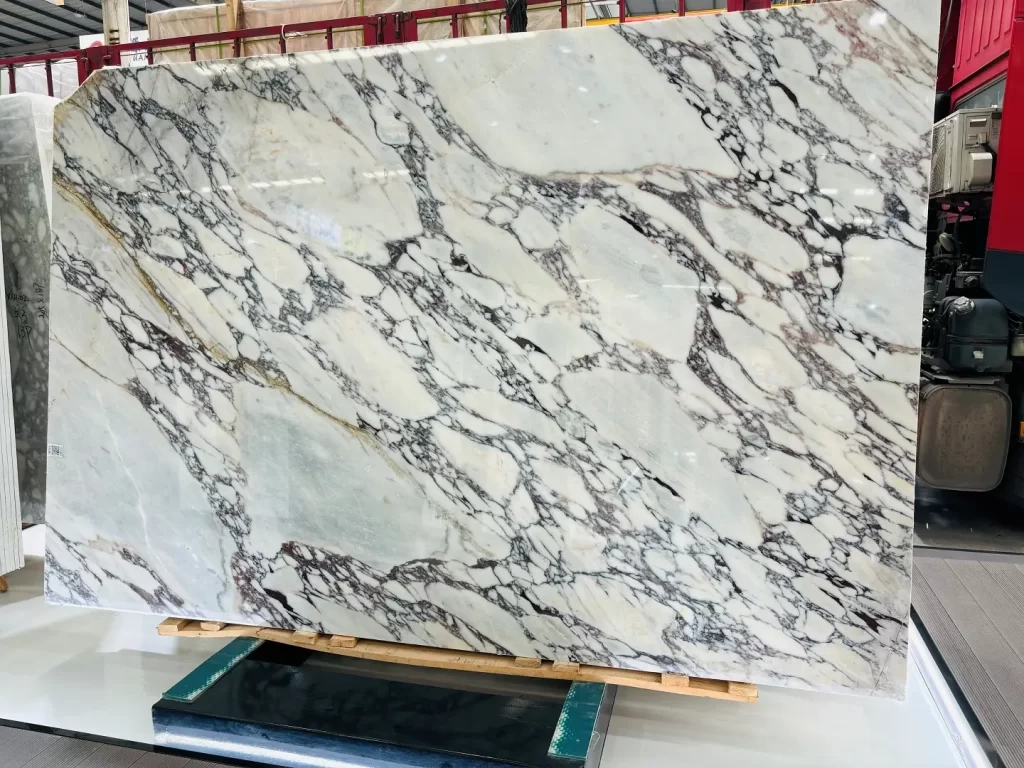
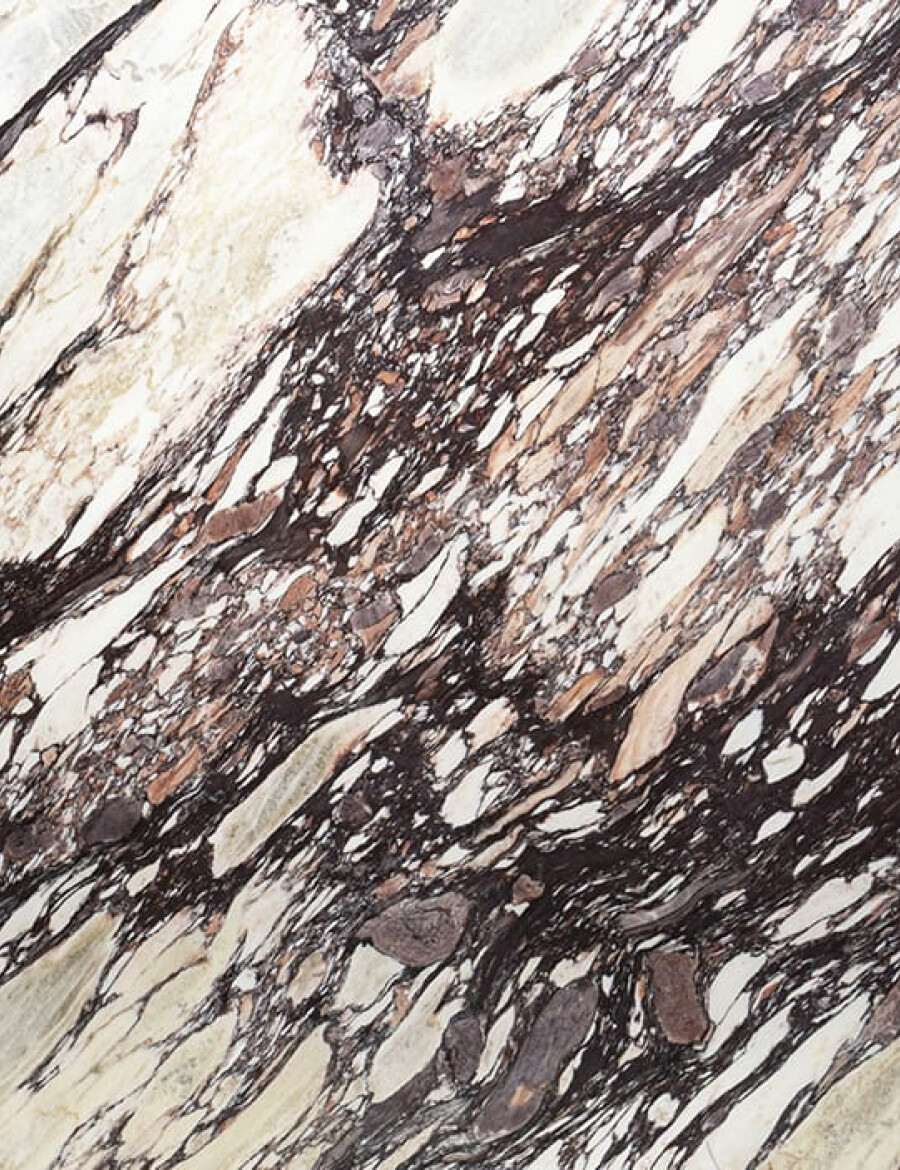
There is something undeniably magnetic about Calacatta Viola. It doesn’t just sit in a room; it commands it. With its creamy white background slashed through with dramatic veins of deep burgundy, plum, and sometimes even gold, it feels less like a building material and more like a piece of modern art carved from the earth. You see it in high-end lobbies, on the covers of design magazines, and increasingly, in the homes of people who are willing to invest in beauty that lasts. But let’s be honest—when you first fall in love with that swirling purple pattern, the price tag can feel like a splash of cold water.
It is not just expensive. It is significantly pricey. And that is okay. But before you sign on the dotted line or fall head-over-heels for a specific slab at the stone yard, you need to know what you are actually paying for. Is it just the look? Or is there more to the story? In 2026, the market for natural stone has shifted. Supply chains have stabilized somewhat since the chaotic years prior, but rarity still drives value. This stone is quarried in limited quantities in Italy, and every single slab is unique. That uniqueness is a double-edged sword. It guarantees you won’t have the same kitchen as your neighbor, but it also means pricing can feel unpredictable, even arbitrary.
This guide isn’t here to sell you on Calacatta Viola. If you are reading this, you are probably already sold on the aesthetics. Instead, we are here to talk about the reality of living with it. We will break down the confusing pricing structures, explain why two slabs can cost vastly different amounts, and most importantly, give you the real, no-nonsense advice on how to keep it looking stunning without losing your mind. Because owning a luxury stone shouldn’t feel like a second job. It should feel like a privilege. Let’s dig into the details so you can make a choice that feels right for your budget and your lifestyle.
Decoding the Price Tag: What Are You Actually Paying For?
When you see a price range for Calacatta Viola, it can be dizzying. Some sources might quote you $120 per square foot, while others are asking upwards of $280. Why the massive gap? It mostly comes down to grade and origin. The term "Calacatta" is often thrown around loosely, but true Calacatta Viola comes from specific quarries in the Apuan Alps of Tuscany. The closer the stone is to the source, and the higher the quality of the block extracted, the higher the price. In 2026, the ex-factory price in Italy can range from €600 to €1500 per square meter, which translates to a wide variance once it hits the US or UK markets due to shipping, tariffs, and supplier markups.
The grade of the slab is the biggest factor. Premium or "extra" grade slabs have a consistent white background with bold, well-distributed violet veining and minimal fissures or natural imperfections. These are the showstoppers. They are rare. Commercial or standard grade slabs might have more cloudiness, heavier spotting, or less dramatic veining. They are still beautiful, but they don’t command the same premium. When you are shopping, always ask to see the actual slab, not just a sample. A photo can hide a lot of sins. What looks like a delicate purple whisper in a thumbnail might be a muddy blotch in person.
Don’t forget the hidden costs either. The price per square foot usually covers just the raw material. You still have to pay for fabrication, which includes cutting, polishing, and edging. For a stone this hard and valuable, you want a fabricator who specializes in high-end marble. Cheap fabrication can lead to chipping or poor seam matching, which ruins the investment. Then there is installation. Marble is heavy. It requires skilled hands to handle without breaking. So, when you are budgeting, remember that the stone itself might only be half of the total project cost. It is an investment, yes, but one that needs to be planned for holistically.
Beyond the Slab: Installation and Hidden Expenses
Buying the slab is just the beginning. The journey from the warehouse to your countertop or floor involves several steps where costs can creep up. First, consider the thickness. Standard countertops are usually 2cm or 3cm thick. Thicker slabs look more substantial and luxurious, but they cost more both in material and shipping weight. If you are using it for flooring, you might need a different thickness or additional reinforcement underneath. These structural requirements add to the bottom line. It is easy to overlook these technical specs when you are focused on the color, but they matter immensely for longevity.
Seaming is another critical area. Unless you have a very small space, you will likely need multiple slabs. Matching the veining across seams is an art form. A skilled installer will book-match slabs (mirroring them) to create a symmetrical, dramatic effect. This takes time and precision. It also means you might waste more material during the cutting process to get the pattern right. That waste is factored into your cost. Ask your fabricator about their seaming policy. Do they charge extra for complex pattern matching? Will they dry-lay the slabs in their shop before installing so you can approve the look? These services cost money, but they prevent costly mistakes later.
Then there is the issue of sealing and finishing. While some modern impregnating sealers are incredibly effective, applying them correctly is key. Some suppliers include the first sealing in the fabrication price; others do not. It seems like a small detail, but if you skip it, your stone is vulnerable from day one. Also, consider the edge profile. A simple eased edge is cheaper than a complex ogee or waterfall edge. Since Calacatta Viola is so visually busy, simpler edges often look better anyway, letting the stone speak for itself. But custom edges require more labor and skill, driving up the fabrication bill. Always get a detailed breakdown of these extras before you commit.
The Reality of Maintenance: It’s Not Just Wiping Down
Let’s address the elephant in the room: marble is porous. Calacatta Viola, despite its beauty, is a natural calcium carbonate stone. This means it reacts to acids. Lemon juice, vinegar, wine, tomato sauce—if you spill any of these and leave them sitting, they will etch the surface. Etching is not a stain; it is a chemical change that dulls the polish. It looks like a light ring or a matte spot. Many new owners panic when this happens. But here is the truth: etching is part of the patina. It is the stone telling its story. However, if you are someone who needs perfection, this might not be the stone for you.
Daily care is actually quite simple. Use a soft cloth or sponge and warm water. If you need a cleaner, use a pH-neutral stone cleaner specifically designed for marble. Avoid generic household cleaners, especially those with bleach or ammonia, as they can strip the sealer and damage the stone over time. The goal is to prevent dirt and grit from scratching the surface. Grit acts like sandpaper. So, putting felt pads under furniture legs and using rugs in high-traffic areas is a smart move. It is not about babying the stone; it is about respecting its nature.
Spills should be wiped up immediately. This is the golden rule. For oil-based spills like cooking oil or makeup, you might need a poultice to draw the oil out if it penetrates. For acid spills, wiping quickly minimizes etching. Some people choose to hone their Calacatta Viola instead of polishing it. A honed finish is matte and shows etching much less than a polished finish. It gives the stone a softer, more contemporary look. If you are worried about maintenance, consider a honed finish. It hides the wear and tear of daily life far better than a high-gloss polish, making it a practical choice for busy kitchens.
Sealing Strategies: Protecting Your Investment
Sealing is the most misunderstood aspect of marble care. There is a myth that sealing makes marble stain-proof. It does not. Sealing buys you time. It slows down the absorption of liquids, giving you a window to wipe up a spill before it becomes a permanent stain. In 2026, sealers have improved significantly. Penetrating sealers are the standard. They soak into the pores of the stone without changing its appearance. You should test your stone periodically to see if it needs resealing. The "water test" is simple: drop a few drops of water on the surface. If it beads up, your sealer is working. If it darkens the stone quickly, it is time to reseal.
How often should you seal? It depends on usage. A bathroom vanity might only need sealing once a year or even less. A busy kitchen island might need it every six months. There are also topical sealers that create a barrier on top of the stone, but these can wear off unevenly and alter the look of the stone, so most experts recommend sticking to penetrating sealers. When applying sealer, less is more. Flooding the stone can leave a sticky residue that attracts dirt. Apply a thin, even coat, let it sit for the recommended time, and then buff it off thoroughly.
It is also worth noting that some suppliers offer pre-sealed slabs. This can be convenient, but you should still verify the quality of the sealant used. Sometimes, the factory seal is just a temporary protective coating for transport and needs to be stripped and reapplied properly after installation. Ask your fabricator what type of sealer they use and if they recommend a specific brand for ongoing maintenance. Using the wrong product can void warranties or cause buildup. Consistency is key. Establish a routine, and it becomes second nature. Think of it like brushing your teeth—a small habit that prevents major problems down the road.
Designing with Viola: Making It the Hero
Calacatta Viola is bold. It is not a shy stone. Because of its dramatic veining, it works best when it is the hero of the space. Trying to pair it with other busy patterns or loud colors can create visual chaos. Instead, let it shine by keeping the surrounding elements subtle. White cabinetry, warm wood tones, or soft neutral walls provide the perfect backdrop. The purple veins pick up warmth beautifully, so brass or gold fixtures complement it exceptionally well. Silver or chrome can work too, but it creates a cooler, more modern contrast. Consider the lighting in your space as well. Natural light brings out the depth of the purple, while warm artificial light can make it look richer and cozier.
Where you place it matters. Full-height backsplashes or waterfall islands allow the veining to flow continuously, creating a sense of movement and grandeur. If you are using it for flooring, large format tiles minimize grout lines and let the pattern breathe. In smaller spaces, like a powder room, a single slab can act as a stunning feature wall. The key is balance. If you go all-out with Calacatta Viola on the floors, counters, and walls, the space can feel overwhelming. Pick one or two key areas to highlight. Maybe it is the kitchen island and the primary bathroom vanity. This restraint elevates the stone rather than diluting its impact.
Book-matching is a technique worth considering if your budget allows. This involves slicing a block of stone into sequential slabs and opening them like a book. The result is a symmetrical mirror image of the veining. It is breathtaking on a fireplace surround or a shower wall. However, it requires more material and precise installation, so it adds to the cost. If you choose this route, work closely with your designer and fabricator to visualize the layout beforehand. Seeing the digital mockup can help you decide if the symmetry enhances the space or feels too rigid for your taste. Remember, design is personal. There is no right or wrong, only what feels right to you.
So, is Calacatta Viola worth the investment? From a purely financial standpoint, high-quality natural stone can increase property value. Some estimates suggest that premium stone installations can boost home value by 10-15% compared to synthetic alternatives, particularly in luxury markets. Buyers in 2026 are increasingly savvy. They can tell the difference between genuine marble and quartz imitations. Genuine Calacatta Viola signals quality, permanence, and taste. It is a tangible asset. Unlike trends that come and go, natural stone has been prized for centuries. It doesn’t go out of style.
But value is also emotional. There is a joy in living with something natural. The way the light hits the veins in the morning. The cool touch of the stone under your hands. The knowledge that no one else in the world has exactly the same pattern in their home. These intangible benefits are hard to quantify but deeply satisfying. If you view your home as a sanctuary, investing in materials that bring you peace and pleasure is worthwhile. However, if you are the type of person who stresses over every little mark or scratch, the emotional cost might outweigh the financial one. Be honest with yourself about your lifestyle.
Ultimately, Calacatta Viola is for those who appreciate imperfection as part of beauty. It is a living material. It changes. It ages. It develops character. If you embrace that, it will reward you with decades of beauty. If you fight it, you will be frustrated. The true cost is not just the dollars spent upfront, but the mindset required to care for it. For many, that trade-off is more than fair. It is a partnership with nature. And in a world of mass-produced perfection, that connection is priceless. So, take a breath, look at the slab, and decide if it speaks to you. If it does, welcome to the club. It is a beautiful place to be.