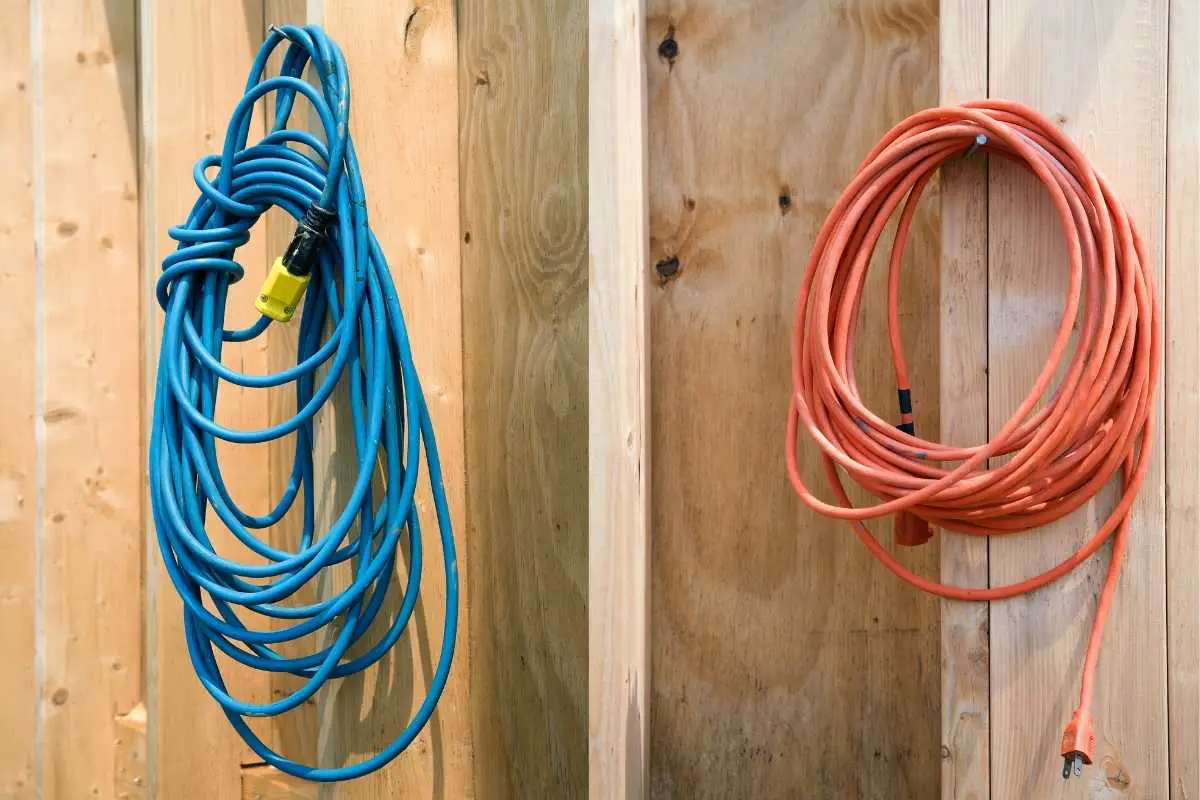
We’ve all been there. You reach into the garage or the back of a closet, pulling at a knotted mess of orange extension cord that looks like it lost a fight with a giant snake. It’s frustrating. It wastes time. And honestly? It’s expensive. In 2026, with the cost of quality tools and electronics still climbing, throwing away a damaged cord feels like tossing cash in the trash. But here’s the thing most people don’t realize: that tangled mess isn’t bad luck. It’s bad technique.
Improper storage is the silent killer of your cables. Whether it’s a heavy-duty extension cord for the lawn mower or a delicate HDMI cable for your home theater, the way you wrap it determines how long it survives. Most of us just wind it around our elbow or bundle it tightly with a zip tie, thinking we’re being neat. We’re not. We’re actually creating stress points that lead to internal wire breaks, frayed insulation, and those annoying kinks that make the cord useless. But it doesn’t have to be this way. With a few simple changes to how you handle your cords, you can triple their lifespan. Seriously. Three times longer.
The Hidden Cost of the "Elbow Wrap
Let’s talk about the elephant in the room: the elbow wrap. It’s fast. It’s easy. And it’s terrible for your cords. When you wind a cable around your elbow and hand, you’re forcing it into tight, unnatural circles. This creates what engineers call "memory." The copper wires inside start to remember that shape. Over time, this leads to permanent kinks. Once a kink sets in, the insulation weakens. Eventually, the wire inside snaps, even if you can’t see it from the outside.
Think about it. A standard extension cord might cost you $20 to $40 these days. If you buy a new one every year because the old one got chewed up by bad storage, that’s hundreds of dollars over a decade. But if you treat it right, that same cord could last five, six, or even ten years. It’s not just about money, though. It’s about safety. Damaged cords are fire hazards. They spark. They short out. In 2026, with smarter homes and more devices plugged in than ever, keeping your power delivery systems safe is crucial.
The problem isn’t just the wrapping, either. It’s the unraveling. Have you ever tried to pull a cord out of a tight ball, only to find it twisted into a figure-eight nightmare? That twisting puts torque on the internal conductors. It strains the connections at the plug ends. All that stress adds up. By switching to a better method, you eliminate the twist. You keep the fibers and wires aligned. It’s a small change, but the impact is huge.
Meet the Roadie Wrap: The Gold Standard
So, what’s the solution? Enter the "Over-Under" method, also known as the Roadie Wrap. If you’ve ever seen a concert crew handle massive bundles of audio cables, you’ve seen this in action. They aren’t doing it because they’re fancy. They’re doing it because it works. This technique ensures that every loop of the cable neutralizes the twist from the previous loop. The result? A cord that uncoils perfectly straight, without a single tangle.
Here’s how it works. Hold the plug end in your non-dominant hand. With your dominant hand, create a loop by bringing the cable over your hand (that’s the "over"). For the next loop, you twist your wrist so the cable goes under your hand (the "under"). You alternate: over, under, over, under. It feels weird at first. Your brain wants to do the same motion every time. Resist that urge. The key is the wrist flick on the "under" part. You’re essentially reversing the direction of the coil.
Why does this matter? Because cables have a natural lay. When you coil them all in one direction, you fight against that natural state. The over-under method respects the cable’s geometry. It keeps the internal shielding and conductors relaxed. No tension. No torque. Just smooth, happy wires. In 2026, this technique is more relevant than ever as we deal with thicker, more complex cables for high-speed data and higher voltage applications. The principles haven’t changed, but the stakes have gotten higher.
Step-by-Step: Mastering the Technique
Okay, let’s get practical. You’re standing in your workshop or living room, holding a messy cord. Here’s exactly what to do. First, straighten the cord out completely. Don’t try to coil a tangled mess. Lay it flat on the ground if you have to. Find the natural curve. Now, pick up one end. Make your first loop large—about the size of a dinner plate. Small loops are the enemy. They create sharp bends that damage the insulation.
As you form the second loop, remember the flick. Over, then under. Keep the loops uniform in size. Don’t let them get sloppy. If you’re doing a long extension cord, you might need to use your whole arm, not just your wrist. Keep the tension light. You’re guiding the cable, not strangling it. Once you’ve coiled the whole length, secure it. But wait—don’t use a zip tie! Zip ties are too tight. They crush the outer jacket. Use a velcro strap, a piece of rope, or even the cord’s own built-in tie if it has one.
Practice makes perfect. The first few times, you’ll feel clumsy. You might drop the coil. That’s fine. Keep going. After a week, it’ll become muscle memory. You’ll find yourself doing it automatically. And when you go to use the cord next time, just hold one end and throw the coil. It will unfurl like a magic trick. Straight. Smooth. Ready to work. It’s satisfying, honestly. There’s a certain joy in pulling a cord that behaves.
Why Modern Cables Need Extra Care
You might be thinking, "It’s just a wire. How fragile can it be?" Well, in 2026, it’s not just a wire. Modern cables are complex assemblies. Take USB-C charging bricks or high-speed HDMI cables. They have dozens of tiny internal strands, shielding layers, and data pairs. They’re designed for performance, not abuse. Bending them sharply can break those delicate internal connections. Even if the cable still charges your phone, the data speed might drop. You won’t know it’s damaged until it fails completely.
Extension cords have evolved too. Many now feature heavier gauge wires for better power delivery and safer outdoor ratings. These thicker jackets are durable, but they’re also stiffer. Stiffness means they resist bending. If you force them into a tight circle, they want to spring back. That constant tension fatigues the material. It leads to cracks in the insulation, especially in cold weather. If you live in a place with harsh winters, proper coiling is even more critical. A cracked jacket lets moisture in. Moisture causes corrosion. Corrosion causes failure.
Then there’s the issue of heat. Tightly wound cords trap heat. If you store a cord that’s slightly warm from use in a tight bundle, that heat has nowhere to go. It degrades the plastic faster. Proper coiling allows for air circulation. It keeps the material cool and flexible. It’s a small detail, but it adds up. Think of it like folding a shirt. You wouldn’t crumple it into a ball and shove it in the drawer. You fold it neatly so it lasts longer and looks better. Cords deserve the same respect.
Storage Solutions That Actually Help
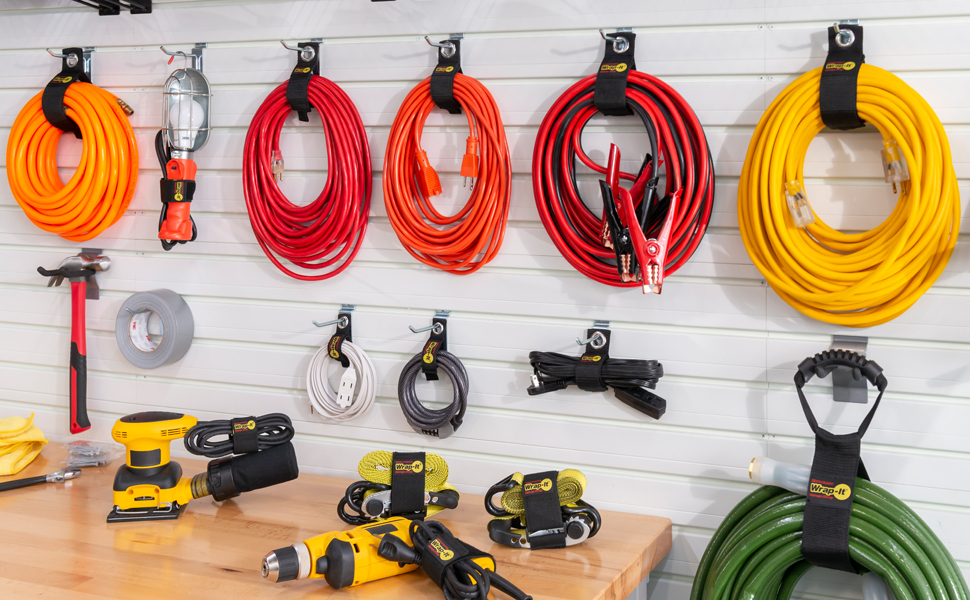
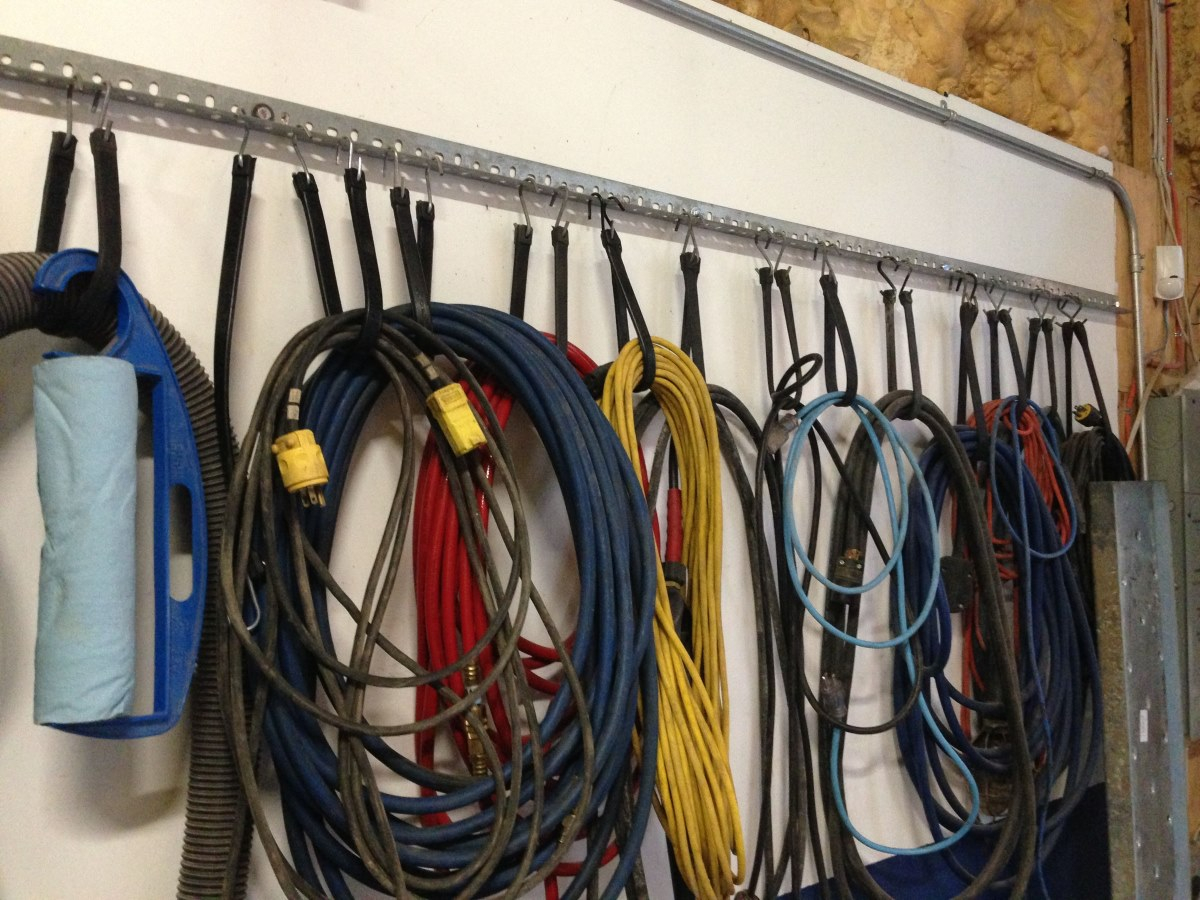
Coiling is half the battle. Storage is the other half. You can wrap a cord perfectly, but if you toss it into a dark, damp corner under a pile of junk, it’s still going to suffer. In 2026, we have better options than the old nail-in-the-wall method. Consider using open bins or hanging hooks. The goal is to keep the coils loose and supported. Don’t hang a heavy cord by its plug. That puts all the weight on the connection point. Hang it by the coil itself, using a wide hook.
Velcro straps are your best friend here. They’re reusable, adjustable, and gentle. You can buy them in bulk for cheap. Wrap them loosely around your coiled cord. Just enough to hold the shape, not enough to squeeze. Avoid rubber bands. They dry out, crack, and stick to the cable jacket. They’re a nightmare to remove. If you’re storing cords for a long time, keep them in a climate-controlled space. Extreme heat and cold are enemies of plastic and rubber.
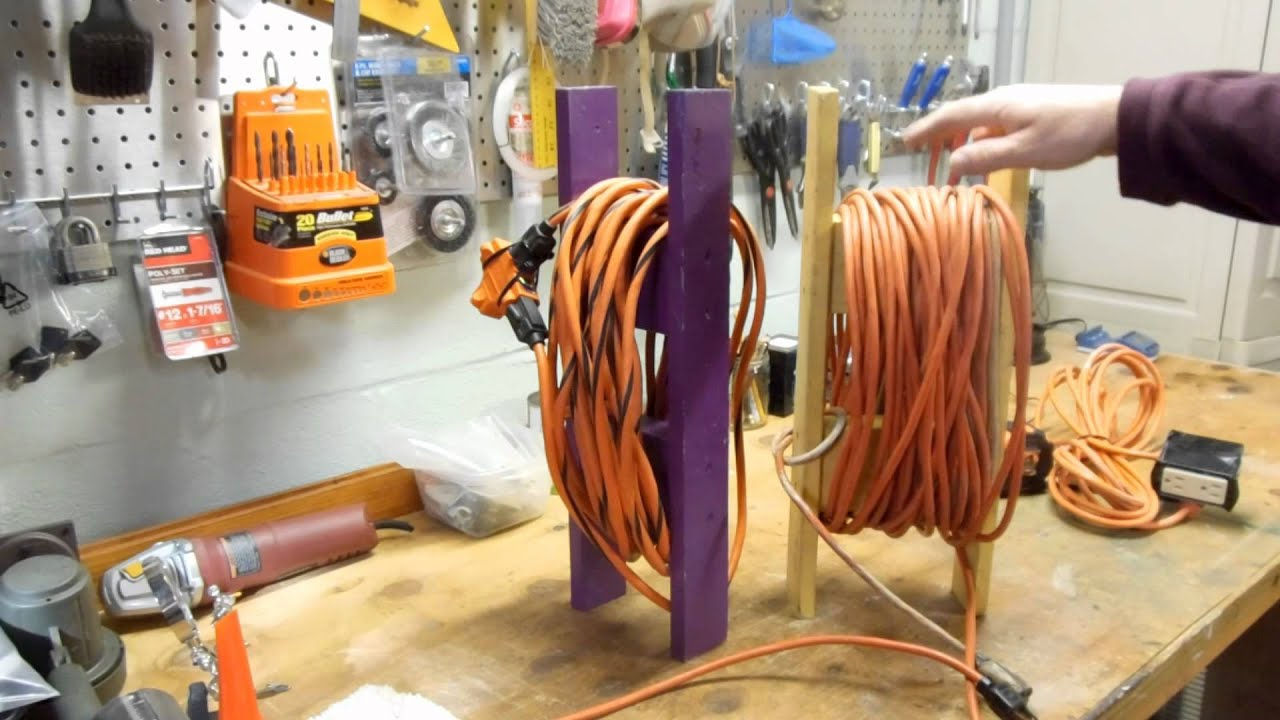
For the tech-savvy, there are even smart organizers now. Some 2026-era tool boxes come with built-in cable management systems. They have spools or compartments designed to keep cords separated and untangled. But you don’t need to spend a fortune. A simple pegboard with wide hooks works wonders. The key is visibility. If you can see your cords, you’re less likely to grab the wrong one and yank it. Organization reduces stress. Not just for the cords, but for you too.
Here’s the surprising part: learning to coil cords properly changes how you treat other things. It brings a sense of order to your workspace. When your tools are ready to go, you work faster. You’re less frustrated. You spend less time fighting with equipment and more time actually doing the project. It’s a small habit, but it ripples out. You start noticing other inefficiencies. You start caring more about maintenance. You become a better practitioner, whether you’re a professional electrician or a weekend DIYer.
Plus, it’s environmentally friendly. Every cord you don’t throw away is one less piece of e-waste in a landfill. Copper mining and plastic production have heavy environmental costs. By extending the life of your gear, you’re reducing your footprint. It’s a simple act of sustainability. In 2026, where we’re all more conscious of waste, this matters. It’s not just about saving $20. It’s about respecting the resources that went into making the product.
And let’s not forget the safety aspect again. A well-maintained cord is a safe cord. No exposed wires. No cracked insulation. No loose connections. This protects your family, your pets, and your home. It’s peace of mind. You know that when you plug in that heater or that saw, it’s going to work correctly. No sparks. No surprises. Just reliable power. That reliability is worth far more than the few minutes it takes to coil the cord right.
So, next time you’re done with a project, take a breath. Don’t just ball it up. Take those extra thirty seconds. Do the over-under. Secure it gently. Put it away properly. Your future self will thank you. Your wallet will thank you. And your cords? They’ll last three times longer, maybe more. It’s a tiny change with a massive payoff. And honestly, isn’t that what we’re all looking for? A little bit of order in a chaotic world. Start with the cords. See where it takes you.