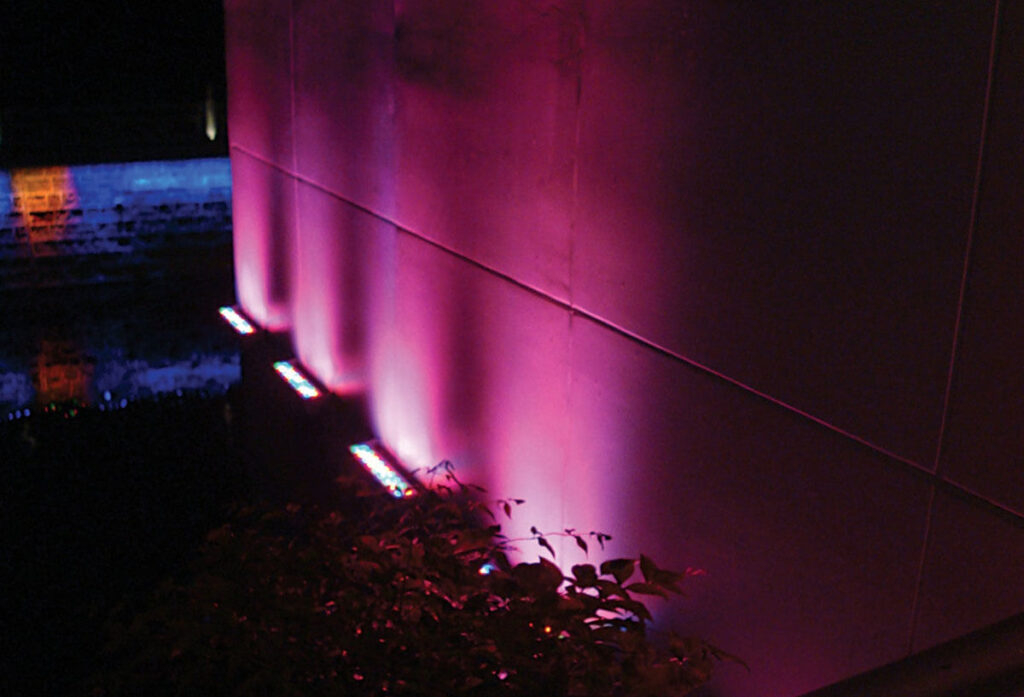
Have you ever walked into a room and felt an instant sense of relief? You couldn’t quite put your finger on why. The furniture was nice, sure. The colors were pleasant. But something about the air itself felt lighter. Chances are, it wasn’t the decor. It was the light. Specifically, the way the light hit the walls.
We spend so much time worrying about the lamp on the table or the chandelier overhead that we forget the biggest surface area in any room: the vertical planes. The walls. When they are left in shadow, our brains work harder to process the space. But when they are bathed in a soft, even glow, something shifts. The tension drops. The room breathes. This isn’t just interior design magic; it’s biology. Your eyes are literally craving that uniform wash of light, and here is why.
The Biology of Bright Walls
Let’s get technical for a second, but keep it simple. Human vision evolved to look outward, across landscapes. We are horizontal creatures scanning horizons. But indoors, we are surrounded by vertical surfaces. When those surfaces are dark or unevenly lit, our pupils have to constantly adjust. One minute they are dilated for the dark corner, the next they are constricting for the bright spot on the floor. This constant adjustment causes what experts call "visual noise." It’s a low-level stressor. You might not feel stressed, but your brain is burning energy just to make sense of the contrast.
Wall washing fixes this. By casting a smooth, even layer of light across a vertical surface, you reduce that contrast dramatically. According to recent insights from lighting psychology, this de-emphasizes the wall itself. It stops being a barrier and starts being a backdrop. The effect is profound. When the light is uniform, the eye doesn’t have to hunt for details in the shadows. It can rest. This reduction in visual effort lowers cortisol levels, creating that subtle feeling of relaxation we often mistake for just "good vibes." It’s actually your nervous system thanking you for making its job easier.
Think about walking into a high-end hotel lobby. Notice how the walls seem to glow? That’s not an accident. It’s a deliberate choice to make you feel welcome and calm before you’ve even spoken to the receptionist. The light is doing the heavy lifting. It tells your brain, "You are safe here. There are no hidden threats in the corners." In 2026, as we spend more time in hybrid work environments, this biological need for visual clarity has become even more critical. We aren’t just decorating; we are hacking our own comfort levels.
Expanding Space Without Moving a Brick
One of the most powerful tricks in the designer’s toolkit is the ability to make a small room feel big. Usually, this involves mirrors or painting walls white. But light is far more effective. Wall washing creates what researchers call "visual expanse." When light hits a wall evenly, it pushes the perceived boundary of the room outward. The wall seems to recede. It’s an optical illusion, but it feels completely real.
This happens because our depth perception relies heavily on light and shadow. Dark corners signal boundaries. They tell us where the room ends. By eliminating those dark corners with a uniform wash, you blur the edges. The room feels open, airy, and larger than its actual square footage. This is why architects and designers love recessed ceiling lights placed about 2.5 feet from the wall. It’s the sweet spot for creating that seamless glow that makes a cramped apartment feel like a loft.
It’s also incredibly efficient. Unlike traditional lighting that pools on the floor and leaves the upper walls in darkness, wall washers cover more area with less energy. In an era where sustainability is key, this matters. You get a bigger-feeling space and a lower electric bill. It’s a win-win. The light doesn’t just illuminate; it transforms the architecture. A flat, boring wall becomes a canvas. The texture of the plaster or brick is highlighted gently, adding depth without clutter. It’s subtle, but the impact on spatial perception is huge.
The Difference Between Washing and Grazing
Not all vertical lighting is created equal. You’ve probably heard terms like "wall washing" and "wall grazing" thrown around. They sound similar, but they do very different things. Understanding the difference is crucial if you want to get the psychological effect right. Wall washing is about uniformity. It’s about smoothing things out. Wall grazing, on the other hand, is about drama. It’s about highlighting texture.
Imagine running your hand over a rough stone wall. If you shine a light directly down from the top, close to the wall, you create deep shadows in every crevice. That’s grazing. It emphasizes the bumps and grooves. It’s dramatic and artistic, but it can also be visually busy. If you use grazing in a small room, it might feel chaotic. Your eyes have to process all those tiny shadows. It’s stimulating, which is great for a gallery or a feature wall, but maybe not for a bedroom where you want to unwind.
Wall washing is the opposite. The fixtures are placed further from the wall, and the beam is wider. The goal is to eliminate shadows, not create them. It minimizes imperfections. If your drywall isn’t perfectly smooth, wall washing will hide it. Grazing will expose it. For general living spaces, washing is usually the better choice for mental comfort. It creates a polished, professional look that feels serene. As one expert noted, choosing the right technique ensures both functional visual comfort and aesthetic impact. You have to ask yourself: do I want my eyes to rest, or do I want them to explore? Most of the time, we just want them to rest.
Setting the Mood: Context Matters
Here is where it gets interesting. While uniform light is generally calming, it’s not always the right choice for every situation. Context is everything. Take a restaurant, for example. If you wall-wash the entire perimeter with bright, uniform light, it might feel like a cafeteria. Sterile. Uninviting. In dining spaces, we often want intimacy. We want to feel cocooned.
In these cases, designers might avoid large areas of peripheral wall washing. Instead, they opt for lower light levels and warm-toned, non-uniform lighting. They use sconces and pendants to create pools of light over the tables. This creates a feeling of relaxation and privacy. The darkness around the edges makes the lit table feel like a stage. It’s a different psychological cue. It says, "Focus here. Connect with the person across from you."
But even in these darker spaces, strategic vertical lighting can help. Maybe you wash just one accent wall to provide orientation. Humans need visual anchors. If a room is too dark, we feel disoriented. A single washed wall can provide that sense of direction without breaking the intimate mood. It’s about balance. You don’t want to flood the space with light, but you don’t want to leave it in total darkness either. The key is intentionality. Know what feeling you are trying to evoke. Are you trying to energize? Calm? Intimidate? Romance? The light placement should match the emotion.
Practical Tips for Your Home
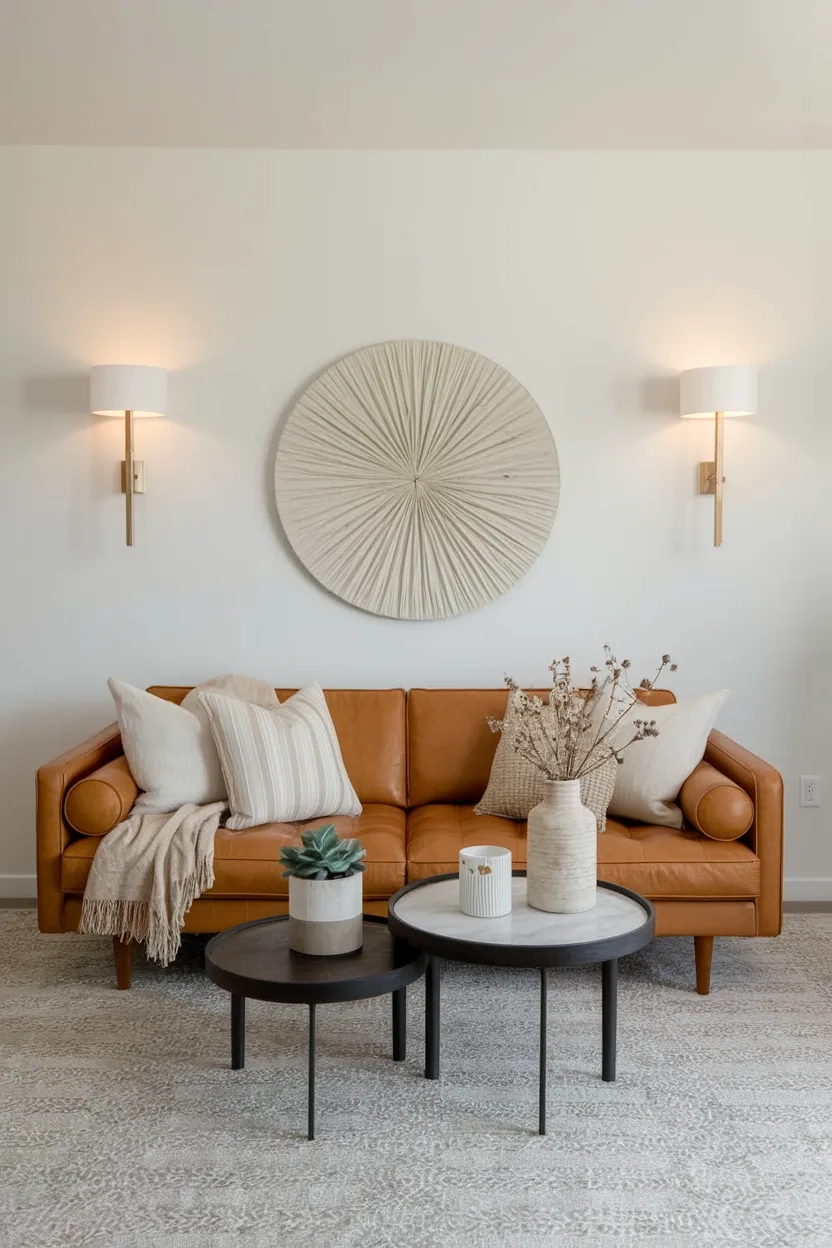
So, how do you bring this into your own home? You don’t need to rewire your entire house. Start small. Look at your living room. Are there dark corners that feel heavy? Try adding a floor lamp that directs light upward toward the ceiling and wall. This bounces light back down, creating a soft wash. It’s a cheap and easy way to test the effect. If you notice the room feels instantly bigger and calmer, you’re on the right track.
If you are renovating or building, consider recessed lighting. Place the fixtures about 2 to 3 feet from the wall. This distance is critical. Too close, and you get hotspots and glare. Too far, and the light doesn’t reach the wall effectively. Use wide-beam bulbs. You want the light to spread out, not punch a hole in the drywall. Dimmers are also essential. Being able to adjust the intensity allows you to change the mood from day to night. Bright for cleaning and reading, dim for relaxing and watching movies.
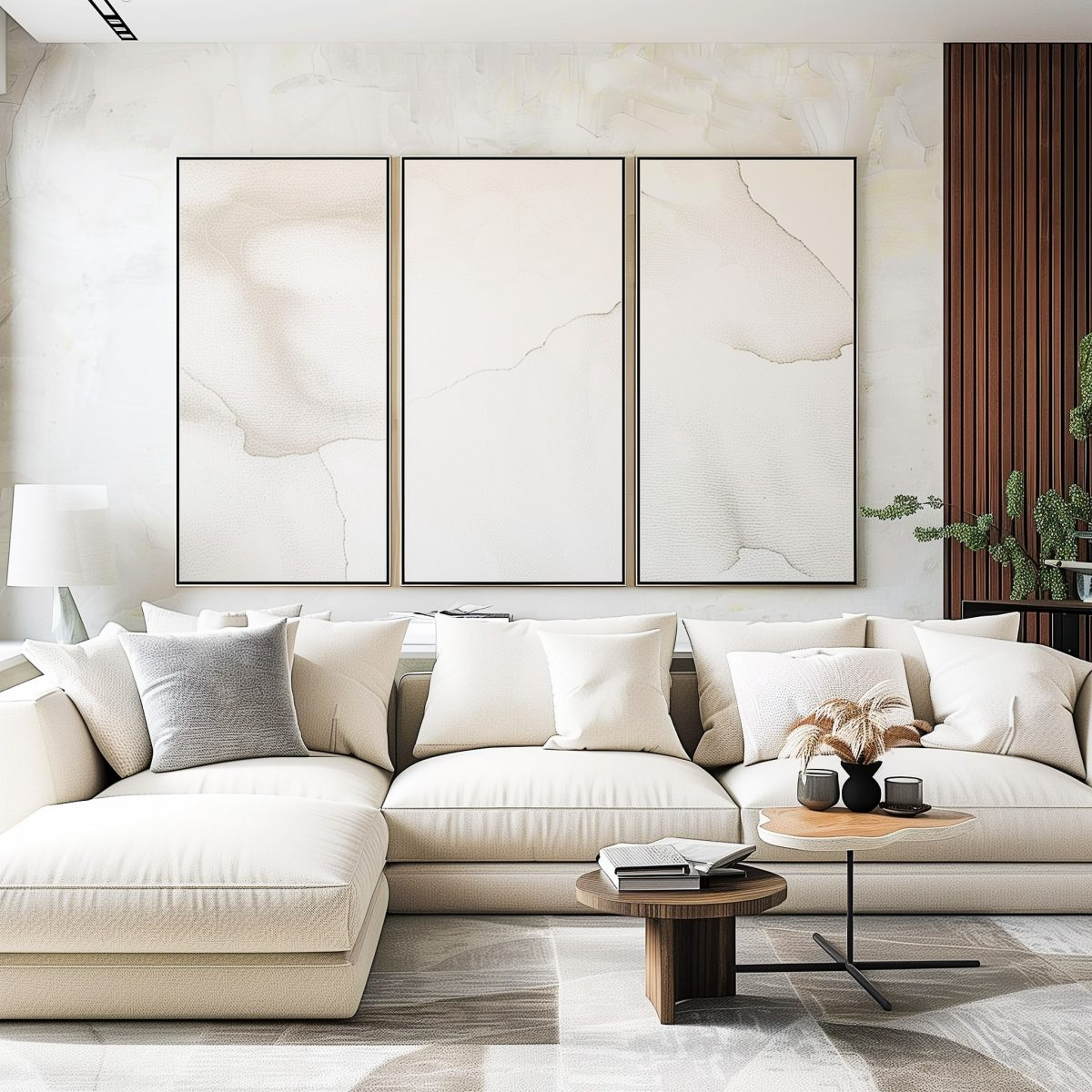
Another tip: pay attention to color temperature. For wall washing, warmer tones (2700K to 3000K) usually feel more inviting and natural. Cooler tones can feel clinical, like a hospital. Unless you are lighting a workspace, stick to warm whites. And don’t forget about the art. If you have paintings or photos, wall washing provides a perfect, glare-free backdrop. It lets the art pop without competing with it. It’s about creating a hierarchy of light. The wall is the stage; the furniture and art are the actors.
The Future of Human-Centric Lighting
As we move further into 2026, the conversation around lighting is shifting. It’s no longer just about aesthetics. It’s about health. This concept is known as Human Centric Lighting. It recognizes that light affects our circadian rhythms, our mood, and our cognitive function. Uniform vertical lighting is a central component of this approach. It’s not just a design trend; it’s a wellness strategy.
Research continues to show that well-lit environments improve productivity and reduce eye strain. In offices, wall washing helps reduce the contrast between computer screens and the surrounding environment. This reduces fatigue. At home, it supports better sleep hygiene by allowing for softer, more diffuse lighting in the evenings. The technology is getting smarter, too. Smart bulbs and automated systems can adjust the intensity and color of your wall wash throughout the day, mimicking the natural progression of sunlight.
This integration of technology and psychology is exciting. We are moving away from static lighting schemes toward dynamic environments that respond to our needs. Imagine a home that knows when you are stressed and automatically softens the vertical light to help you decompress. It sounds like sci-fi, but it’s happening now. The unsung heroes of this revolution are the wall washer lights. They are quiet, efficient, and profoundly effective. They don’t shout for attention. They just work, quietly improving our quality of life one lumen at a time.
At the end of the day, lighting is emotional. It shapes how we feel in a space more than almost any other element. Wall washing is a simple technique with a complex impact. It reduces visual stress, expands our perception of space, and creates a sense of order and calm. It appeals to our deepest biological instincts for clarity and safety.
So next time you walk into a room that feels "just right," take a look at the walls. Chances are, they are glowing. And if your home feels a bit cramped or chaotic, don’t just rearrange the furniture. Look up. Add some light to those vertical surfaces. Your eyes will thank you. It’s a small change, but the shift in atmosphere can be transformative. After all, we don’t just see with our eyes. We feel with them too.