You know that feeling when you walk into a kitchen and it feels like a sauna? It’s summer. Or maybe you’re just trying to save a buck on the electric bill because, let’s be honest, everything costs more these days. In 2026, with energy prices still fluctuating and folks getting more conscious about their carbon footprint, there’s a quiet revolution happening in kitchens across the globe. It’s not high-tech. It doesn’t need an app. It’s actually kind of old-school.
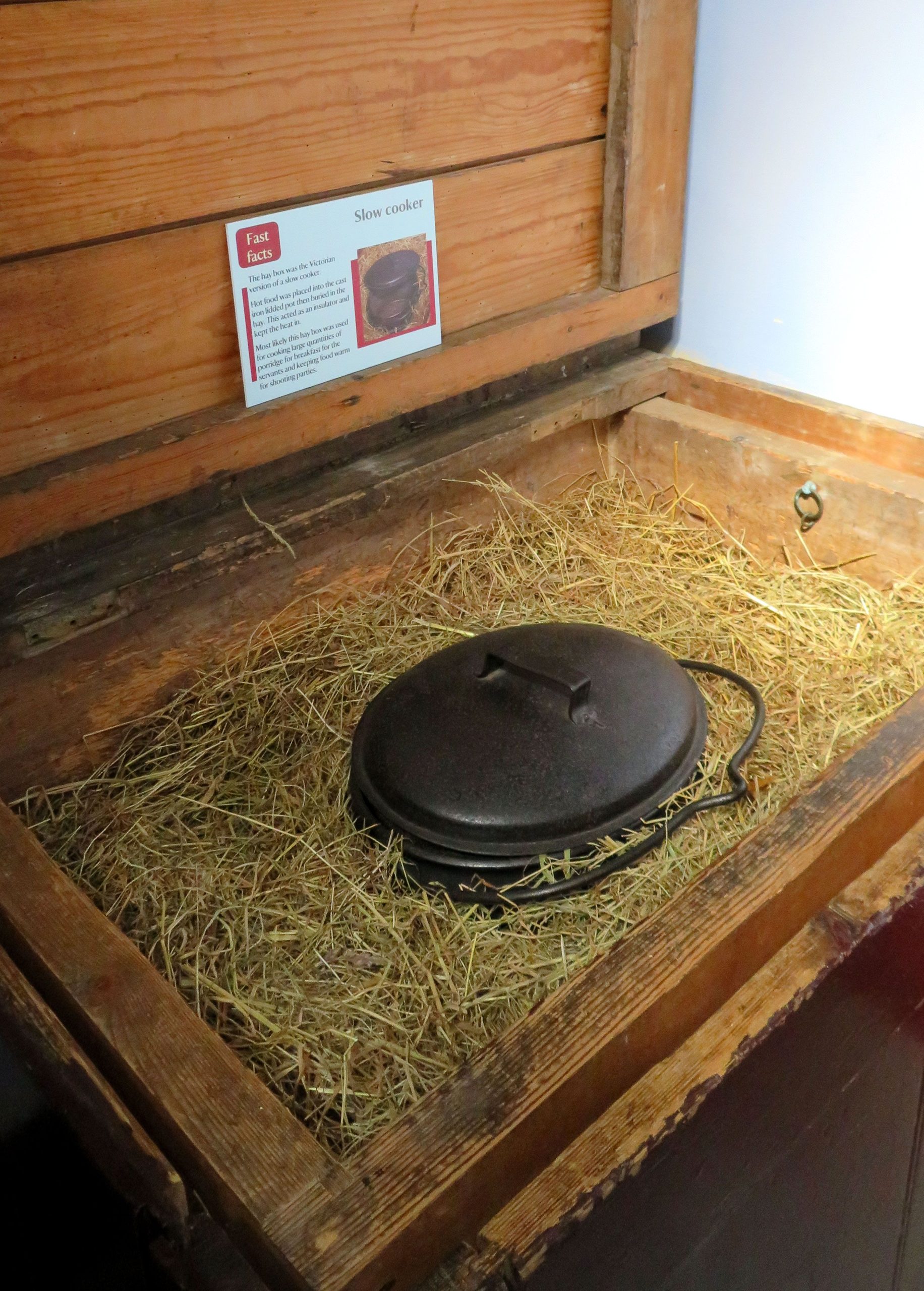
We are talking about thermal cooking. You might know it as retained heat cooking, or maybe your grandma called it "haybox" cooking. The idea is simple, almost deceptively so. You bring food to a boil, slap it in an insulated container, and let physics do the rest. No flame. No electricity. Just time and temperature. It sounds too good to be true, right? Like one of those internet hacks that never actually works. But here’s the thing: it does work. And in a world that’s constantly rushing, there’s something deeply satisfying about letting go and letting the heat do its job.
The Science Behind the Magic
So, how does it actually work? It’s not magic, though it feels like it. It’s basic thermodynamics. When you boil water or soup, you are adding energy to it. That energy is heat. Normally, when you take a pot off the stove, that heat escapes into the air. The pot cools down. The food stops cooking. But what if you could trap that heat? What if you could build a little fortress around the pot that says, "No heat allowed to leave"?
That’s exactly what a thermal cooker does. It uses heavy insulation—think thick foam, vacuum layers, or even just a really good wool blanket—to keep the heat inside. Once the food reaches a certain temperature (usually boiling, or close to it), you seal it up. The temperature inside stays high enough to cook the food slowly over several hours. It’s like a slow cooker, but without the cord. The food continues to cook at a gentle simmer, breaking down tough fibers in meat and blending flavors in stews, all while using zero additional energy.
This method isn’t new. Soldiers in World War I used it to conserve fuel. People in rural areas have used hayboxes for centuries. But in 2026, we’re looking at it through a new lens. We aren’t just trying to save coal; we’re trying to save our planet and our wallets. The science remains the same, but the reason we’re returning to it has evolved. It’s efficient. It’s safe. And frankly, it makes some of the best tasting food you’ll ever eat because the slow, steady heat doesn’t shock the ingredients.
Why 2026 Is the Year of the Heat Retention
Let’s look at the numbers for a second. Energy costs in many parts of the world have remained stubbornly high since the mid-2020s. According to recent household surveys, cooking can account for a significant chunk of monthly utility bills. Thermal cooking cuts that down to nearly nothing for the actual cooking phase. You use energy to bring it to a boil—maybe 10 or 15 minutes on a high-efficiency burner—and then you’re done. Zero watts. Zero gas. For the next four, six, or eight hours.
But it’s not just about money. There’s a growing movement towards "low-tech" living. People are tired of devices that need updates, chargers, and Wi-Fi connections. A thermal cooker is dumb technology in the best possible way. It doesn’t break. It doesn’t need software patches. It just sits there and works. In 2026, this reliability is huge. Whether you’re dealing with power outages from extreme weather events—which seem to be happening more often—or you’re just camping off-grid, having a way to cook a hot meal without power is a game changer.
Also, consider the safety aspect. If you have kids or pets running around, a pot sitting on a counter inside an insulated box is much safer than a burner that’s on or a slow cooker with a hot exterior. There’s no open flame. There’s no risk of forgetting to turn it off and burning the house down. You set it, you forget it, and you come back to dinner. It’s peace of mind, wrapped in stainless steel.
Choosing Your Vessel: From DIY to High-Tech
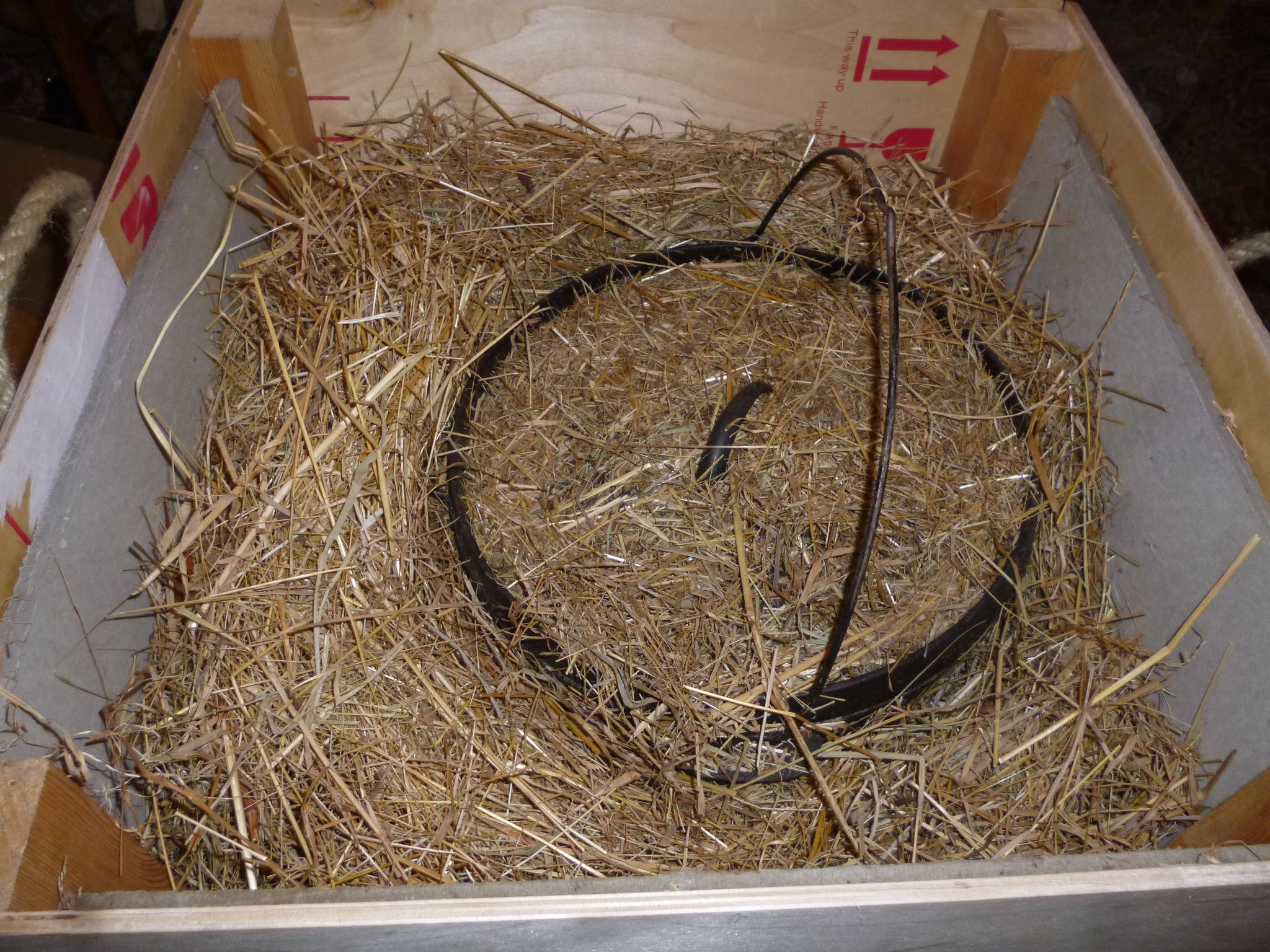
You don’t need to buy a fancy brand-name product to get started. In fact, some of the best thermal cookers are homemade. The classic DIY approach involves two pots—one slightly smaller than the other—and some insulation material. You put the smaller pot inside the larger one, fill the gap with newspaper, straw, wool, or foam, and seal the lid. It’s crude, but it works. I’ve seen people use coolers (the kind you take to the beach) with great success. Just boil your food, put the pot in the cooler, surround it with towels, and shut the lid. Boom. You’re cooking.
If you prefer something sleeker, there are commercial options available in 2026 that are pretty impressive. Modern thermal cookers often use vacuum insulation technology, similar to a high-end thermos. These are lighter, more compact, and hold heat longer than the DIY versions. They usually consist of an outer shell and an inner stainless steel pot. Some even come with multiple layers so you can cook rice, stew, and dessert all at once. Brands have updated their designs to be more aesthetically pleasing, fitting into modern minimalist kitchens rather than looking like camping gear.
When choosing, think about your lifestyle. If you’re a camper, go for something rugged and portable. If you’re a busy parent, look for something with a wide mouth for easy cleaning and enough capacity for a family-sized meal. Don’t overlook the second-hand market either. Older models from the early 2000s are still perfectly functional. The technology hasn’t changed much because it didn’t need to. A good seal and good insulation are all you really need.
What Can You Actually Cook?
The biggest misconception is that you can only make soup. Sure, soups and stews are the stars of the show. They benefit hugely from the long, slow cook. But you can do so much more. Rice is incredibly easy. In fact, many people find thermal-cooked rice is fluffier than stove-top rice because it doesn’t get stirred or agitated. You just bring the water and rice to a boil, dump it in the cooker, and wait. No watching, no adjusting the heat.
Meats are another surprise hit. Tough cuts like chuck roast or chicken thighs become tender and juicy. The gentle heat breaks down collagen without drying out the protein. You can also cook beans from dry. No soaking required if you give them enough time. Just boil them for ten minutes to kill any toxins (important for kidney beans!), then let them sit in the thermal cooker for 6-8 hours. They come out creamy and perfect.
What about veggies? Yes, but be careful. Delicate vegetables like peas or spinach will turn to mush if left in too long. Root vegetables like carrots, potatoes, and onions hold up well. A good rule of thumb is to add delicate ingredients in the last hour of cooking, or just stir them in when you open the pot. The residual heat will wilt them perfectly. You can even make yogurt! Heat milk to the right temp, add your starter, put it in the thermal cooker overnight, and wake up to fresh yogurt. It’s versatile, once you get the hang of the timing.
Mastering the Technique: Tips for Success
Timing is everything. Since you aren’t applying continuous heat, you need to make sure the food starts hot enough. Bring everything to a rolling boil. Not a simmer. A boil. This ensures the internal temperature is high enough to sustain cooking for hours. If you pull it off the stove too early, the temperature might drop below the safe zone before the food is cooked. Use a thermometer if you’re unsure. You want the core temperature to be at least 185°F (85°C) when you seal it.
Don’t peek. Every time you open the lid, you let heat escape. That’s the whole point of the system. Trust the process. If you’re nervous, start with shorter cook times and check the food. You can always put it back on the stove to finish if it’s underdone, but you can’t un-cook it. Keep a log. Write down what you cooked, how long you boiled it, and how long it sat. Over time, you’ll learn exactly how your specific cooker performs. Every insulator is a bit different.
Safety is key, especially with meats. Make sure the food stays above 140°F (60°C) during the cooking process to prevent bacterial growth. Most thermal cookers keep food well above this for 6-8 hours if started correctly. If you’re cooking something large, like a whole chicken, cut it into pieces to ensure heat penetrates evenly. And always reheat leftovers thoroughly. Just because it was cooked safely doesn’t mean it’s immune to spoilage if left out too long after opening. Treat it like any other cooked food.
There’s a psychological benefit to thermal cooking that we don’t talk about enough. It forces you to plan ahead. You can’t decide to make dinner at 5 PM and have it ready by 5:30. You have to think about it in the morning. Or the night before. This shift in mindset can be liberating. It reduces the "what’s for dinner?" stress that plagues so many households. You know dinner is taken care of. It’s waiting for you.
It also reconnects us with the rhythm of food. We’re used to instant gratification. Microwaves, fast ovens, quick fixes. Thermal cooking is slow. It requires patience. But the reward is a meal that tastes like it was made with care. Because it was. The flavors meld together in a way that rapid cooking just can’t replicate. It’s deeper. Richer. And when you sit down to eat, you’re not just consuming calories; you’re experiencing the result of time and attention.
In 2026, where everything is fast and loud, there’s value in the quiet. The quiet of a pot sitting in a box, doing its work. The quiet of a kitchen that isn’t humming with appliances. It’s a small act of resistance against the hurry. And honestly? It tastes better. So why not give it a try? Grab a pot, wrap it up, and let the heat do the work. You might just find that the forgotten art is exactly what your kitchen—and your life—needs right now.
Thermal cooking isn’t just a relic of the past. It’s a practical, sustainable solution for today. It saves money, energy, and stress. It makes delicious food. And it’s easier than you think. So, dust off that old cooler, or buy a shiny new thermal pot. Boil some water. Throw in some beans. And wait. The future of cooking might just be a step back into the past.